
Demurrage is one of those freight words that people nod along to and then get surprised by. An importer sees it on a shipping line invoice two weeks after a container landed. A warehouse manager sees it on a carrier's bill because a semi sat at the dock for two hours. Same word, different charge, different company sending the bill.
This guide explains both meanings as they're used in Australia, how the charges are worked out, and where the road transport leg makes a real difference to what you end up paying.
What Does Demurrage Mean?
Demurrage is a charge for holding someone else's equipment longer than the free time you were given. The word comes from shipping, where it was the penalty for keeping a ship at berth past the agreed loading time. It has since moved onto the things that carry freight today: shipping containers and trucks.
In Australian freight you'll come across it in two settings:
| Container demurrage | Truck demurrage (waiting time) | |
|---|---|---|
| Whose equipment | The shipping line's container | The road carrier's truck and driver |
| Who charges it | The shipping line | The road carrier |
| What triggers it | The container isn't collected or returned within the free days | The truck is held at pickup or delivery past the free waiting period |
| Measured in | Calendar days | Minutes and hours |
| Where you see it | Shipping line invoice, often weeks later | Carrier or freight invoice, as a surcharge line |
Container Demurrage and Detention
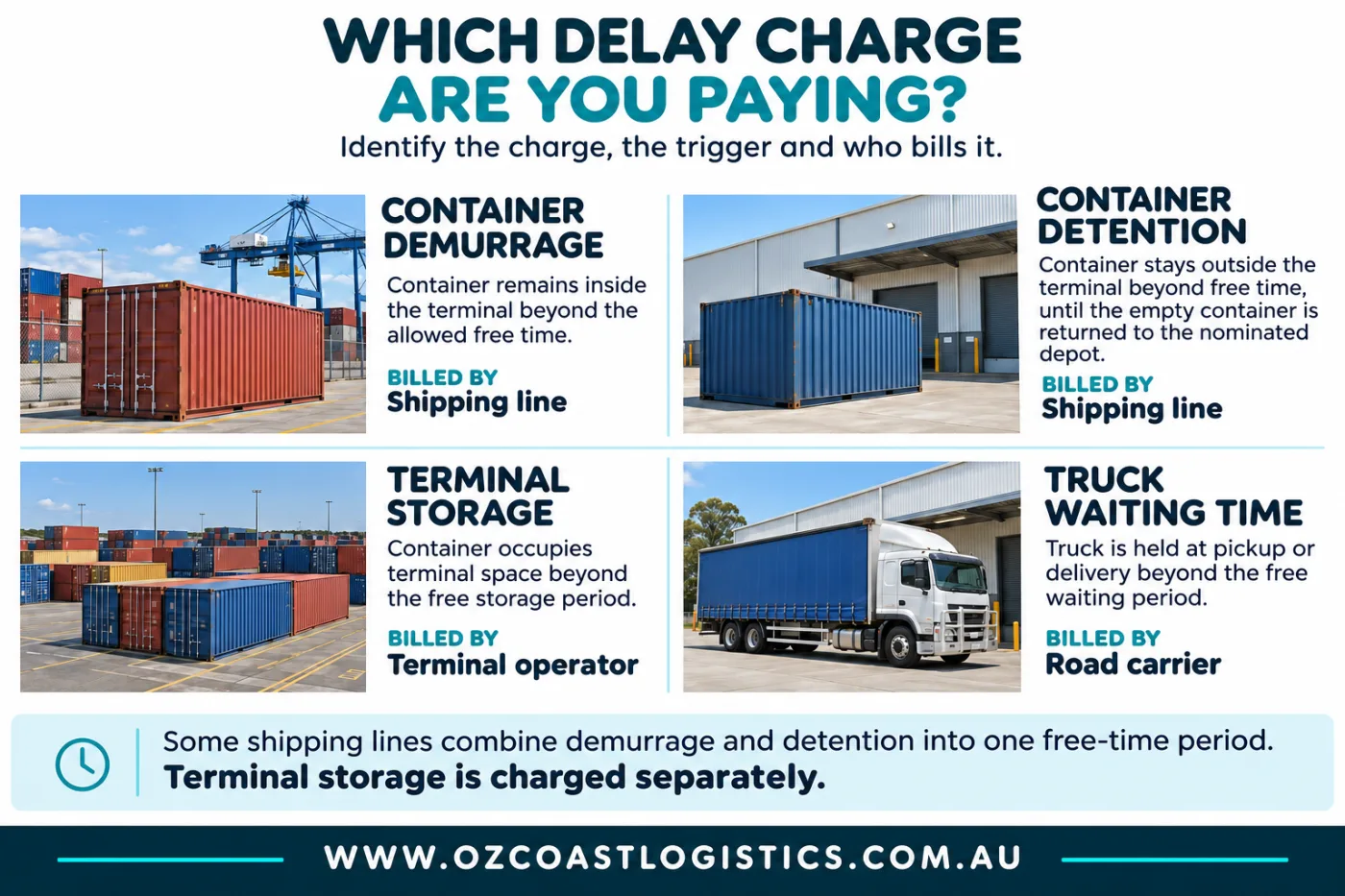
Demurrage: the container is still at the terminal
Once a container comes off the ship, the shipping line allows a set number of free days. Container demurrage is what the line charges if its box is still sitting inside the port, terminal or depot after that free time has run out. In other words, it hasn't been collected yet.
Detention: the container is with you
Detention is the charge for keeping the line's container outside the terminal beyond the free time. The box has been collected and delivered, but the empty hasn't been returned to the nominated depot yet. For exports it runs the other way: from when you pick up an empty to pack, until the full container is back at the terminal.
In Australia it's often one clock
Overseas, demurrage and detention are often separate allowances. Many lines serving Australia merge them into a single period, sometimes called merged or combined demurrage and detention. ANL's tariff definitions describe merged demurrage and detention as one single period of free time covering both.
OOCL's published Australian import terms show how this works in practice. For dry containers, the free time is 9 calendar days. The count starts at midnight on the day the container is discharged from the ship and ends on the day the empty is returned to the line's designated facility. Weekends and public holidays count.
That has a practical consequence. Every day the container waits at the wharf is a day less you have to unpack it at your end.
Terminal storage is a separate bill
There's a third charge people often lump in with demurrage: storage. This is charged by the terminal operator (the stevedore), not the shipping line, for the space the container takes up in the yard. Shipping lines generally state that storage sits outside their demurrage and detention tariff.
Terminal free storage is often shorter than the line's free time, and it can start from when the container becomes available for collection rather than from discharge. So the terminal storage bill can start ticking before the shipping line's charges do.
What the Charges Look Like
Each shipping line publishes its own tariff, and free time can also be set on your booking or contract. As one example, here are OOCL's published import detention rates for dry containers in Australia, effective 4 September 2026 (AUD per day, after 9 free calendar days):
| Day range | 20ft | 40ft and 40ft high cube |
|---|---|---|
| Days 10 to 14 | $100 | $190 |
| Days 15 to 19 | $150 | $290 |
| Day 20 onwards | $185 | $370 |
Refrigerated containers get less free time (8 days on the same tariff) and cost more per day. Rates usually step up the longer the box is held, which is why a container that runs a few days over is annoying and one that runs two weeks over is expensive.
Treat these figures as an illustration. Tariffs change, often at the start of the year, and your own free time depends on the line and the booking. Check the arrival notice or ask your forwarder before the ship arrives.
Where the Road Leg Fits In
Your transport company doesn't set the free time or send the demurrage invoice. But the cartage leg decides how much of the free time you get to use. Four things matter most.
1. Collection timing. A container can only be collected once it's released and available at the terminal. Trucks need a booked slot in the terminal's vehicle booking system to get in, and when the port is busy those slots are tight. Booking transport against the day the container becomes available, not the day you hope to get it, gives you the best chance of collecting inside the free storage period.
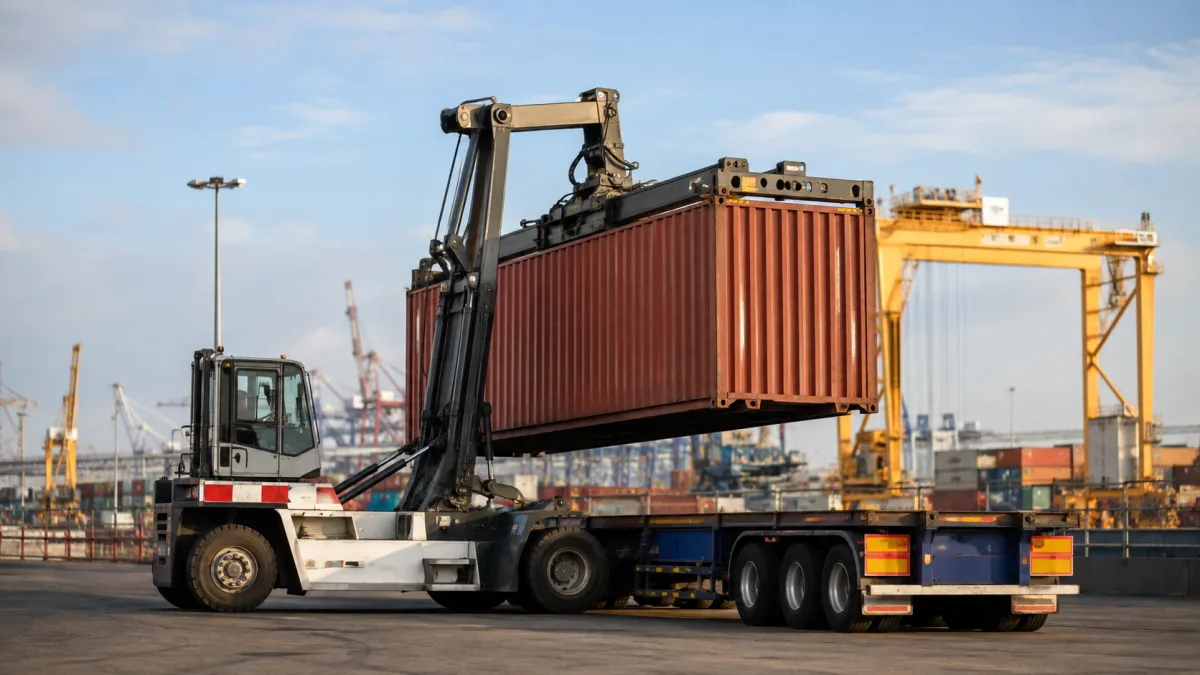
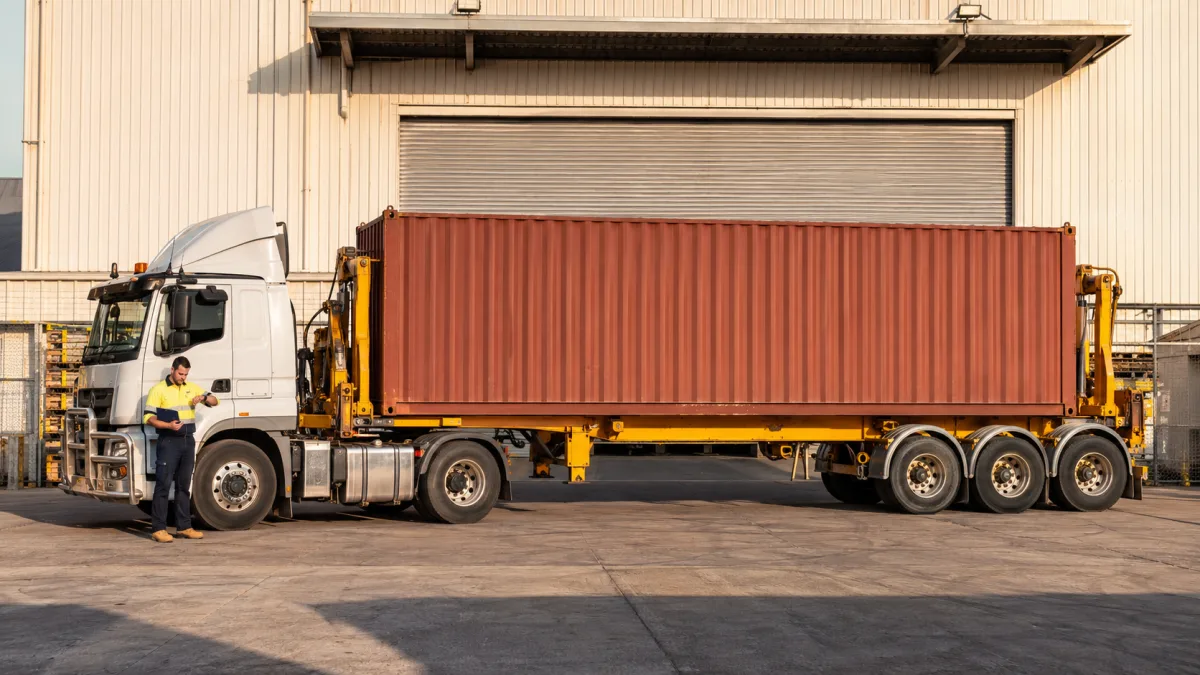
2. Drop or live unpack. With a live unpack, the truck waits while the container is unloaded and takes the empty straight away, so detention stops quickly. But you pay for the truck's waiting time. With a side loader drop, the container is placed on the ground and left with you, so you can unpack at your own pace, but the detention clock keeps running until the empty goes back. Our guide to container side loaders explains how a drop works and what the site needs.
3. The empty return. The free time usually only stops when the empty is returned to the depot the shipping line nominates, and that isn't always the depot closest to you. If an empty depot is full or the line redirects the return, it can take longer than planned. Tell your carrier as soon as the container is empty, not at the end of the week.
4. Getting the details right up front. Container number, size, weight, whether it's a reefer, and access at the delivery site all need to be known before the truck is booked. Our shipping container transport guide covers what to have ready.
Customs clearance and quarantine holds can stop a container being released at all. Those are handled by your customs broker or freight forwarder, and the line's clock and the terminal's clock generally keep running while a hold is sorted out.

Truck Demurrage: Waiting Time on Road Freight
On the road freight side, demurrage means something more immediate: the truck has turned up and is being kept waiting. Carriers price their trucks and drivers by time, so when loading or unloading runs past the allowed window, they charge for it. You'll see it called demurrage, waiting time or detention on a carrier's surcharge list.
Carrier surcharge tables published on one Australian freight booking platform show a fairly consistent structure:
| Feature | Typical range in published surcharges |
|---|---|
| Free waiting period | About 10 to 90 minutes, longer for bigger vehicles |
| Example free periods by vehicle | Rigids around 30 minutes, semi-trailers around 60, B-doubles around 90 |
| How it's counted | In 5 or 15 minute increments after the free period |
| Rate | Roughly $65 to $150 an hour, sometimes plus fuel levy |
The exact terms vary by carrier and by agreement, so read your quote rather than relying on these figures. The point is that the free window is short. Common causes are:
- A missed delivery slot at a distribution centre, so the truck waits for the next gap
- No forklift or no one available to unload when the truck arrives
- Freight not ready or not packed when the truck arrives to collect it
- Paperwork or receiving checks done while the driver waits
- A live container unpack that takes longer than expected
These charges are separate from your freight rate and from the fuel levy, and they're one of the most common reasons a final invoice differs from the quote. Our guide to how road freight pricing works covers the other adjustments that can appear.
A Worked Example
Here's an illustrative case using the OOCL rates above. Your own line and booking may differ.
A 40ft dry container is discharged on day 1. It becomes available and the carrier collects it on day 4. A side loader drops it at the importer's warehouse, and unpacking takes longer than planned because the forklift is tied up on other work. The empty is ready on day 12 and returned to the nominated depot on day 13.
- Free time covers days 1 to 9
- Days 10 to 13 are chargeable: 4 days at $190 = $760 in detention
- Any terminal storage for days the container sat at the wharf past the terminal's free period is billed separately
If the container had been collected on day 2 and unpacked by day 8, the same import would have cost nothing in detention. Most of the saving comes from planning the unpack and the empty return before the container arrives, not from moving faster once it's on the ground.
How to Keep Demurrage Charges Down
For containers:
- Know your free time before the ship arrives, in writing, and whether it's one merged clock
- Make sure clearance paperwork is with your customs broker early, so the container can be released on time
- Book cartage as soon as the container's availability is confirmed
- Choose drop or live unpack based on how long unpacking really takes, not how long it should take
- Line up labour and equipment for the unpack day
- Tell your carrier as soon as the box is empty and confirm the return depot
For trucks:
- Book delivery slots and give the carrier the exact window
- Have freight ready, packed and labelled before the pickup time
- Make sure there's someone and something (a forklift or a tail-lift truck) to unload on arrival
- Tell the carrier about long receiving checks so they can plan for them
How Ozcoast Handles the Container Leg
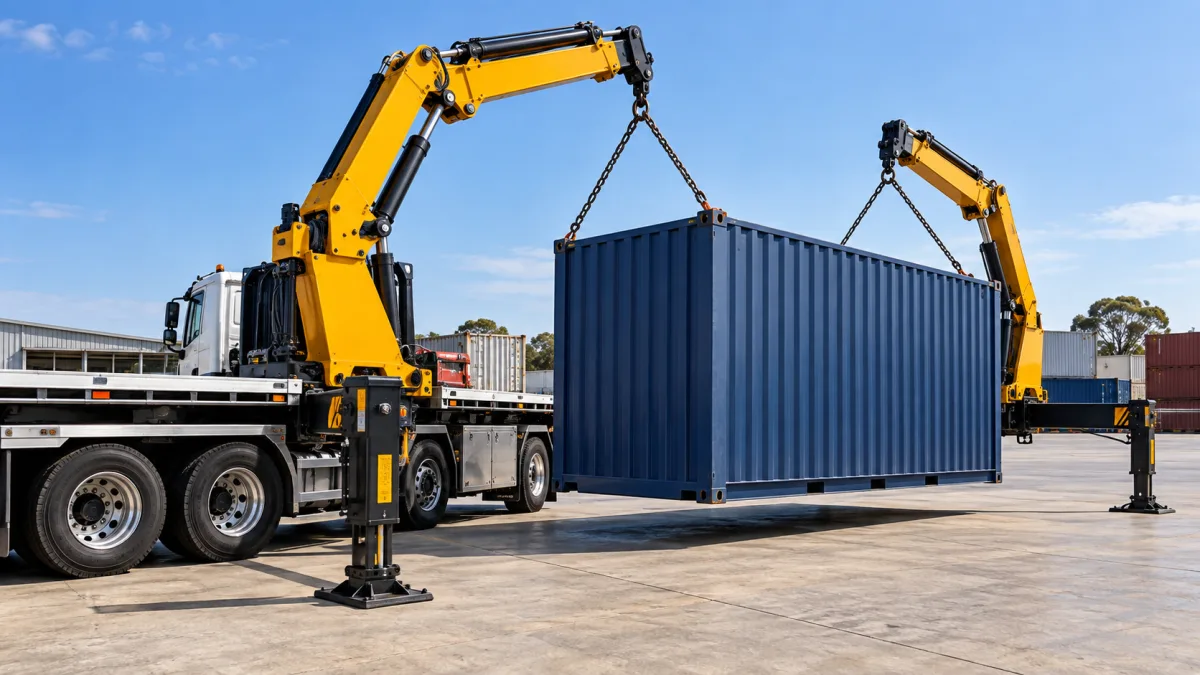
Our container transport service covers the domestic road leg: collecting full containers from the wharf or depot, coordinating the gate movement, delivering to your premises, and returning the empty to the nominated depot once it's unpacked. Side-loaders, tilt trays and flat-beds are matched to the container and the site.
Every container job is quoted itemised, including container layover or yard holding and the empty depot return, so the costs that relate to timing are visible before you book. We don't set the shipping line's free time or arrange customs clearance, so share your free days and expected availability date with us when you book, and we'll plan collection and the empty return around them.