
Freight invoices often show a fuel levy as a separate line item, and it's a fair question why fuel isn't just baked into the base rate like everything else. The short answer is that fuel costs move faster and more unpredictably than almost any other input in road transport, and a levy is how pricing keeps up without renegotiating every rate every time diesel prices shift.
What Is a Fuel Levy?
A fuel levy is a surcharge added to a freight rate to account for the cost of fuel, calculated separately from the base transport charge rather than folded into it. It's typically expressed as a percentage of the base rate, and that percentage moves in line with a fuel price reference, adjusted periodically rather than locked in for the life of a contract or booking.
Why It's Separate From the Base Rate
Base freight rates reflect relatively stable costs, vehicle costs, labour, overheads, that don't move dramatically week to week. Fuel is different. Diesel prices can shift meaningfully within a single month, and Australia has seen genuinely significant volatility in diesel pricing recently, prices that would make a fixed, fuel-inclusive rate either quickly out of date or artificially padded to absorb a swing that might not happen. Separating the fuel component lets the base rate stay stable while the levy absorbs the part of the cost that genuinely can't stay stable.
How Fuel Levies Are Typically Calculated
Most fuel levies are set as a percentage of the base freight charge, reviewed and adjusted on a regular cycle, commonly monthly, against a published fuel price reference. When fuel prices rise, the levy percentage typically rises with it; when they fall, it typically comes back down. This means the levy on the same job can differ from one month to the next even if nothing else about the booking changes, which is normal and expected, not a sign something's gone wrong with pricing.
Why This Matters More Right Now
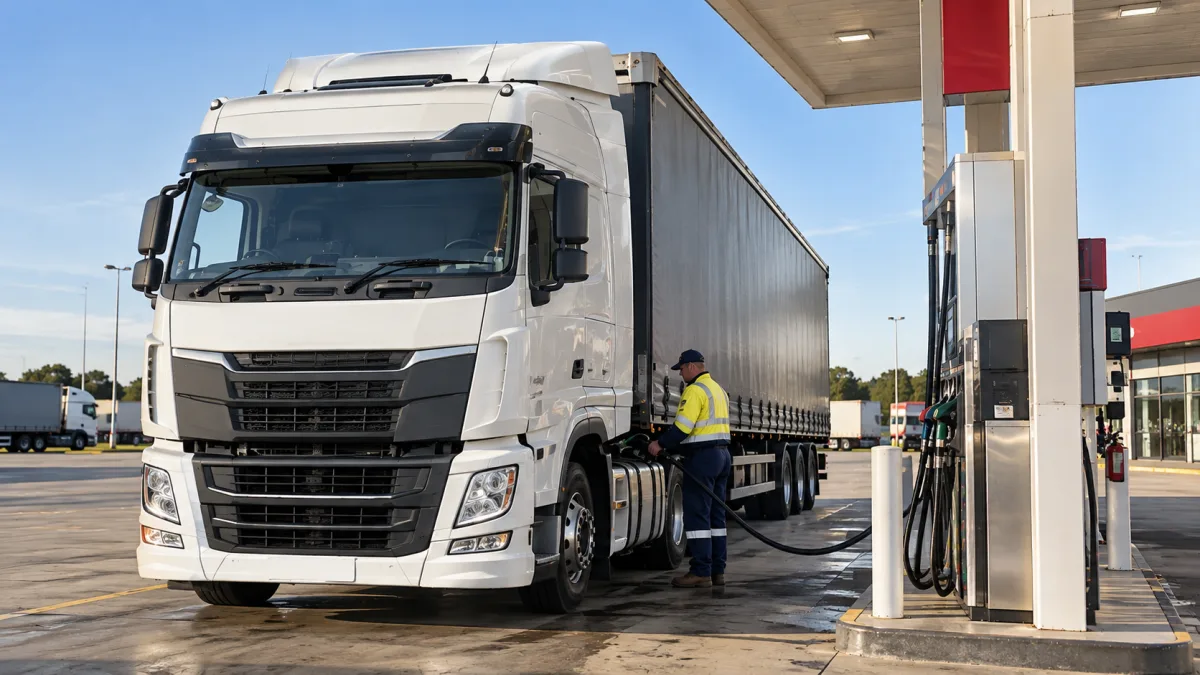
Diesel prices in Australia have been genuinely volatile over the past several months, a real cost pressure across the road transport industry, not something specific to any one provider. That's exactly the situation a fuel levy exists to handle: rather than every transport company repricing every base rate every time fuel moves, the levy absorbs that volatility in a way that's visible and separate on the invoice, rather than hidden inside a renegotiated rate.
What This Means When You're Booking Freight
- Ask upfront whether a quoted rate includes or excludes the current fuel levy, so you're comparing like with like against any other quote.
- Expect the levy percentage to be reviewed periodically, not fixed for the life of an ongoing arrangement.
- A rate with no separate fuel levy at all is worth a second look, either it's built into a padded base rate, or it may not reflect current fuel costs accurately.
How Ozcoast Handles Fuel Levies
Our rates include a fuel levy calculated and reviewed against current fuel costs, shown separately on your invoice rather than folded invisibly into the base rate. If you'd like to understand exactly how the current levy applies to your freight, ask us directly, it's a straightforward part of the quote, not something you need to dig for.