
Car Transport Across Australia
Interstate Vehicle Transport, Runners and Non-Runners
Moving a Car Is a Different Job to Moving Freight
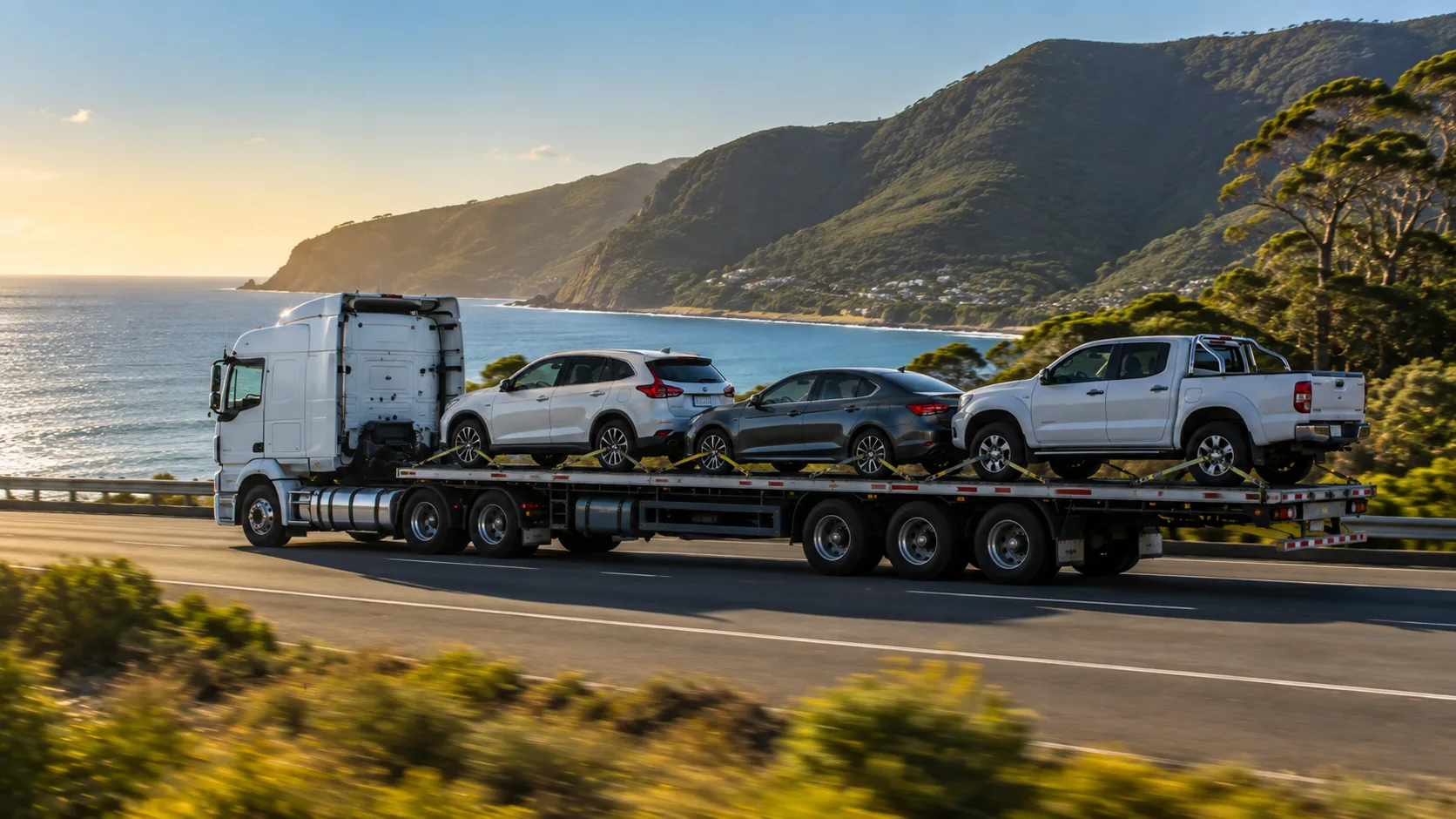
Your vehicle is collected from wherever it's sitting, secured on an open transport deck, and handed to your nominated receiver at the other end. We move cars on our regular road freight network, alongside caravans, motorbikes and boats.
- Runners and non-runners. A vehicle that won't start is winched on, just tell us before the truck arrives
- Single cars through to dealer batches. One vehicle, or twenty a month on a standing arrangement
- One coordinator. Owns your job from pickup to delivery, with a direct line rather than a queue
- Itemised quotes. The fuel levy is already in the number, not added afterwards
What Car Transport Covers
Address to Address
We move vehicles as freight in their own right, from where the car is now to where it needs to reach. That covers collection, securing the vehicle on the deck, road transport, and handover at the other end.
Quoted as a Vehicle, Not by Weight
This sits apart from our general freight network, which handles palletised consignments. A car is a single item with its own handling requirements, quoted on its own terms rather than by cubic space.
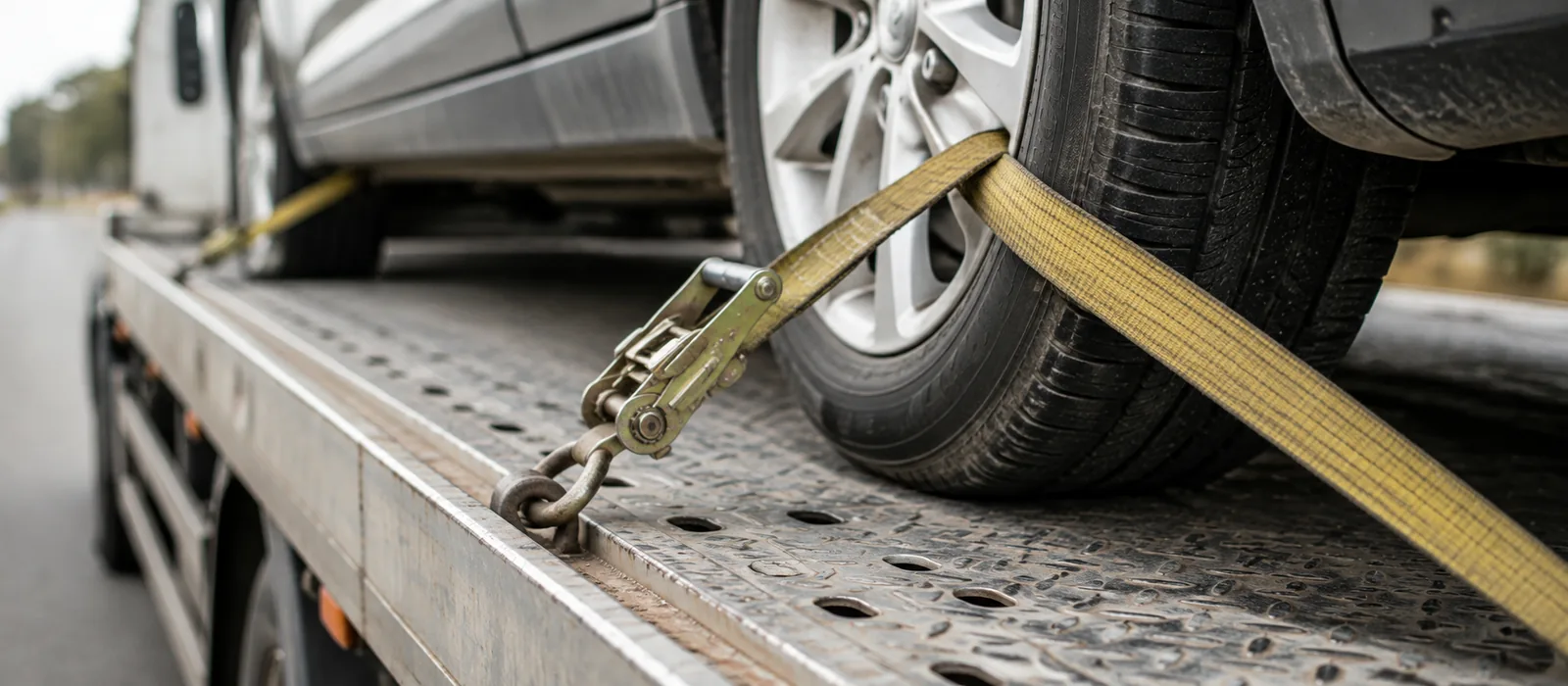
Open Deck, Secured for the Road
Vehicles travel on an open transport deck, secured for the journey. It's the same method we use for the other vehicles on our network, and it's how most road-based car transport in Australia works.
Need Enclosed Transport?
For a classic, a show car or anything you'd rather keep out of the weather, tell us at quote stage. It's not our standard service, so it's worth raising early rather than assuming.
Who Moves Cars With Us
Enquiries come from private owners and from the trade, and the two are planned differently.
Private Owners
Relocating interstate and would rather not drive it, bought a car interstate through a dealer, auction or private sale, or selling to a buyer who wants it delivered.
Dealerships
Stock transfers between sites, deliveries to interstate buyers, and vehicles bought at auction that need to get back to the yard. Often several at a time rather than one.
Auction Houses and Wholesalers
Vehicles moving to buyers after a sale, frequently in batches and frequently on a deadline.
Fleet and Lease Operators
Repositioning vehicles between depots or branches, and end-of-term returns coming back from wherever the driver was based.
Rental and Novated Lease
Rebalancing vehicles between locations as demand shifts, which tends to be seasonal and predictable enough to plan around.
Repairers, Insurers and Restorers
Vehicles that need to reach a specific workshop, including ones that cannot be driven there.
A private owner moving one car once and a dealer moving twenty a month want different things from the process.
What Private Customers Want
To know the car will arrive in the condition it left in, and that someone will tell them where it is along the way.
What Trade Customers Want
Repeatable turnaround, one contact who knows the account, and pricing that holds up across repeat movements.
Both are straightforward jobs. They are just planned differently, and the section below covers how the trade side works.
What We Need to Know Before We Can Quote You
Car transport pricing depends on specifics, not just a make and model. Have this ready and you'll get an accurate figure the first time rather than a number that changes later.
- The Two Addresses Suburb and postcode at both ends. A collection from a wide driveway and a collection from a tight inner-city street with limited parking are not the same job for a truck.
- What the Vehicle Is Make, model and year gives us the footprint and weight. If it's been modified, tell us. Lift kits, roof racks, bull bars, tow bars and aftermarket wheels all change how it sits on the deck.
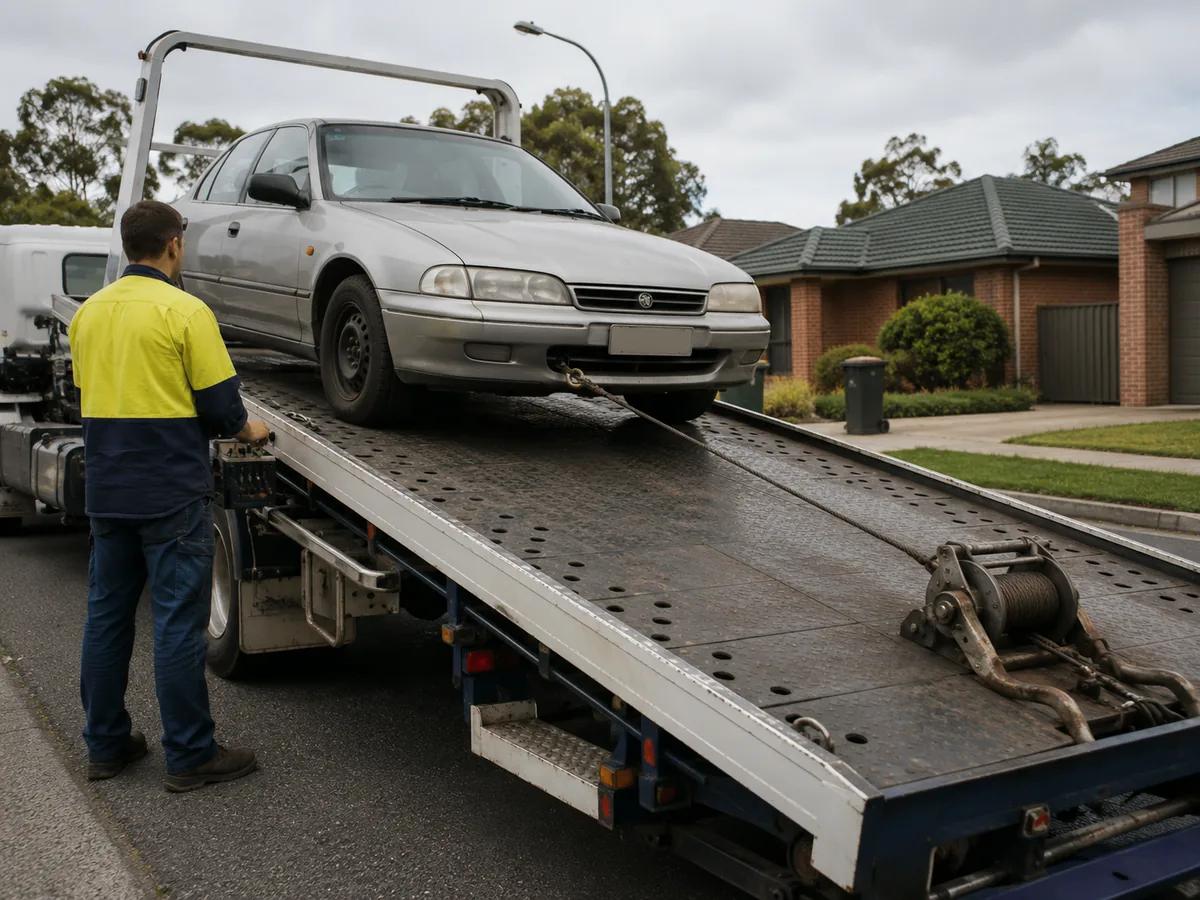
- Whether It Runs We take runners and non-runners both, but a vehicle that doesn't start needs winching, and that decides which truck and equipment come to collect it. Tell us upfront rather than when the driver is standing in your driveway. It's the single most common thing that catches people out.
- Access at Both Ends Whether a truck can get in and turn around. Narrow driveways, low apartment car parks and gated estates all matter here. If access is genuinely a problem, raise it with us at quote stage and we'll talk through the options.
- Your Timing Confirmed dates and flexible windows aren't priced the same way. If you can give us a range rather than a fixed day, say so, since it gives us more room to fit your vehicle onto a run that's already going.
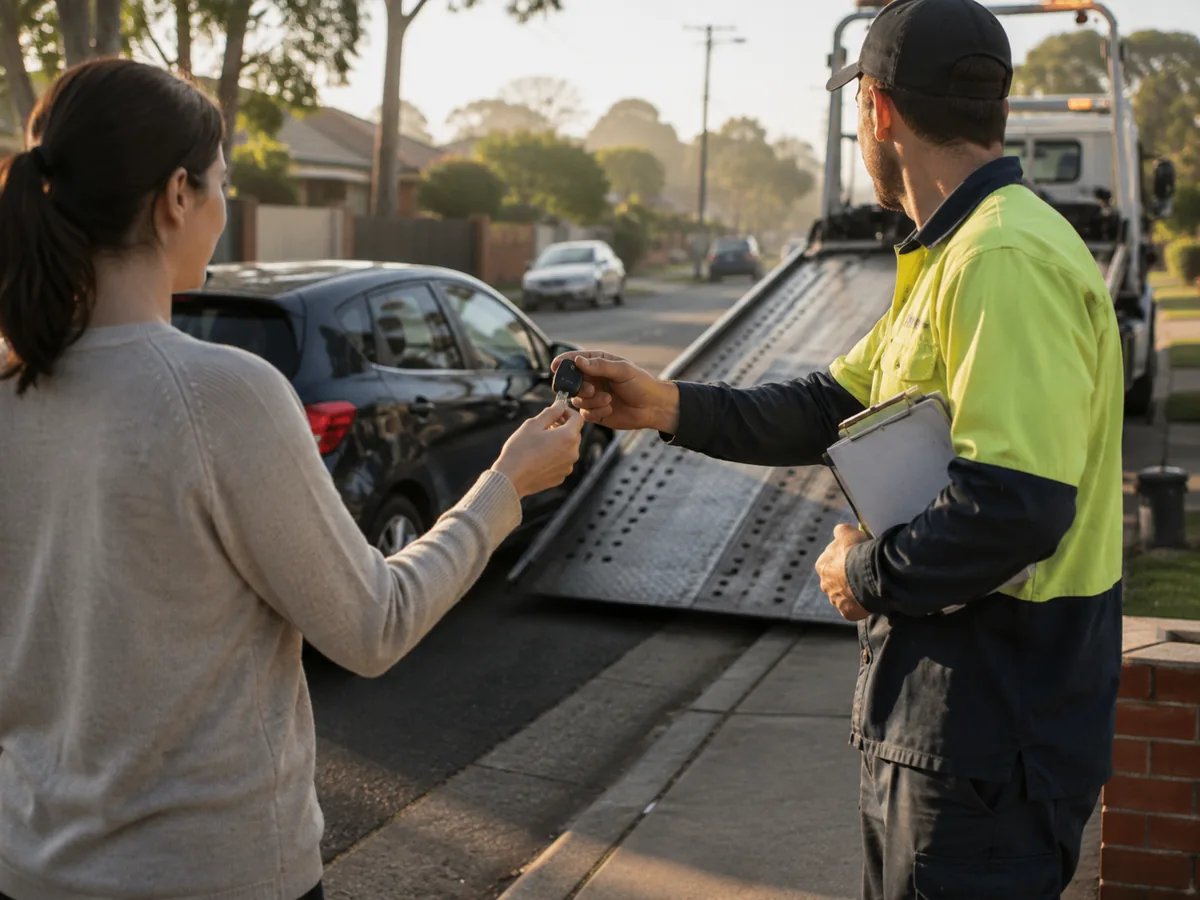
- Who Is Handing Over and Receiving Names and mobile numbers for both ends.
What Affects the Cost of Moving a Car
Distance and the Specific Route
Kilometres alone don't set the price. Long corridors with less freight travelling in the opposite direction generally cost more per kilometre than busy east coast lanes.
How Regularly We Run That Lane
A route we already run often is more efficient to add a vehicle to than a one-off movement to somewhere we don't usually go.
The Vehicle's Size
A hatchback and a dual-cab ute don't take up the same deck space.
Whether It Drives On or Needs Winching
A non-runner takes more time and different equipment to load.
Access at Both Ends
A straightforward kerbside pickup costs less to plan around than a location a truck can't reach directly.
How Flexible Your Dates Are
This is usually the easiest place to find a saving, since fixed dates cost more to guarantee than a window does.
Whatever the final number, you get it itemised, with the fuel levy included rather than added on afterwards.
How a Car Transport Job Runs
You Request a Quote
Send through the details above. The more complete they are, the faster we can give you a firm number instead of a range.
We Confirm the Vehicle and the Route
We check access at both ends and match your vehicle to available deck space, then confirm a collection window with you. Nothing is booked until you've agreed to the price.
Collection
The vehicle is loaded onto the deck and secured for the road. If it doesn't run, this is where the winching equipment comes into play, which is why we need to know beforehand.
Transport
One coordinator owns your job from pickup through to delivery, and you get their direct line rather than a general enquiries queue.
Delivery
The vehicle is unloaded at the destination and handed to your nominated receiver, with proof of delivery recorded.
Moving Multiple Vehicles: Dealers, Fleets and Trade Customers
Moving one car and moving six are different commercial problems, and they get handled differently.
Multiple vehicles travel one of two ways with us. Smaller batches move as part loads on runs already scheduled across our network, so you pay for the deck space you take rather than for a vehicle you haven't filled. Once the volume justifies it, a dedicated vehicle makes more sense and the whole job travels together.
A Dedicated Car Carrier
Generally has to fill its slots before it departs. Efficient at volume, but it means your three vehicles may wait for someone else's seven.
Deck Space on a Scheduled Run
Doesn't have that problem. For dealers and fleet operators moving small-to-mid batches on regular lanes, that flexibility is usually where the value sits.
What We Need From Trade Customers
The same details as a single vehicle, supplied as a list. A spreadsheet is ideal.
- Make, model and year for each unit
- Whether each one runs
- Collection and delivery address for each
If several vehicles share a collection point, say so. Consolidating pickups is one of the most effective ways to bring the per-unit cost down.
How Trade Movements Are Priced
Per-unit rates improve with volume, with lane frequency, and with flexibility on timing. Regular movements on a consistent corridor price better than ad-hoc one-offs, because they are easier for us to plan around.
If you are moving vehicles on the same route each month, tell us at the outset rather than treating each booking as a fresh job. It changes what we can do on rate.
Ongoing Accounts
One coordinator owns your account rather than each individual booking, so you are not re-explaining your requirements every time. You get their direct line. For dealers running weekly or fortnightly movements, that consistency matters more than most other things on this page.
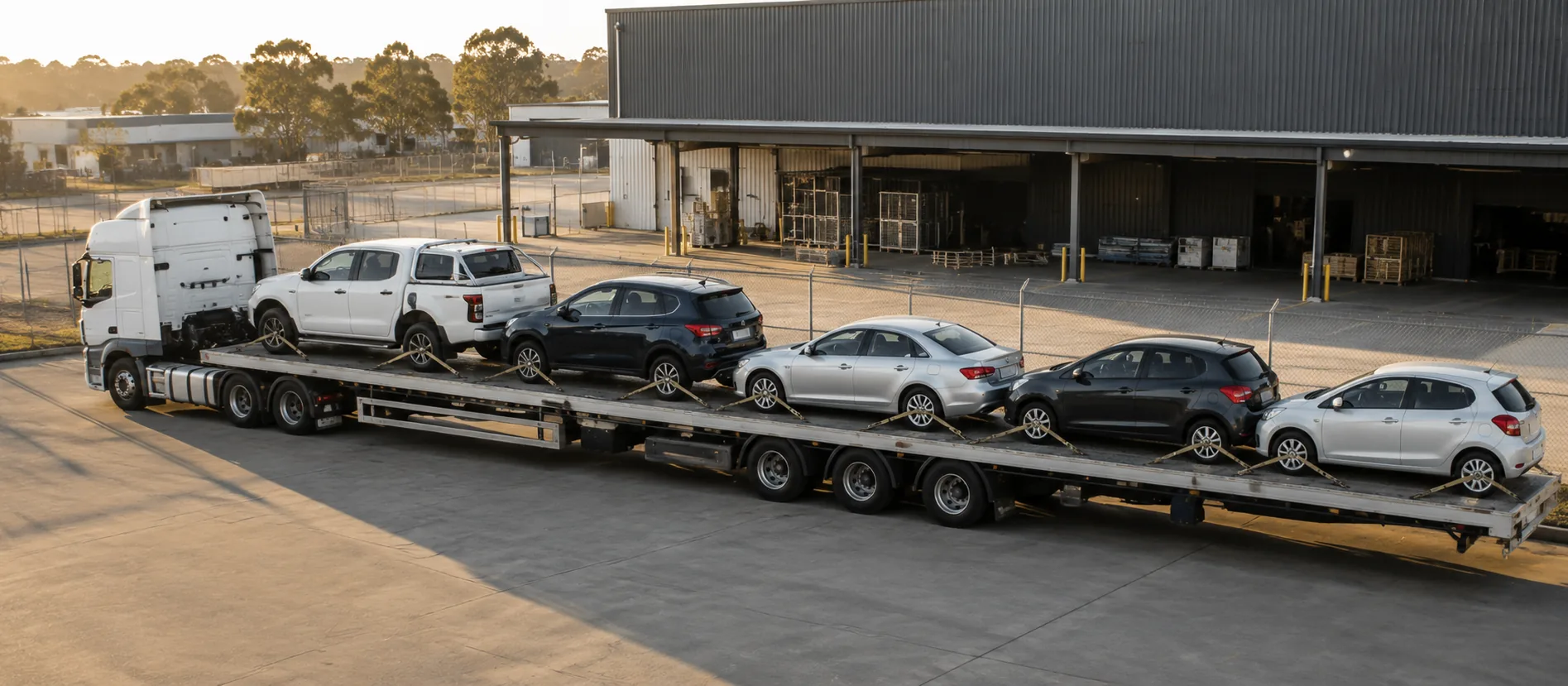
Common trade movements on our network include dealer stock transfers, auction purchases heading back to the yard, fleet repositioning between depots, end-of-term lease returns, and vehicles moving to and from repairers. Non-runners are handled in batches the same way they are individually, provided we know which units they are before we arrive.
Getting Your Car Ready for Collection
A few things are worth doing regardless of who ends up moving your vehicle.
- Take your own photos before collection. Walk around the car, photograph each panel and the odometer, and note the date. It's a five-minute job and it protects you either way.
- Retract or remove aerials, fold in the mirrors, and take off anything loose or aftermarket that can come off easily, such as bike racks or roof boxes.
- Check the tyres hold air and the handbrake works, since the vehicle needs to be able to roll and hold on the deck.
- Empty the car of personal belongings before collection. Items left inside aren't covered, so anything you want to keep track of should travel with you rather than in the vehicle.
- If there's anything unusual about how the car starts or handles, a clutch that needs a particular touch, a door that sticks, mention it when you book. It's a small thing that saves a driver time at collection.
Interstate Car Transport
Short capital-to-capital runs and the longer western and central corridors are different jobs, and it's worth knowing why before comparing quotes.
East Coast Corridors
Carry more freight in both directions, so there are more regular opportunities to fit a vehicle onto a run. Transit tends to be more predictable.
Western and Central Routes
Less traffic to draw on, so timing depends more on when a suitable run is going. This is why flexible dates matter far more on Melbourne to Perth than on Melbourne to Sydney.
Weather is a genuine factor on the longer inland and northern routes. Flooding can close highways for days during the wet season, and no operator controls that. Treat any guaranteed date on those routes with some scepticism, including ours, unless it comes with an explanation of how it's being guaranteed.
Our interstate freight network runs the same road corridors, so the route knowledge that applies to commercial freight applies to vehicles as well. On the Melbourne to Adelaide corridor specifically, we run cars, caravans, motorbikes and boats regularly alongside general freight, which gives you a good sense of how this looks in practice on one of our busier lanes.
Metro, Regional and Remote Collection and Delivery
Metro
Usually the simplest part of the job. Access is the one thing to flag early: inner-city streets and apartment car parks with height or width restrictions are worth mentioning at quote stage rather than discovering on the day.
Regional
Depends on whether your town sits near a corridor we already run. A good number do. Where the address is off the main route we arrange onward delivery, which affects both timing and price, so raise it when you ask for a quote.
Remote
Needs the most planning. Access can be seasonal and the final stretch can be unsealed. Give us as much notice as you can and flag anything unusual about the property.
Our network reaches more than 3,000 postcodes across every state and territory. If you're not certain we reach your address, ask.
Questions Worth Asking Any Car Transport Provider
Car transport in Australia is arranged a few different ways. Some companies run their own trucks and drivers. Others take the booking and pass the job to someone else. Neither approach is automatically wrong, but it's worth knowing which one you're dealing with. These are worth asking of anyone you're considering, including us.
Are you moving the vehicle yourselves, or is it going to a subcontractor?
What's included in the quoted price, and is the fuel levy already in it or added later?
What happens if the truck can't access the collection or delivery address?
What's covered while the vehicle is in your possession, and what isn't?
Is the delivery date a firm commitment or an estimate?
A provider who answers all five without hesitation is usually a safe one to go with.
Where We Run
We run regular lanes between Australia's capital cities and regional centres, in both directions, and arrange onward delivery to most postcodes beyond them.
- Current corridors and transit estimates are listed on our freight routes pages, along with the suburbs we collect from
- Route not listed? That doesn't rule it out. The listed lanes are simply the ones we run on a regular schedule
- Send us both addresses and we'll tell you what's achievable, and what it costs
Common Questions
Common questions about moving a vehicle with Ozcoast Logistics.
Still have a question? Ask us directly and we'll answer it straight.
Explore More Transport Options
Vehicles travel the same corridors as the rest of our road freight network.
Interstate Freight
The same road corridors your vehicle travels, for palletised and commercial consignments.
Learn More
General Freight
One trusted partner for all your freight, backed by a network spanning 3,000+ postcodes.
Learn More
Oversized Loads
Over-dimensional freight with permits, route planning and pilot escorts where mandated.
Learn More