
Darwin to Sydney Road Freight
Darwin to Sydney spans about as much variety as an Australian freight lane can. It starts in a city where a delivery address is often just a shed on a highway, and it finishes in Western Sydney, where distribution centres run booked slots to the quarter hour. Around 3,970 km between them. Ozcoast Logistics manages the whole run end to end, and the part that most often decides whether a delivery lands cleanly is not the outback in the middle but the last thirty kilometres.
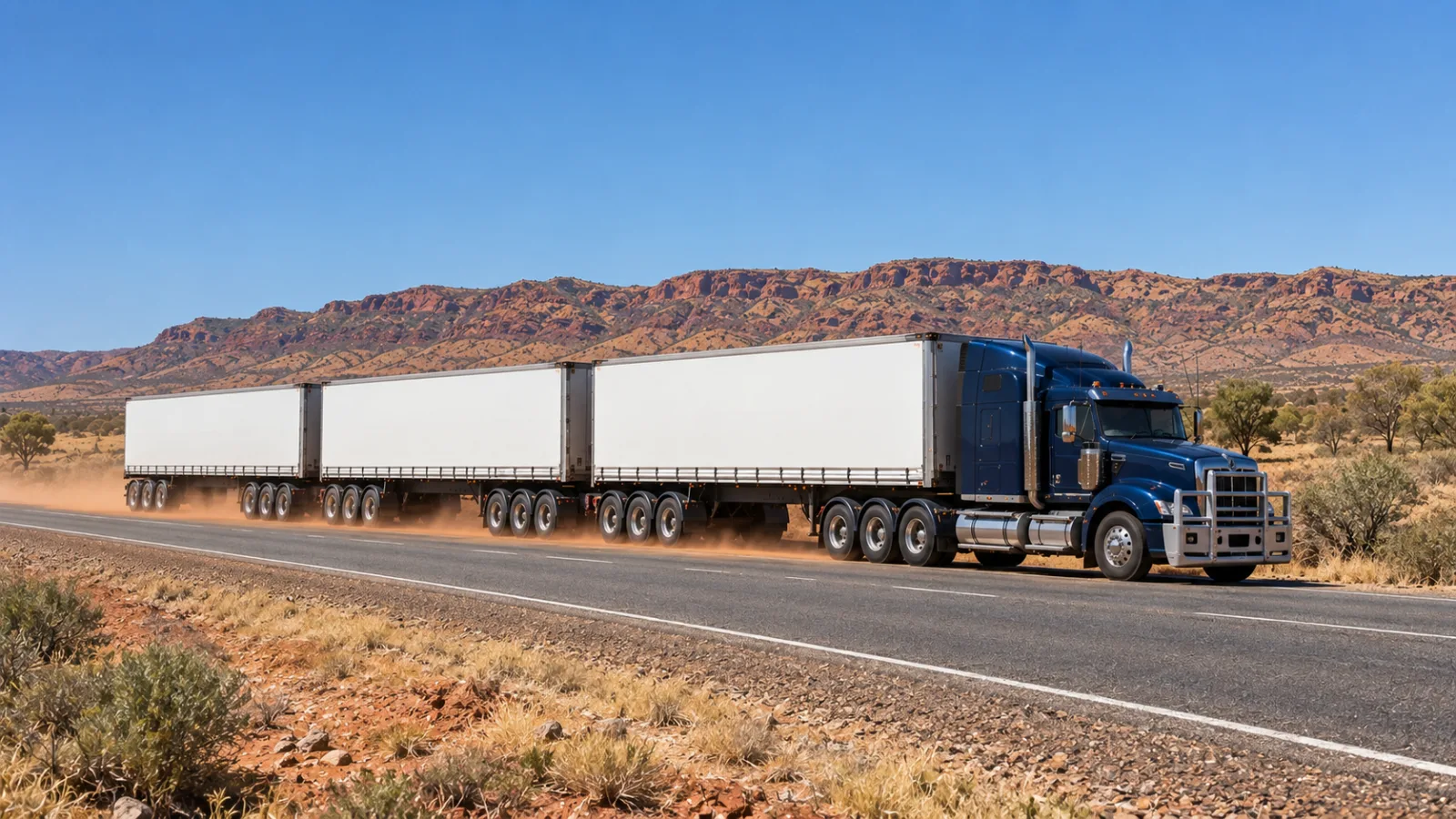
The Darwin to Sydney corridor
Freight leaves Darwin south on the Stuart Highway through Katherine, Tennant Creek, Alice Springs and Coober Pedy to Port Augusta, then turns east through South Australia and into New South Wales, coming into Sydney from the west. Around 3,970 km, which is a genuine linehaul planned with changeovers and fuel range rather than treated as a longer version of an interstate run.
The first two-thirds is remote. Road trains do the heavy work on the Stuart, the distances between fuel and rest are substantial, and the wet season between roughly November and April can close sections of the northern Stuart for days with no alternative road. Through those months we widen the window and tell you early if a delivery is at risk.
The last part is the opposite problem entirely. Most interstate freight into Sydney is delivered in the west, at Eastern Creek, Erskine Park, Wetherill Park, Prestons and Silverwater, and many of those sites run booked delivery windows with specific access requirements and site inductions. After 3,900 km of country where the main constraint is fuel range, the final thirty kilometres runs on slot times and traffic, and arriving outside the window can mean returning the next day.
That contrast is worth planning for rather than discovering. The most useful thing you can give us at booking is the dock booking reference, the delivery window and any access requirements, because we work the whole run backwards from it. On a lane this long there is room to absorb a delay in the middle, but almost none at the end.
Direction matters too. Darwin imports far more than it sends south, so southbound trailers are harder to fill than northbound ones. Consolidated freight travels as a share of a full trailer, which is considerably cheaper but may wait for a suitable run to be built. A dedicated vehicle leaves when you need it and costs what the full run costs. Tell us your deadline and your budget and we will say which fits.
Smaller consignments travel as part loads so you pay for the deck space you use. Full loads and time-critical freight take a dedicated vehicle. One coordinator owns your job from pickup to proof of delivery, with a direct line.
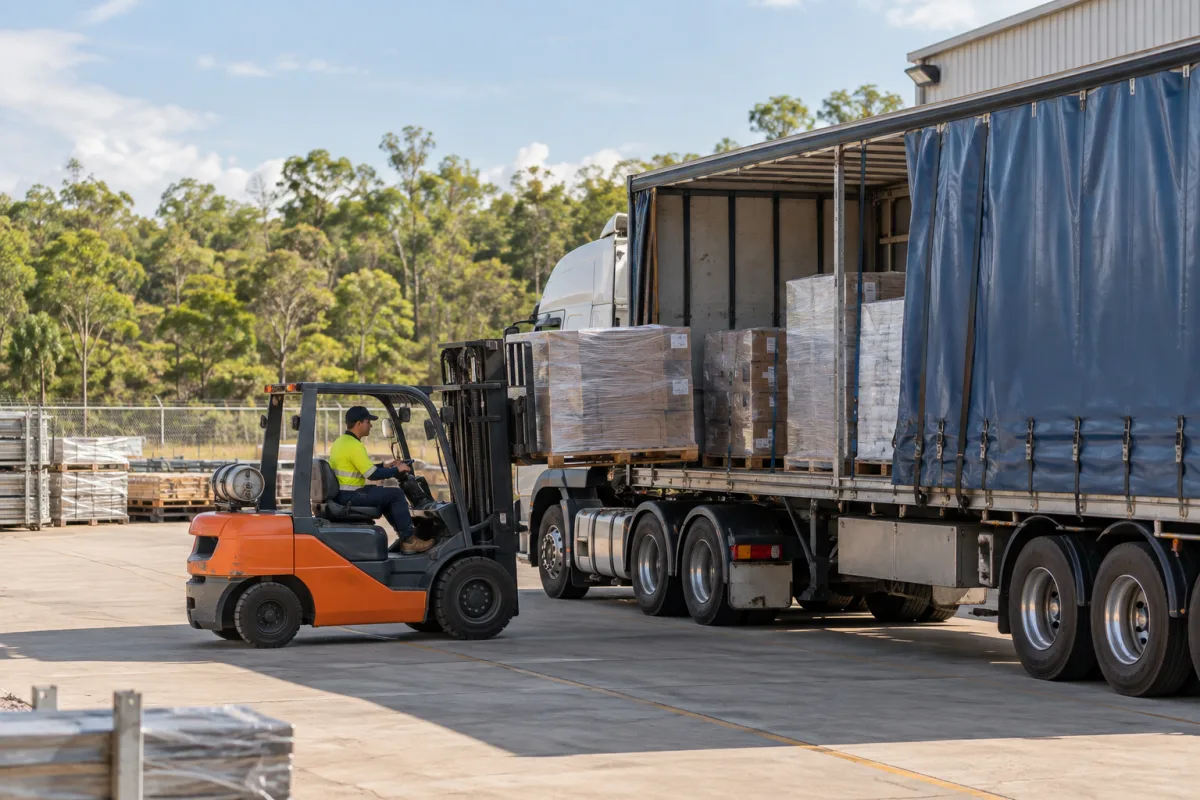
The Last Thirty Kilometres
Why the hardest part of a 3,970 km run is at the end
It seems backwards, but on this lane the outback is the predictable part and Sydney is where things go wrong.
For the first two-thirds of the run the constraints are simple: fuel range, rest requirements, and the weather in the wet season. There is time and space to absorb a delay. If a truck loses half a day near Tennant Creek, the schedule can usually recover.
Then the freight reaches Western Sydney, and the rules change completely. Eastern Creek, Erskine Park, Wetherill Park, Prestons and Silverwater hold most of the city's distribution capacity, and the larger sites allocate delivery slots, sometimes to the quarter hour. Some require inductions, some restrict entry times, some need tail-lift or specific dock heights. Traffic through the western corridor means the final thirty kilometres regularly takes longer than the three hundred before it.
Miss the slot and the freight waits until the next available window, which can be the following day. After nearly four thousand kilometres, that is a frustrating way to lose a day.
So we plan this lane from the Sydney end backwards. Give us the site, the dock booking reference, the window and any access requirements when you book the freight, not when the truck is two hours out. With that, the whole schedule upstream is built to land inside the slot, and the room to absorb delays is used where it actually helps.
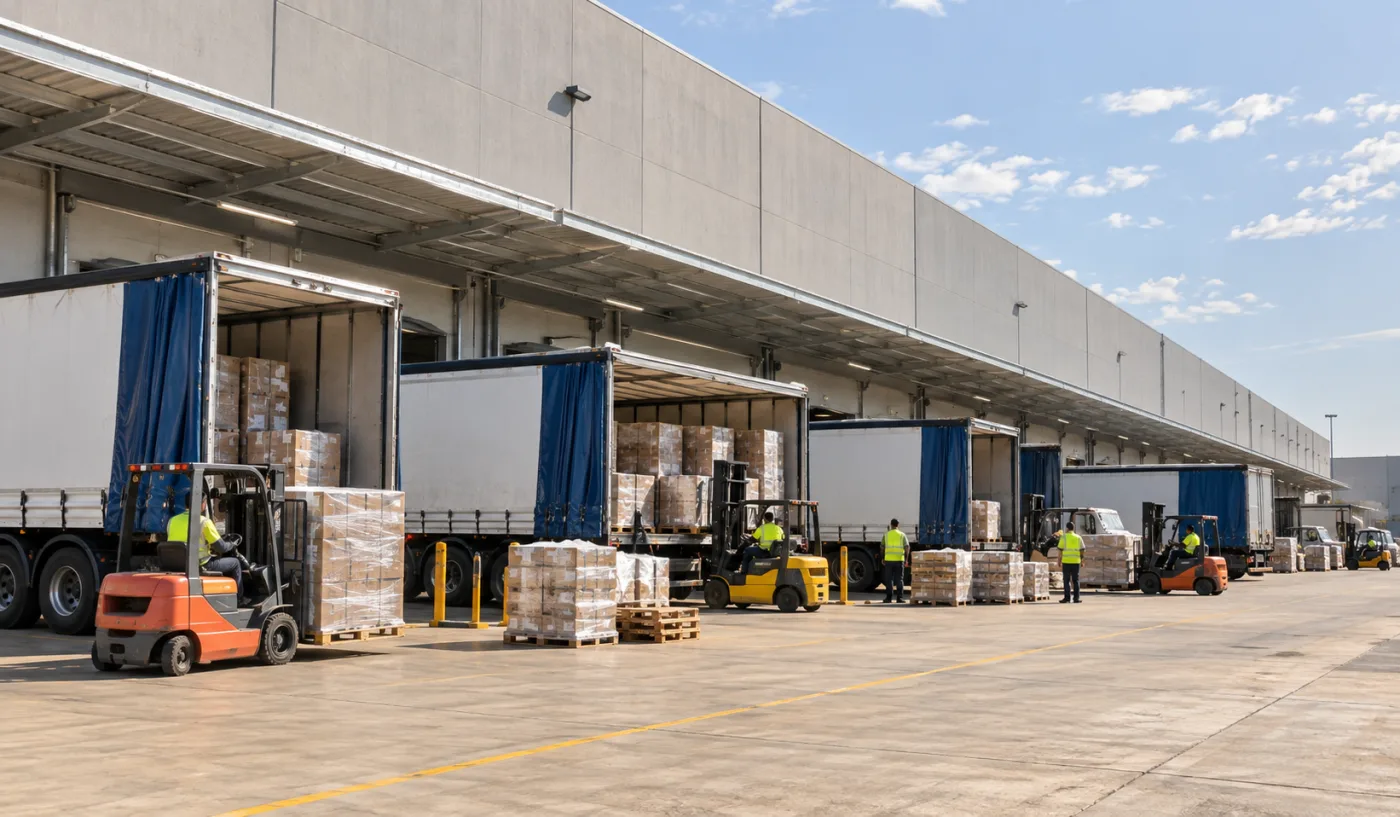
Down the Stuart, Then East
The corridor, the wet, and the towns that break it up
The route divides cleanly at Port Augusta.
The first leg is the Stuart Highway, roughly 3,000 km from the Top End through Katherine, Tennant Creek, Alice Springs and Coober Pedy to the head of Spencer Gulf. This is road train country: long distances between anything, very light traffic, and limited capacity to recover quickly from a problem. It is also where the wet season bites. Between roughly November and April, flooding can cut sections of the northern Stuart for days, and because there is no parallel route a closure means waiting rather than diverting.
The second leg runs east from Port Augusta into New South Wales and on to Sydney, on better-serviced roads with none of the remoteness of the first. By the time freight reaches this section the hard driving is behind it, though the delivery complexity is ahead.
The towns along the Stuart matter because they break up what would otherwise be an uninterrupted run, and because freight bound for them costs far less than a dedicated regional service. Katherine, Tennant Creek, Alice Springs, Coober Pedy and Port Augusta all sit on the corridor.
Road trains carry the load through the northern and central sections, which is what keeps the cost per tonne sensible over a distance like this. Combinations break down to single trailers for delivery into Sydney, where road trains are not permitted, so freight travels on appropriate equipment for each section rather than one compromise the whole way.
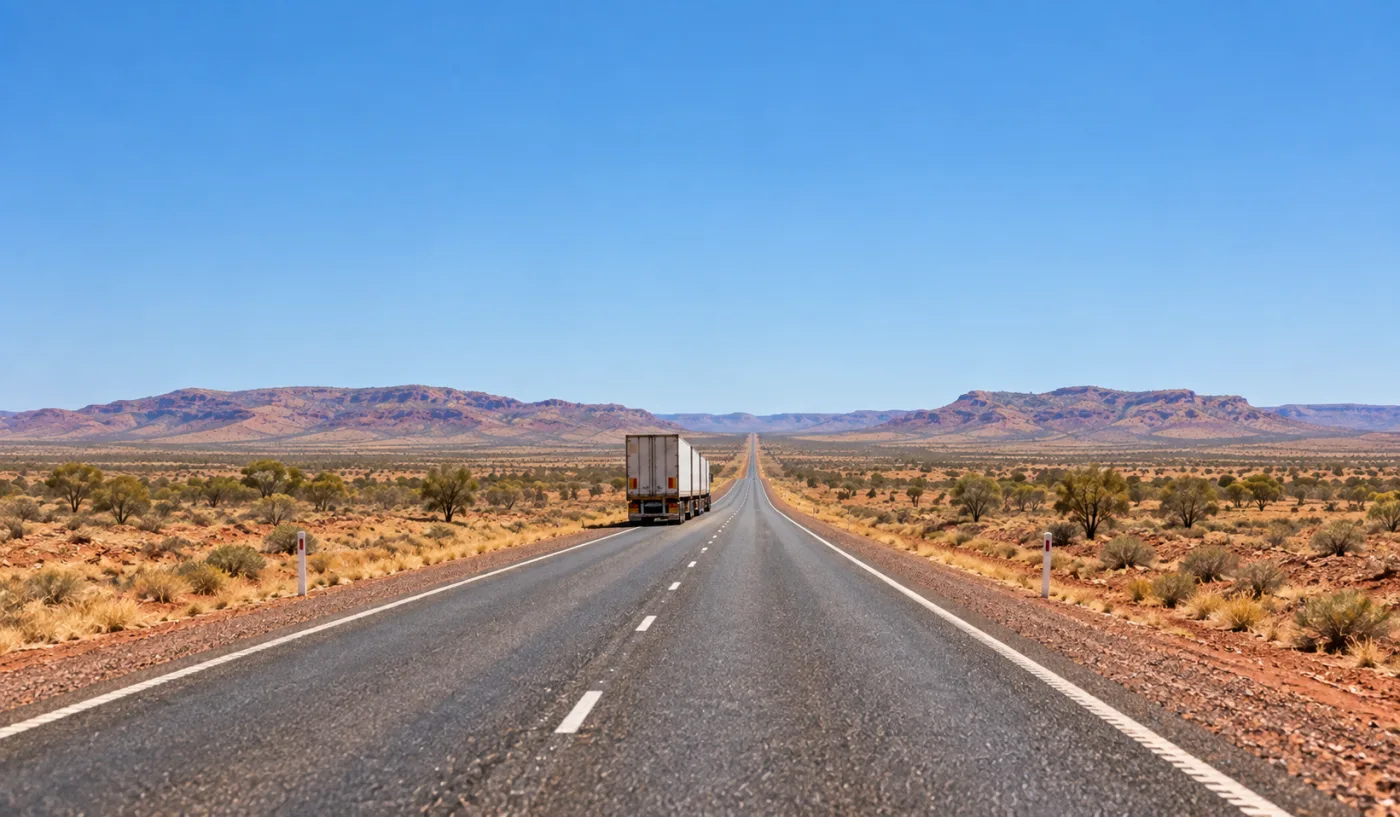
What we carry on this route
This lane crosses the widest range of conditions we handle, from remote highway to booked dock slots. These are what we carry most often. If yours is not here, ring us, and if you have a Sydney dock booking, have the reference handy.
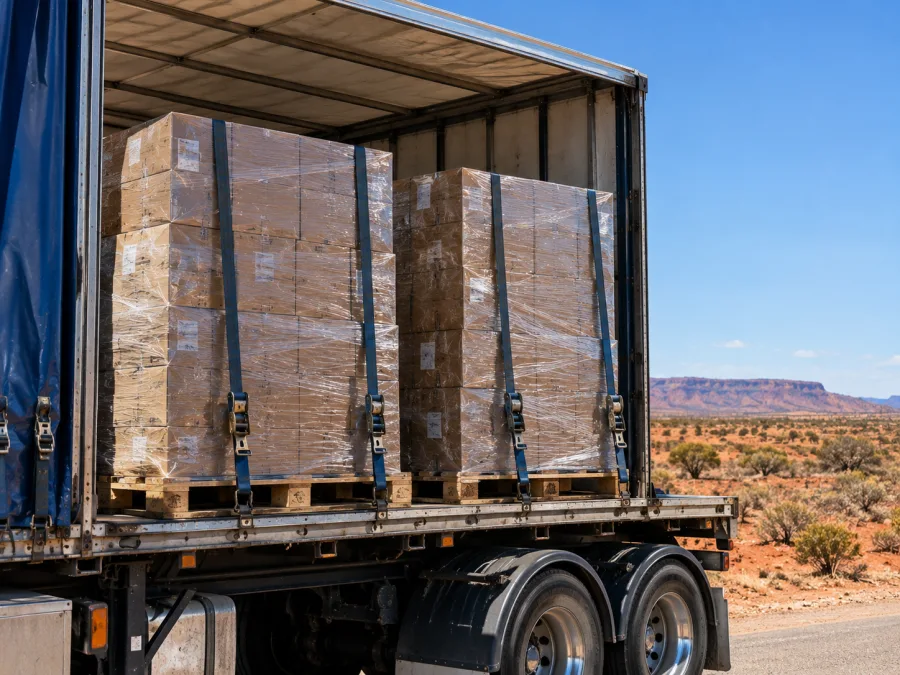
Palletised & General Freight
Standard and oversize pallets consolidated for the long run south and east, delivered into the Western Sydney distribution belt.
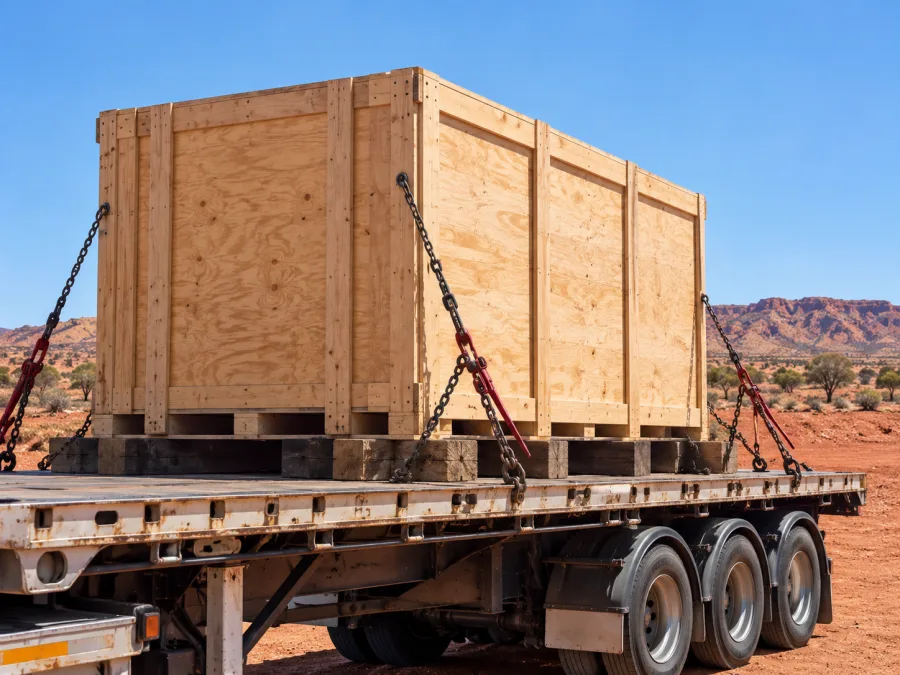
Machinery, Plant & Equipment
Crated components and plant heading south for repair, overhaul or relocation. Freight that needs space rather than speed.
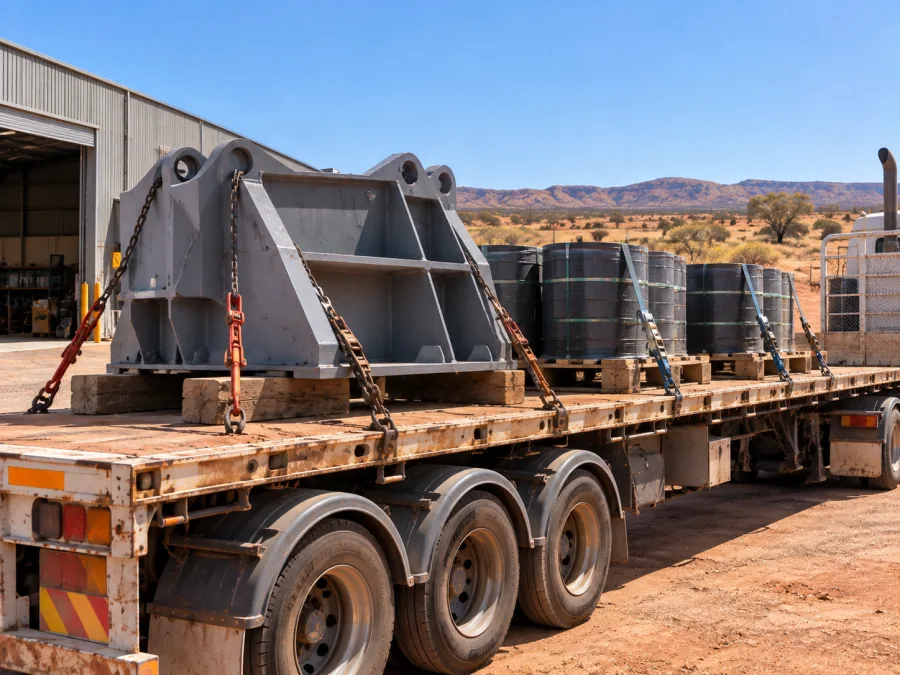
Mining & Resources Equipment
Equipment and componentry from Territory operations heading to southern workshops and suppliers.

Retail & E-Commerce Stock
Warehouse transfers and stock moving between the Top End and the southern distribution network.
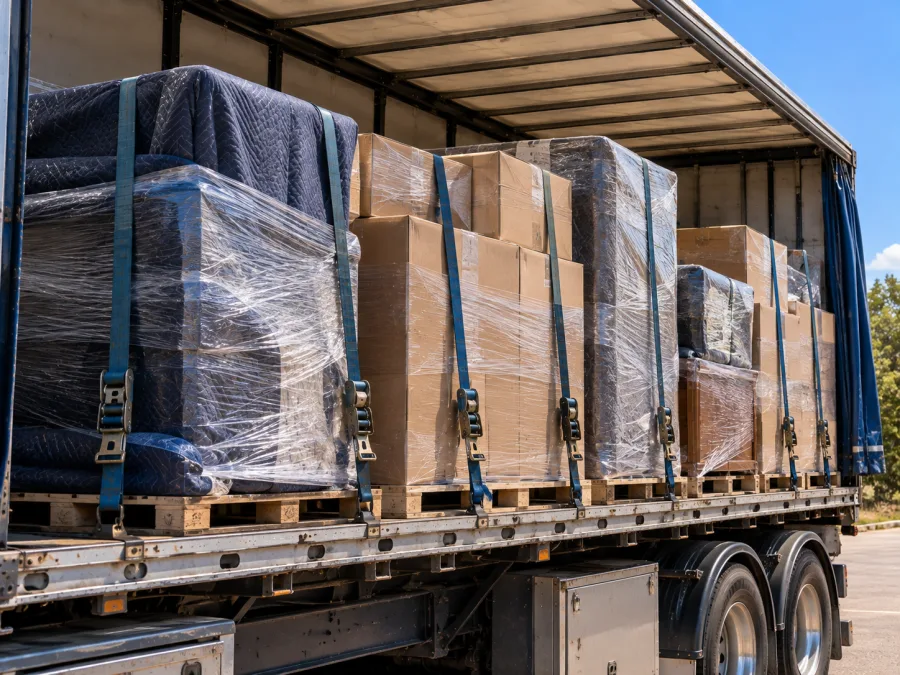
Relocations & Household Effects
Palletised and crated effects for people and businesses moving from the Top End to New South Wales.

Cars & Light Vehicles
Relocations, fleet moves and dealer transfers. Tell us if it does not start, because a non-runner needs winching.
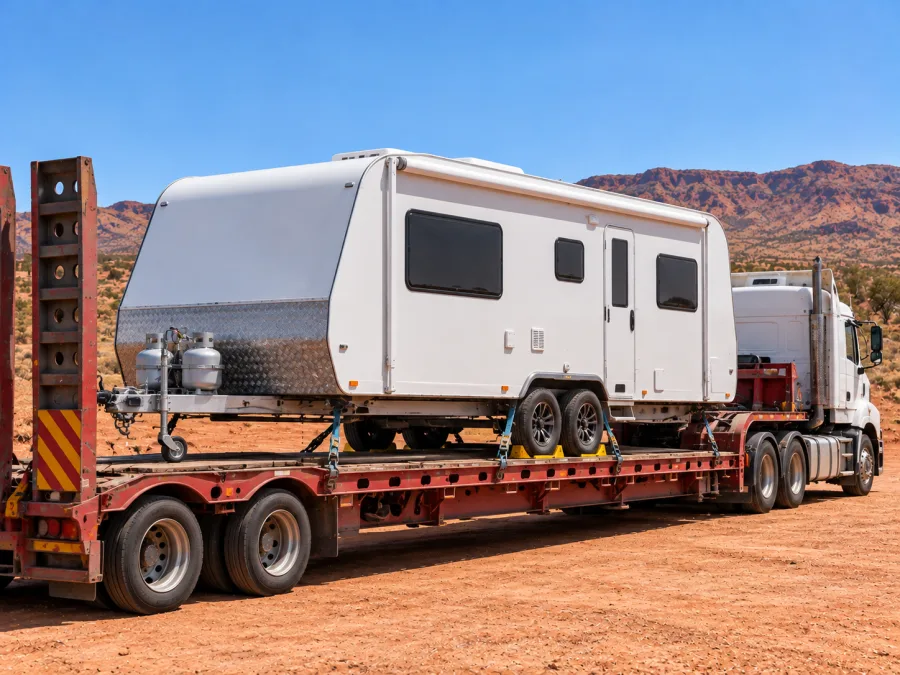
Caravans, Campers & Boats
Vans and hulls heading south after the dry season. Give us length, height, weight and registration status.
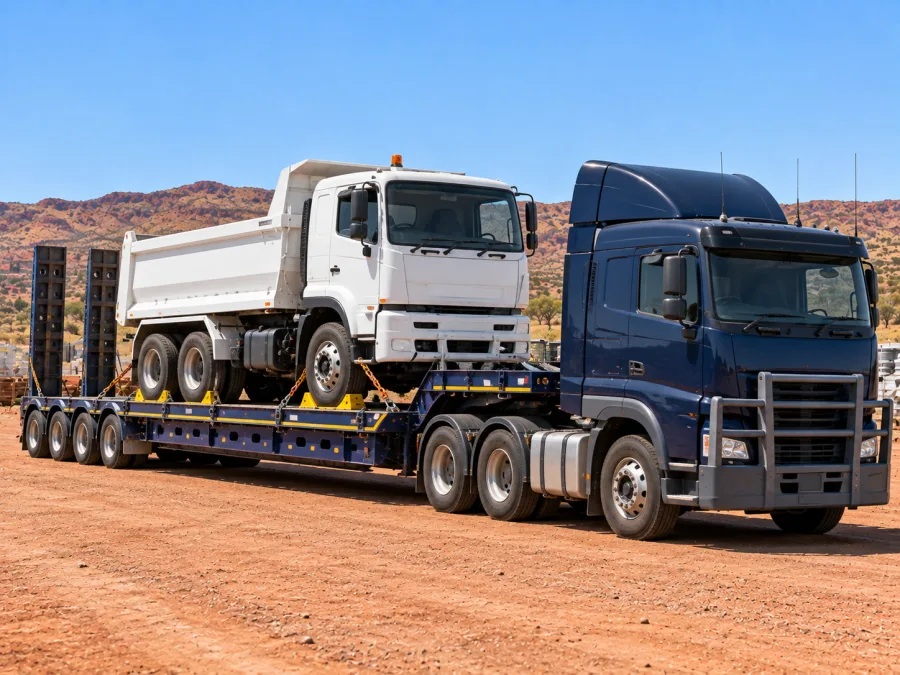
Trucks, Trailers & Plant
Relocated the length of the country, driven, towed or floated depending on registration and dimensions.
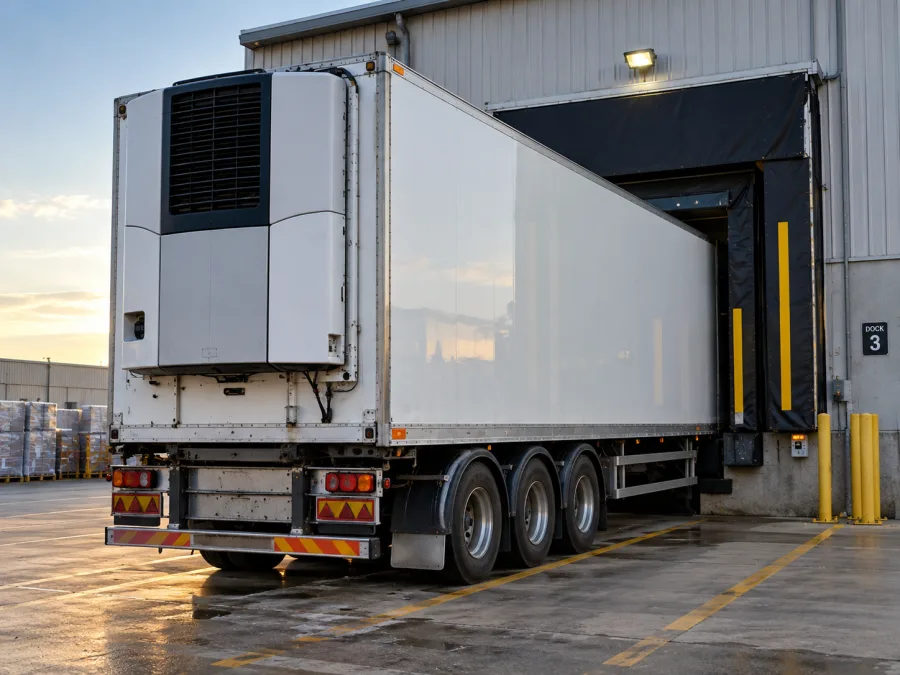
Chilled & Temperature-Controlled
Set-temperature capacity across nearly a week and some of the hottest country in Australia.
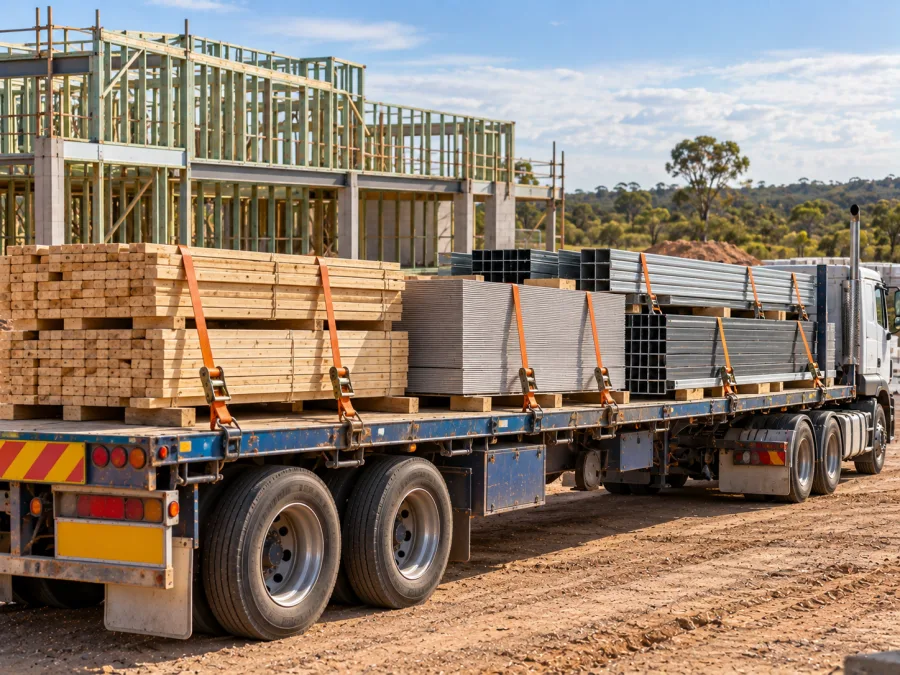
Building & Construction Materials
Fixings, framing, cladding and site consumables, travelling in both directions.
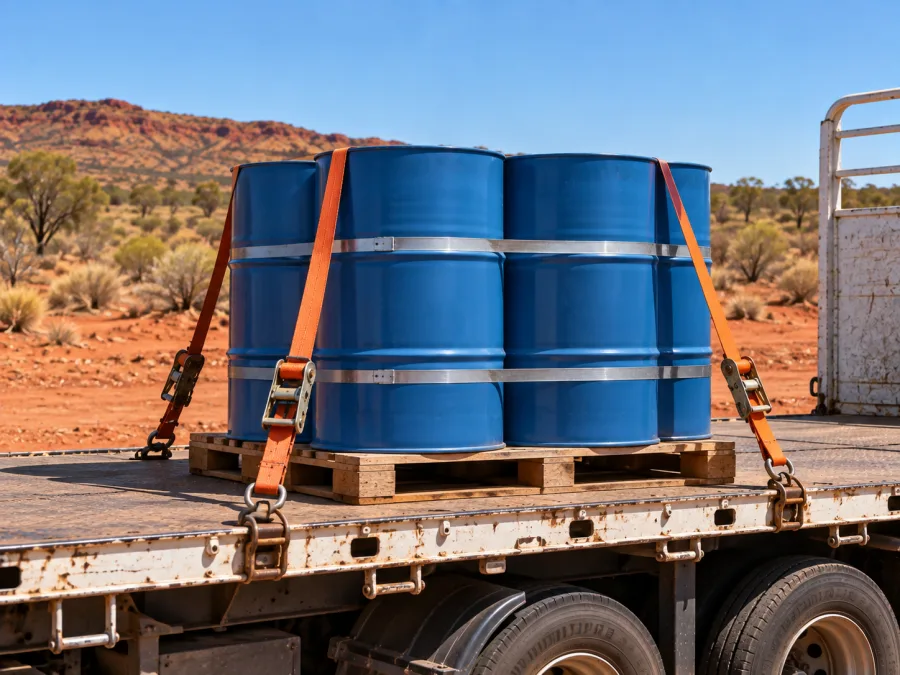
Dangerous Goods
Approved classes with correct documentation, segregation and placarding across three jurisdictions. UN number and class at quote stage.
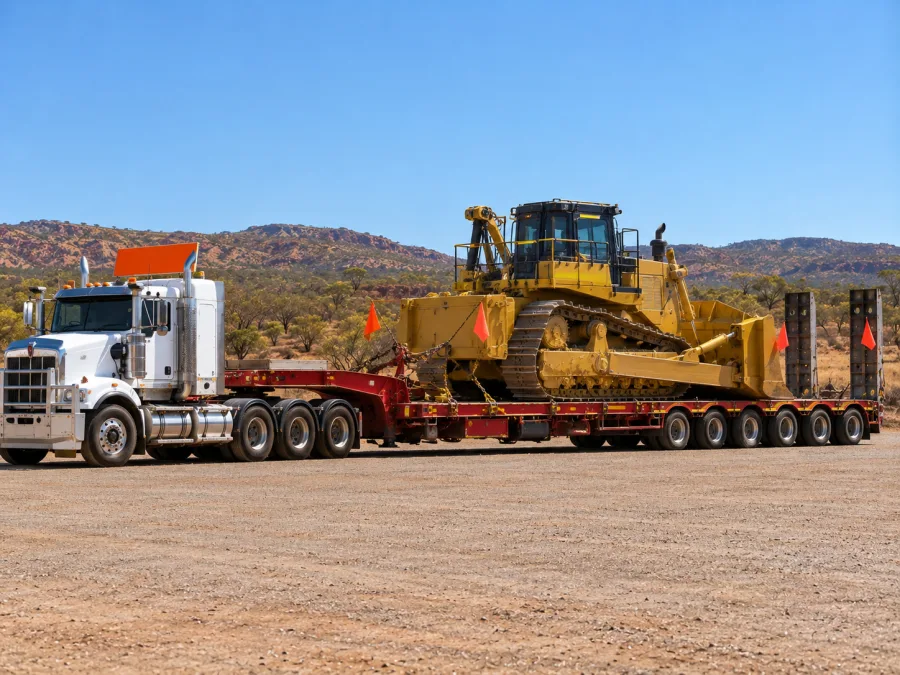
Oversize & Heavy Haulage
Over-dimensional and over-mass loads on permit across the Territory, South Australia and New South Wales. Long lead times.
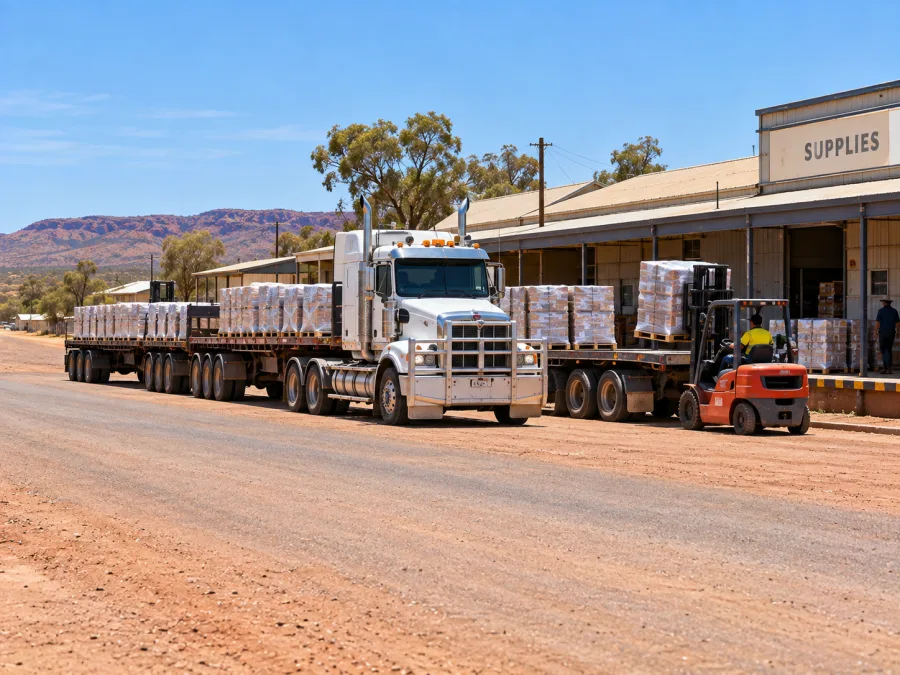
Regional Drops En Route
Katherine, Tennant Creek, Alice Springs, Coober Pedy, Port Augusta and the western New South Wales towns.
Why choose Ozcoast for Darwin to Sydney
We Plan From the Sydney End Backwards
The dock slot sets the schedule, not the departure time.
We Book the Western Sydney Window
Eastern Creek, Wetherill Park, Prestons. Give us the slot and the run is built to hit it.
Road Trains Where They Belong
Multi-trailer combinations on the Stuart keep the cost per tonne sensible.
Straight About the Wet
November to April the northern Stuart can close and there is no detour. We plan for it.
Honest About Southbound Volume
Darwin sends less than it receives. Flexibility on timing genuinely saves money.
Drops the Whole Way Down
Katherine, Alice Springs, Port Augusta and beyond. Far cheaper than a separate run.
A Name and a Direct Line
One coordinator for a week-long journey across the country.
Collection & delivery areas
Darwin CBD, Berrimah, East Arm, Winnellie, Palmerston and the greater Darwin region
Sydney CBD, Parramatta, Eastern Creek, Erskine Park, Wetherill Park, Prestons, Silverwater, Botany and Western Sydney
Frequently asked questions
How long does freight take from Darwin to Sydney?
Why does the Sydney delivery window matter so much?
Do you deliver to Western Sydney distribution centres?
What happens during the wet season?
Why is southbound freight from Darwin priced the way it is?
Can you drop freight at towns along the way?
Can you move a vehicle or caravan south?
Can you hold temperature over a run this long?
Are road trains used on this route?
Can you move oversize loads on this lane?
Get a quote for Darwin to Sydney
Tell us what you are moving and we will send a clear, itemised quote with no obligation, usually within business hours.