
Darwin to Alice Springs Road Freight
Darwin to Alice Springs runs 1,500 km straight down the Stuart Highway, from the monsoonal Top End to the arid centre, and it is the only corridor connecting the Territory's two main centres. There is no city at either end in the way there is on a capital-to-capital lane, which changes how freight is planned. Ozcoast Logistics runs this corridor in both directions on a regular schedule, carrying everything from a single pallet through to a full trailer, and we plan each consignment around your budget and your deadline.
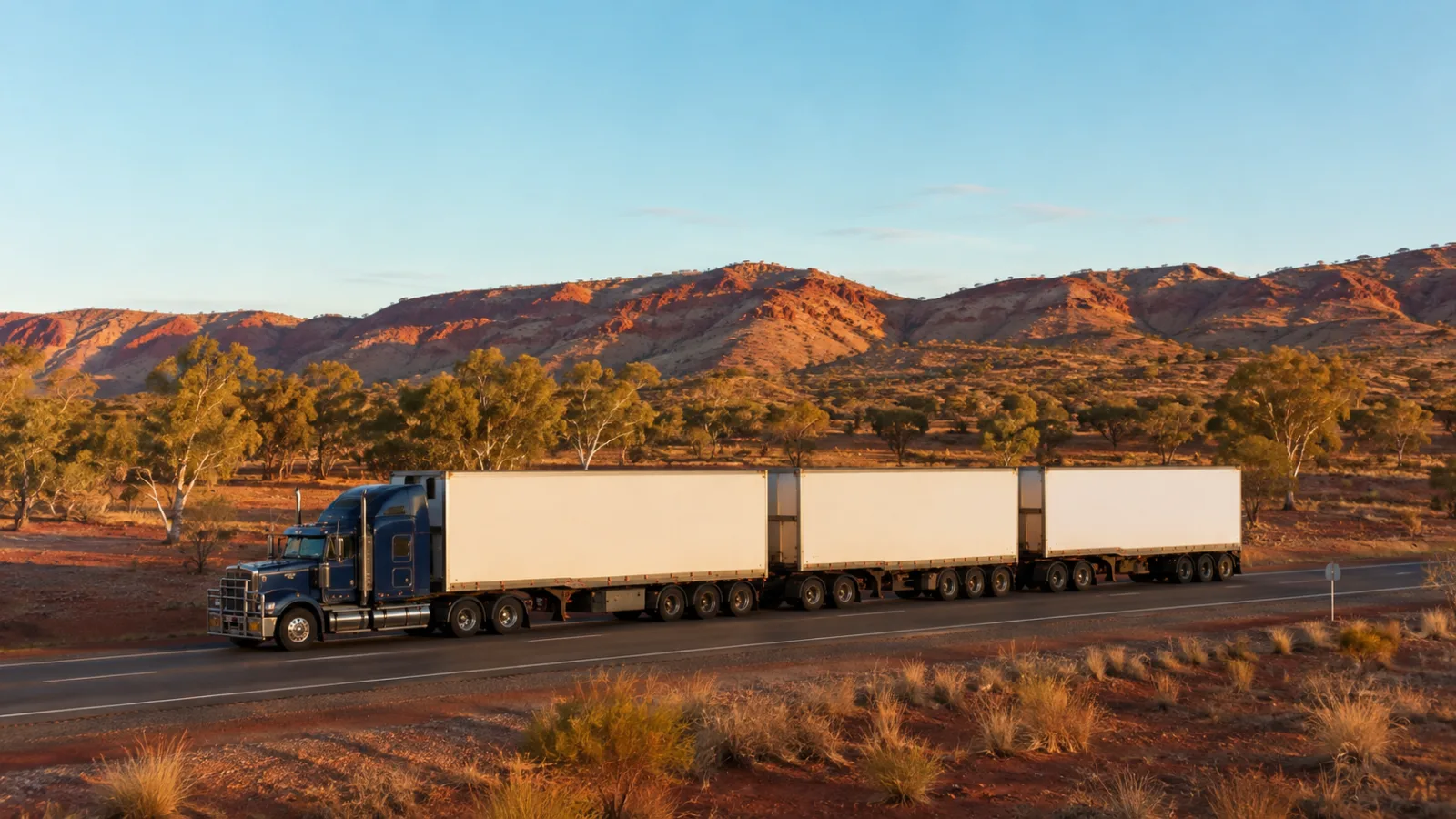
The Darwin to Alice Springs corridor
This is one road, and there is no alternative to it. Freight leaves Darwin heading south on the Stuart Highway through Adelaide River, Katherine, Mataranka, Daly Waters, Elliott and Tennant Creek, then on through Ti Tree to Alice Springs. Around 1,500 km, roughly nineteen hours of driving, which is more than a single driver can legally cover in a shift, so the run is planned across two days with a proper changeover.
What makes this corridor unlike the interstate lanes is that neither end is a metropolitan freight market. Darwin is a port and government city that imports most of what it consumes. Alice Springs is a service centre for central Australia with no port and no significant manufacturing. Neither generates the outbound volume a capital does, so consolidation on this lane depends on what is moving through the Territory as a whole rather than what happens to be leaving one city on a given day.
The towns in between matter more here than en-route drops usually do. Katherine, Tennant Creek and the smaller centres are genuine destinations rather than waypoints, and a good share of what travels this corridor is going to one of them rather than the full distance. Katherine in particular is a junction town, where the Victoria Highway heads west toward Kununurra. Tell us the actual destination when you book, because a delivery two-thirds of the way down is a different job from one that runs the whole way.
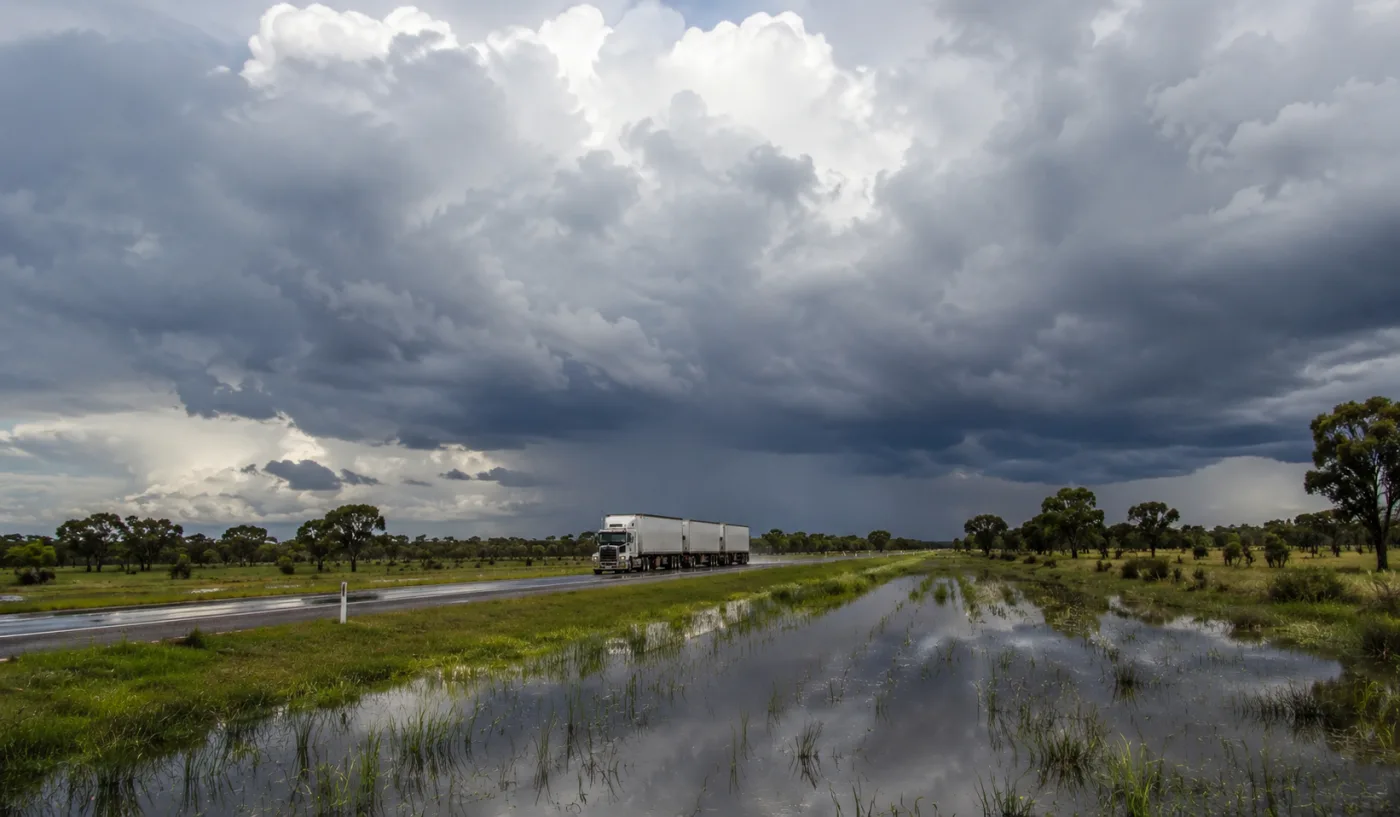
The two ends sit in genuinely different climates, and the wet season is the reason to care. From roughly November to April, monsoon rain and flooding affect the Top End, and the northern half of the Stuart can be cut for days when a system sits over the region. The southern half, through the arid centre, is far less exposed but gets extreme summer heat instead, which matters for anything temperature-sensitive. Through those months we build extra time into quotes and tell you early if a delivery is at risk.
Road trains do the heavy work on this corridor and are what keep the cost per tonne sensible over 1,500 km. Combinations break down for delivery at either end.
Smaller consignments travel as part loads so you pay for the deck space you use. Full loads and time-critical freight take a dedicated vehicle. One coordinator owns your job from pickup to proof of delivery, with a direct line, which matters more when the freight is a long way from anywhere.
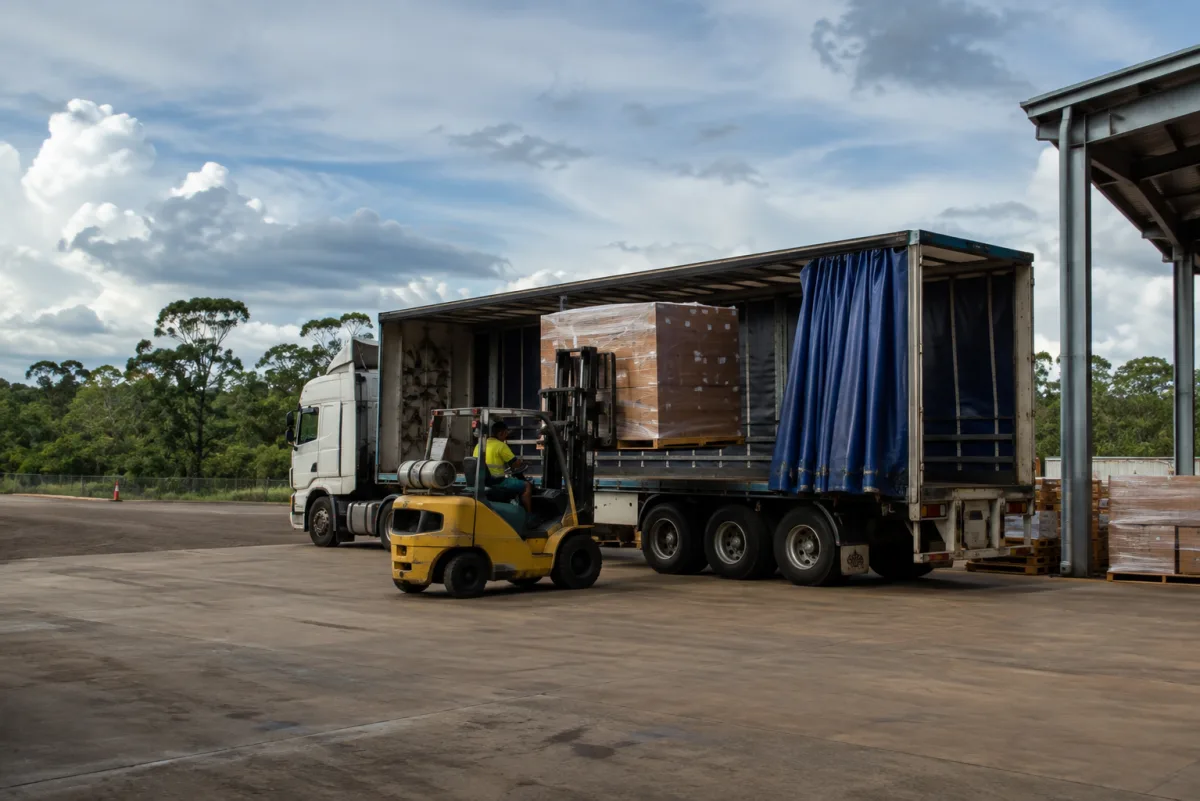
One Road, No Alternative
Why the Stuart Highway shapes everything on this lane
There is exactly one sealed road between Darwin and Alice Springs, and understanding what that means is most of what separates a carrier who runs this corridor from one who quotes it.
The Stuart Highway is the Territory's spine. It carries effectively all the road freight between the two centres, and when a section of it closes there is no parallel route to divert onto. On the eastern seaboard a highway closure means a detour and a delay. Here it means waiting.
The exposure is not evenly spread. The northern half, from Darwin down through Katherine and Mataranka, sits in monsoon country, and through the wet season roughly November to April, heavy rain and flooding can cut the road for days at a time. The southern half through the arid centre is far less prone to closure, though it brings its own problem in the form of extreme summer heat.
So we plan this lane conservatively rather than optimistically, particularly through the wet. We quote a window we can hold rather than the best possible outcome, we watch conditions on the northern half instead of assuming, and if a delivery is genuinely at risk we tell you while there is still time to make a decision.
For freight that is time-critical in February, the honest conversation is worth having before you book rather than after. Most of the year the corridor runs predictably and quickly. When it does not, it is not a matter of trying harder.
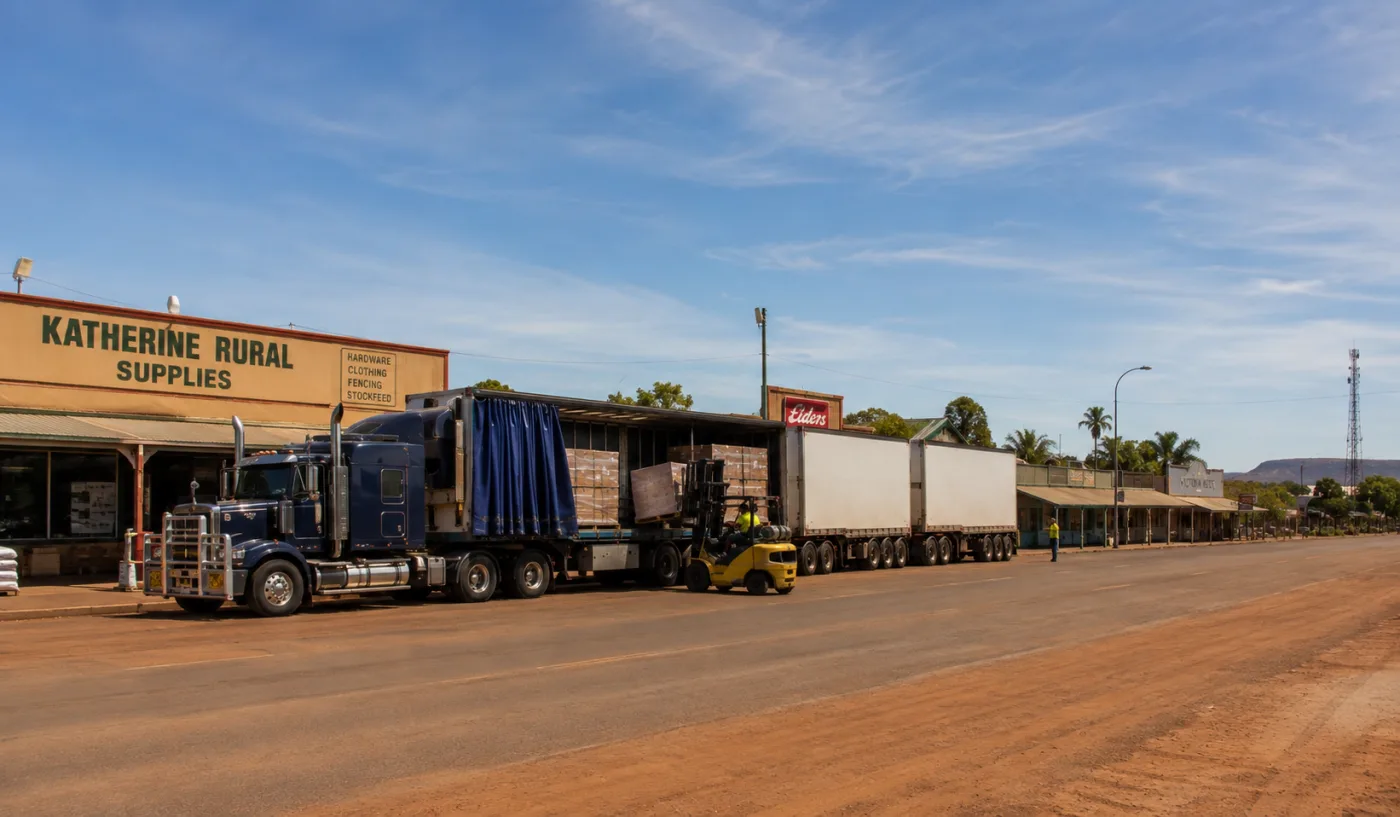
The Towns in Between Are Destinations
Katherine, Tennant Creek and the freight that stops short
On most long lanes the towns along the way are incidental. On this one they carry a real share of the freight, and treating them as waypoints is a mistake.
Katherine sits around 320 km south of Darwin and is a genuine regional centre in its own right, with cattle country around it, horticulture, a defence presence and a substantial supply task. It is also a junction: the Victoria Highway heads west from here toward Kununurra and the Kimberley, so freight bound for Western Australia's north often passes through rather than around.
Tennant Creek, roughly two-thirds of the way down, is the other significant stop and the junction with the Barkly Highway running east to Mount Isa and Queensland. Mining and pastoral supply moves through it in both directions.
Between and beyond them sit Mataranka, Daly Waters, Elliott, Ti Tree and the smaller centres, plus the stations and communities off the highway that draw their supply from these towns.
The practical consequence is that we want the real destination at booking, not the nearest city. A delivery to Katherine is a different job from one to Alice Springs, priced differently and planned differently, and freight going to a station off the highway needs access and unloading arrangements confirmed before we load rather than worked out at a gate.
What we carry on this route
This corridor carries the supply of two remote centres and everything between them. These are what we move most often. If yours is not here, ring us, and tell us the real destination rather than just the city.
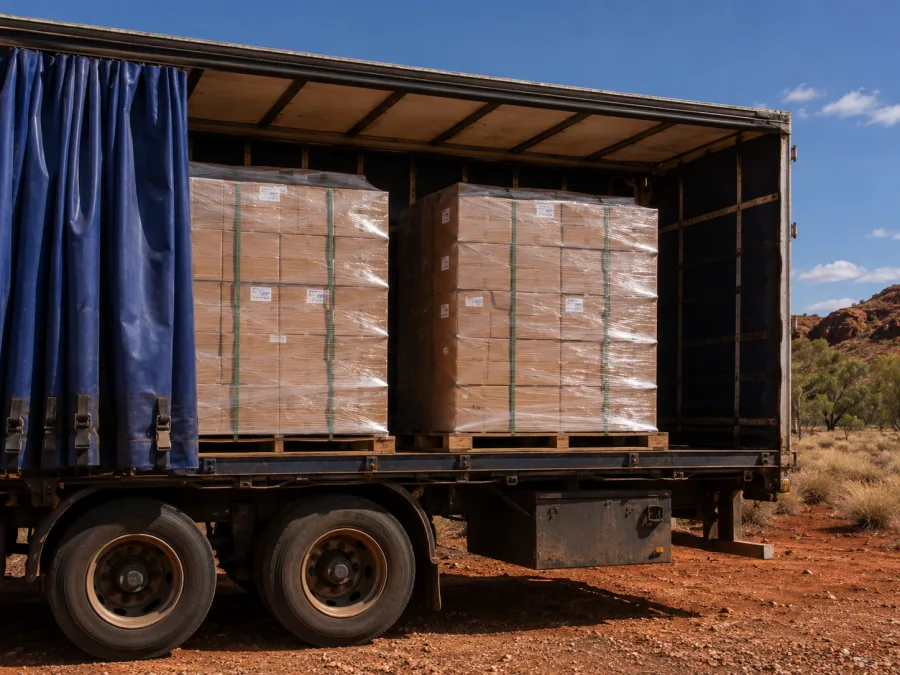
Palletised & General Freight
Standard and oversize pallets out of Berrimah, East Arm and Winnellie, consolidated for the run south.
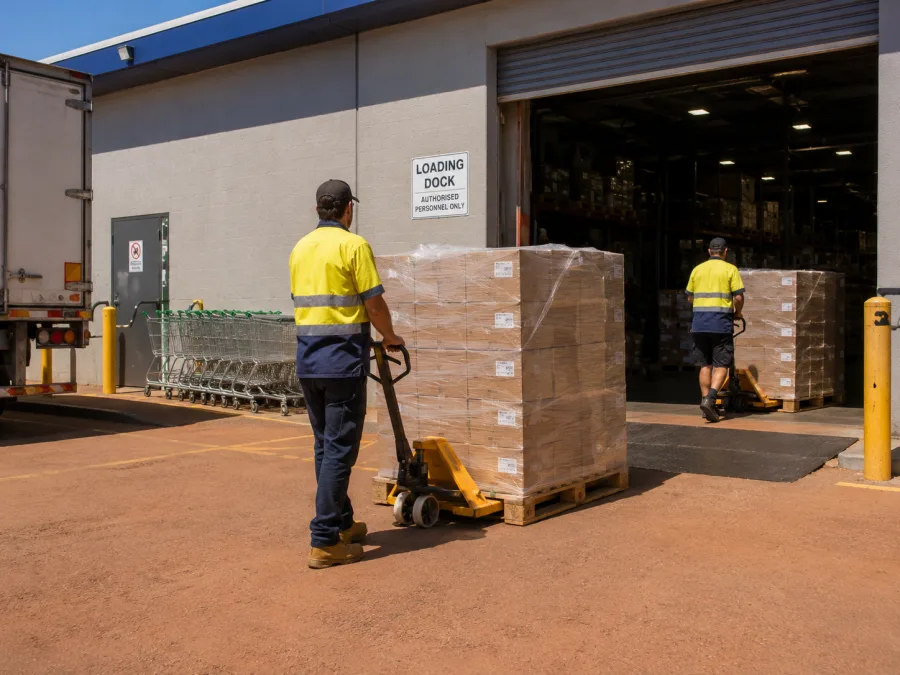
Retail & Grocery Replenishment
Store and supermarket stock for Alice Springs, Katherine, Tennant Creek and the smaller centres. Critical where there is no alternative supplier.
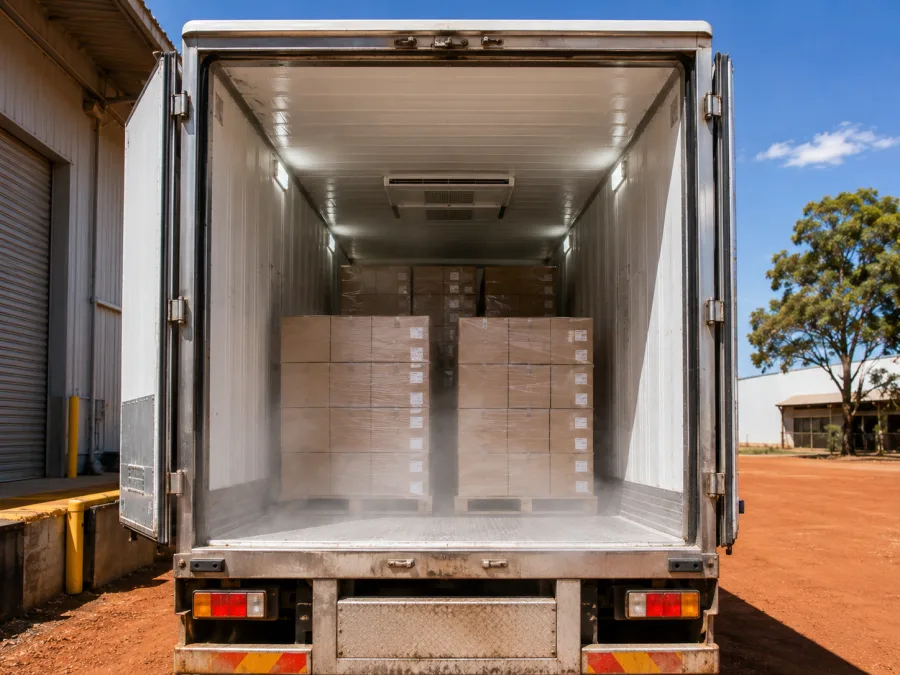
Chilled & Temperature-Controlled
Set-temperature capacity holding condition across two days of Territory heat. The hardest freight on this lane.
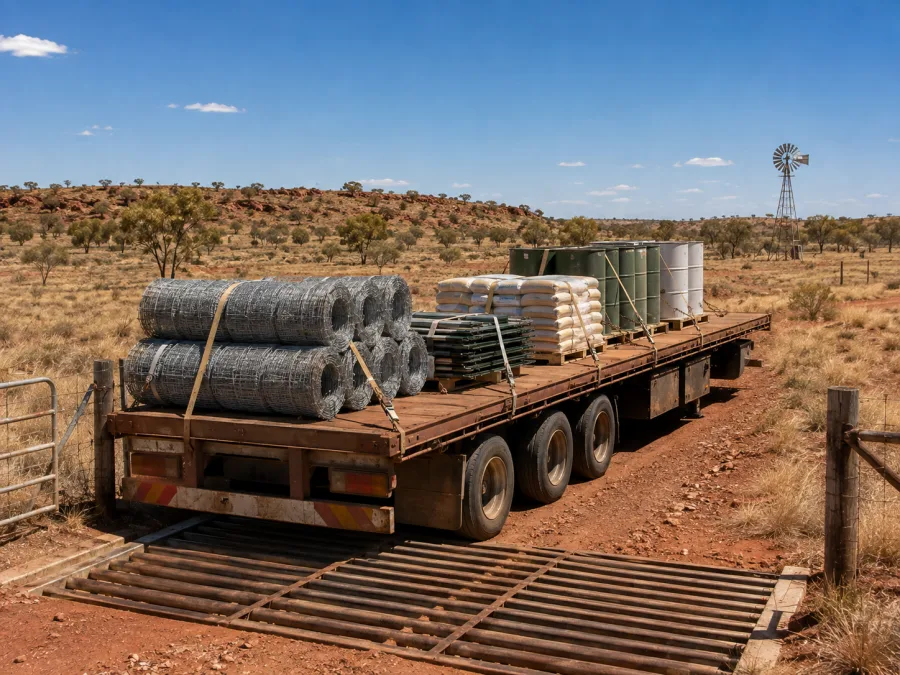
Station & Pastoral Supply
Fencing, feed, water gear, animal health product and machinery parts for the cattle country along the corridor.
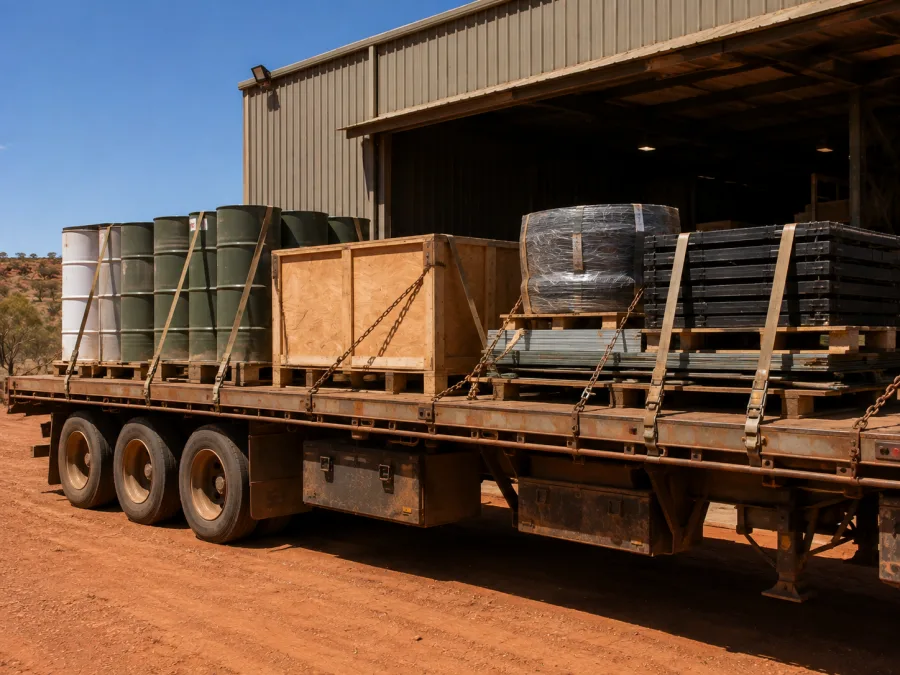
Mining & Resources Supply
Consumables, spares and equipment for the operations across central Australia and the Barkly.
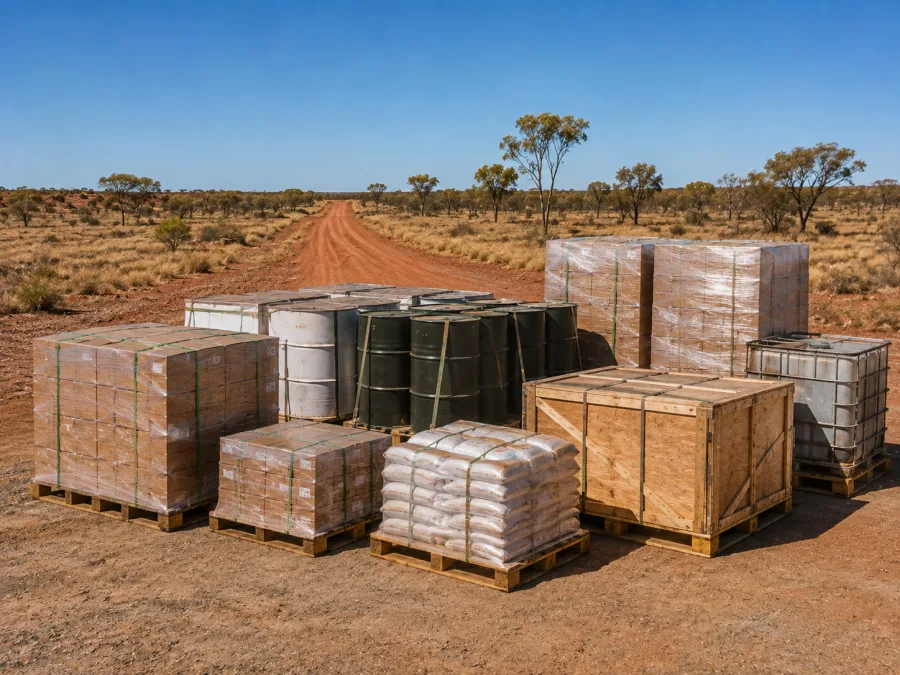
Remote Community Supply
Freight staged in Alice Springs, Katherine or Tennant Creek for onward delivery to communities off the highway.
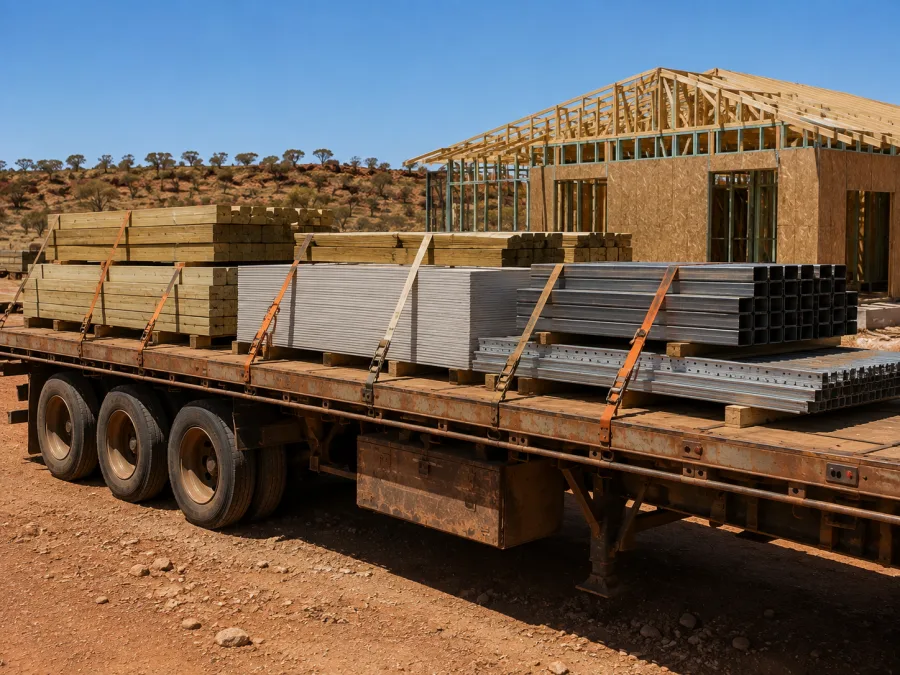
Building & Construction Materials
Fixings, framing, cladding and site consumables for both centres and the towns between.
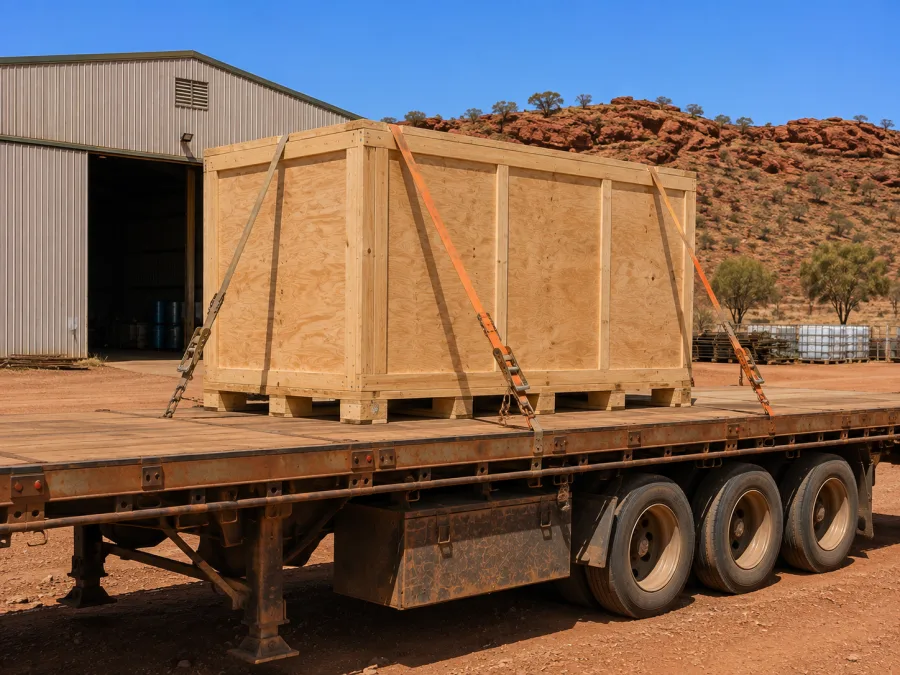
Machinery, Plant & Equipment
Crated components and plant for Territory industry and pastoral operations. Lift and access confirmed before we load.
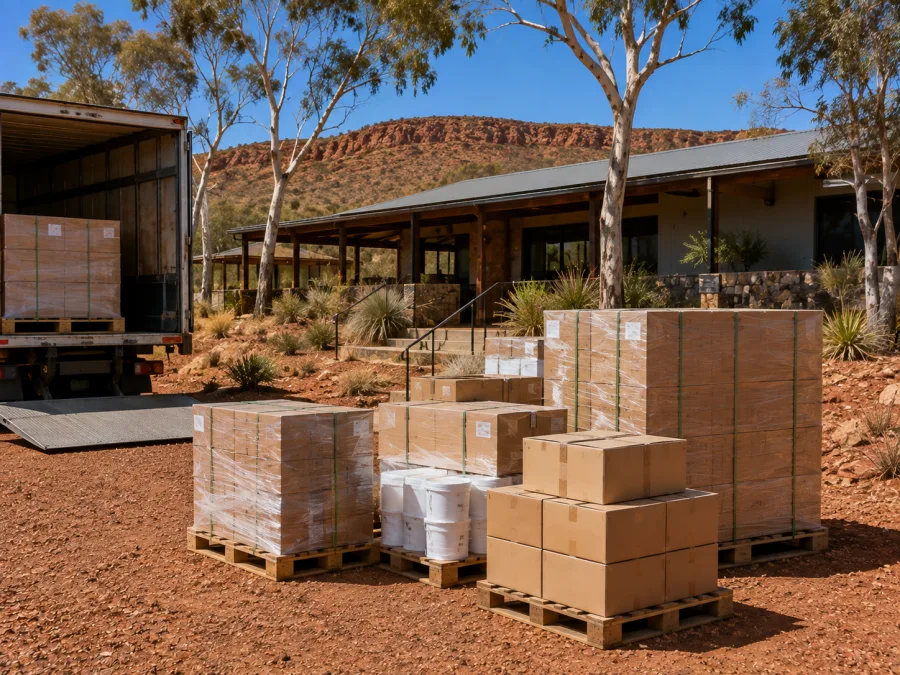
Tourism & Hospitality Supply
Stock and equipment for the accommodation and tour operators serving Uluru, the West MacDonnells and the centre.
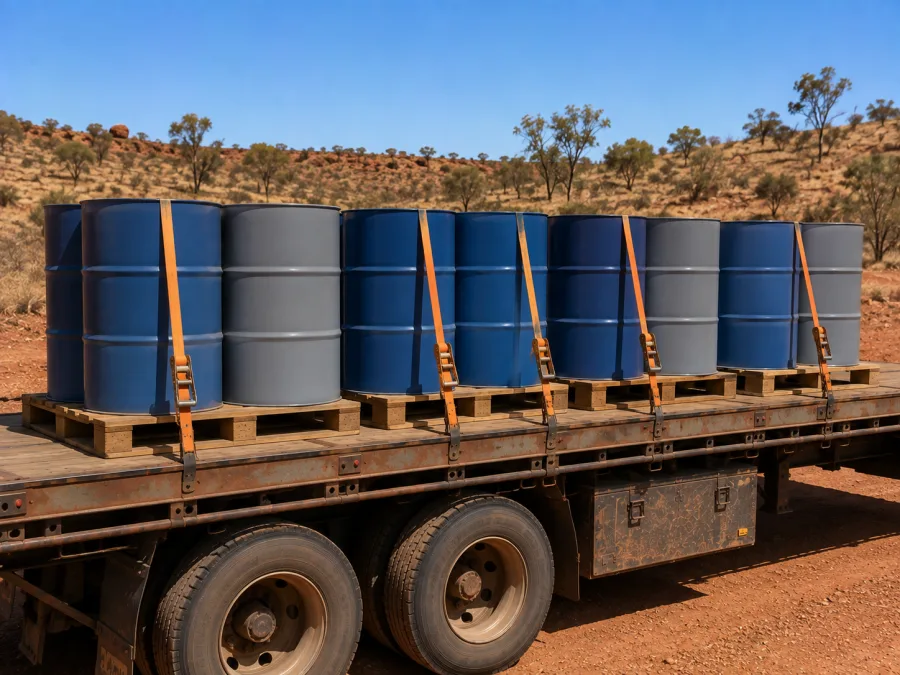
Fuel, Lubricants & Bulk Consumables
Drummed and packaged product for stations, mines and remote operations, with the documentation each load requires.
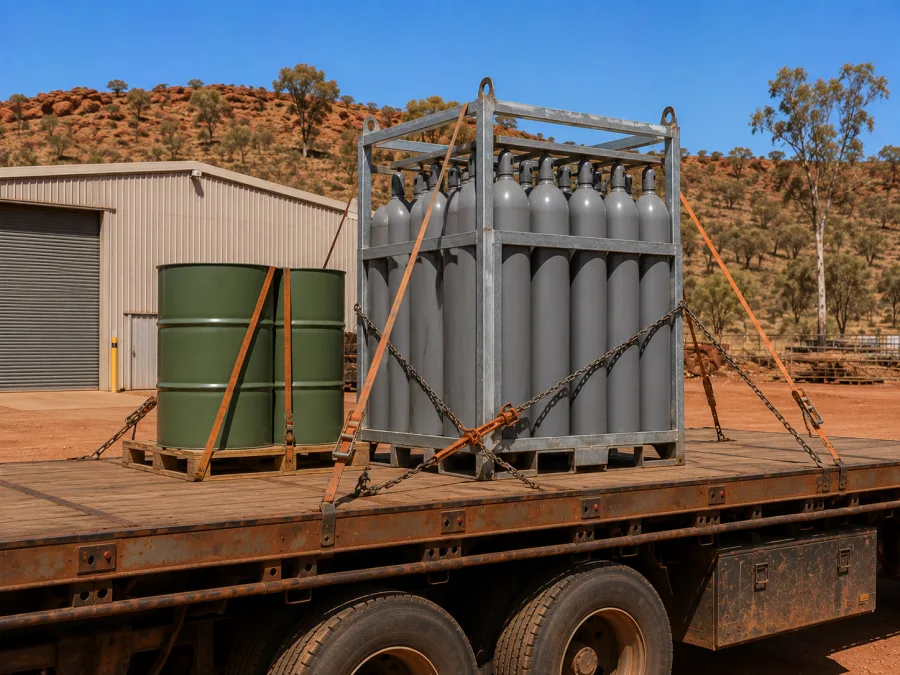
Dangerous Goods
Approved classes with correct documentation, segregation and placarding. UN number and class at quote stage.
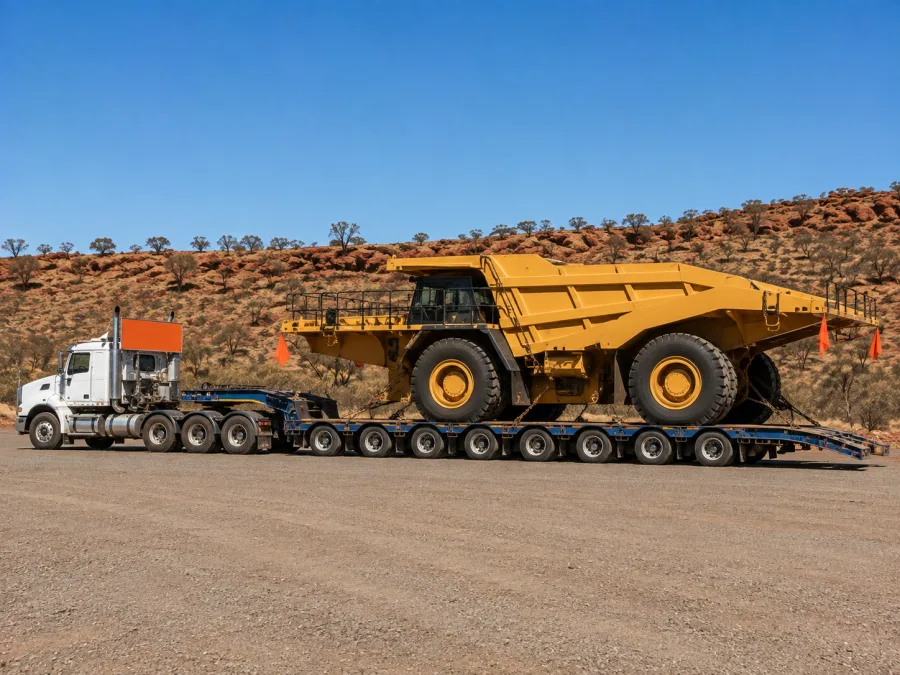
Oversize & Heavy Haulage
Over-dimensional and over-mass loads on permit within the Territory. Send dimensions and mass early.
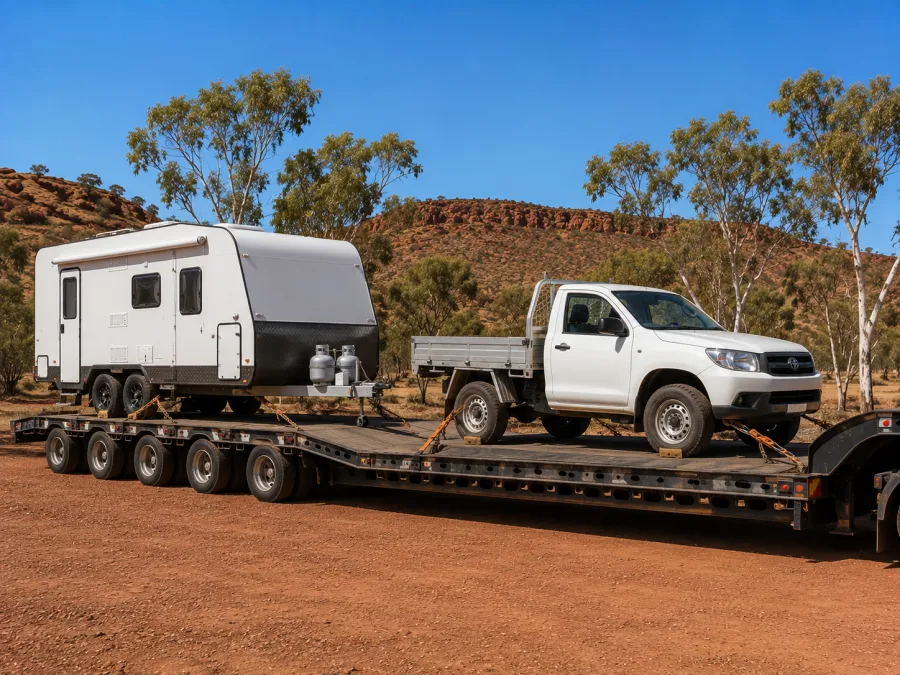
Cars, Caravans & Trailers
Vehicles and vans moving between the Top End and the centre, particularly through the dry season.
Why choose Ozcoast for Darwin to Alice Springs
Two Days, Not Five
1,500 km planned properly with a changeover. We quote what it actually takes.
Straight About the Wet
The northern half is exposed and there is no detour. We plan for that and tell you early.
The Towns in Between Are Real Stops
Katherine, Tennant Creek and the smaller centres, priced as destinations rather than add-ons.
Road Trains Where They Belong
Multi-trailer combinations keep the cost per tonne sensible over a run this long.
Cold Chain Through Territory Heat
Two days in the centre is a real test. Tell us the tolerance and we bring the right gear.
Station Access Sorted First
Properties off the highway need arrangements made before the truck arrives.
A Name and a Direct Line
One coordinator, start to finish, on a lane where that counts most.
Collection & delivery areas
Darwin CBD, Berrimah, East Arm, Winnellie, Palmerston and the greater Darwin region
Alice Springs, Ciccone, Sadadeen, Ti Tree, Yulara and central Australia
Frequently asked questions
How long does freight take from Darwin to Alice Springs?
What happens if the Stuart Highway is cut?
Can you deliver to Katherine or Tennant Creek?
Can you hold temperature across two days in the Territory?
Can you deliver to a station or remote community?
Do you carry freight from Alice Springs back to Darwin?
Are road trains used on this route?
How is a part load priced on this route?
Can you move oversize loads on this lane?
Do you carry dangerous goods on this lane?
Get a quote for Darwin to Alice Springs
Tell us what you are moving and we will send a clear, itemised quote with no obligation, usually within business hours.