
Darwin to Hobart Freight, Road and Ferry Arranged
Darwin to Hobart is the longest and most complex lane we run: roughly 4,600 km of road from the tropics to the southern edge of the country, plus a sea crossing, because Tasmania is an island and there is no road across Bass Strait. Ozcoast Logistics coordinates the whole move end to end, road and ferry, under one booking and one coordinator. It is also the lane where we are most likely to tell you honestly that road is not the right answer for your particular freight.
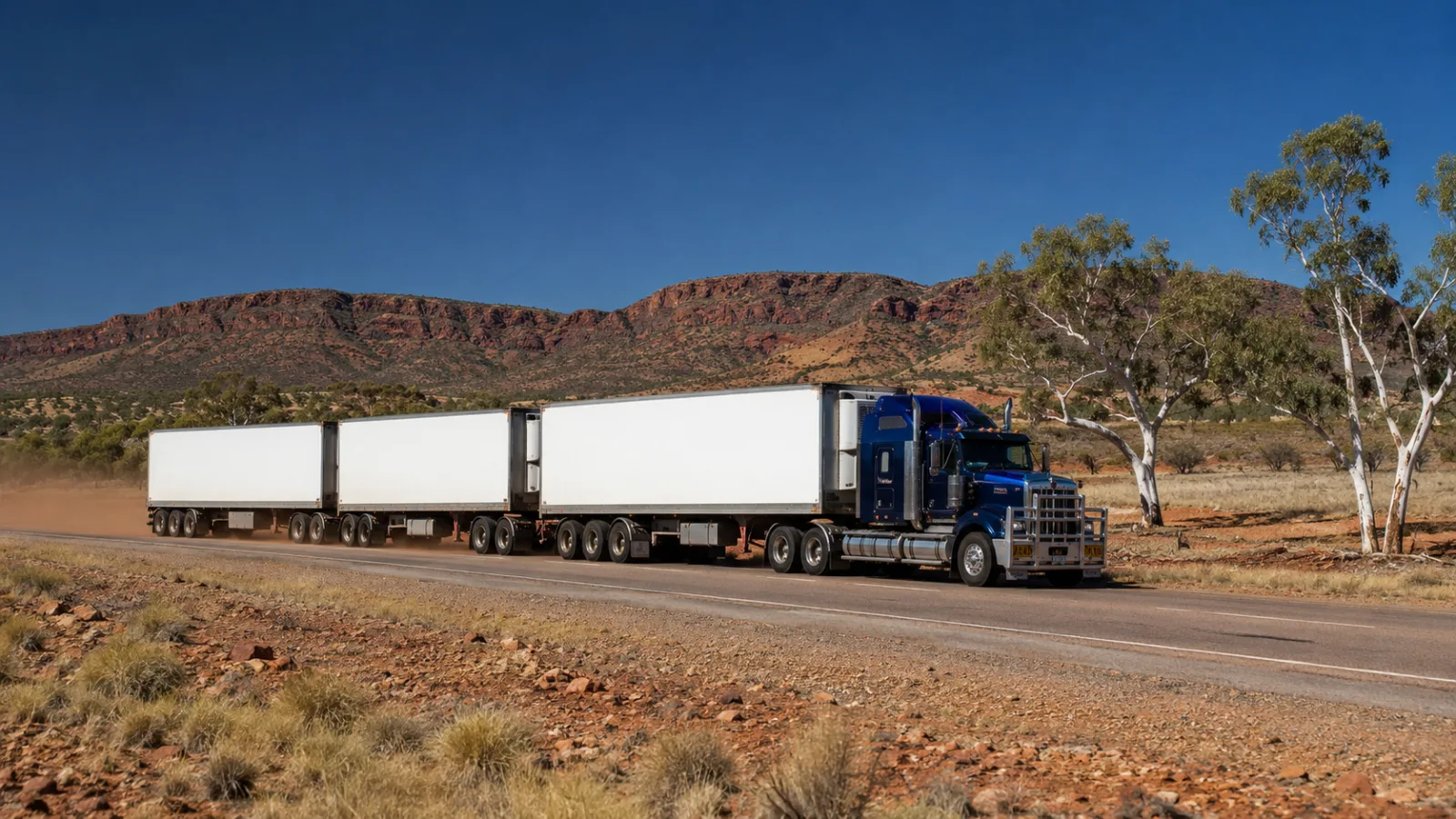
The Darwin to Hobart corridor
This is four movements planned as one job, and the scale of it is worth stating plainly before anything else.
Freight leaves Darwin heading south on the Stuart Highway through Katherine, Tennant Creek and Alice Springs to Port Augusta, then continues to Adelaide. From there it runs east to the ferry terminal at Geelong. That mainland leg alone is roughly 4,600 km, which is more than a week of driving under fatigue law once weekly work limits are counted. Then comes the Bass Strait crossing on a scheduled service, and finally around 280 km down the Midland Highway to Hobart.
Two things follow from that. The first is that the transit is genuinely long and we will not pretend otherwise. Eight to eleven business days is the realistic window for consolidated freight, and it depends heavily on how the ready date lines up with a sailing at the far end.
The second is more useful. On a lane this extreme, road is not automatically the right choice, and we would rather have that conversation with you than take a booking that disappoints. For heavy, bulky, non-urgent freight where cost matters more than speed, road works well and the price reflects the shared linehaul. For anything urgent, small and high value, or genuinely time-critical, other options are likely better and we will say so. What road does well here is move things that are too big, too heavy or too awkward for the alternatives, at a cost that makes sense.
The corridor itself is demanding. The Stuart Highway crosses monsoon country in the north and arid country through the centre, with road trains doing the heavy work and long gaps between anything. The wet season, roughly November to April, can close sections of the northern Stuart for days when a system sits over the Top End, and there is no alternative road. Then at the far end, a scheduled sailing that departs whether the truck has arrived or not.
Consolidation is what makes this economically sensible. Freight travels as a share of a full trailer rather than the whole run, and it is likely to be handled at transfer points along the way. A dedicated vehicle end to end is possible but expensive at this distance, and we will quote it honestly rather than steering you toward it.
To be clear about what we do: Ozcoast Logistics is a road freight operator. We handle the road legs and arrange the crossing between them. The sea leg belongs to the ferry operator, not to us.
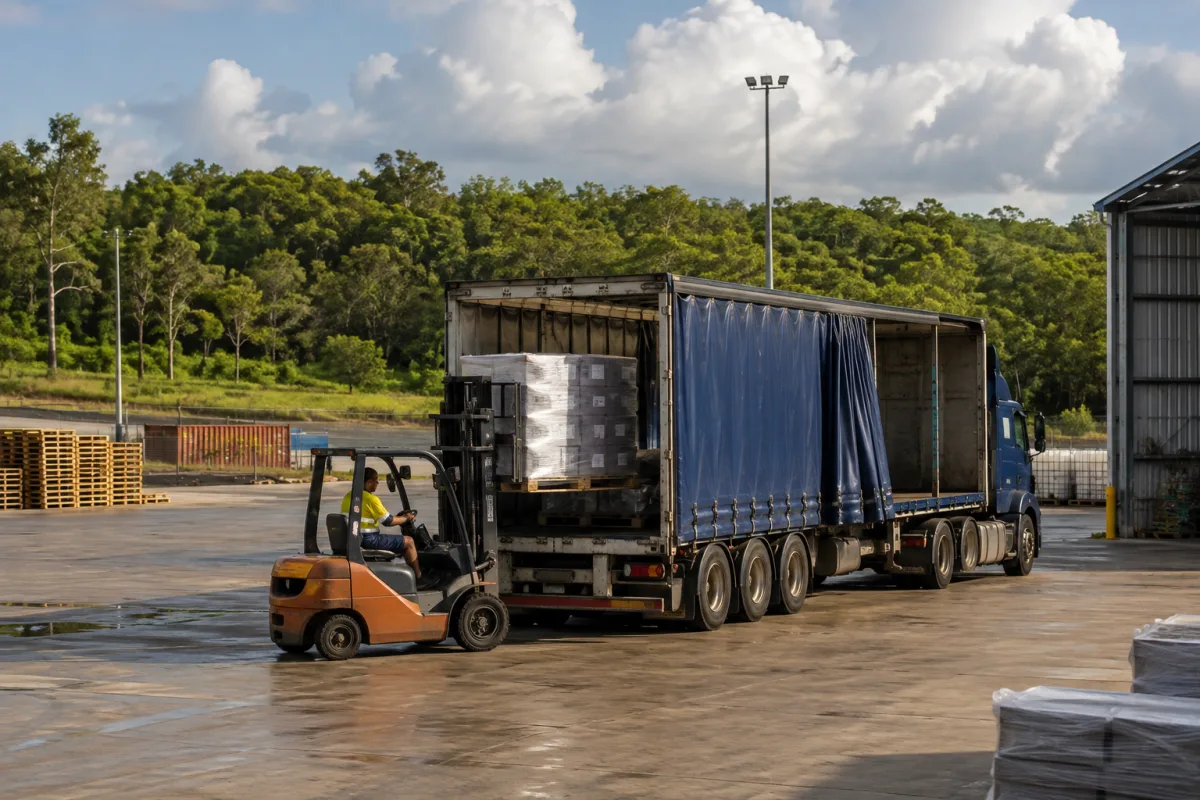
When Road Is the Right Answer, and When It Is Not
The honest conversation about the longest lane in the country
Most freight pages exist to convince you to book. This one exists partly to help you decide whether you should.
Darwin to Hobart is the extreme case: roughly 4,600 km of road plus a sea crossing, from the tropics to the southern edge of the continent. It is a genuinely long time for freight to be in transit, and the honest window is eight to eleven business days for consolidated loads.
Road makes sense here for freight that is heavy, bulky, or awkward enough that the alternatives are impractical or prohibitively expensive. Machinery, palletised volume, vehicles, building materials, anything that occupies space rather than needing speed. On that freight, sharing a trailer across the linehaul makes the cost genuinely reasonable relative to the distance.
Road makes less sense for small, high-value, urgent consignments. If you are sending a few kilograms that must arrive this week, road is the wrong tool and we will tell you so rather than quoting it and letting the timing disappoint you.
There is a middle ground worth discussing too. Some freight is best moved in stages, or is better consolidated with other loads leaving in a fortnight than rushed onto whatever is departing tomorrow. On a lane this long, a fortnight's patience can halve a price.
So tell us what the freight actually is, what it weighs, how urgent it genuinely is, and what your budget looks like. We will give you a straight answer about whether this is the right service, including when the answer is no.
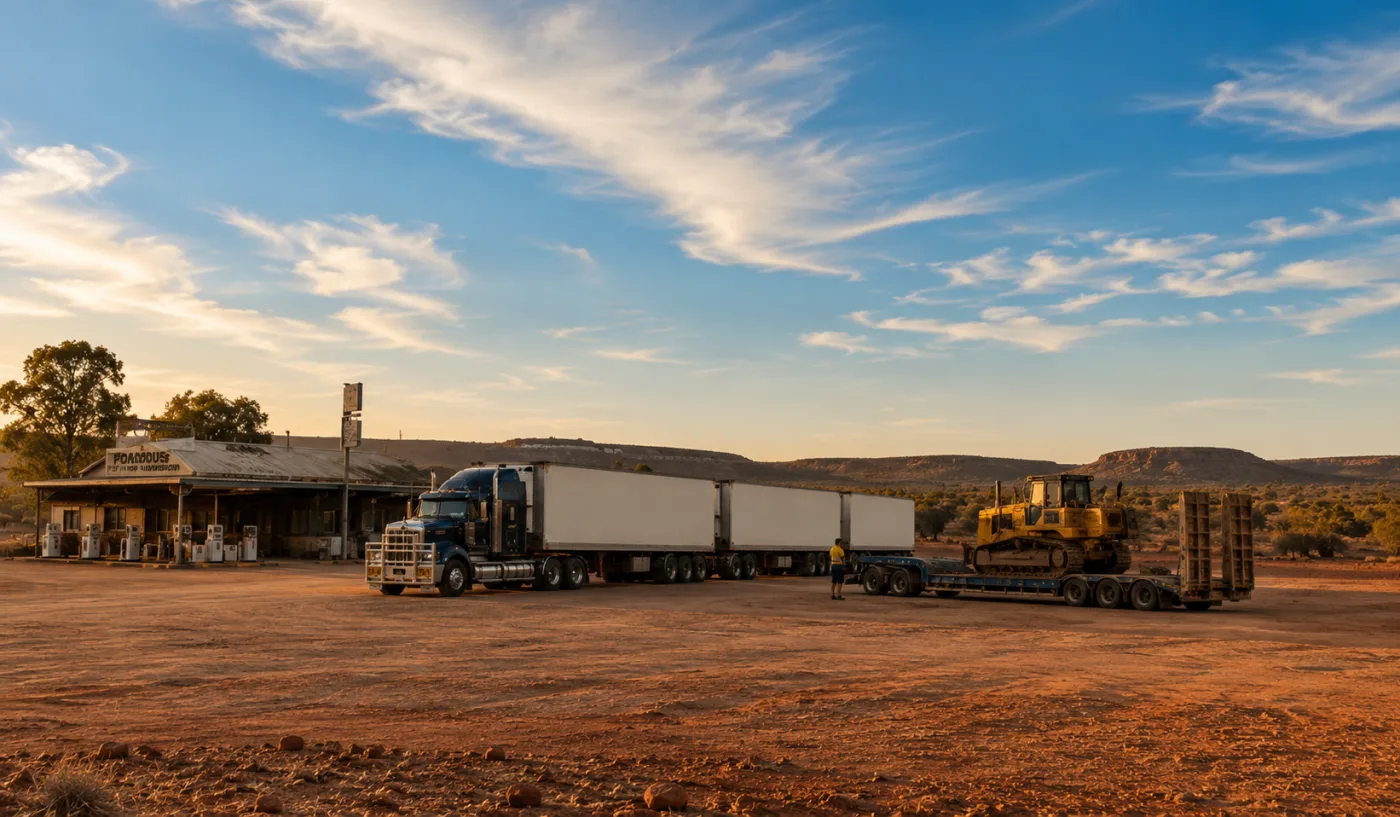
Four Movements, One Booking
How the longest job is actually put together
Understanding how this run is assembled explains both the transit and the price.
The first leg is the Stuart Highway south from Darwin, through Katherine, Tennant Creek and Alice Springs to Port Augusta and on to Adelaide. This is remote road train country, with long distances between fuel and rest and very little in between. It is also the leg most exposed to the wet season, because the northern Stuart can be cut for days between roughly November and April with no alternative route.
The second is the run east from Adelaide to the ferry terminal at Geelong. Adelaide is the natural consolidation point on this corridor, where freight coming down the Stuart is built into loads heading east.
The third is the Bass Strait crossing, which is the fixed point everything else works around. The ferry runs to a schedule, so we plan backwards from a sailing rather than forwards from your pickup. A load that misses its booking waits for the next service.
The fourth is the Tasmanian leg, around 280 km down the Midland Highway from the northern port to Hobart. Short, straightforward, and quick once the freight has landed.
Four legs means several points where timing can slip, which is exactly why the window is honest rather than optimistic. It also means one coordinator matters more here than anywhere: you deal with us across all four rather than chasing four separate arrangements.
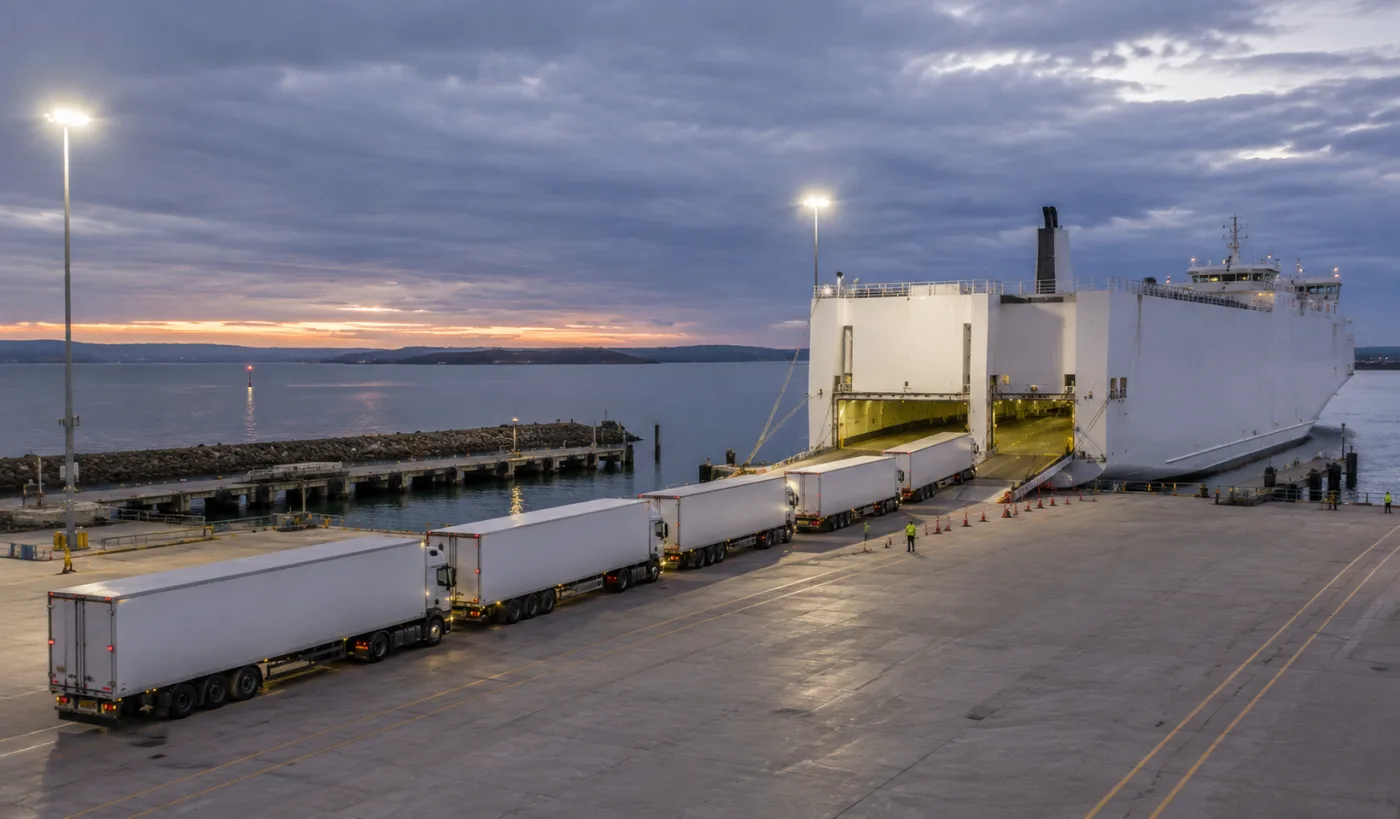
What we carry on this route
This lane suits freight where space matters more than speed. These are what we move most often. If yours is not here, ring us, and tell us honestly how urgent it is, because that changes whether road is the right answer.
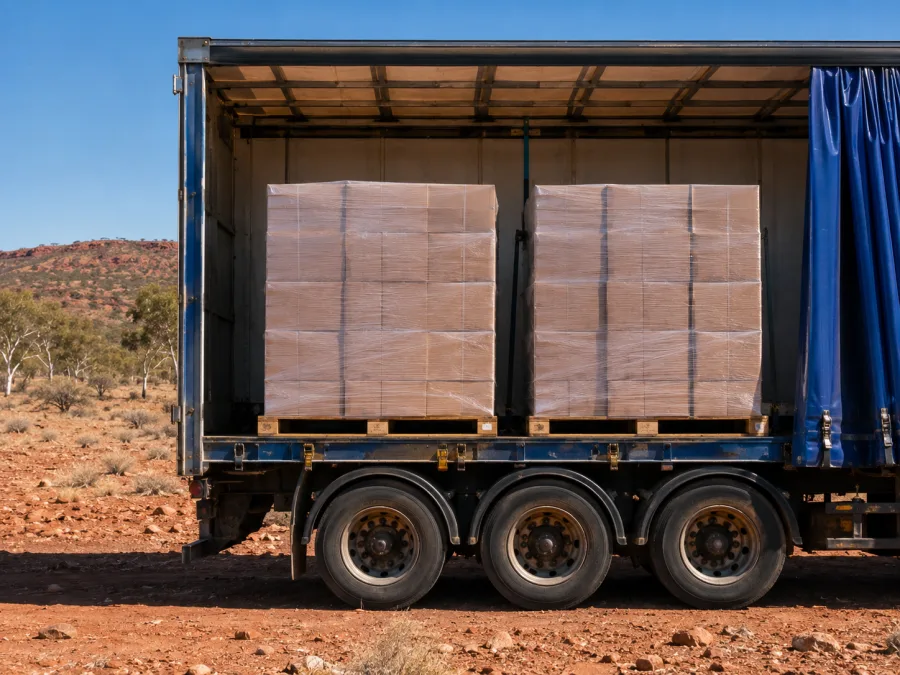
Palletised & General Freight
Standard and oversize pallets consolidated for the long run south and the crossing. Volume freight that suits sharing a trailer.
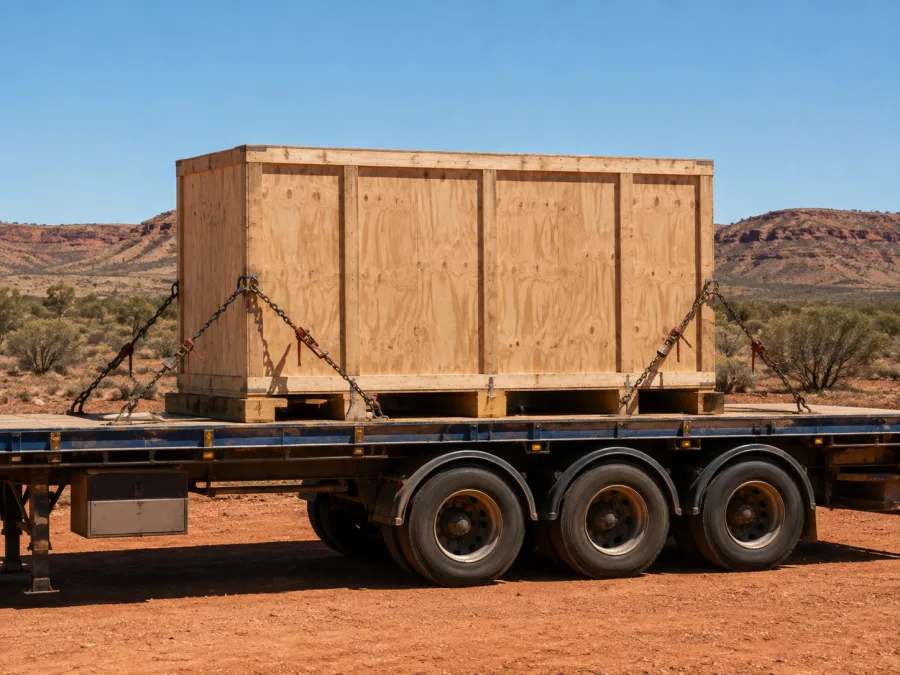
Machinery, Plant & Equipment
Crated components and plant that are too big or heavy for the alternatives. This is what road does best on a lane like this.

Building & Construction Materials
Fixings, framing, cladding and site consumables. Bulky, non-urgent, and sensible by road.
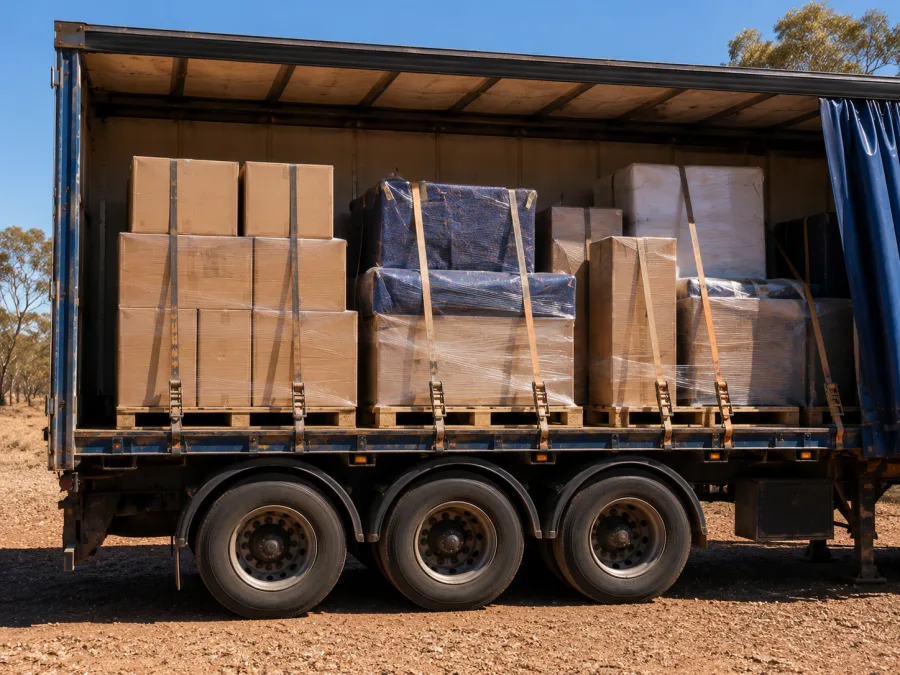
Relocations & Household Effects
Palletised and crated effects for people and businesses moving between the two ends of the country.
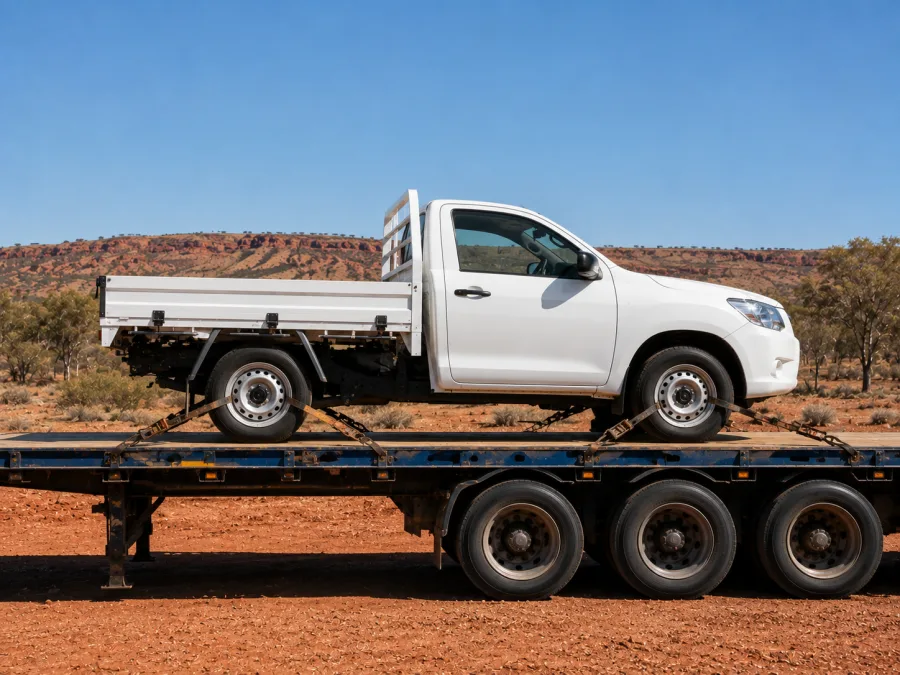
Cars & Light Vehicles
Relocations, fleet moves and dealer transfers. Ferry dimension limits apply, so measure before booking.
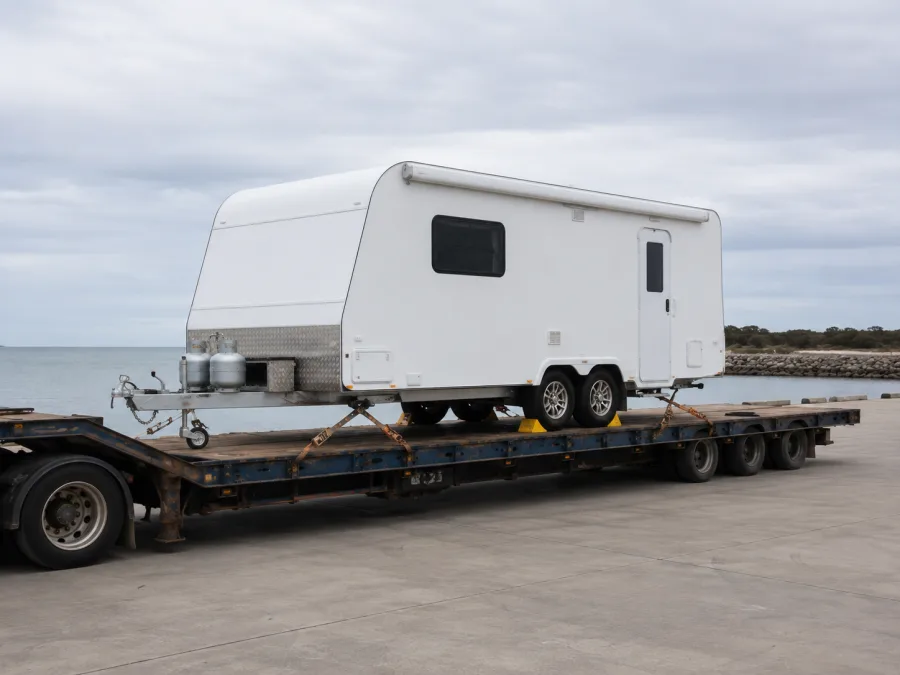
Caravans, Campers & Boats
Vans and hulls travelling with owners. Give us length, height, weight and registration status.
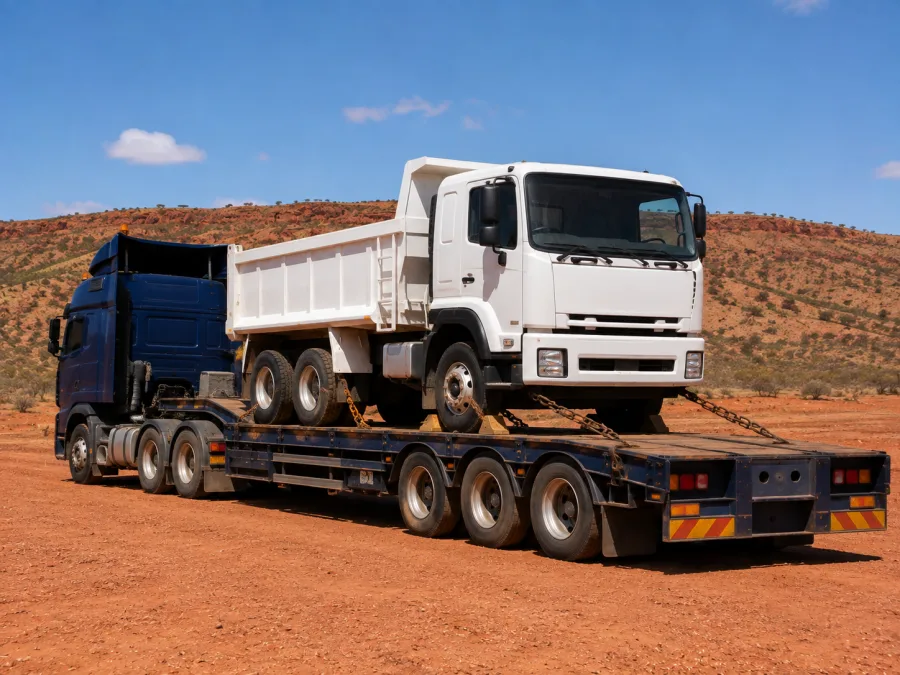
Trucks, Trailers & Plant
Relocated the length of the country, driven, towed or floated depending on registration and dimensions.
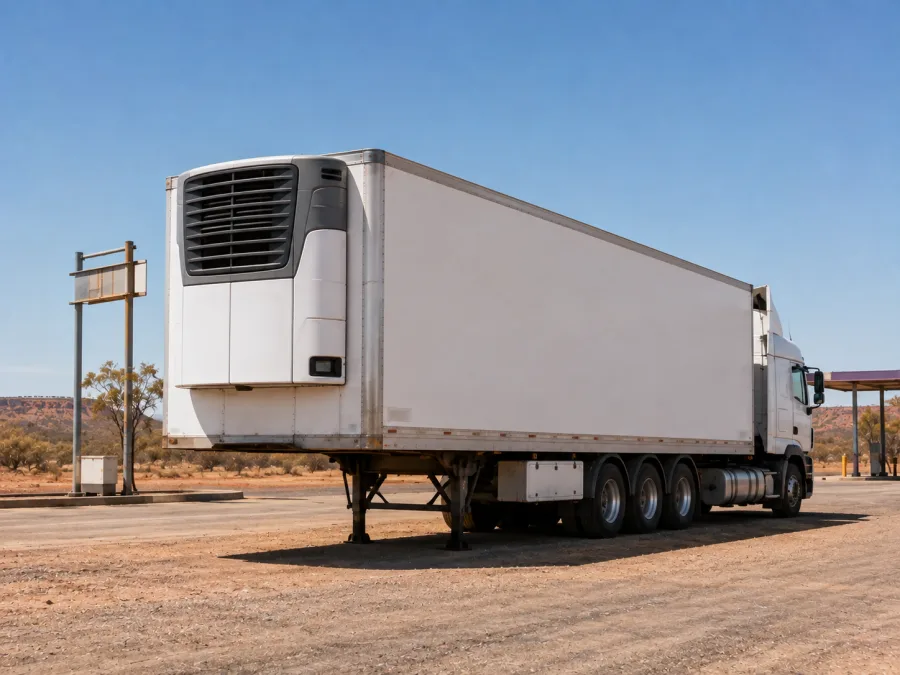
Chilled & Temperature-Controlled
Set-temperature capacity across a very long unbroken cold chain. Tell us the tolerance before you commit, because this is a demanding run.
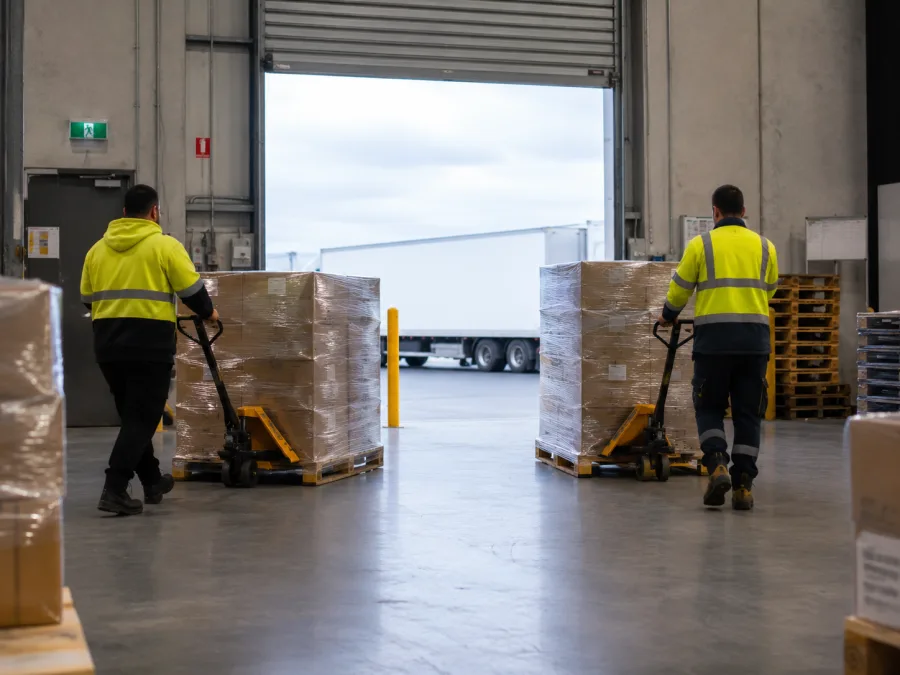
Retail & General Supply
Store and warehouse stock for a state that imports most of what it sells. Suits consolidation well.
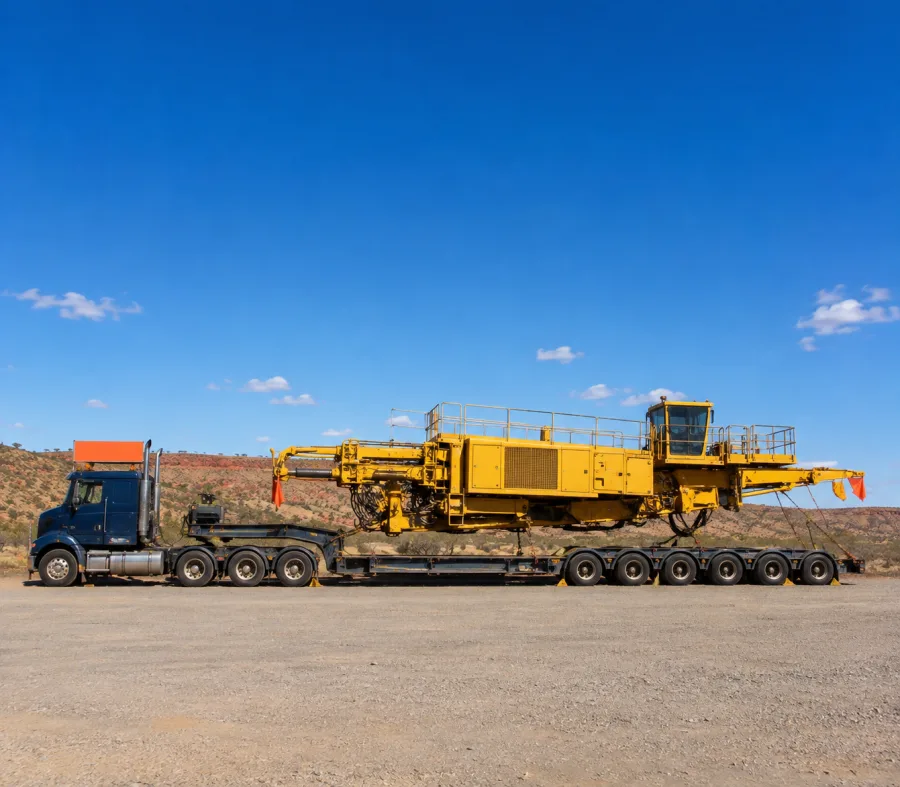
Oversize & Heavy Haulage
Over-dimensional and over-mass loads on permit across four jurisdictions, plus the ferry's own limits. Long lead times.
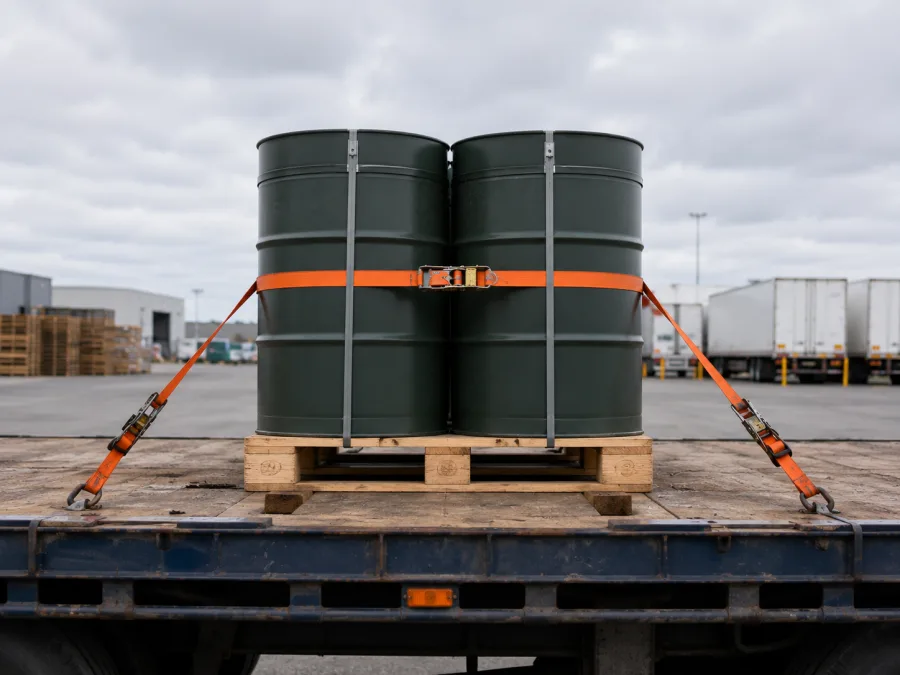
Dangerous Goods
Approved classes with correct documentation and placarding. Ferry operators apply their own DG rules, so tell us early.
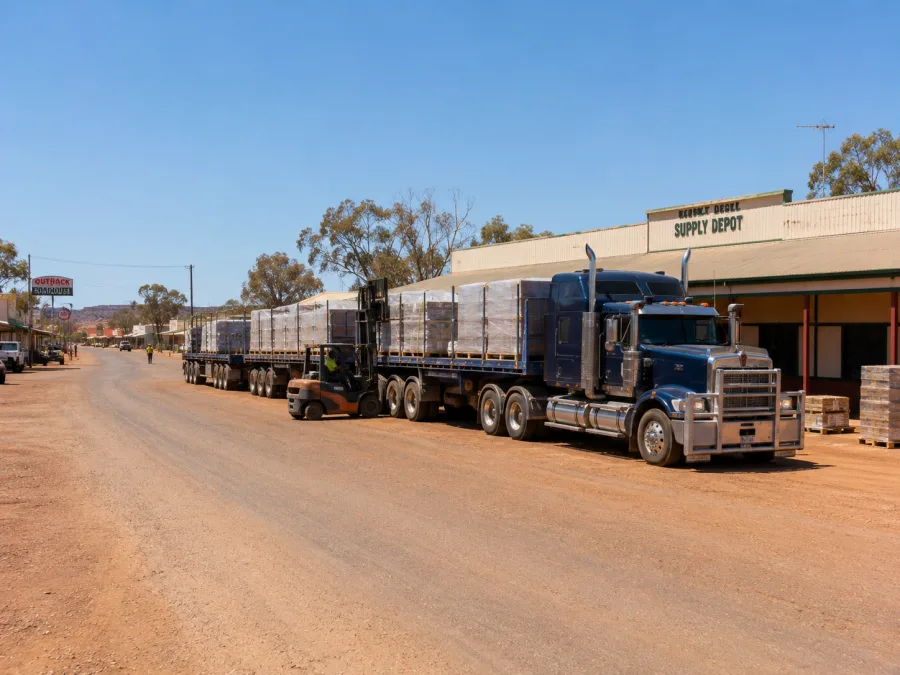
Regional Drops En Route
Katherine, Tennant Creek, Alice Springs, Port Augusta, Adelaide and the Victorian corridor all sit on the run.
Why choose Ozcoast for Darwin to Hobart
We Will Tell You if Road Is Wrong
On a lane this long, the honest answer is sometimes no. You get it before you book.
One Booking Across Four Legs
Stuart Highway, east to the terminal, the crossing, then Tasmania. One coordinator, not four.
An Honest Window, Not a Hopeful One
Eight to eleven days for consolidated freight, and we explain what moves it either way.
Consolidation Makes It Affordable
Sharing the linehaul is what keeps a 4,600 km run plus a crossing sensible.
We Plan Backwards From the Sailing
The ferry does not wait, so the whole run is built around the booking.
Built for the Awkward Stuff
Machinery, vehicles, oversize. Freight that needs space rather than speed.
A Name and a Direct Line
One coordinator on the longest job we run.
Collection & delivery areas
Darwin CBD, Berrimah, East Arm, Winnellie, Palmerston and the greater Darwin region
Hobart CBD, Glenorchy, Derwent Park, Moonah, Cambridge, Kingston and the greater Hobart region
Frequently asked questions
How long does freight take from Darwin to Hobart?
Is road actually the right choice for this?
Is this a road service or a sea service?
Why does the freight go through Adelaide?
What happens during the wet season?
Can you move a car or caravan this far?
Can you hold temperature over a run this long?
Can you drop freight at towns along the way?
How is a part load priced on this route?
Can you carry dangerous goods to Tasmania?
Get a quote for Darwin to Hobart
Tell us what you are moving and we will send a clear, itemised quote with no obligation, usually within business hours.