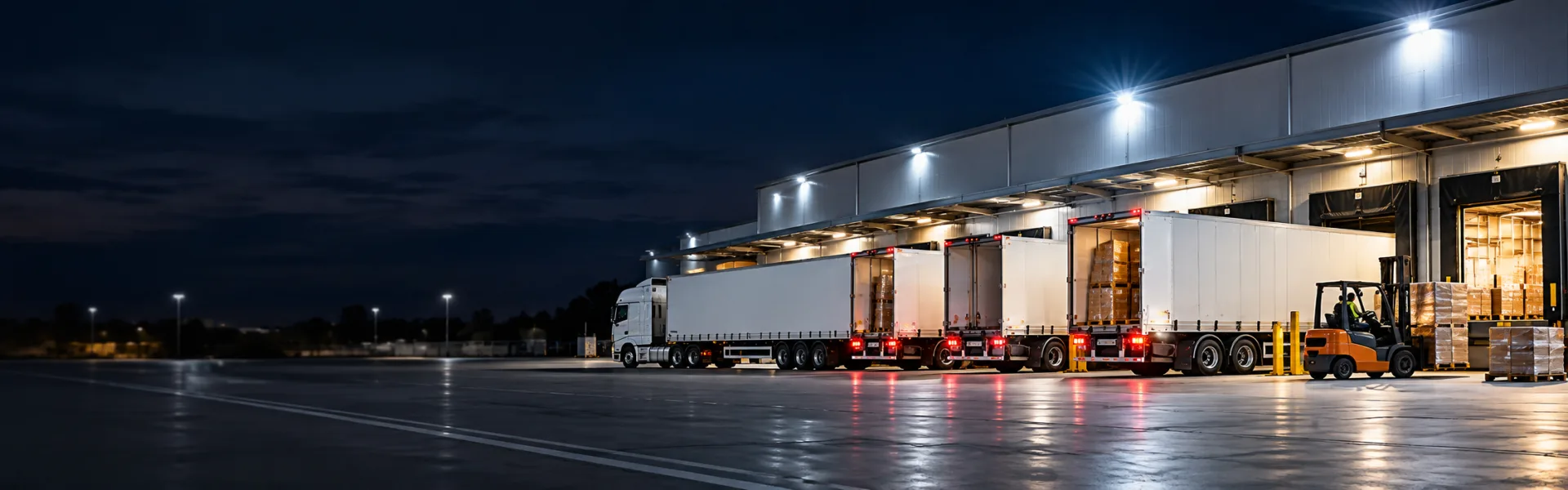
A pallet booked from a factory in western Sydney to a retailer in Adelaide doesn't travel there on one truck. It's usually picked up by a local vehicle, taken to a depot, loaded onto a long-distance truck with a lot of other freight, unloaded at a depot at the other end, and delivered by another local vehicle. The long-distance part in the middle is the linehaul.
That's the short version of the linehaul meaning in freight. The more useful version, if you're the one booking the freight, is how that leg connects to everything either side of it, because that's where most of the surprises in transit time come from.
What Linehaul Means in Road Freight
Linehaul is the movement of freight over a long distance between two fixed points in a transport network, usually depots or hubs in different cities. In Australia it most often means the interstate leg: Melbourne to Sydney, Brisbane to Adelaide, Perth to the east coast.
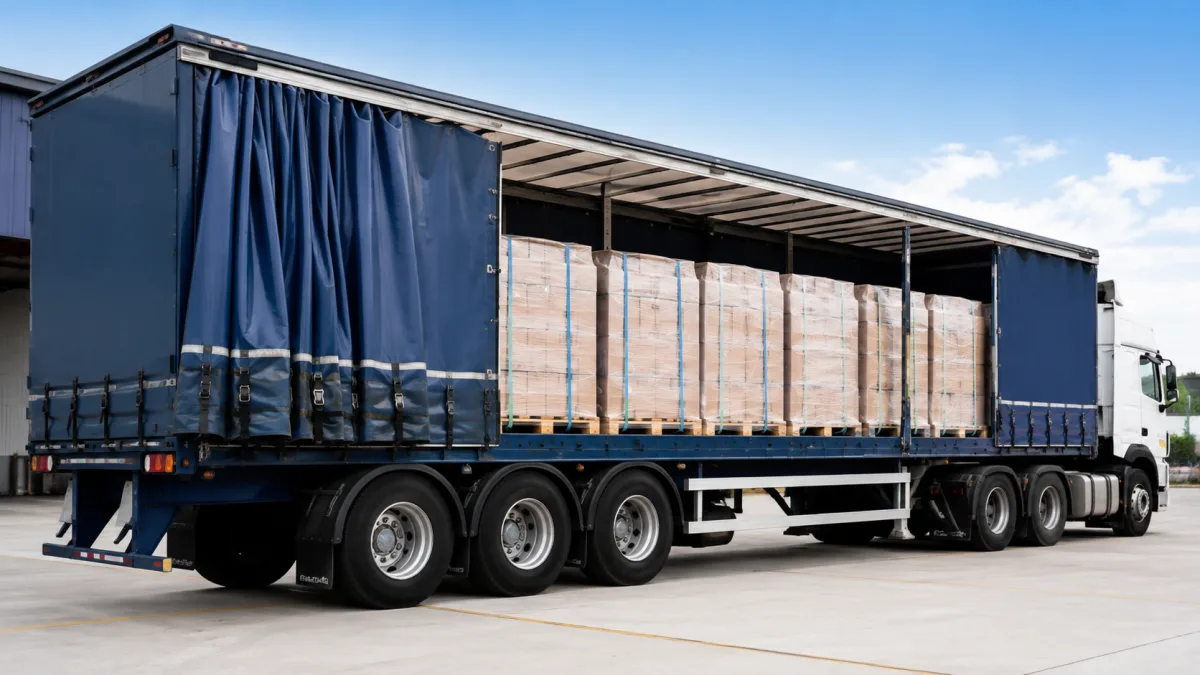
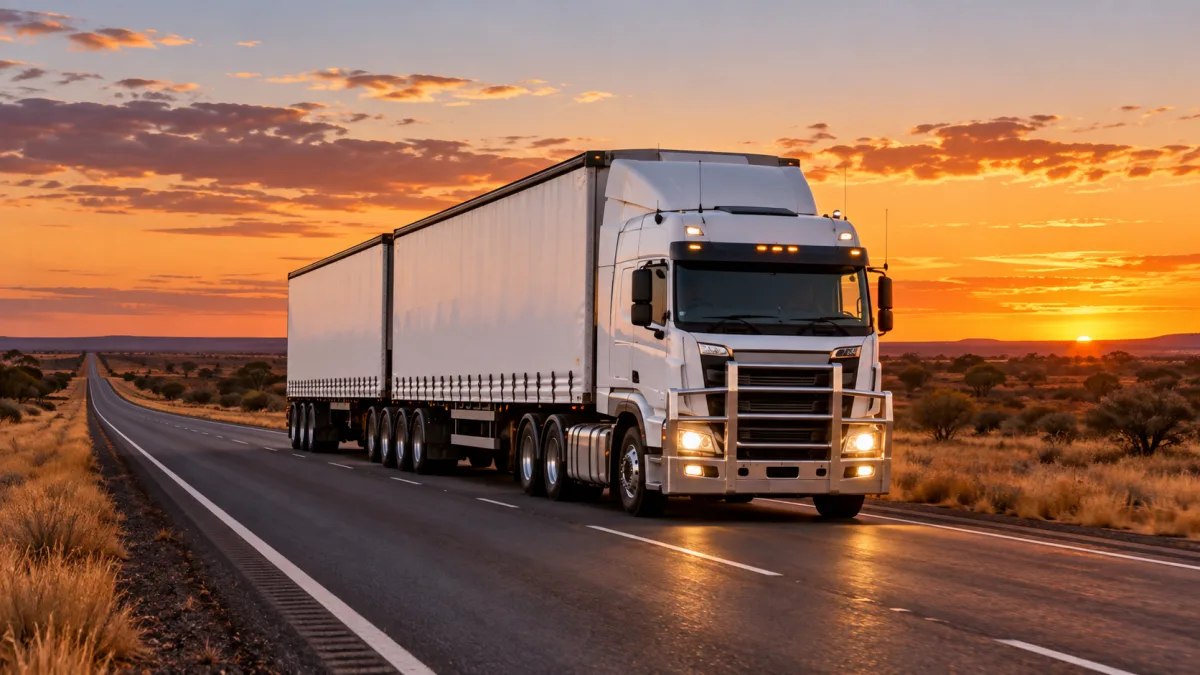
It's a network word rather than a vehicle word. A linehaul truck is simply whatever vehicle is running that leg, typically a semi-trailer or a B-double, carrying consolidated freight for many customers at once. It runs to a schedule, it doesn't make residential stops along the way, and it isn't the truck that turns up at your loading dock.
You'll also see the term split as "line haul" or hyphenated. They all mean the same thing.
The Five Stages of an Interstate Freight Journey
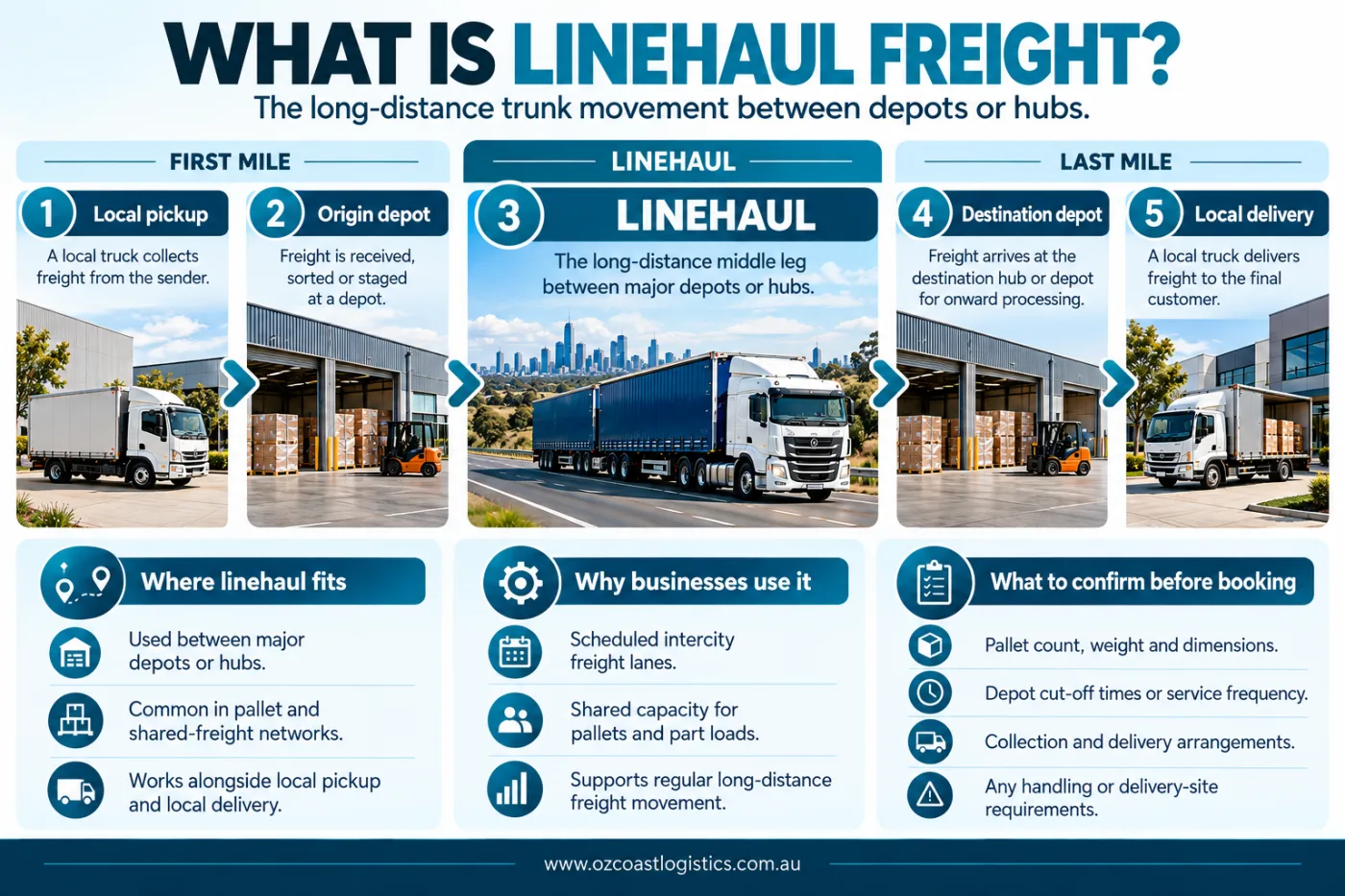
Linehaul makes more sense once you see the whole trip laid out. A typical depot-to-depot interstate consignment moves through five stages.
1. Pickup (first mile)
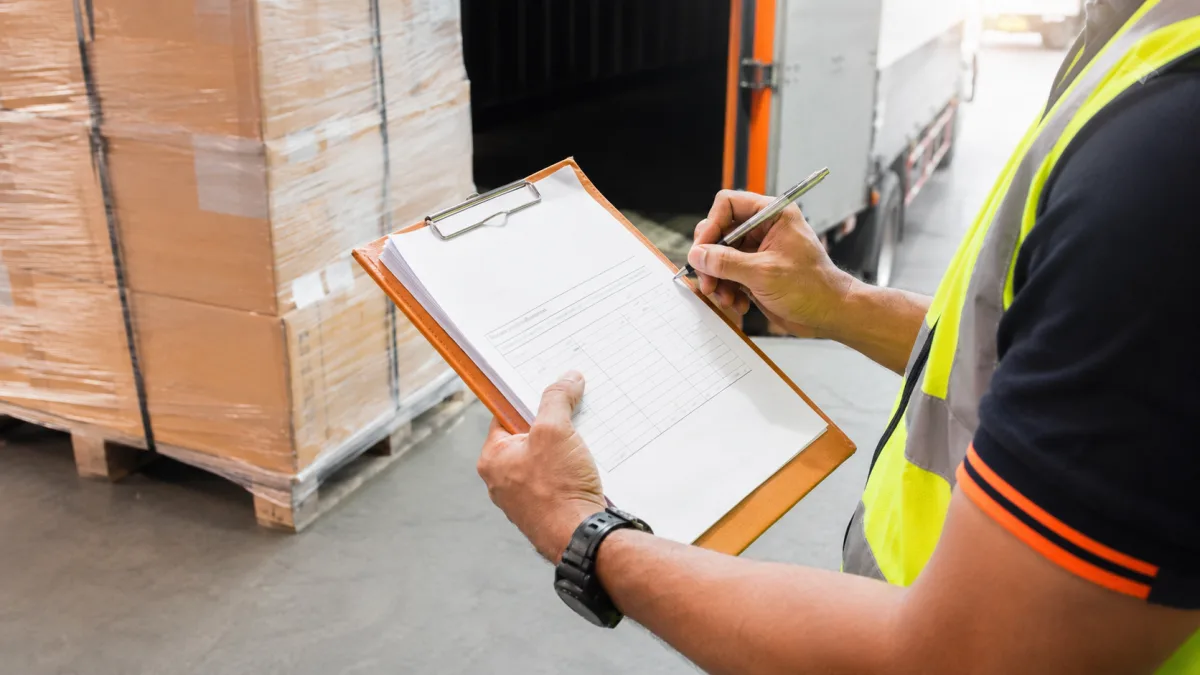
A local truck, often a rigid or a tail-lift vehicle, collects your freight from your premises within an agreed window and takes it to the origin depot. This is where the accuracy of your booking starts to matter: the right vehicle only turns up if the weight, dimensions and access details you gave are correct.
2. Origin depot
Your freight is received, checked against the consignment note, and sorted by destination. It waits here for the next linehaul departure on its lane. If it arrives after that departure's cut-off, it waits for the next one.
3. Linehaul
The consolidated load leaves on the long-distance run. For a busy corridor this is the most predictable part of the whole journey, because it runs to a timetable on a lane the drivers and operators know well.
4. Destination depot
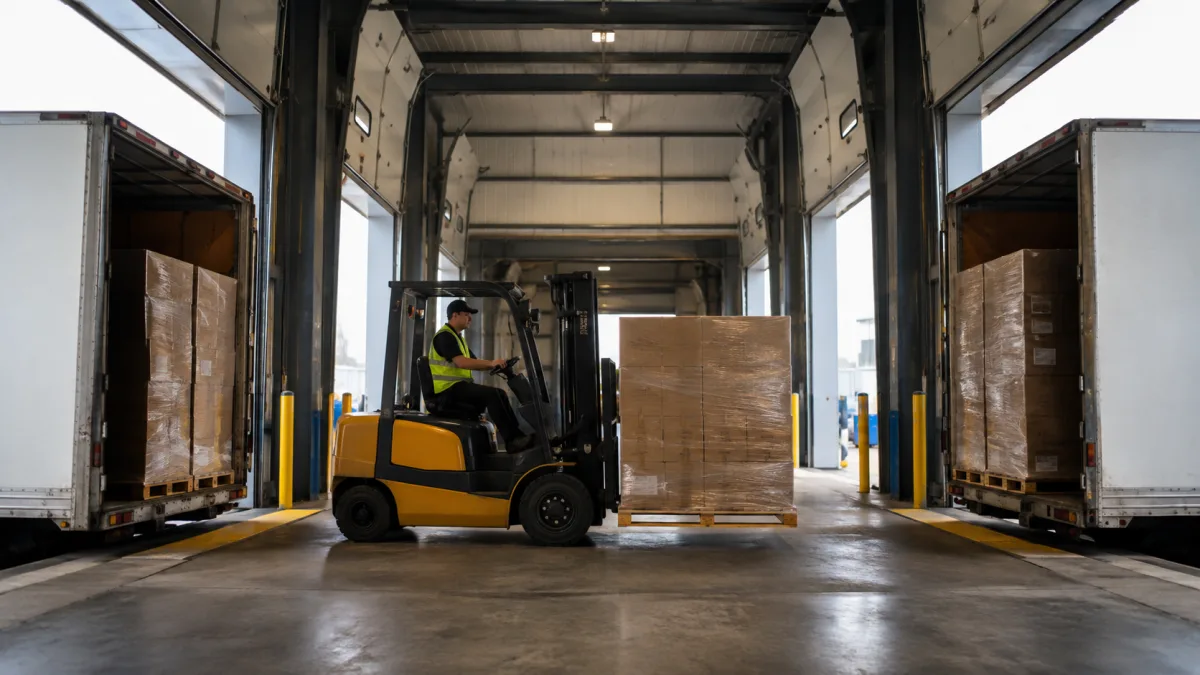
The linehaul truck is unloaded and freight is sorted again, this time by local delivery run. Some freight moves straight across the dock onto a delivery truck, which is essentially cross-docking. Some waits for the next run into its area.
5. Delivery (last mile)
A local vehicle delivers to the receiver. For a metro address this is usually quick. For a regional or remote postcode it may involve another depot or a less frequent run, which adds time after the linehaul has already finished.
Where Transit Time Actually Goes
People tend to assume the long drive is what makes interstate freight take days. The drive matters, especially on the longest lanes, but on many corridors the linehaul leg itself is the most reliable part of the timeline. The variable time usually sits either side of it.
| Stage | What can add time | What you can do about it |
|---|---|---|
| Pickup | Late booking, pickup window missed, freight not ready | Book early, have freight packed, labelled and accessible |
| Origin depot | Arriving after the linehaul cut-off | Ask what the cut-off is for your lane and book to it |
| Linehaul | Distance, weather, road closures on long remote routes | Plan buffers into long-lane deliveries |
| Destination depot | Sorting and waiting for the right local run | Give a complete delivery address and receiver contact |
| Delivery | Regional or remote zones, access problems, receiver not available | Confirm receiving hours and site access before dispatch |
This is why our interstate freight transit times are based on direct linehaul routes, with a note that local collection and delivery zones can add time. The linehaul leg can be timetabled. The first and last mile depend on where your freight starts and finishes.
Full-Load Linehaul vs Depot Linehaul
From the shipper's side there are two quite different ways freight uses linehaul.
Depot (consolidated) linehaul is what most businesses use. Your pallets share the trailer with freight from other customers heading the same way, and the journey runs through depots at each end, as in the five stages above. It's cost-effective for anything from a single pallet up to part of a trailer, because you only pay for the space you use.
Full-load linehaul is when your freight fills, or books out, an entire trailer. The truck can load at your site and run direct to the receiver, skipping both depots. That removes two handling points and the wait for a depot departure, which can make it faster and gentler on fragile freight. It only makes financial sense when you have enough volume to justify a whole vehicle, or when the freight needs its own vehicle for other reasons.
| Depot linehaul | Full-load linehaul | |
|---|---|---|
| Typical volume | A single pallet to part of a trailer | A full trailer, or close to it |
| Route | Pickup, depot, linehaul, depot, delivery | Direct from pickup site to delivery site |
| Handling | Freight handled at both depots | Loaded once, unloaded once |
| Pricing basis | Pallet spaces or chargeable weight | The vehicle |
| Best for | Regular smaller consignments | High volume, fragile or time-critical loads |
There's a middle ground too. If you send several smaller consignments to the same region each week, consolidating them into fewer, larger bookings on set days often gets you closer to full-load economics without needing a whole truck.
Why Some Lanes Take Longer Than Others
Not every linehaul lane behaves the same way. Short, heavily used corridors between east coast capitals have frequent departures and relatively short running times. Longer lanes, such as Perth to the east coast or runs to Darwin, cover far greater distances through remote country, so they take more days even when everything runs to plan, and a road closure or weather event has more impact because there are fewer alternative routes.
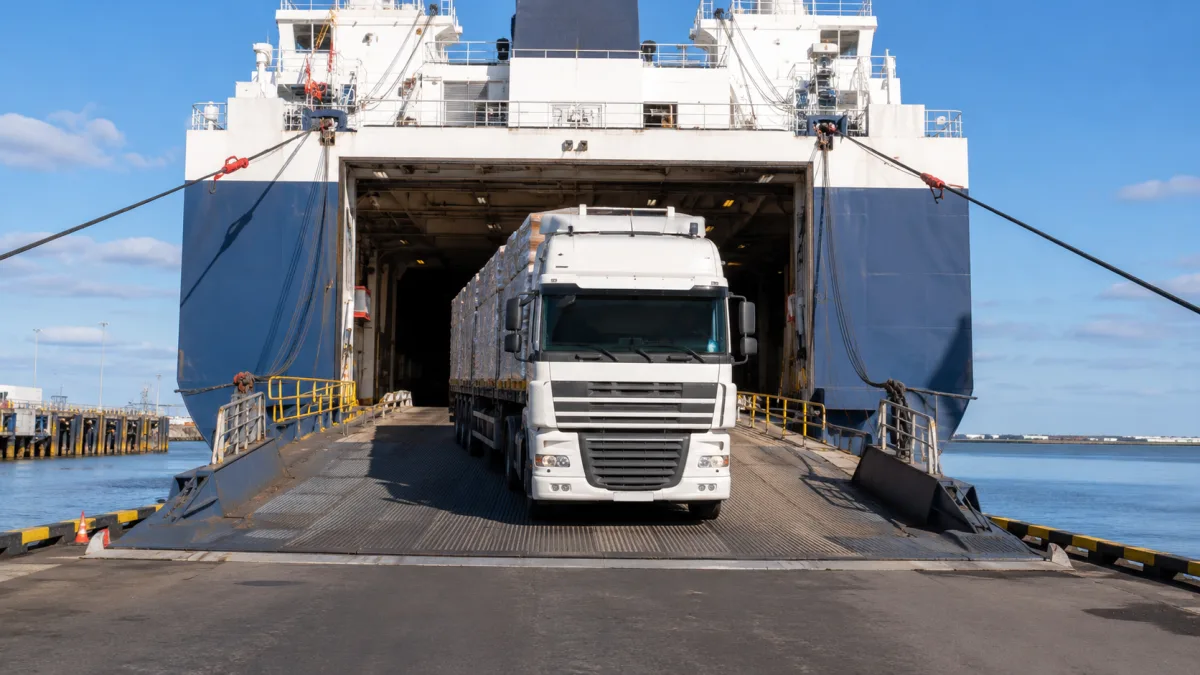
Freight to Tasmania is a special case. The linehaul includes a Bass Strait crossing, so ferry schedules become part of the timetable. Our guide to how freight gets to Tasmania explains that leg in detail.
Vehicle type also varies by lane and load. Linehaul is typically run on semi-trailers and B-doubles, which carry far more than a rigid truck, and the configuration chosen depends on the route and what's being carried. Our overview of freight vehicle types covers the differences.
What "Linehaul" Means in a Tracking Update
If you track a consignment, you may see an update that mentions linehaul, such as the freight departing on or arriving from a linehaul. In a domestic road network that normally means your freight has left the origin depot on the long-distance leg, or has arrived at the destination depot and is waiting to be sorted for local delivery. The exact wording differs from carrier to carrier, but a linehaul status usually means the freight is between the two depots rather than out for delivery.
If a consignment sits at a linehaul status for longer than the quoted transit time, it's worth contacting your freight provider with the consignment number. It's usually a sorting or delivery-run question at the destination end rather than a problem with the truck.
How to Get the Most Out of Linehaul
A few habits make a noticeable difference to how reliably interstate freight arrives:
- Book to the cut-off, not the day. Ask what time freight needs to reach the depot to make a given departure. Missing it by an hour can cost a day.
- Get the details right on the consignment note. Incorrect weights, dimensions or addresses cause holds at the depot while they're checked.
- Palletise where you can. Pallets are faster to load and unload at both depots than loose cartons, and less likely to be separated.
- Tell your provider about receiving constraints. Limited receiving hours, no forklift on site or tight access all affect the last mile, not the linehaul, and they're easy to plan for when known in advance.
- Consolidate regular freight. Fewer, fuller consignments on set days are usually cheaper and simpler to track than many small ones.
Linehaul With Ozcoast
Our interstate network connects Perth, Adelaide, Melbourne, Sydney, Brisbane, Canberra, Hobart and Darwin, along with major regional hubs in between, with daily departures on our main interstate lanes. Our fleet runs from rigid trucks through to B-doubles, so we can carry anything from a few pallets up to a full truckload and match the vehicle to the weight, volume and timeframe.
When you request a quote, share your origin and destination, the weight and pallet count, and when the freight will be ready. We'll confirm the next available departure and the transit time for that lane, then lock in your collection window. You can also browse our freight routes to see the lanes we run most often.