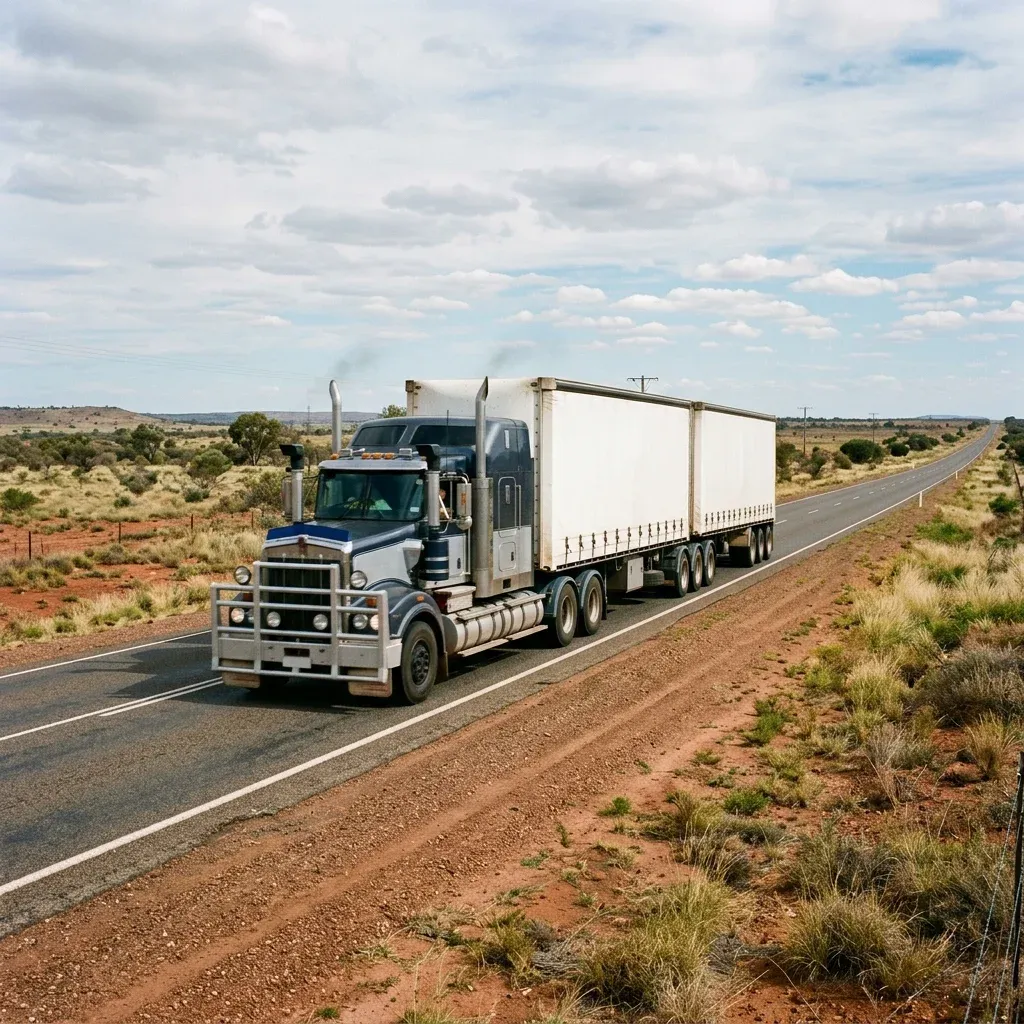
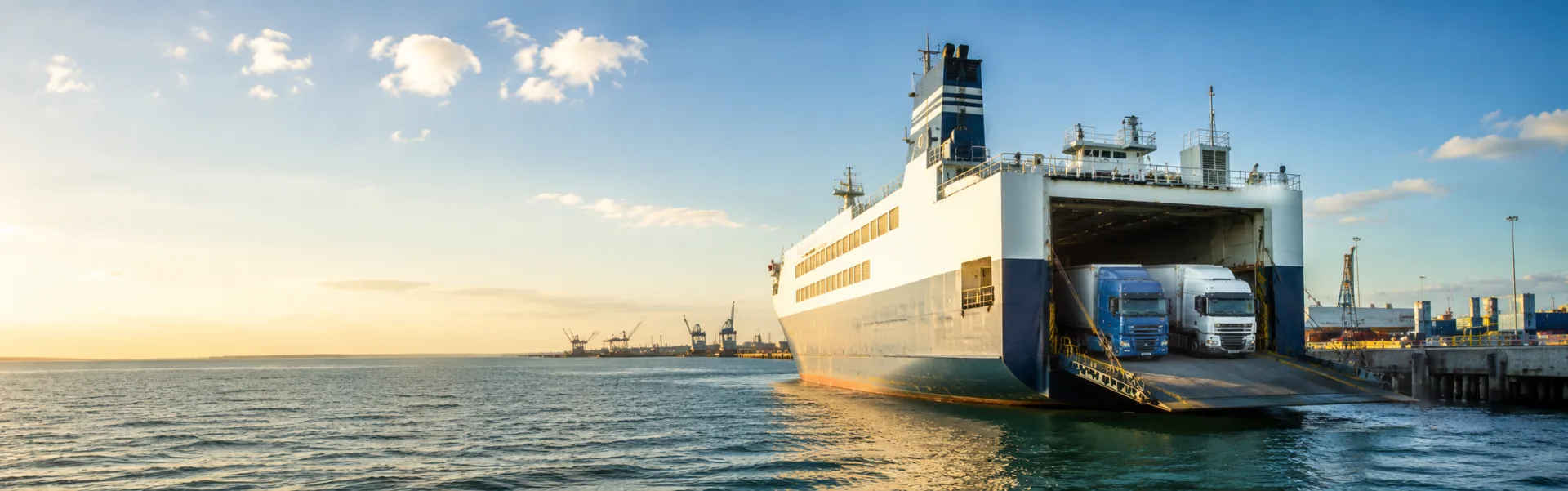
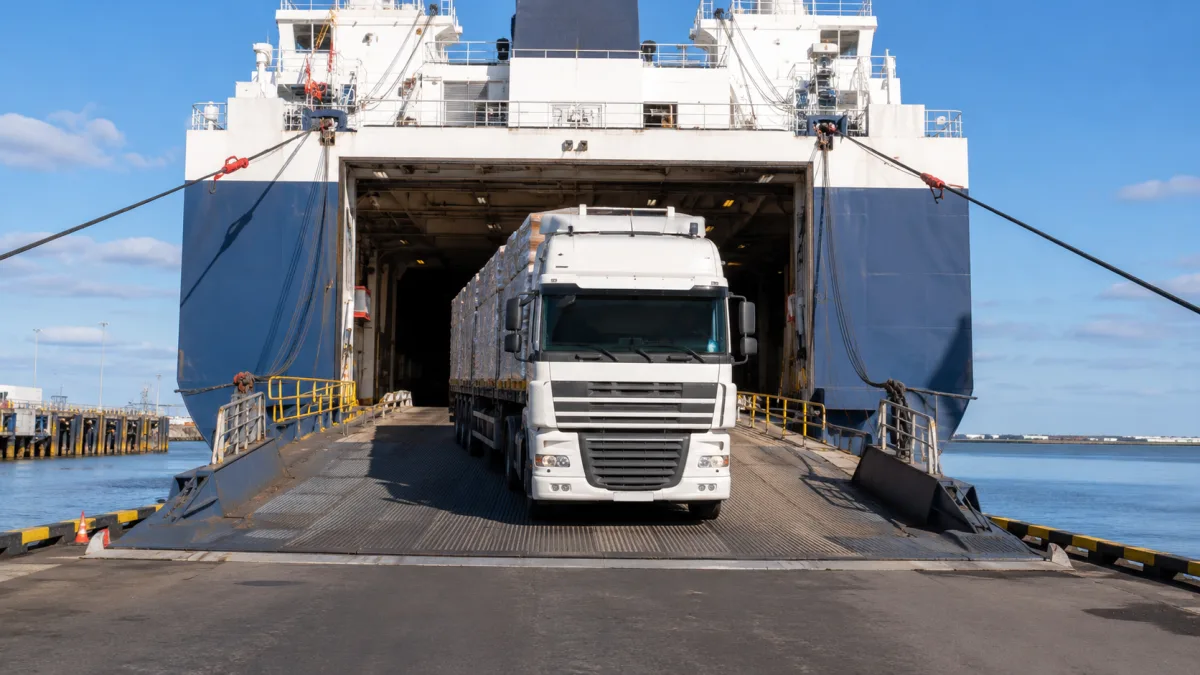
Every other capital city in Australia can be reached entirely by road. Tasmania can't. No bridge, no tunnel, just open water between the mainland and the island, which means every truckload of freight heading to or from Tasmania spends part of its journey on a ship, whichever transport company is arranging it.
Here's how that actually works, what it means for timing, and what it means for booking freight into or out of Tasmania.
Why Freight to Tasmania Always Involves a Ferry
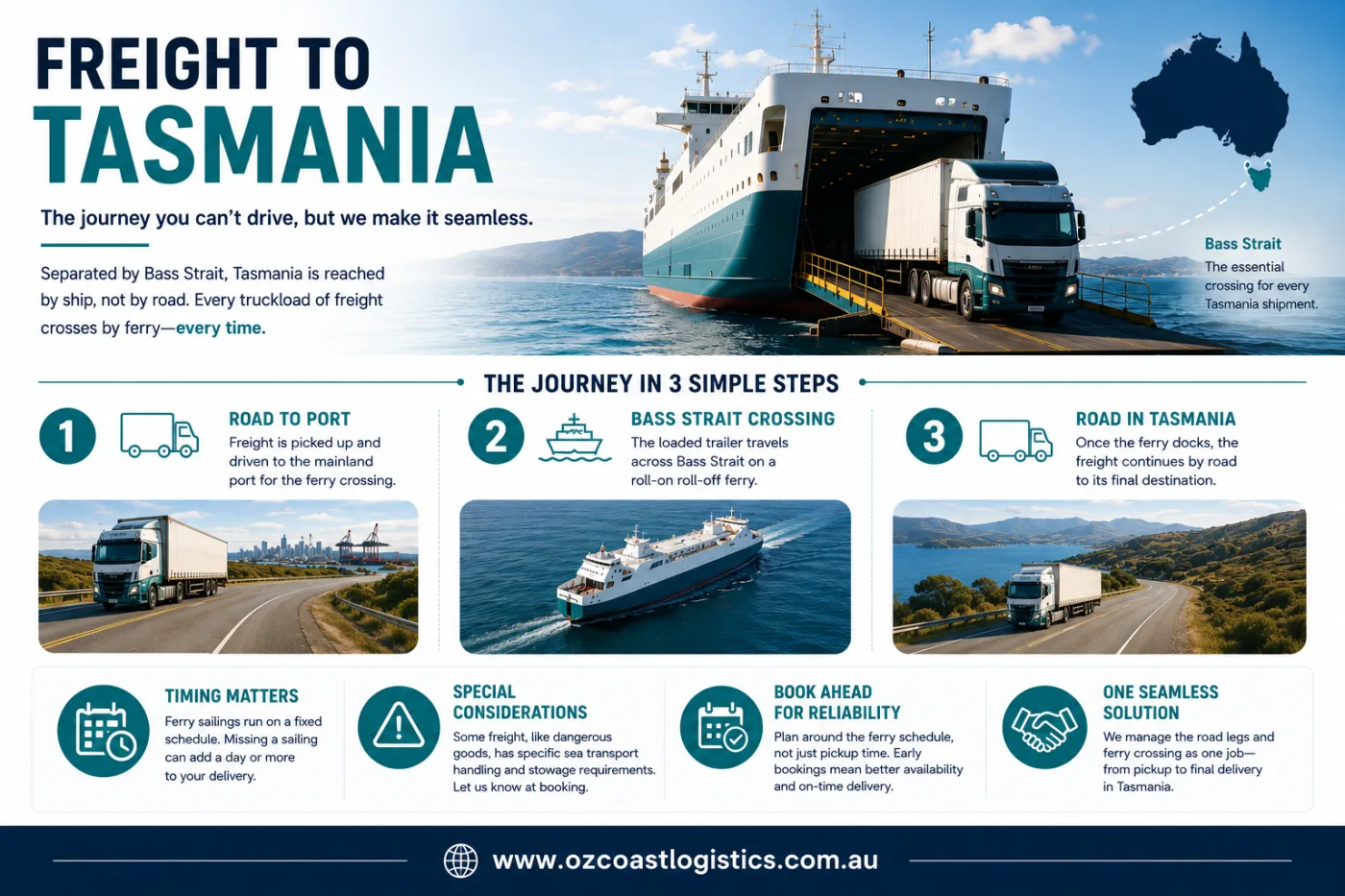
Bass Strait separates Tasmania from the mainland, and there's no road or rail link across it. Freight travelling to or from Tasmania is loaded onto a vessel for that leg of the journey, then continues by road at the other end. This isn't a carrier-specific quirk or something only some providers deal with, it's a fixed feature of the geography that applies to every truckload regardless of who's moving it.
How the Journey Actually Works
A typical Tasmania-bound shipment follows three stages:
- Road transport to the mainland port. The truck is loaded and driven to the port where the ferry crossing departs from.
- The Bass Strait crossing. The loaded trailer (or the freight itself, depending on how it's arranged) travels across on a roll-on roll-off vessel, designed to carry loaded trucks and trailers directly onto the ship.
- Road transport from the Tasmanian port to the final destination. Once the ferry docks, the freight continues by road to wherever it's actually going within Tasmania.
The road legs on either side work the same way as any other interstate freight movement. It's the middle leg that makes a Tasmania shipment different from every other Australian route.
How Long Does It Actually Take?
Total transit time depends on the specific route, the ferry schedule, and where in Tasmania the freight is headed, which is why it's worth checking against the actual corridor rather than assuming a fixed number. Our Adelaide to Hobart and Brisbane to Hobart route pages carry the specific transit expectations for those corridors.
What This Means for Booking Freight to Tasmania
The ferry runs on a fixed sailing schedule, not a truck that can leave whenever it's loaded. That means a Tasmania-bound shipment needs to work backward from sailing times, not just forward from when the goods are ready, and missing a scheduled sailing can add a full extra day or more to the journey. Booking with enough notice for the crossing, not just the road legs either side, matters more here than it does for a purely mainland interstate move.
Does This Change What Can Be Shipped?
Some freight needs additional consideration for a sea crossing that wouldn't apply to a purely road-based interstate move, particularly dangerous goods, which are subject to their own handling and stowage rules once they're on a vessel rather than a truck. If your shipment includes dangerous goods, it's worth flagging this at booking so it can be arranged correctly for the crossing, not assumed to be identical to a standard road movement.
Getting Freight to Tasmania With Ozcoast
We manage the road legs on both sides of the crossing as part of the booking, so it's arranged as one job rather than something you have to coordinate in pieces. If you're shipping between Adelaide and Hobart or Brisbane and Hobart, those routes have their own specific transit details worth checking before you book. For anything outside those two corridors, or freight with particular handling needs for the crossing, tell us the details and we'll work out the best way to get it there.