Most people booking freight never think about what kind of truck actually turns up, and most of the time they don't need to. But the vehicle matters. A pallet of packaged goods, a piece of machinery, and a load of chilled produce all need genuinely different equipment, and knowing the basics helps when you're describing a job or wondering why a quote came back the way it did.
Here's a plain-English rundown of the main vehicle types used in Australian road freight, and what each one is actually built for.
Curtainsider (Tautliner)
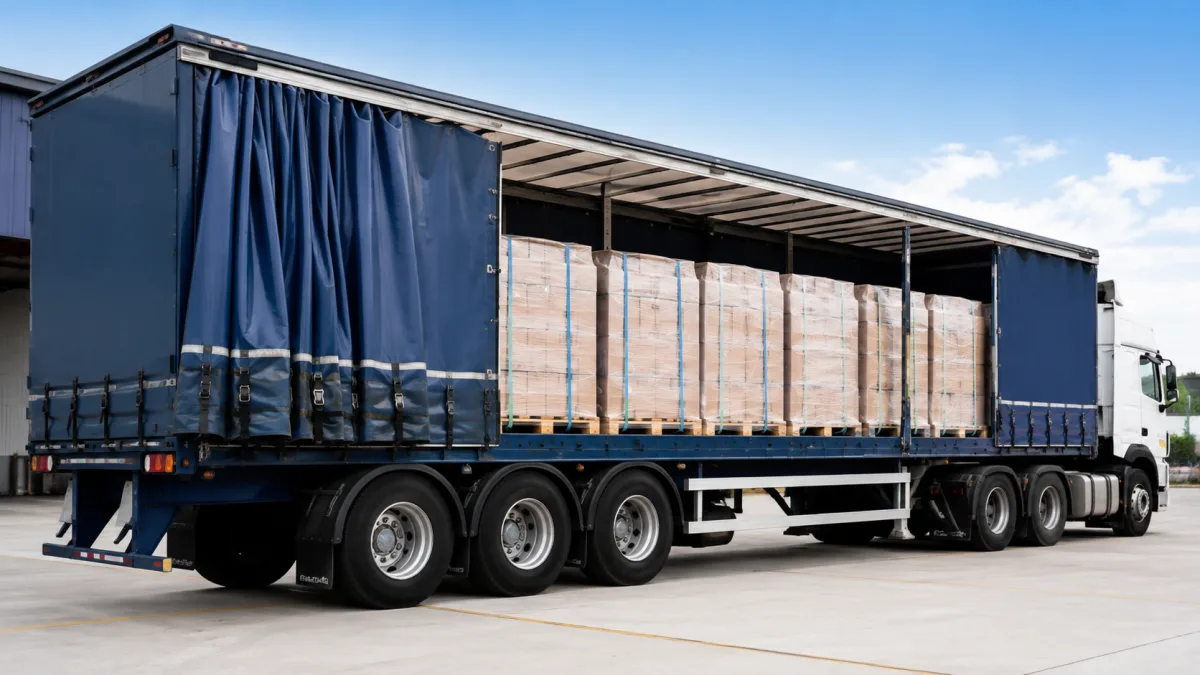
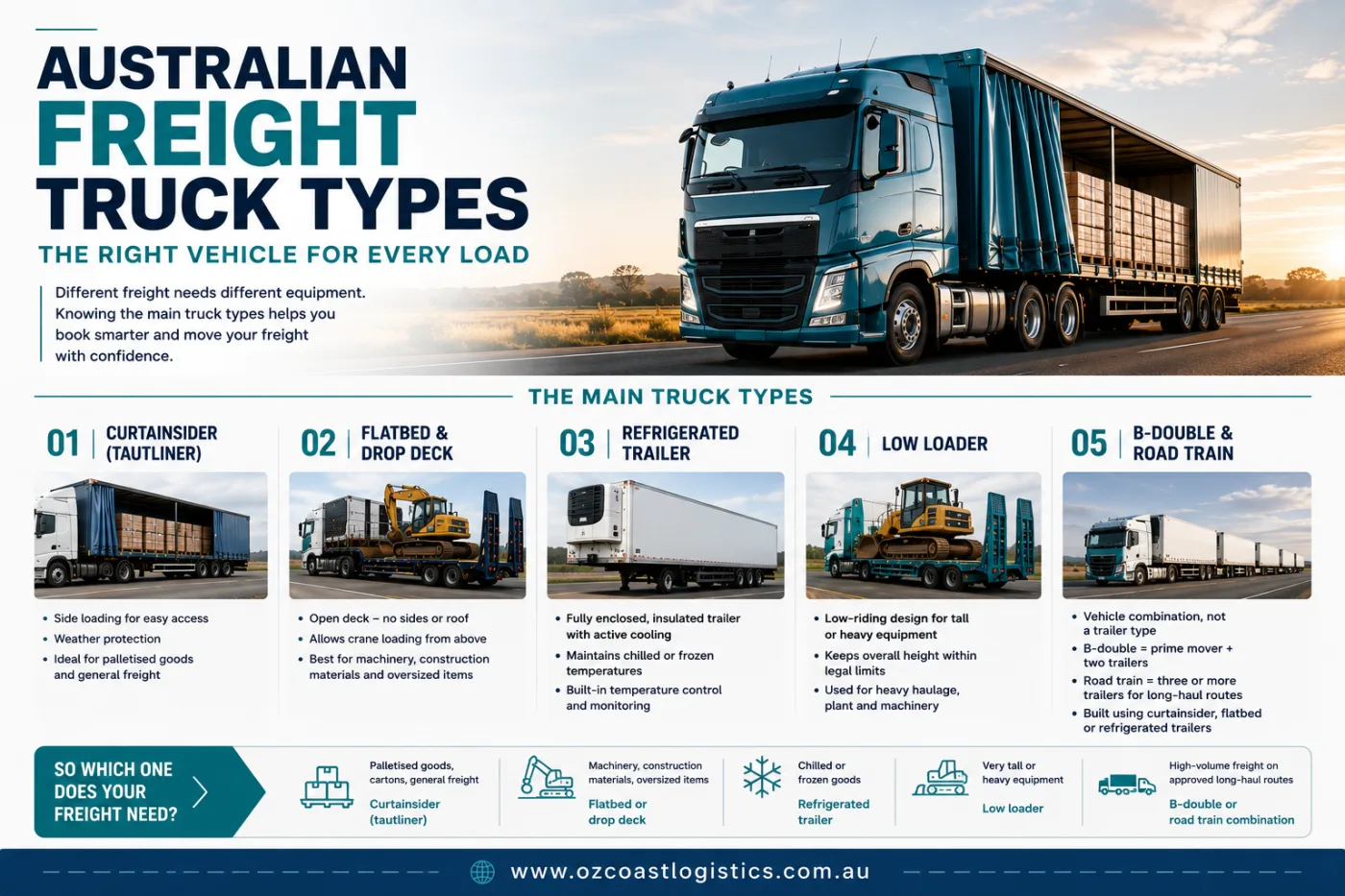
The most common vehicle in general freight. A curtainsider has fixed ends and sides made of a curtain material that slides open along the length of the trailer, allowing loading and unloading from the side rather than just the back. It suits palletised goods, cartons and general freight that needs weather protection but doesn't need refrigeration.
In Australia, "curtainsider" and "tautliner" are generally used interchangeably for the same vehicle type.
Flatbed and Drop Deck
A flatbed has no sides or roof at all, just an open deck, used for loads that don't fit inside an enclosed trailer or that get loaded from above by crane. A drop deck (also called a step deck) lowers part of the trailer floor closer to the ground, which increases the usable height for tall cargo while staying under legal height limits.
These suit machinery, construction materials, and anything oversized or awkwardly shaped that a curtainsider can't accommodate.
Refrigerated Trailer
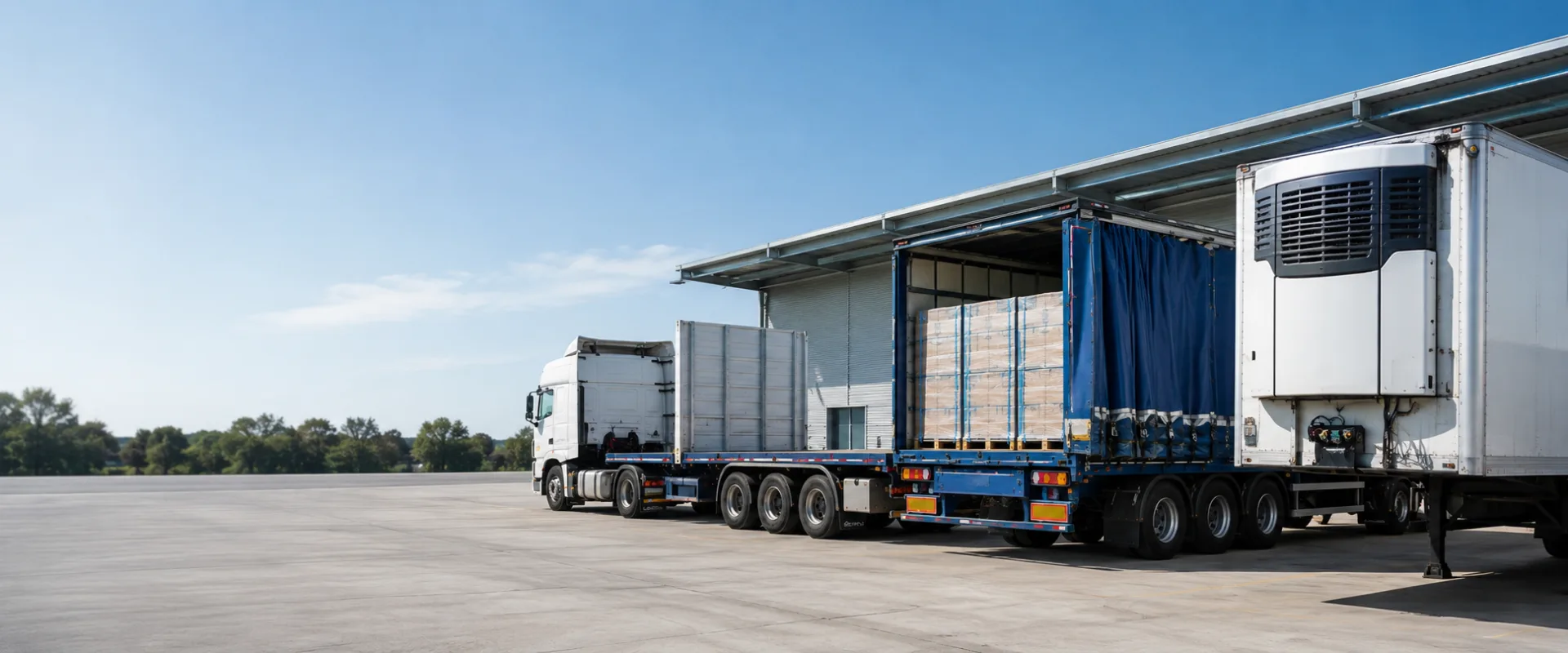
A fully enclosed, insulated trailer with active cooling, used for chilled or frozen goods where temperature has to be maintained for the entire journey, not just kept out of the sun. This is the vehicle behind refrigerated transport work, and it's a genuinely different piece of equipment from a curtainsider with an esky thrown in the back, temperature control and monitoring are built in, not improvised.
Low Loader
A low-riding trailer designed to carry very tall or heavy equipment while keeping the overall vehicle height within legal limits. This is heavy haulage equipment, used for machinery, plant, and loads that are too heavy or too tall for a standard flatbed or drop deck.
B-Double and Road Train
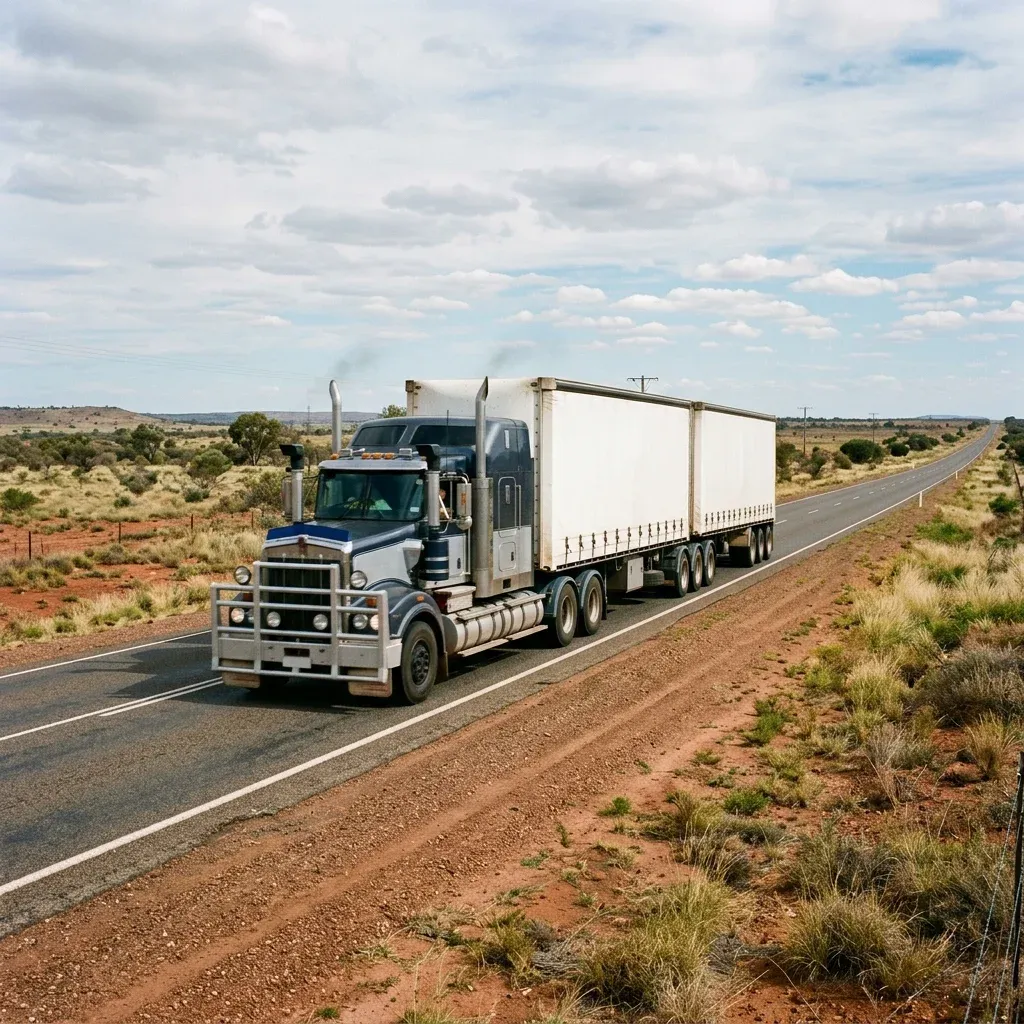
These describe the vehicle combination, not the trailer type. A B-double is a prime mover pulling two connected trailers, used to move more freight per trip on routes that allow it. A road train adds even more trailers again, and is used specifically on long-haul routes in less densely populated parts of the country where road conditions and traffic allow it, for example the Adelaide to Darwin corridor. Whether a B-double or road train combination is used depends on the route and the trailer type behind it, a road train can be built from curtainsider, flatbed or refrigerated trailers depending on what's being carried.
So Which One Does Your Freight Need?
| If you're moving... | You'll likely need... |
|---|---|
| Palletised goods, cartons, general freight | Curtainsider (tautliner) |
| Machinery, construction materials, oversized items | Flatbed or drop deck |
| Chilled or frozen goods | Refrigerated trailer |
| Very tall or heavy equipment | Low loader |
| High-volume freight on an approved long-haul route | B-double or road train combination |
If you're not sure which category your freight falls into, describing the goods, their weight and their dimensions when you book is usually enough for the right vehicle to be worked out on your behalf, you don't need to know the terminology to get the right truck.
How Ozcoast Matches Freight to the Right Vehicle
Vehicle selection happens at the quote stage, based on what's actually being carried rather than a default assumption. If your job doesn't fit neatly into one category, an oddly shaped machine, a mixed load of chilled and ambient goods, or something that needs both height clearance and weather protection, that's exactly the kind of detail worth raising when you book, so the right equipment gets arranged the first time.