
Brisbane to Hobart Freight, Road and Ferry Arranged
Brisbane to Hobart is the longest road and sea combination in the country, and it is not a straight drive, because Tasmania is an island and there is no road across Bass Strait. What we do is coordinate the whole move end to end: road the length of the eastern seaboard to the mainland ferry terminal, the crossing arranged on the Bass Strait ferry, then road on to Hobart. You deal with one company and get one door-to-door service. Ozcoast Logistics handles the road legs and arranges the crossing, so the ferry timetable becomes our problem rather than yours.
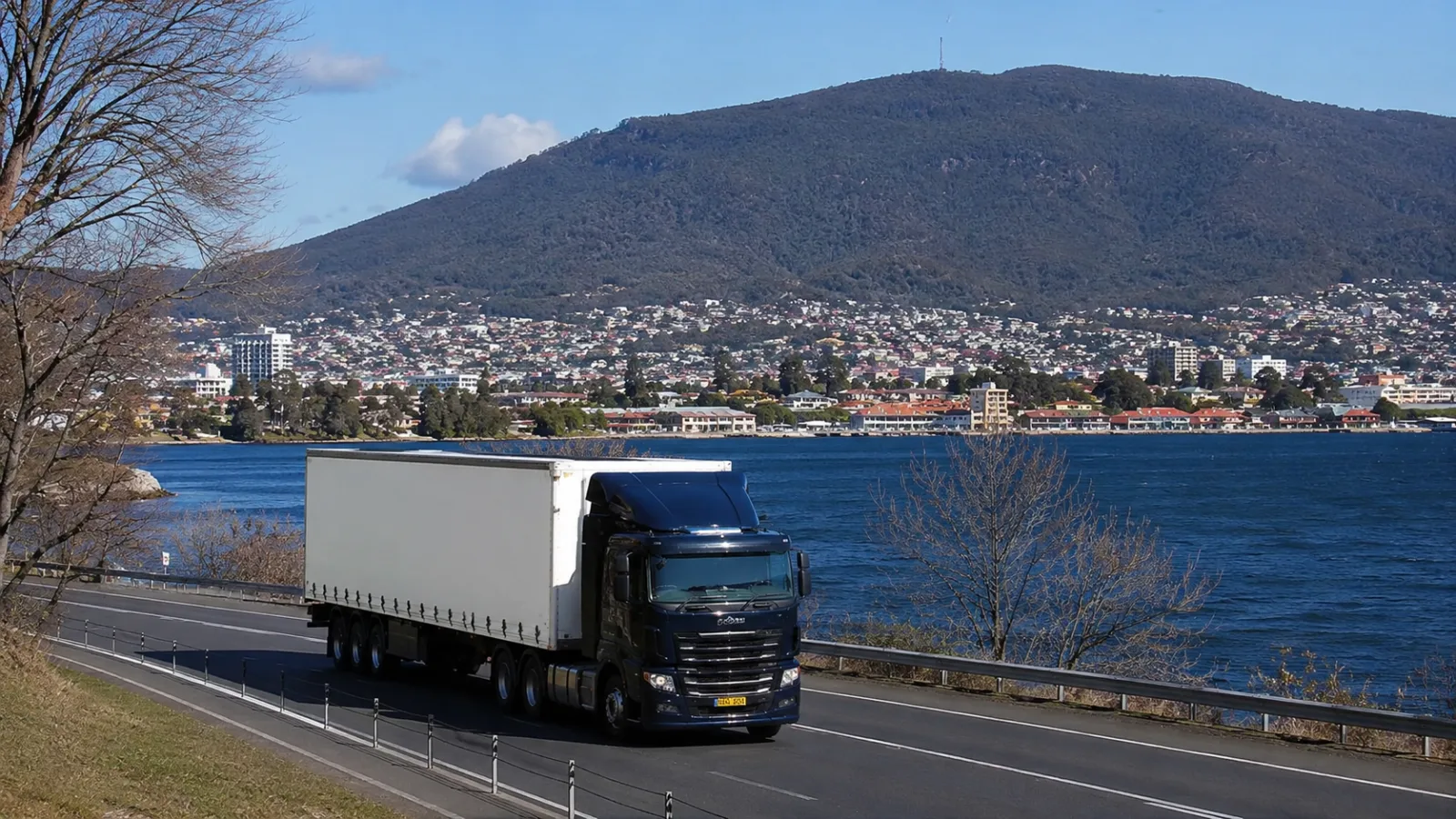
The Brisbane to Hobart corridor
Getting freight from Brisbane to Hobart means three separate movements planned as one job.
The mainland road leg is the long part. Freight runs south from Brisbane down the eastern seaboard, through New South Wales and Victoria, to the ferry terminal at Geelong. That is a multi-day drive in its own right, well beyond what one driver can cover in a shift, so it is planned with changeovers and a firm arrival deadline at the terminal.
The crossing is the fixed point everything else works around. The Bass Strait ferry runs to a schedule rather than continuously, so the sailing is not something we can move. That inverts the usual planning: instead of leaving as early as possible and arriving when we arrive, we work backwards from the sailing and set the departure to suit. A load that misses its booking waits for the next one rather than following an hour later, which is why the mainland leg is planned with margin rather than run to the wire.
The Tasmanian leg is straightforward by comparison. From the northern port it is around 280 km down the Midland Highway to Hobart, a few hours of driving through the midlands. Distances inside Tasmania are short by mainland standards, so once freight has landed, delivery moves quickly.
The freight itself reflects what Tasmania buys and sells. Heading south it is general and palletised freight, retail and grocery stock, building materials, machinery and hospitality supply for a state that imports most of what it consumes. Coming back it is produce: salmon and seafood, dairy, vegetables, fruit, premium meat, wine and whisky, most of it needing temperature control and a firm delivery window. That return traffic is genuinely valuable, so if you have freight heading north it is worth telling us.
Summer is the pinch point. Ferry capacity tightens considerably over the Christmas and school holiday periods, and bookings need to be made further ahead than people expect. Through those months, book early rather than assuming space.
To be clear about what we do: Ozcoast Logistics is a road freight operator. We handle the road legs at both ends and arrange the crossing between them. The sea leg belongs to the ferry operator, not to us.
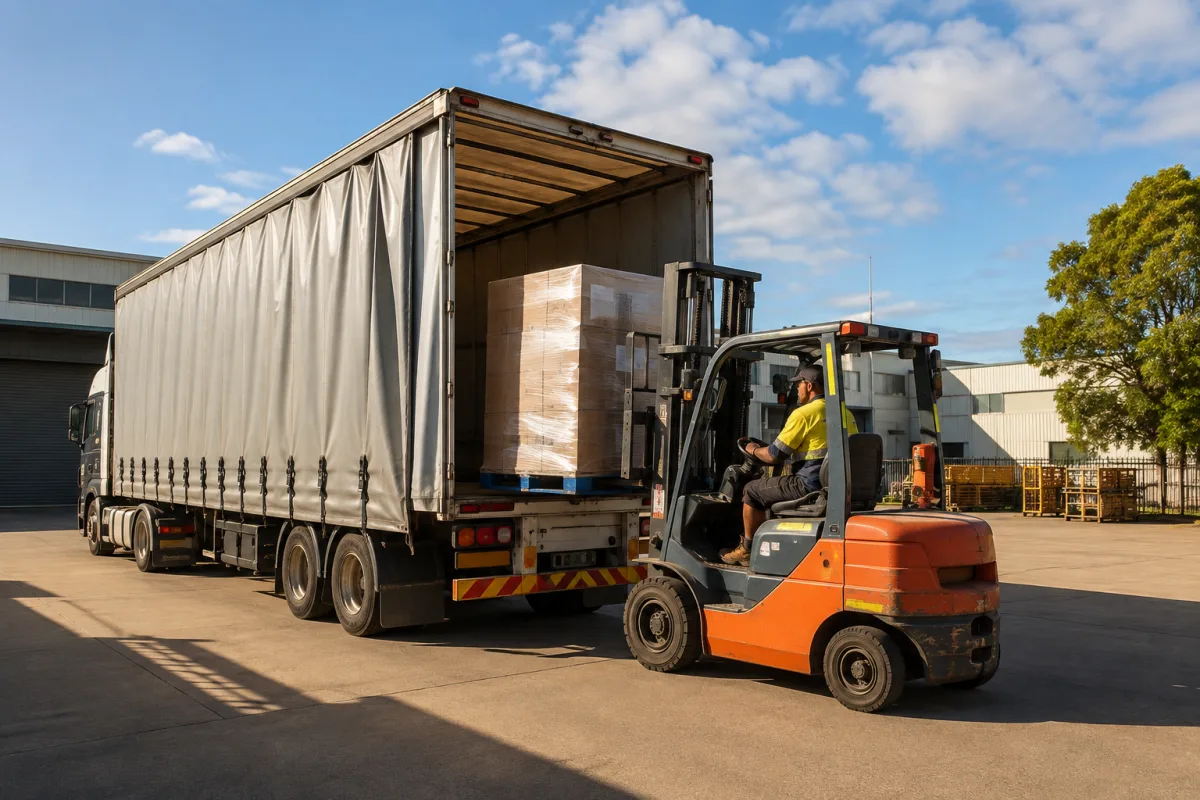
The Longest Road Leg to a Ferry in the Country
Why the mainland drive is planned backwards
Brisbane is further from the Bass Strait ferry than any other capital, and that single fact shapes how this job is run.
The road leg down the eastern seaboard is a genuine linehaul, several days of driving under the fatigue rules with proper changeovers built in. On an ordinary interstate run that would be the whole story: leave, drive, arrive. Here it is not, because at the end of it sits a sailing that leaves whether the truck is there or not.
So we plan the mainland leg in reverse. The sailing is booked first, the arrival deadline at the terminal is set from it, and the departure from Brisbane is worked back from that with margin built in for weather, roadworks and the ordinary friction of a long run. It is a different discipline from a straight linehaul, and it is the part that goes wrong when a carrier treats the crossing as an afterthought.
It also means the honest answer on transit is a range rather than a number. If your freight is ready on a Monday and the sailing is Wednesday, it moves quickly. If it is ready the day after a sailing, it waits. Tell us when the freight will genuinely be available and we will tell you which sailing it makes rather than quoting an average and hoping.
For anything time-critical, the conversation is worth having before you commit, not after.
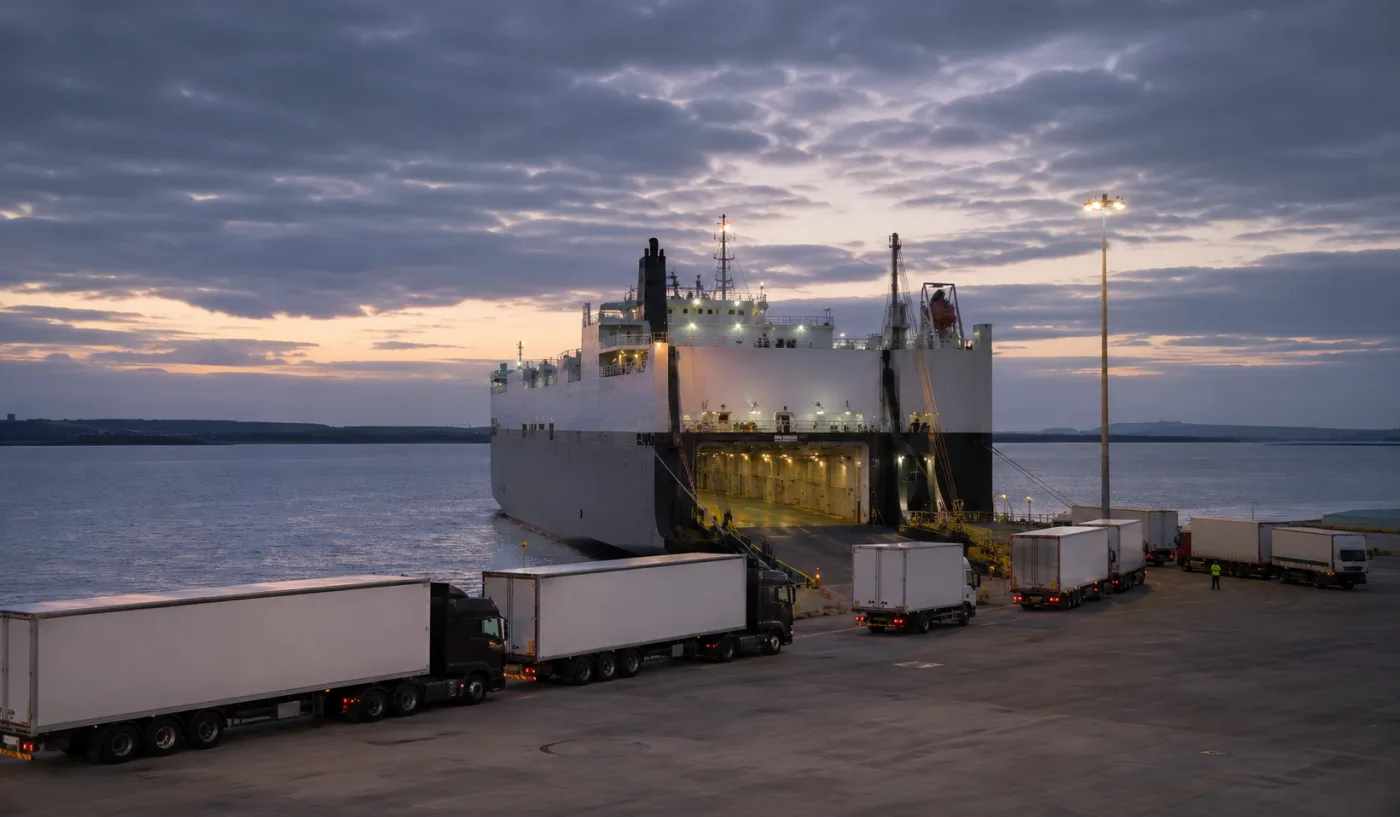
What Tasmania Sends North
The return leg, and why it matters to your rate
Tasmania imports most of what it consumes and exports a great deal of what it grows, and that imbalance is worth understanding when you are getting a price.
Southbound is the heavier direction. General and palletised freight, retail and grocery stock, building materials, machinery, packaging and hospitality supply all cross the strait to a state that manufactures relatively little of it.
Northbound is where the value sits. Salmon and seafood, dairy and cheese, vegetables and potatoes, fruit including cherries and berries, premium beef and lamb, wine and whisky. A large share of it is temperature-controlled and time-critical, and much of it is heading for mainland markets or export gateways where arriving in condition is the whole point.
Cherries deserve a mention of their own. The season runs roughly December to February, it is short, the fruit is high value, and it moves fast. Through that window, capacity across the strait is under pressure from every direction at once, and planning ahead stops being optional.
For a sender, the practical consequence is simple. A trailer that carries freight in both directions costs less to run than one crossing empty, and on a route with a fixed-cost sea leg in the middle, that difference is more pronounced than usual. If you have return freight, or you are a Tasmanian producer sending north, say so at quote stage.
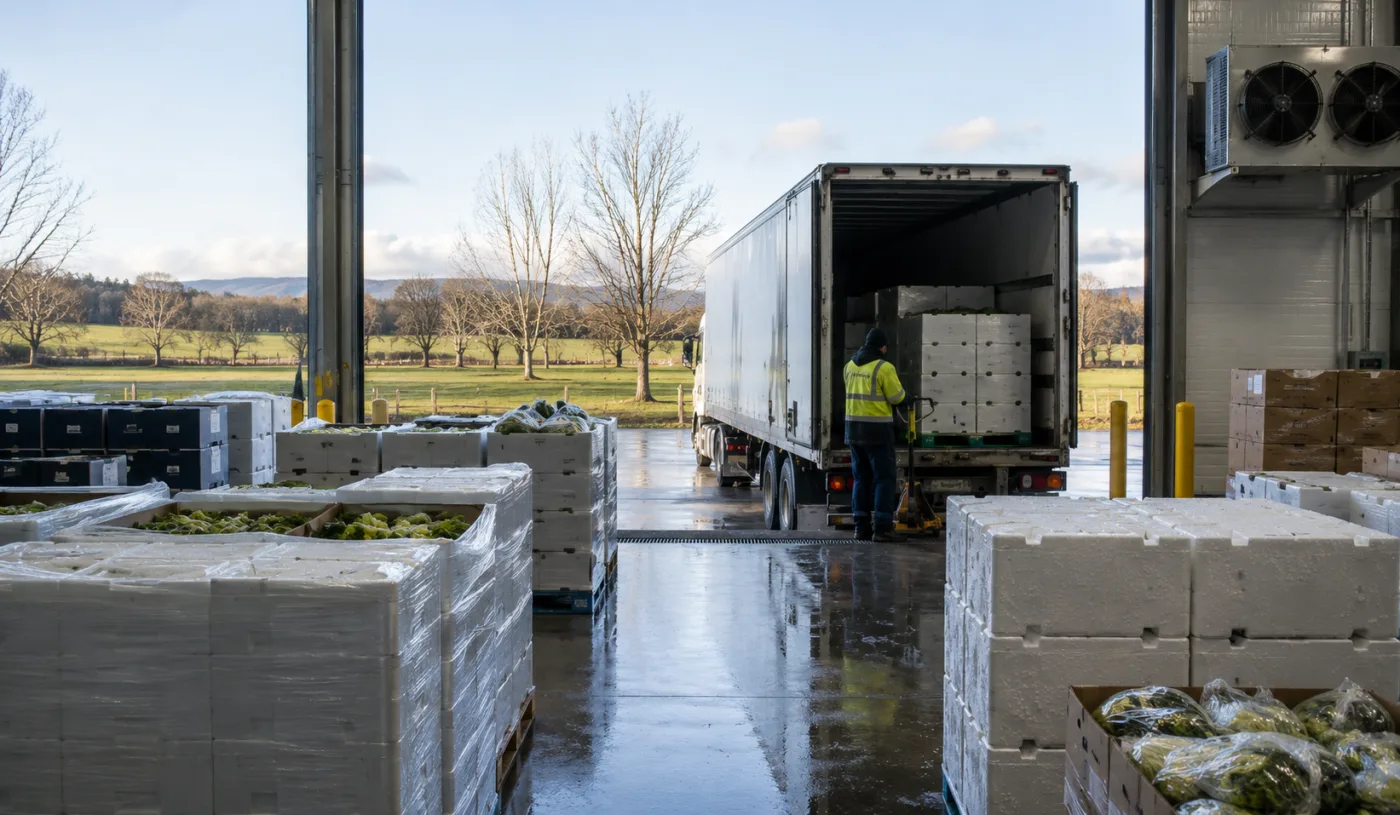
What we carry on this route
This lane carries supply south and produce north, with a fixed sailing in the middle that shapes the timing of everything. These are what we move most often. If yours is not listed, ring us, and tell us when the freight will genuinely be ready.
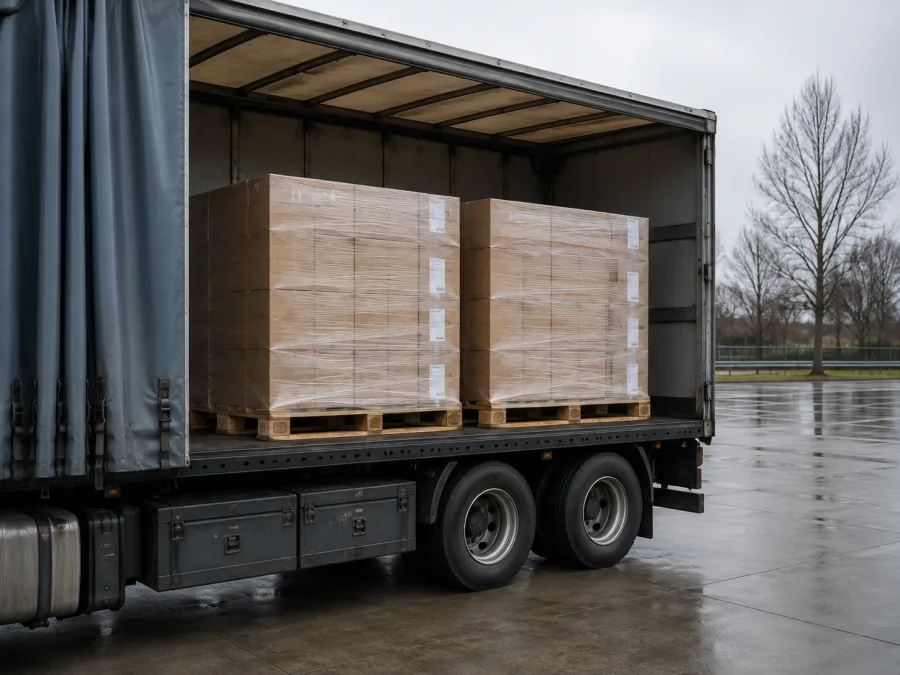
Palletised & General Freight
Standard and oversize pallets out of Acacia Ridge and Wacol, consolidated for the long run south and the crossing.
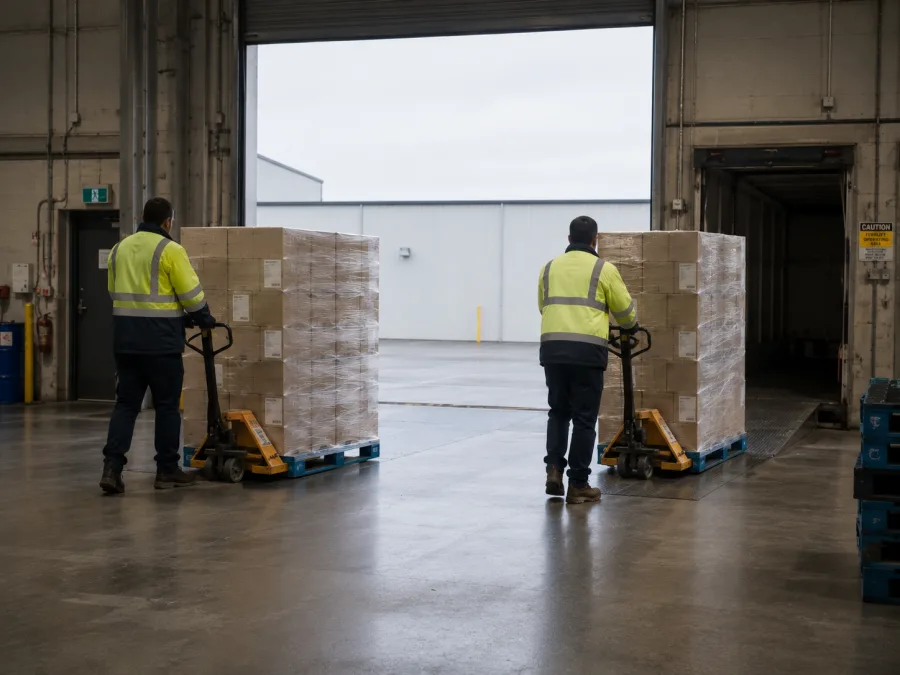
Retail & Grocery Stock
Store and warehouse replenishment for a state that imports most of what it sells. Steady, high volume.
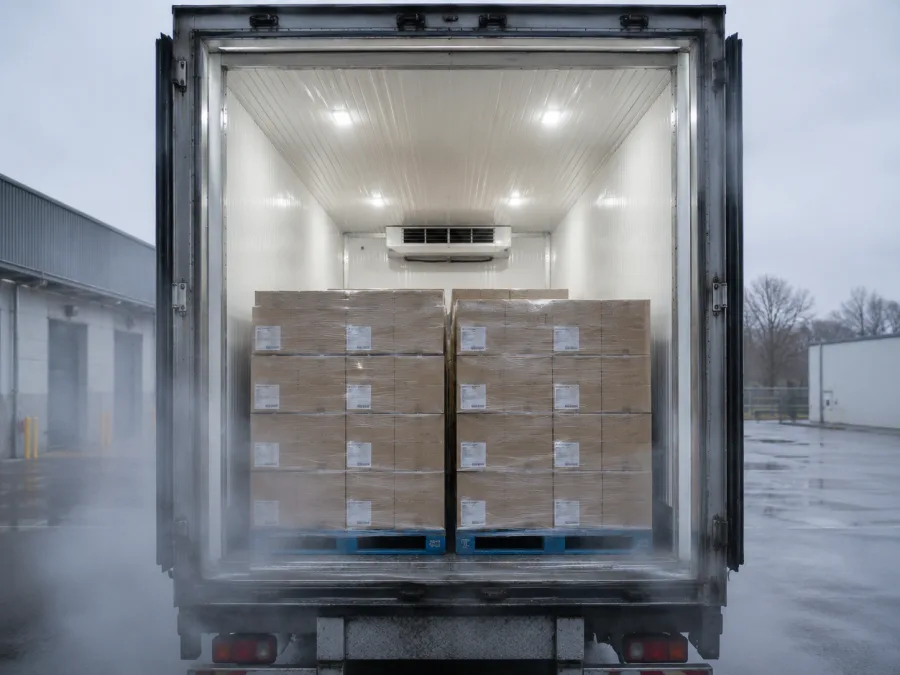
Chilled & Temperature-Controlled
Set-temperature capacity holding condition across a multi-day road leg and a sea crossing. The hardest freight on this lane and the most common.
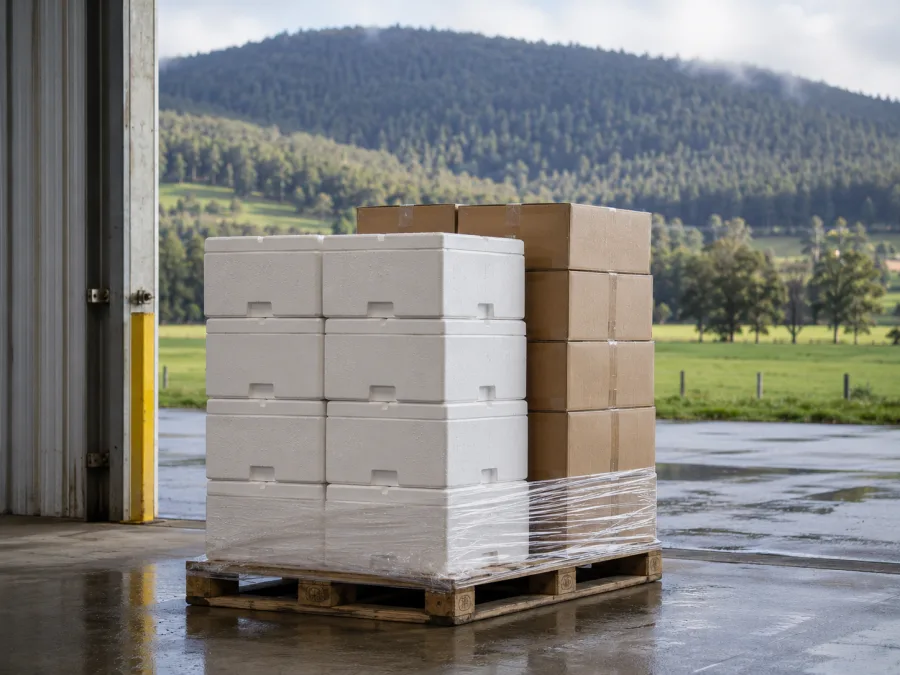
Tasmanian Produce North
Salmon, dairy, vegetables, fruit and premium meat heading to mainland markets. Time-critical and temperature-controlled.
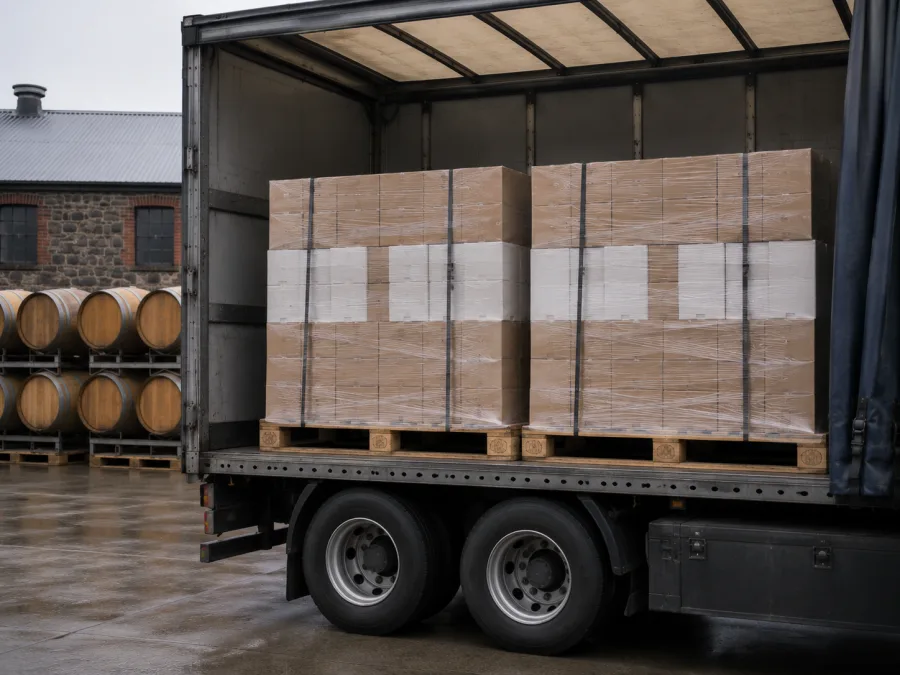
Wine, Whisky & Premium Beverage
Cased product from Tasmanian producers to mainland distributors. Dense, palletised, and it does not like heat.

Building & Construction Materials
Fixings, framing, cladding and site consumables for Hobart's residential and commercial building.
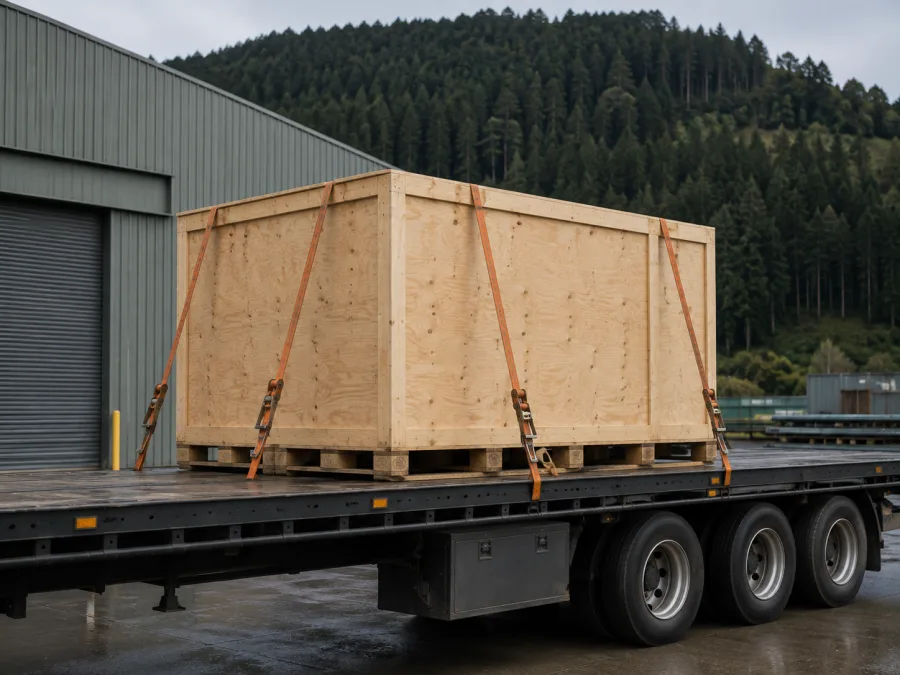
Machinery, Plant & Equipment
Crated components and plant for Tasmanian industry and agriculture. Lift and access confirmed before we load.

Hospitality & Tourism Supply
Stock, equipment and consumables for Hobart's accommodation and food service sector.
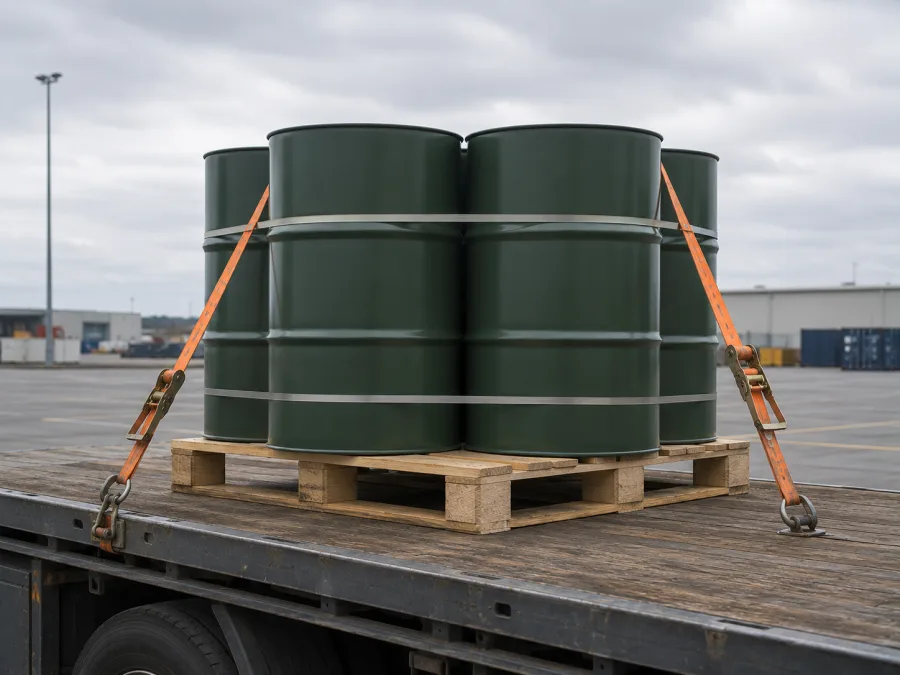
Dangerous Goods
Approved classes with correct documentation, segregation and placarding. Ferry operators apply their own DG rules, so tell us early.
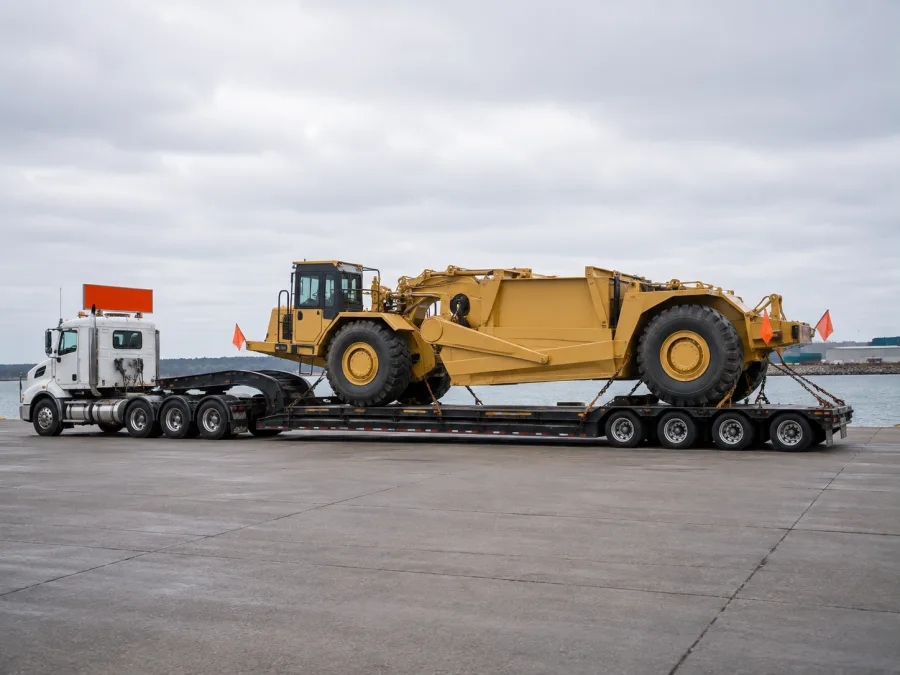
Oversize & Heavy Haulage
Over-dimensional and over-mass loads on permit across several jurisdictions, and within the ferry's own limits. Send dimensions and mass early.
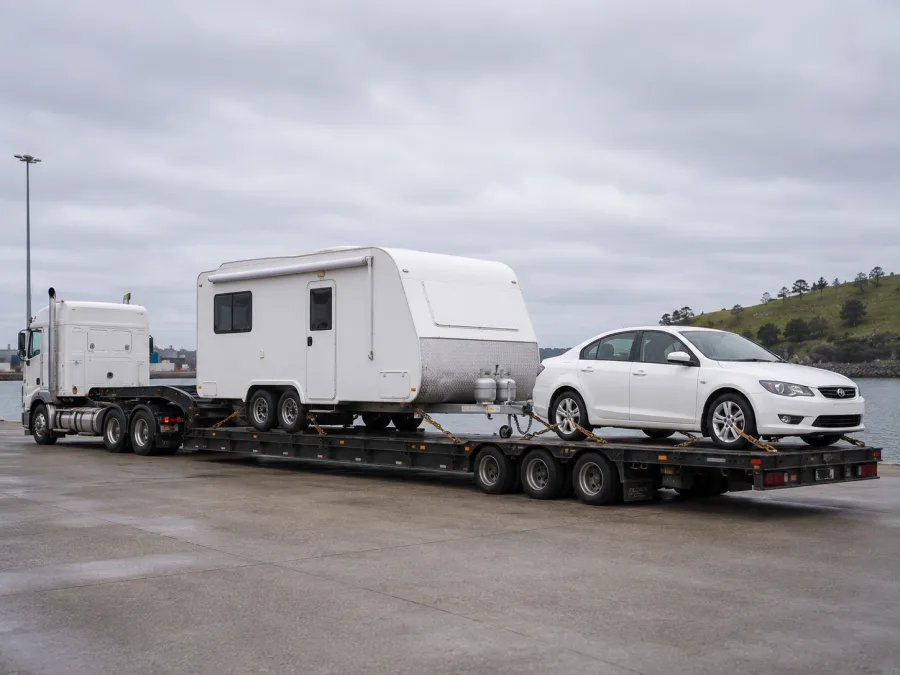
Cars, Caravans & Boats
Relocations, dealer transfers and vehicles moving with their owners. Give us dimensions and registration status.
Why choose Ozcoast for Brisbane to Hobart
One Company, One Job
Road, crossing and road, coordinated end to end. You deal with us, not three operators.
We Plan Backwards From the Sailing
The ferry does not wait. The departure is set from the booking, not the other way round.
Honest About the Timing
If your freight misses a sailing it waits, and we will tell you that before you book rather than after.
Cold Chain Across the Strait
Temperature held through a multi-day road leg and a sea crossing.
We Know the Summer Squeeze
Christmas and school holidays tighten capacity hard. We book ahead rather than scrambling.
Produce North Prices Better
A loaded return leg cuts the cost of a route with a fixed sea leg in the middle.
A Name and a Direct Line
One coordinator across all three legs.
Collection & delivery areas
Brisbane CBD, Eagle Farm, Acacia Ridge, Wacol, Richlands, Rocklea, Yatala and Australia TradeCoast
Hobart CBD, Glenorchy, Derwent Park, Moonah, Cambridge, Kingston and the greater Hobart region
Frequently asked questions
How long does freight take from Brisbane to Hobart?
Is this a road service or a sea service?
What happens if my freight misses the sailing?
Can you hold temperature across the crossing?
Do you carry freight from Hobart back to Brisbane?
Is summer harder to book?
Can you move a car or caravan to Tasmania?
Can you carry dangerous goods to Tasmania?
How is a part load priced on this route?
Get a quote for Brisbane to Hobart
Tell us what you are moving and we will send a clear, itemised quote with no obligation, usually within business hours.