Key Takeaways
- Road freight remains the backbone of Australia's logistics network.
- Choosing the right vehicle type is crucial for efficiency and cost savings.
- Compliance with Chain of Responsibility (CoR) is non-negotiable.
- Partnering with a reliable provider ensures uninterrupted supply chains.
Road freight is the backbone of domestic logistics in Australia. It moves the majority of the country's freight by value, from pallets of stock between warehouses to heavy machinery bound for remote sites. For most businesses, road transport offers the best balance of cost, flexibility and reach, especially given the distances between our population centres.
Common Types of Road Freight Services
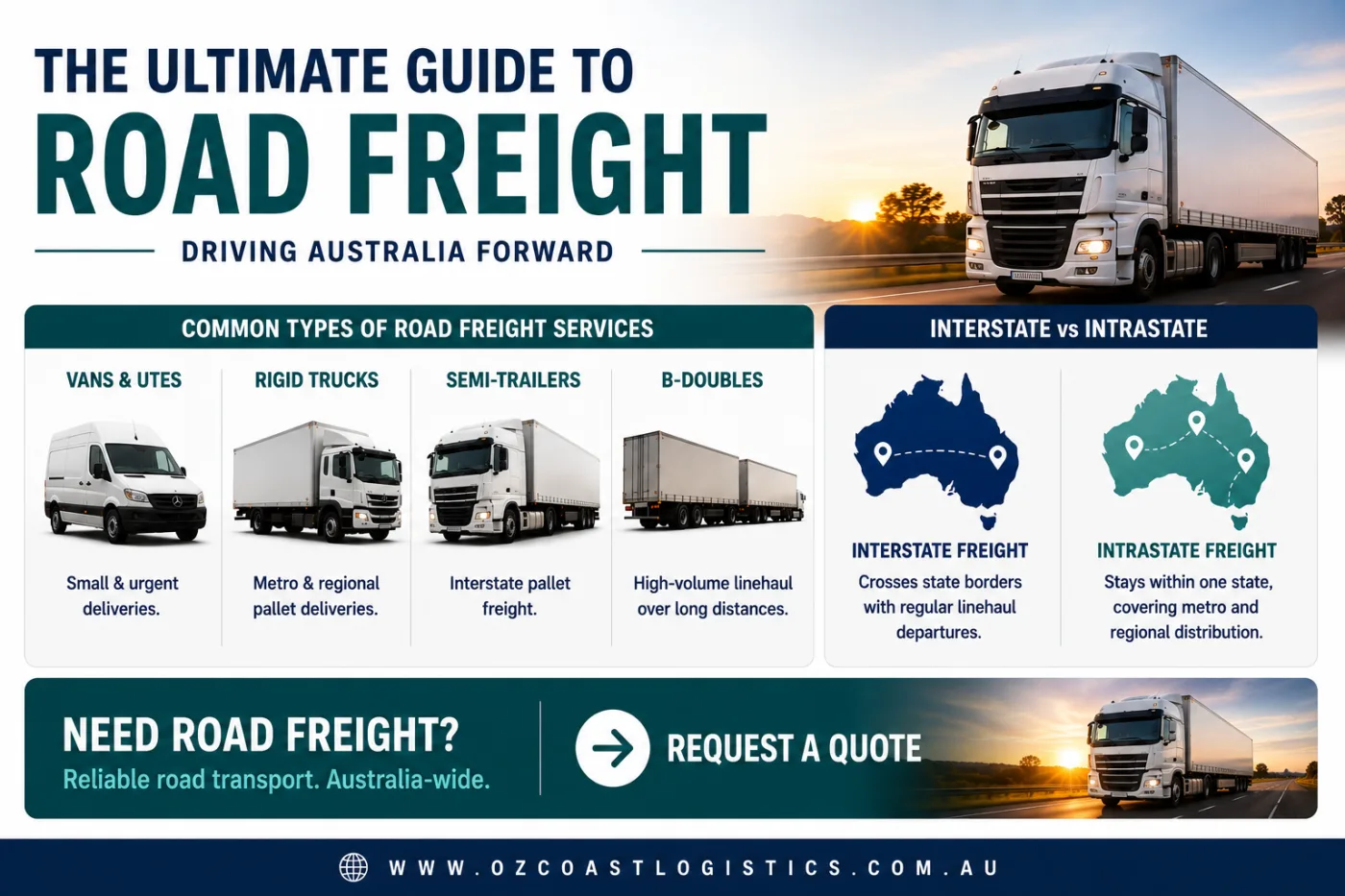
Matching the right vehicle to the load is central to efficient road transport. Rather than forcing your freight into whatever is available, here are the main options you will encounter:
Vans & Utes
Perfect for small parcels, urgent documents, and fast light local deliveries within metropolitan areas.
Rigid Trucks
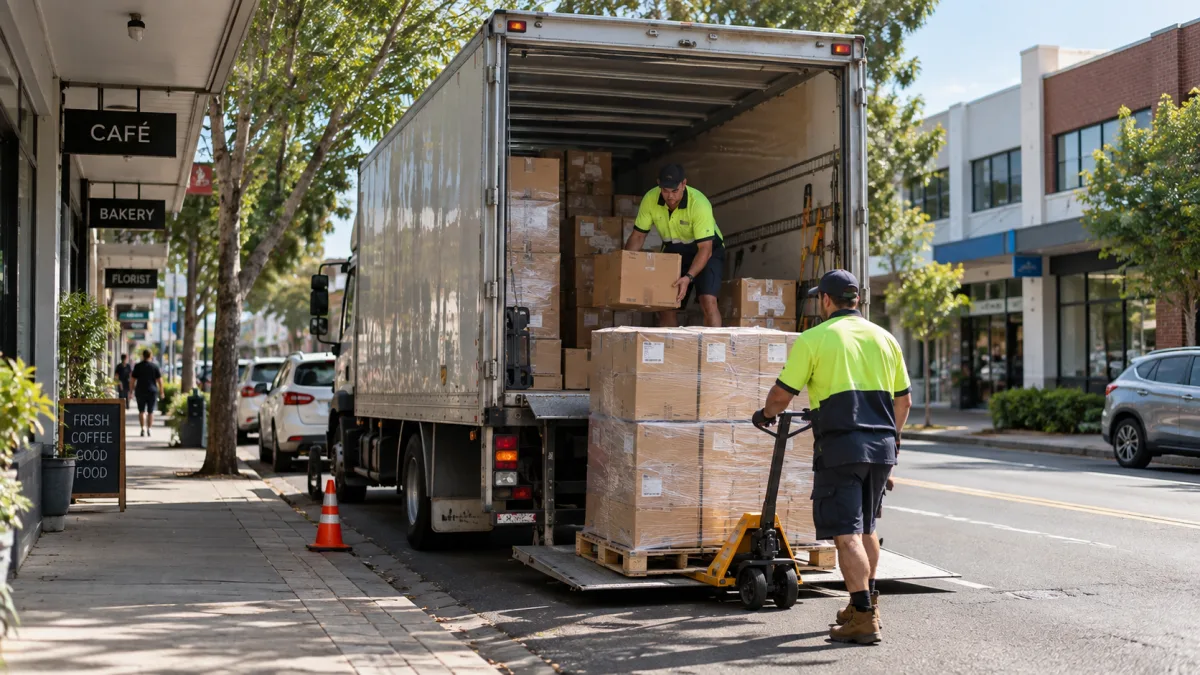
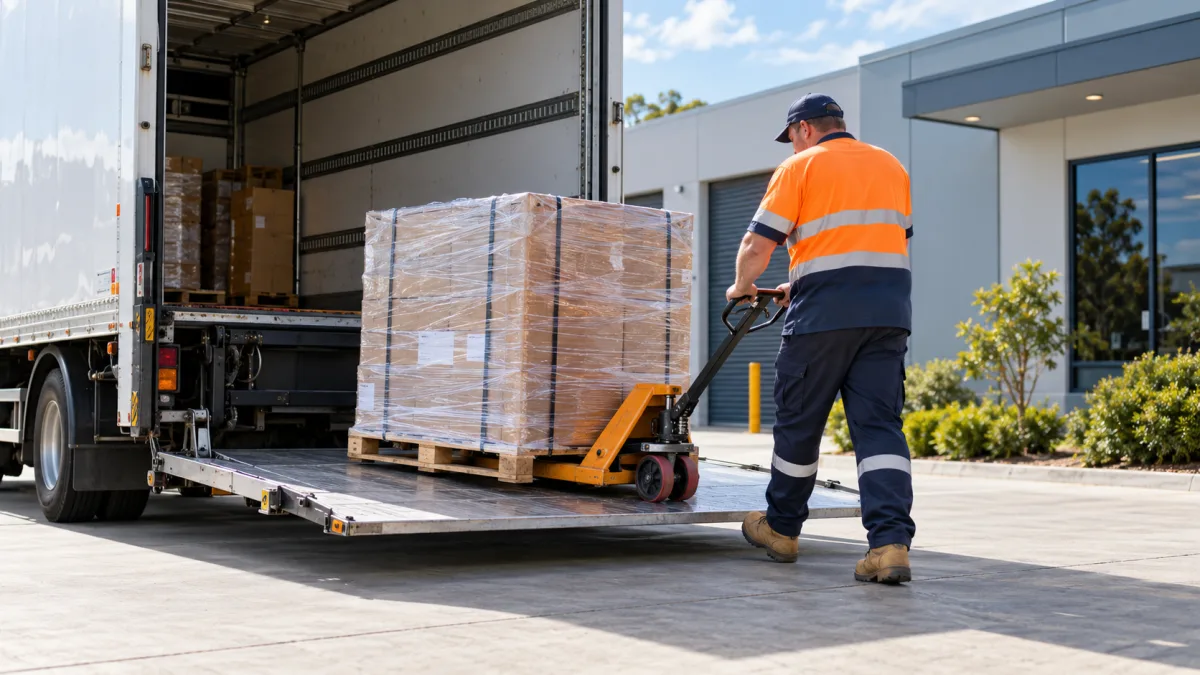
Ideal for metro and regional runs with tail-lift access. Can handle a few pallets up to medium loads.
Semi-trailers
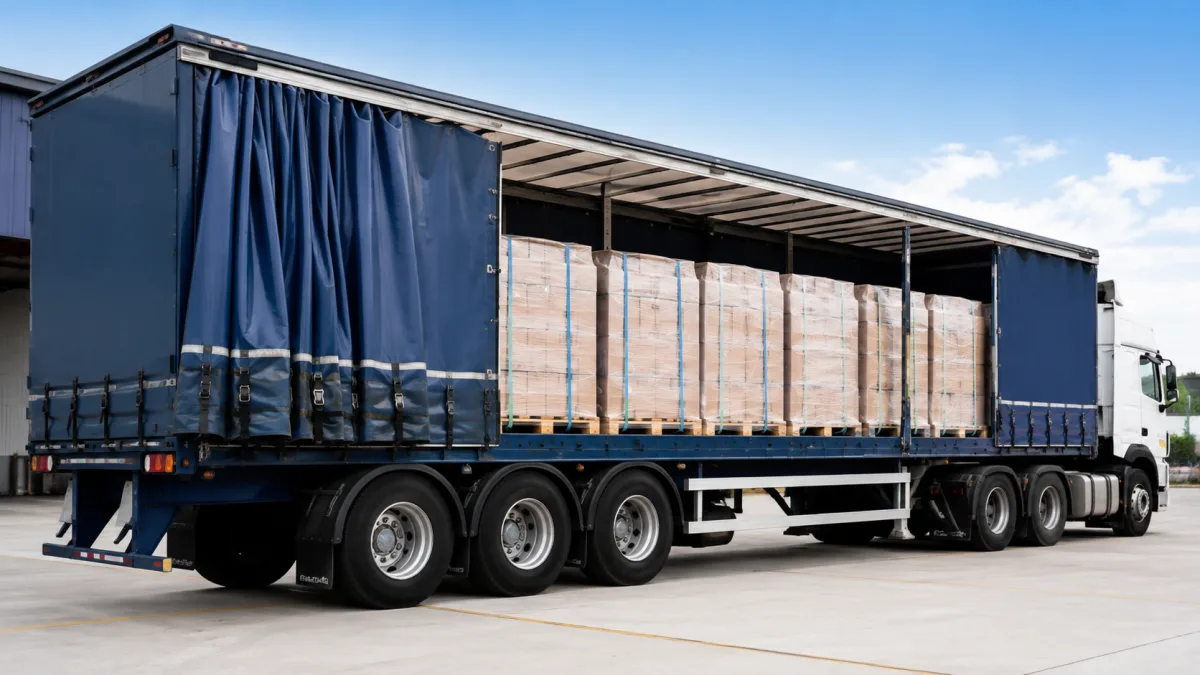
The standard workhorse for full pallet loads across city networks and primary interstate lanes.
B-Doubles
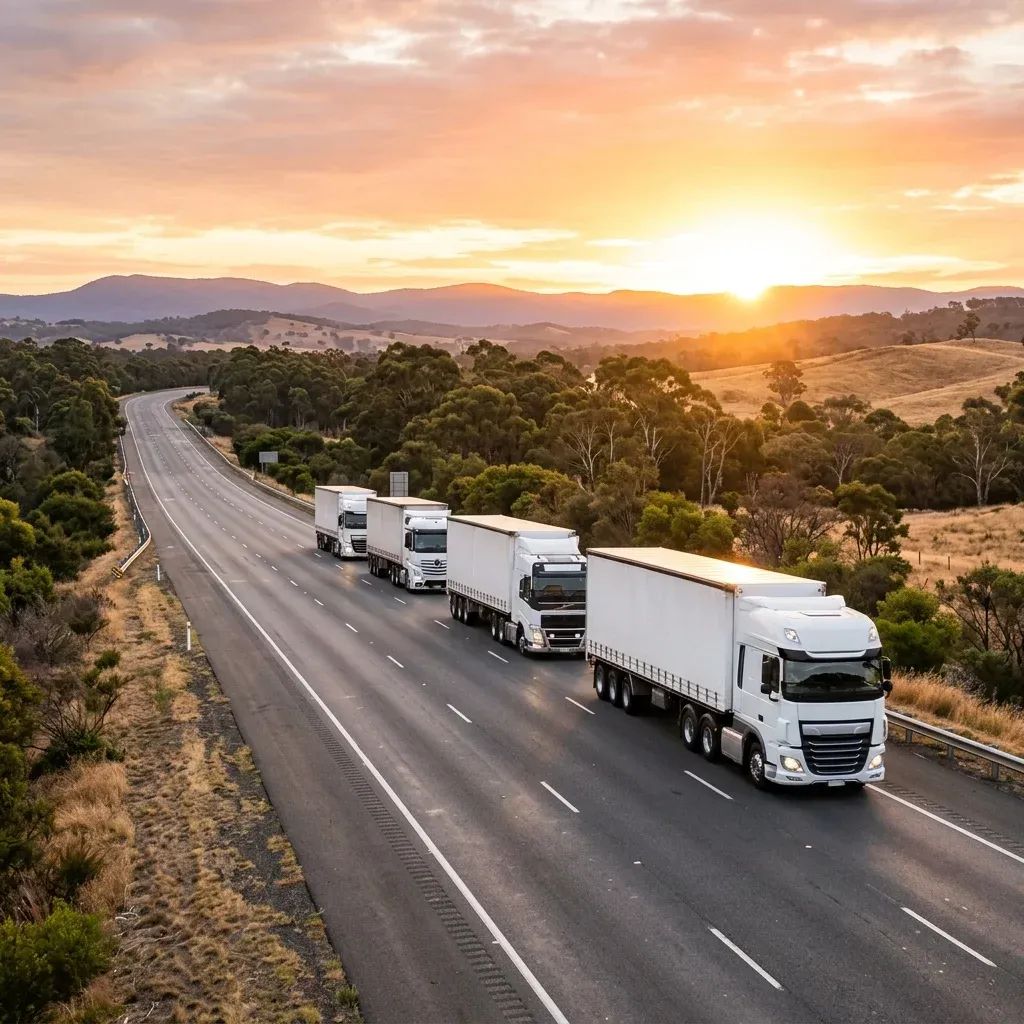
Utilising two trailers for high-volume linehaul over long distances, providing a strong cost-per-tonne ratio.
Interstate and intrastate freight
Road freight is usually described by where it travels. Interstate freight crosses state borders, such as a load moving from Sydney to Perth, and is typically planned around regular linehaul departures to keep costs efficient. Intrastate freight stays within one state, covering metro and regional distribution. Understanding which one your job is helps you plan transit times and pricing.
Conditions of Road Freight in Australia
Road freight in Australia operates under the Heavy Vehicle National Law. The key is to flag any special requirement at the quoting stage so the right vehicle and compliance are arranged from the start.
Chain of Responsibility
CoR means that everyone in the supply chain shares responsibility for safety, including providing accurate load weights.
Fatigue Management
Strict laws prevent delivery schedules that would push a driver into fatigue or speed breaches.
Load Restraint
Ensuring loads are suitably secured for lawful transport across various road conditions.
Dangerous Goods
Requiring licensed drivers, correct placarding, and compliant vehicles for safe transport.
Choosing a Road Freight Provider
When you are comparing providers, look beyond the headline rate to ensure a seamless logistics experience:
National Coverage
Can they reach all your destinations reliably, including regional and remote sites?
Fleet Range
Do they operate the actual vehicle types and trailers your freight specifically needs?
Transparent Pricing
Is the quote clearly itemised, with fuel levies and potential surcharges shown upfront?
Proof of Delivery
Do they provide immediate electronic Proof of Delivery (POD) upon job completion?
Getting it right
Road freight gives Australian businesses unmatched reach and flexibility, but the results come down to preparation: describe your freight accurately, choose a service level that matches the urgency, and work with a provider whose fleet and network fit your needs. Get those basics right and your goods will move safely, on time and at a fair price.