
Adelaide to Hobart Freight, Road and Ferry Arranged
Getting freight from Adelaide to Hobart isn't a straight drive, because Tasmania is an island and there's no road across Bass Strait. What we do is coordinate the whole move end to end: road from Adelaide to the mainland ferry terminal, the sea crossing arranged on the Bass Strait ferry, then road delivery down to Hobart. You deal with one company and get one door-to-door service, even though the freight travels by road and sea. Ozcoast Logistics handles the road legs and arranges the crossing, so you're not stitching together three separate bookings yourself.
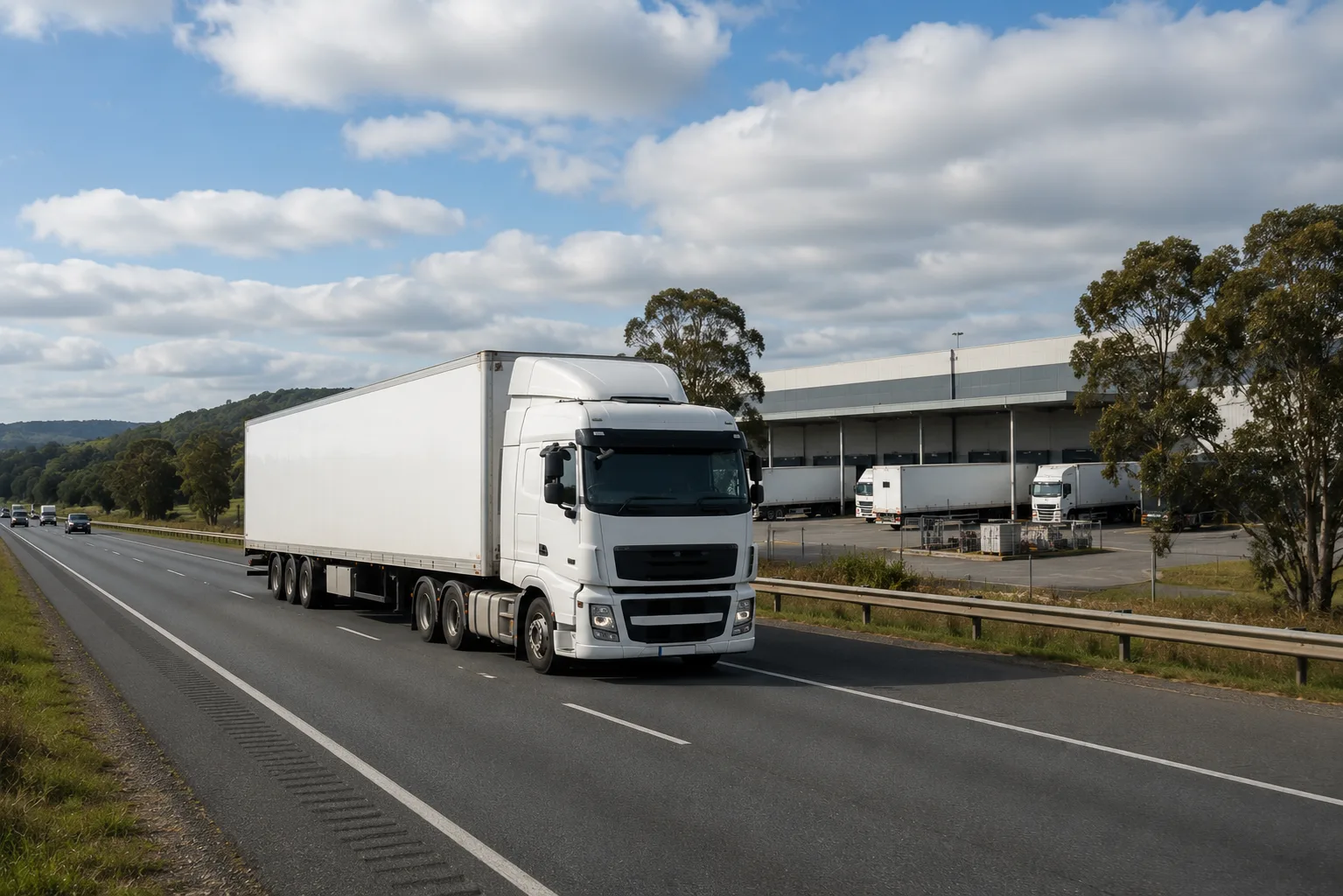
The Adelaide to Hobart corridor
Here's how a load actually moves. We collect in Adelaide and run it by road across to the mainland ferry terminal at Geelong. From there it crosses Bass Strait to Devonport on the Spirit of Tasmania, which is a scheduled sailing rather than an on-demand service. Once it's in Tasmania we take it by road down through the north of the state to Hobart and deliver.
To be completely clear about what we do and don't do: Ozcoast is a road freight company. We drive the road legs at both ends and we arrange your space on the ferry crossing, but we don't operate the ship. The sea leg belongs to the ferry service. What you get from us is the coordination, so one booking covers all three legs and one coordinator owns the whole journey.
The ferry timetable is the thing that shapes this route, and it's worth understanding. Because the crossing runs to a schedule, your freight needs to make a sailing, and missing a cut-off at the terminal means waiting for the next one. We build the road legs around the sailing rather than the other way around, so your freight arrives at the terminal in time to cross rather than sitting there for a day. That's the single biggest difference between this route and a mainland run, and it's why we quote a realistic door-to-door window rather than pretending it's just driving time.
The peak season matters more here than on most lanes. Over summer, roughly December to February, the ferry fills with tourist vehicles and holiday traffic, and freight space tightens accordingly. If you're moving anything into or out of Tasmania over summer, book well ahead.
Smaller consignments move as part loads, so you pay for the space you take. Full loads travel as dedicated freight. Cars, caravans and boats cross the same way, and Tasmania is a popular destination for touring vehicles, so that traffic is steady. One coordinator owns your job from collection to delivery, across all three legs, and you'll have their direct line rather than a queue.
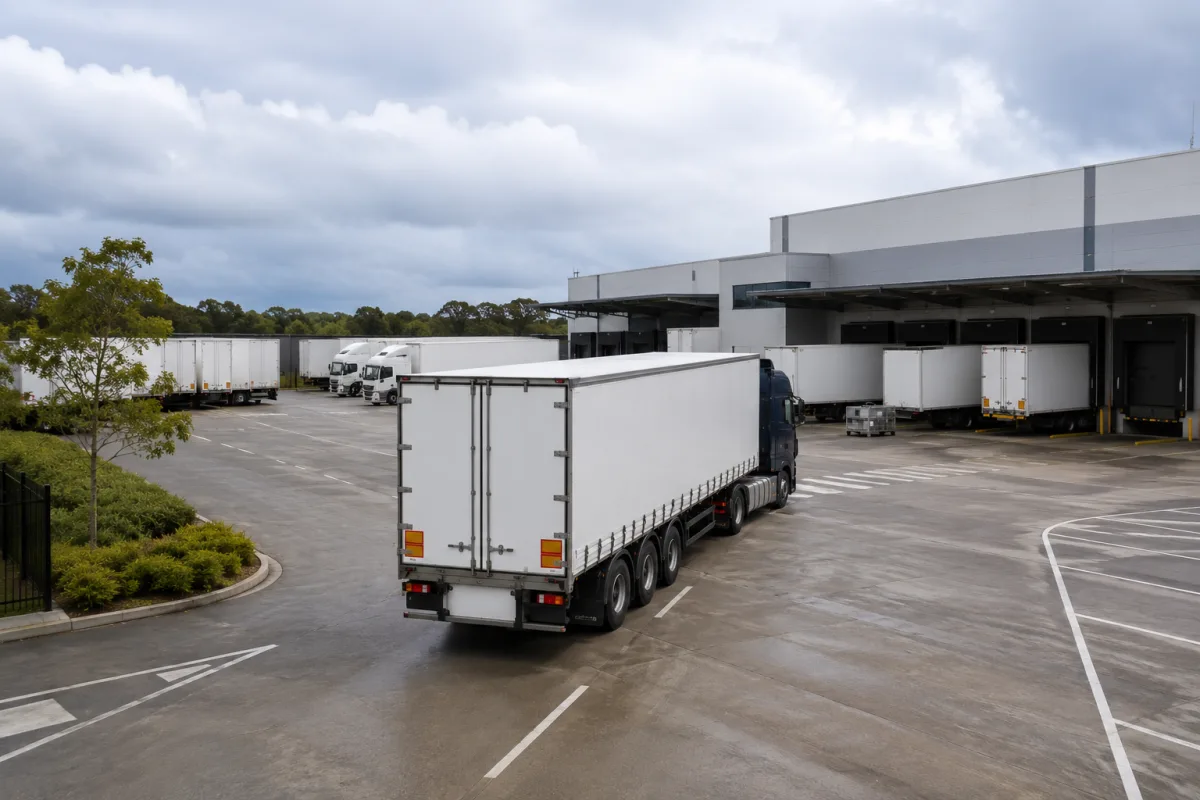
How the Bass Strait Crossing Actually Works
Road, sea, road, and who does what
The part that confuses people about sending freight to Tasmania is the middle leg, so here's the plain version.
Your freight leaves Adelaide by road and travels to the mainland ferry terminal. It crosses Bass Strait by sea on the scheduled ferry service. It arrives at Devonport in the north of Tasmania, and we take it by road down to Hobart. Three legs, two of them road and one sea, coordinated as a single job.
Ozcoast drives the road and arranges the sea. We are a road freight operator, not a shipping line, so we don't own or run the vessel. What we do is book your space on the crossing, get your freight to the terminal in time for its sailing, and complete the delivery at the Tasmanian end. The value we add is that you make one booking instead of three and deal with one coordinator instead of chasing a road carrier, a ferry operator and a Tasmanian delivery agent separately.
Because the sea leg runs to a timetable, timing is everything. Freight has to reach the terminal before the cut-off for its sailing, and a missed cut-off means the next available crossing. We plan the road legs backwards from the sailing so your freight makes its boat, which is exactly the sort of thing that goes wrong when a move is stitched together from separate bookings that don't talk to each other.
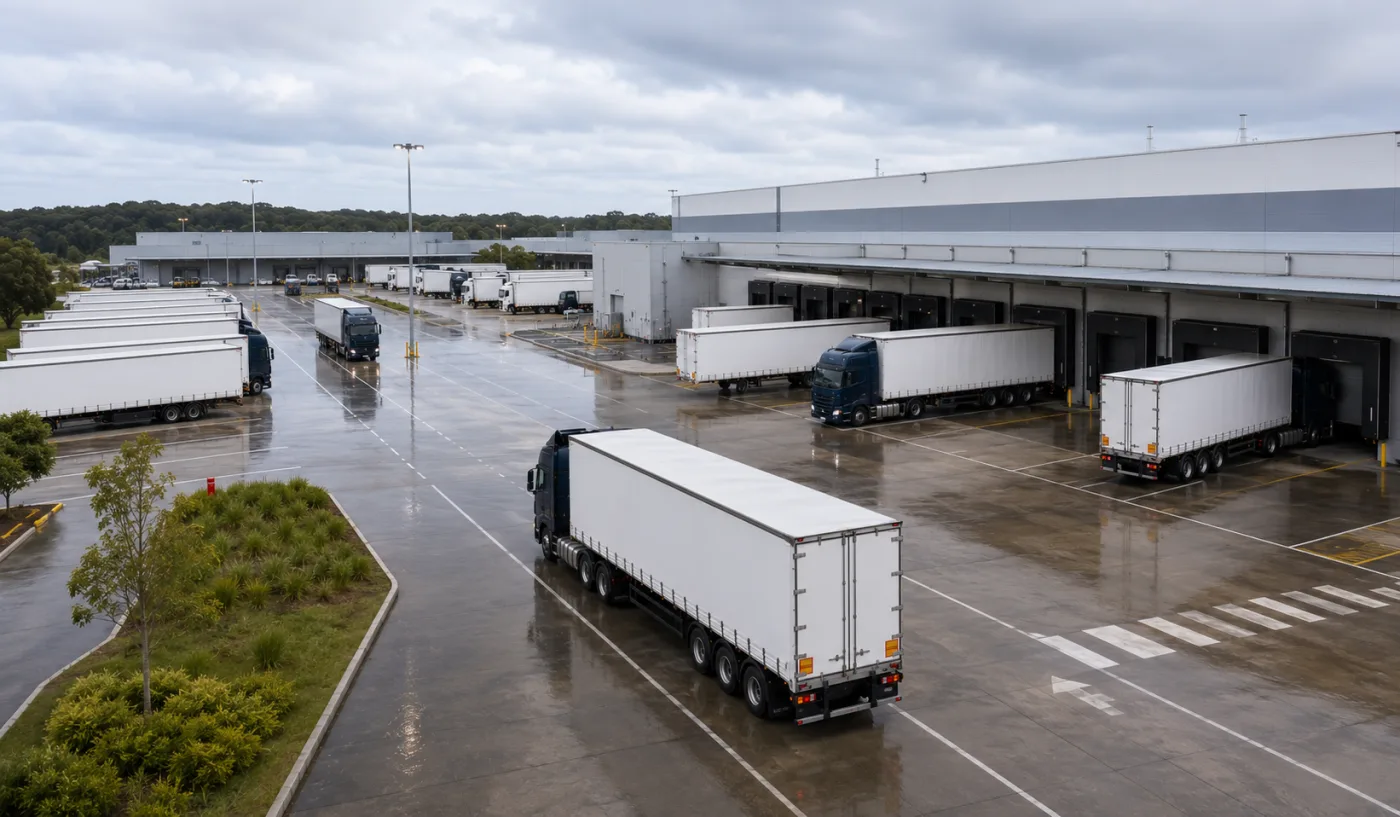
Cars, Caravans and Boats to Tasmania
Touring vehicles cross Bass Strait constantly
Tasmania is one of the country's great touring destinations, and a lot of what crosses Bass Strait has wheels of its own.
Cars cross regularly, both as relocations and as dealer stock. Tasmania sources a good deal of its vehicle stock from the mainland, and people moving to or from the island send the car across rather than leaving it behind. We handle the road legs and arrange the crossing, the same as with any freight. Runners and non-runners both, though flag a non-runner at booking because it needs winching.
Caravans and campers are a big part of the Tasmania traffic, because the island is prime touring country and owners often send the rig across rather than tow it to the terminal and back. Give us length, height and registration status. Summer books out early, so plan ahead if you're crossing in the peak.
Boats head to Tasmania for the fishing and the coast. As with everything on this route, that's road to the terminal, sea across the Strait, road at the other end. Height at the highest point decides the price on the road legs, so measure it before you ring.
Motorbikes travel crated, palletised or strapped upright in chocks. Trucks, trailers and plant relocate across too, and machinery and equipment for Tasmanian businesses moves the same coordinated way. Whatever it is, the model is the same: we drive the road, we arrange the sea, you get one booking.
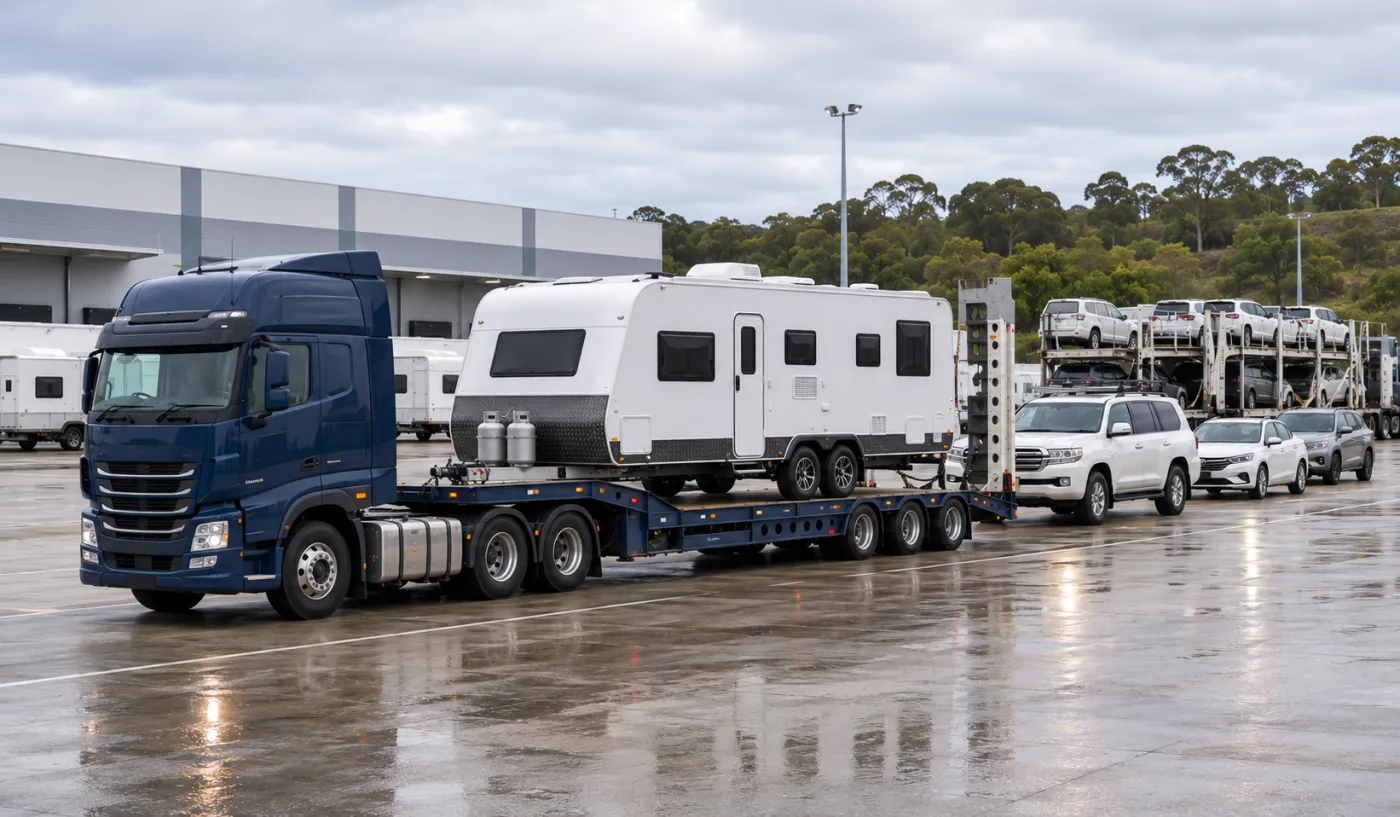
The Ferry Timetable Is the Calendar
When to book, and when it gets tight
On the mainland lanes, weather and harvest move the schedule. On this route it's the ferry, and knowing its rhythm saves you real money and real waiting.
Summer, roughly December to February, is the crunch. The Bass Strait crossing fills with holiday traffic and tourist vehicles, and freight competes for the space that's left. This is the window where booking ahead stops being advice and becomes essential. Leave it late in January and you may be waiting days for a sailing.
School holidays through the year create smaller versions of the same squeeze, as family travel lifts demand on the crossing for a week or two at a time.
The Tasmanian produce seasons pull freight the other way. The island's fruit, seafood and specialty food industries generate real outbound volume at harvest, so the return leg has its own busy windows that don't line up with the tourist peak.
The easy months are the shoulders, autumn and late spring, when the tourist traffic has eased but the weather across the Strait is still reasonable. If your freight can choose its moment, those are the times when space is easiest and the crossing most predictable.
Winter crossings are quieter and easier to book, though Bass Strait weather can occasionally delay a sailing. We build that possibility into winter quotes rather than promising a timing the weather might not allow.
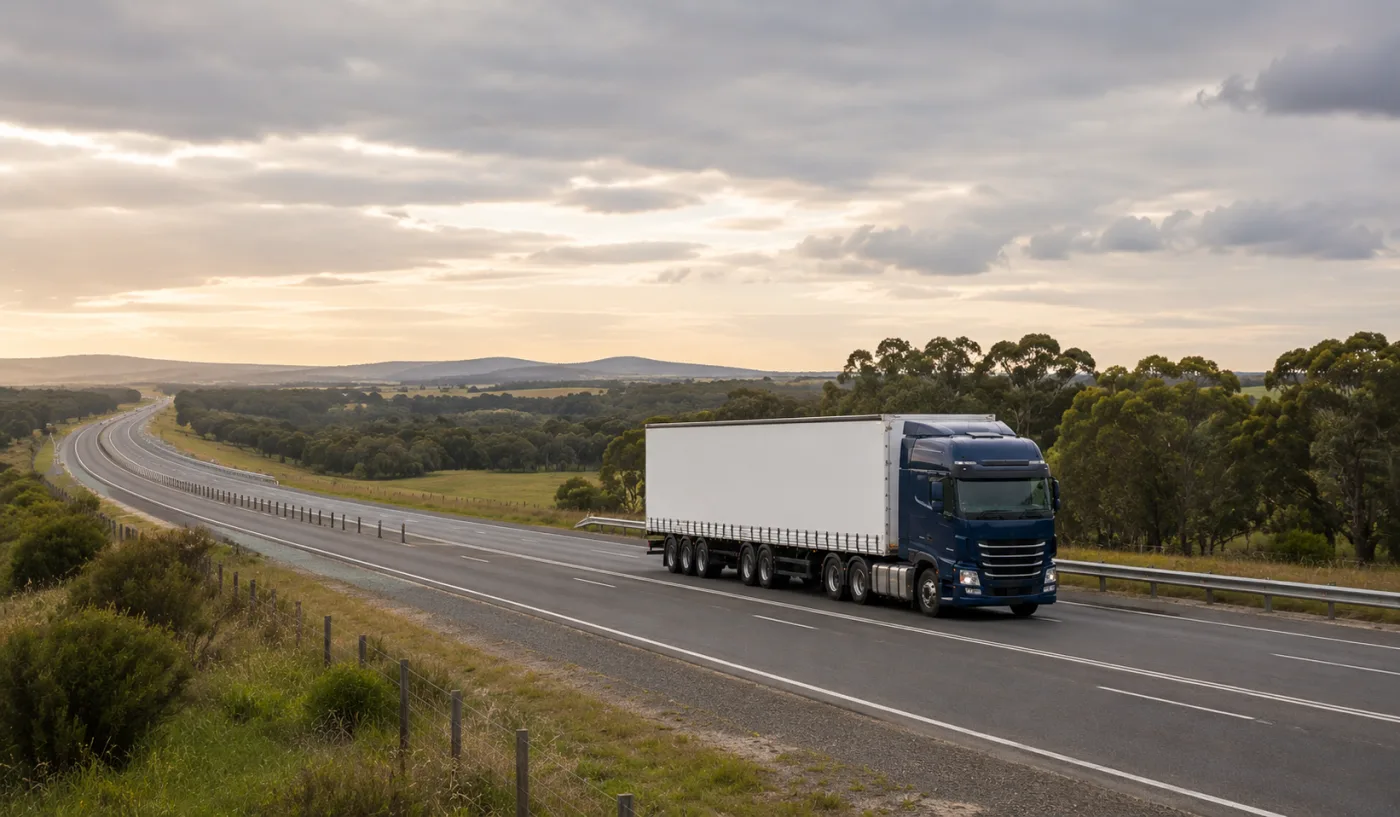
What we carry on this route
Freight to Tasmania crosses in the same coordinated way whatever it is: road to the terminal, sea across the Strait, road to the door. These are the categories we move most often on this route. If yours isn't here, ring us and we'll confirm the handling and the crossing before you book.
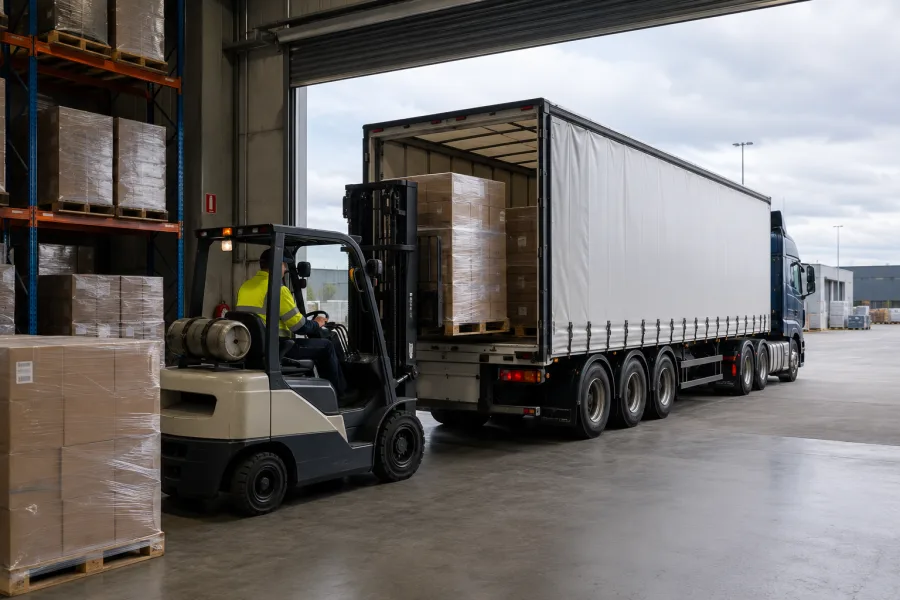
Palletised & General Freight
Standard and oversize pallets out of Wingfield, Regency Park and Gepps Cross, road to the terminal, across the Strait, and delivered into the Hobart area. Strapped for a sea crossing as well as a road run.
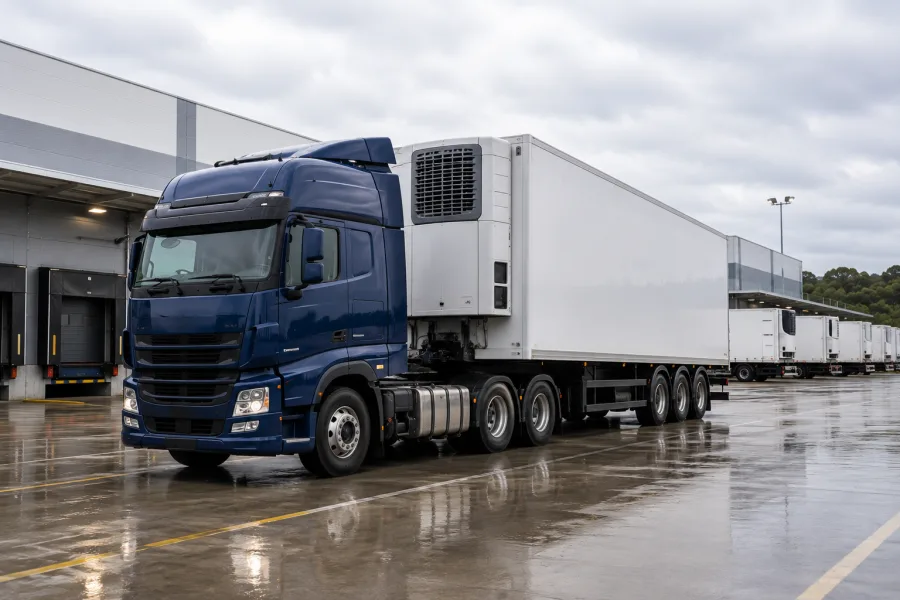
Chilled & Temperature-Controlled
Dairy, smallgoods, produce and beverage on set-temperature capacity, coordinated through the crossing so the cold chain holds across all three legs. Tell us the delivery window when you book.
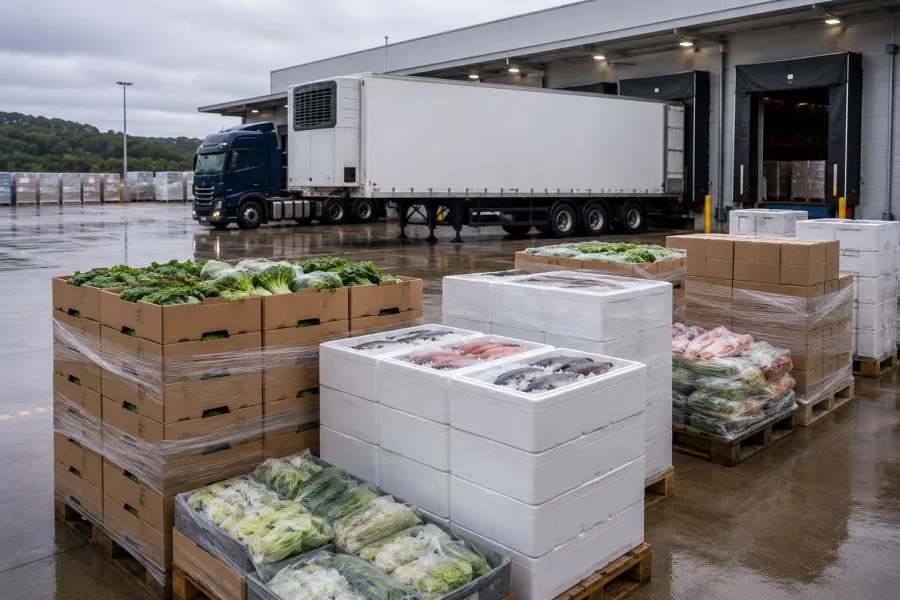
Tasmanian Produce & Seafood (Return Leg)
Fruit, seafood and specialty food coming back the other way, off the island to the mainland. This is where the return traffic lives, and it's worth asking about for a better round-trip rate.
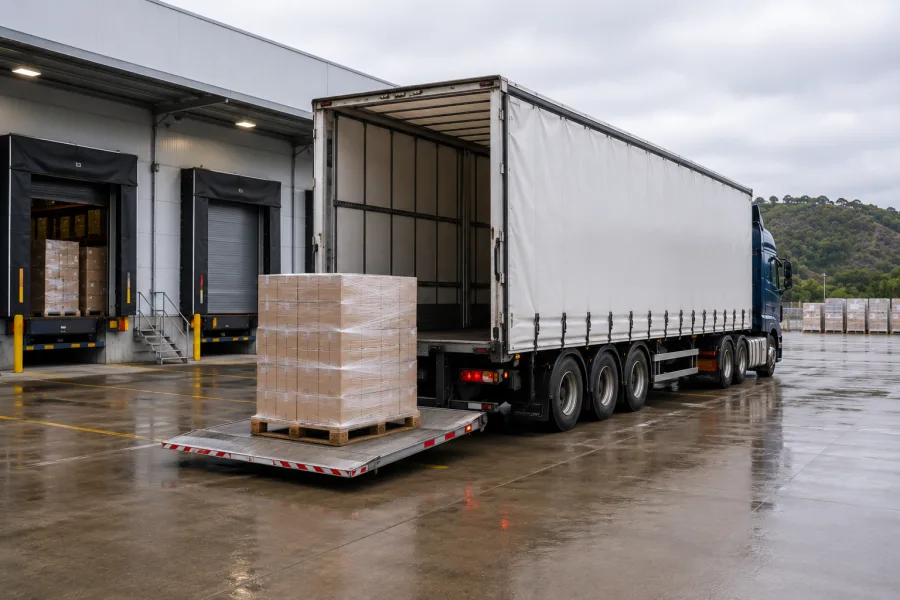
Retail & E-Commerce Replenishment
Store and DC restocking into Glenorchy, Derwent Park and Moonah. The island imports the bulk of its retail goods, so this is steady, year-round freight.
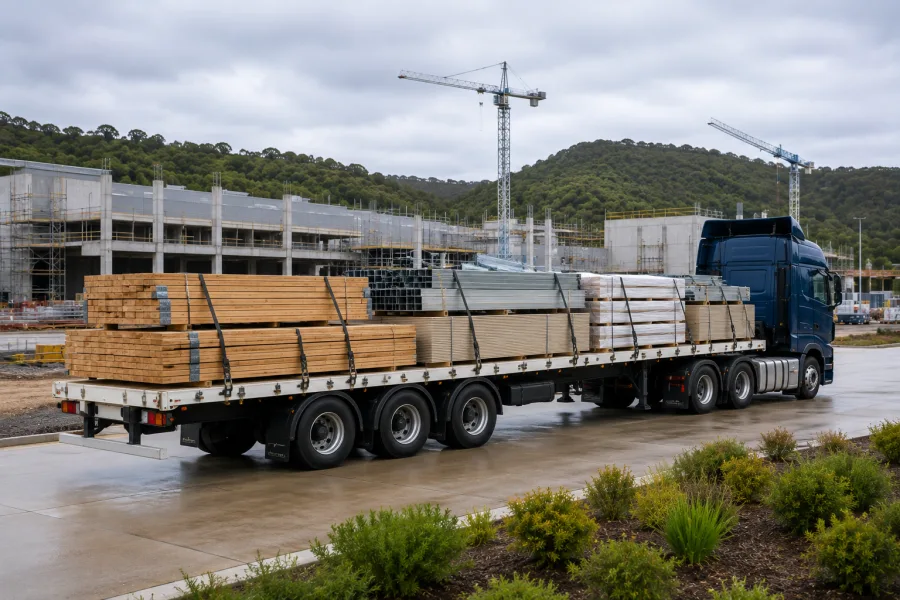
Building & Construction Materials
Fixings, framing, joinery and site consumables to Hobart and southern Tasmania, up from the mainland where much of the supply originates.
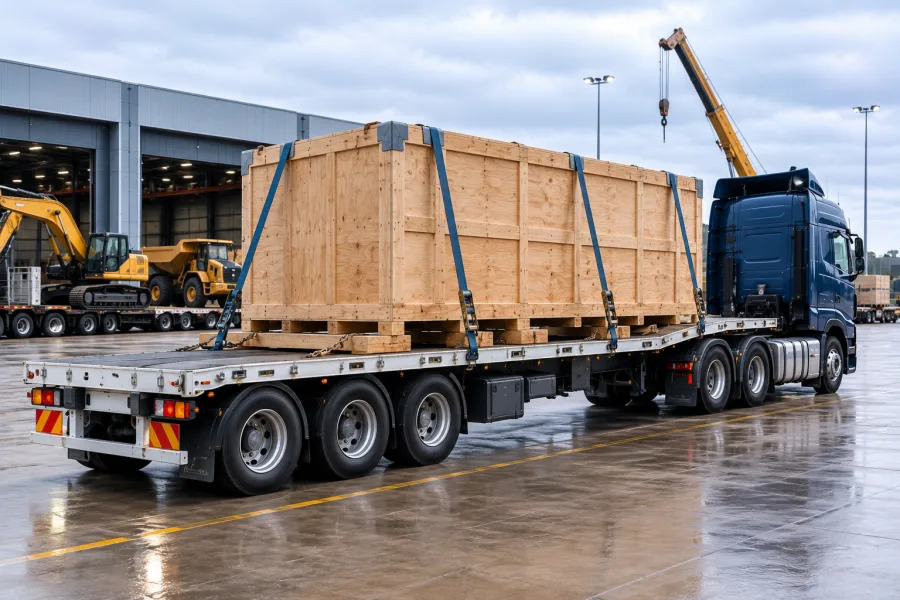
Machinery, Plant & Equipment
Crated components and production plant for Tasmanian business, coordinated through the crossing with lift and access confirmed before collection.
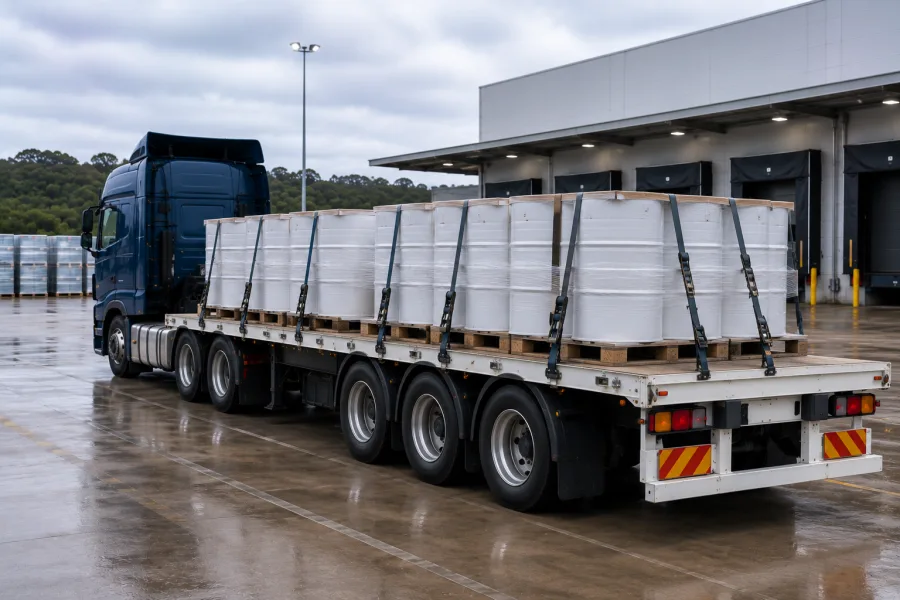
Dangerous Goods
Approved DG classes with correct documentation, segregation and placarding, and note that DG on the ferry has its own acceptance rules, which we handle as part of arranging the crossing. UN number and class at quote stage.
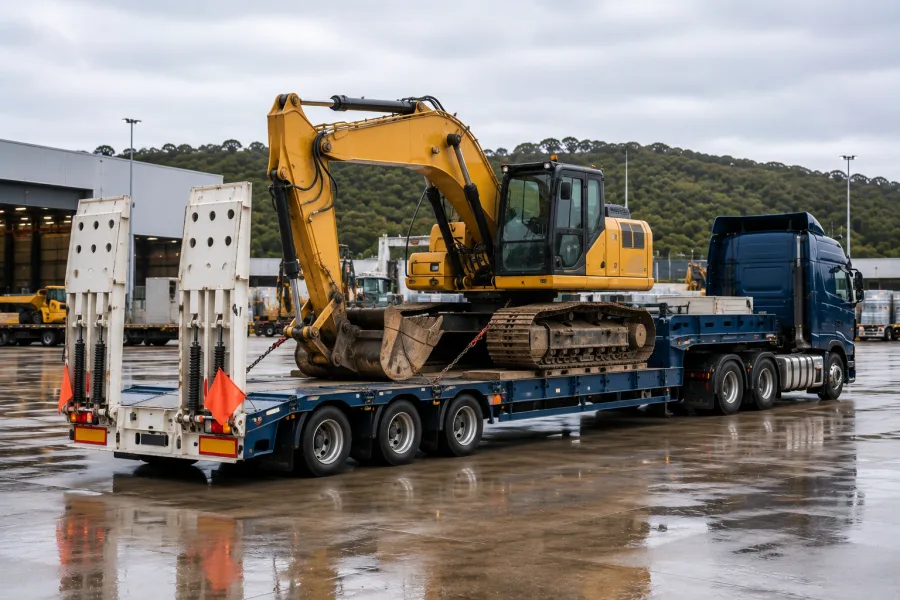
Oversize & Heavy Haulage
Over-dimensional loads on permit for the road legs, and subject to the ferry's dimensional limits for the crossing. Both ends need checking early, so allow lead time.
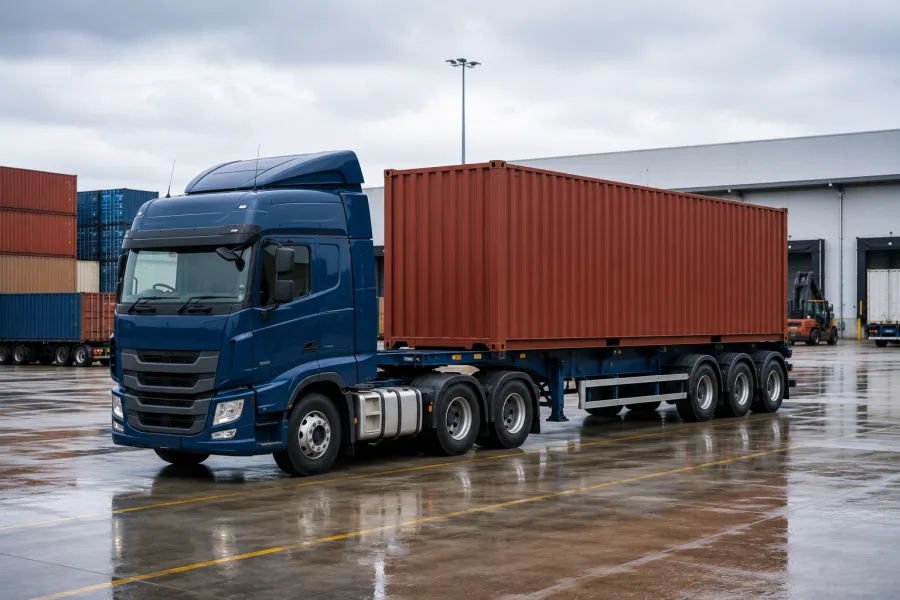
Container Transport (Road Legs)
Road movement of containers to and from the terminal. We do the road legs and coordinate the crossing. The sea leg belongs to the ferry service.
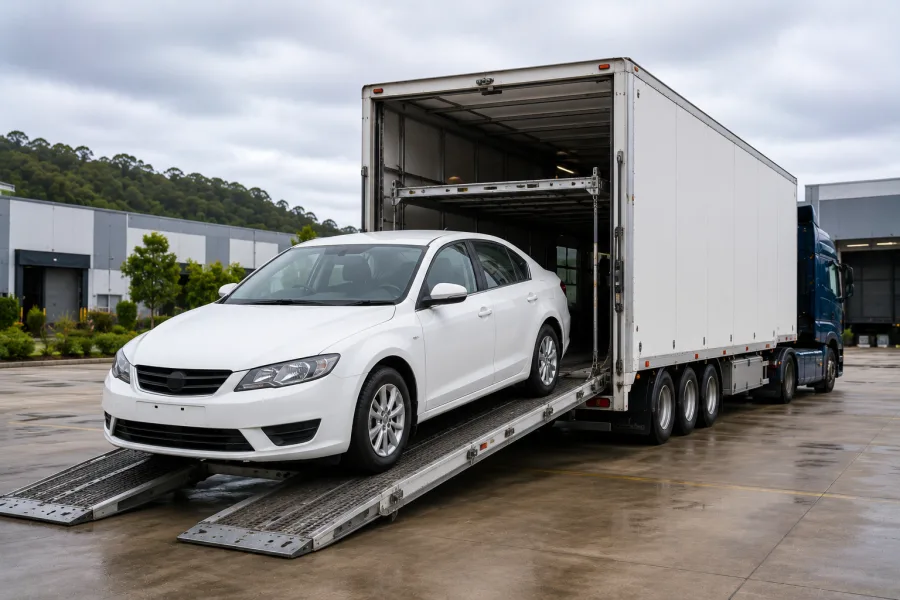
Cars & Light Vehicles
Relocations and dealer transfers, road to the terminal and across the Strait. Runners and non-runners, flag a non-runner at booking.
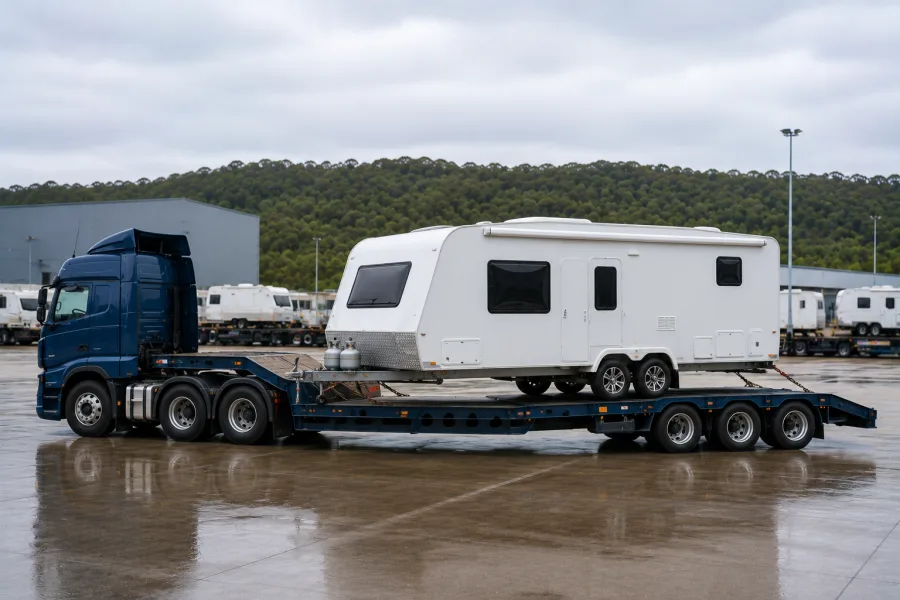
Caravans, Campers & Motorhomes
A big part of the Tasmania traffic. Give us length, height and registration status, and book summer crossings well ahead.
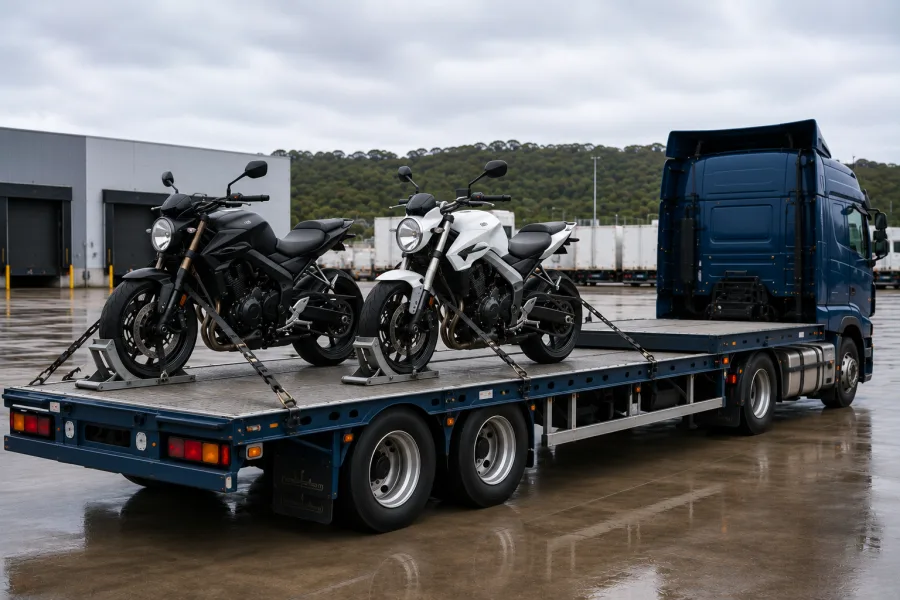
Motorbikes
Crated, palletised or strapped upright in wheel chocks, coordinated through the crossing.
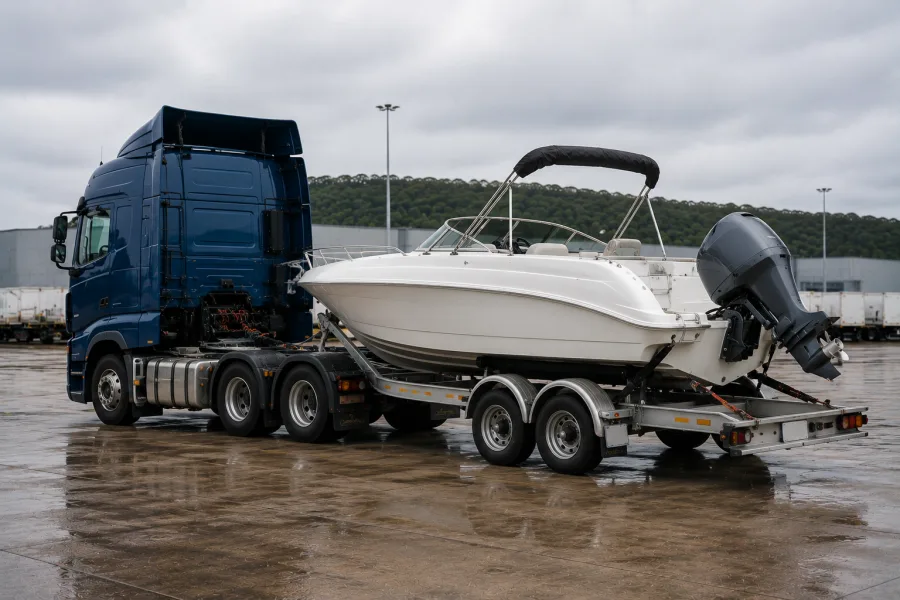
Boats on Trailers
Heading to Tasmania for the fishing and the coast. Height at the highest point is what we need for the road legs. Measure it, don't estimate it.
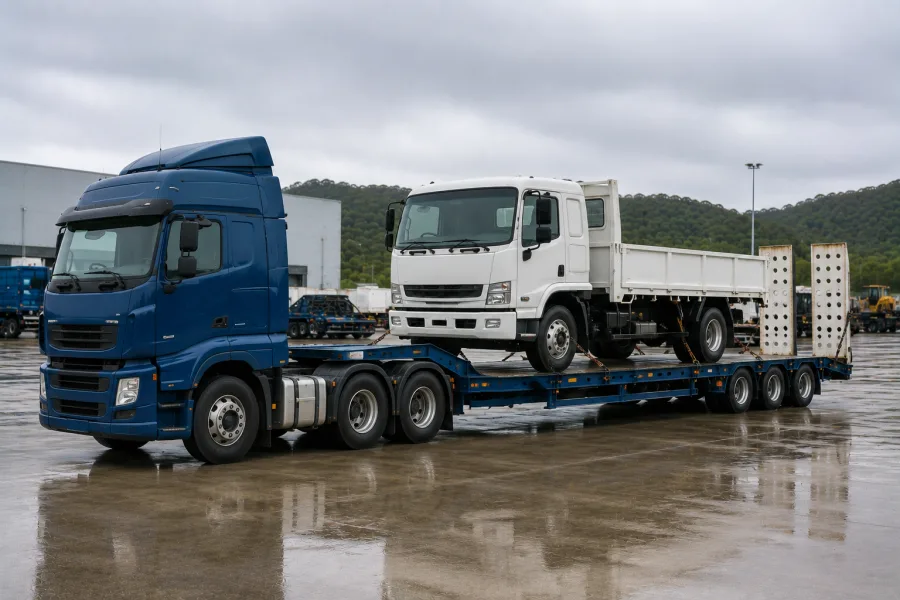
Trucks, Trailers & Plant
Relocated across the Strait, driven or floated on the road legs depending on registration and dimensions, and booked onto the crossing accordingly.
Why choose Ozcoast for Adelaide to Hobart
One Booking, All Three Legs
Road, sea and road coordinated by us, so you're not chasing a carrier, a ferry and a delivery agent yourself.
We Build Around the Sailing
Freight reaches the terminal in time for its crossing, not a day after it, because we plan the road legs backwards from the boat.
Straight About Who Does What
We drive the road and arrange the sea. We're a road freight company, not a shipping line, and we say so.
We Know the Peak Crunch
Summer fills the crossing. We book ahead so your freight isn't stuck waiting for space.
Round-Trip Thinking
Tasmanian produce comes back the other way. Ask about the return leg and it can sharpen the rate.
Metres, Not Guesses
Part loads priced on the space you take across every leg.
A Name and a Direct Line
One coordinator owns the whole journey, terminal cut-offs and all.
Delivered to the Door
Not to the terminal. All the way to Hobart, Glenorchy, Kingston and beyond.
Collection & delivery areas
Adelaide CBD, Wingfield, Regency Park, Gepps Cross, Dry Creek, Edinburgh, Lonsdale and Port Adelaide
Hobart CBD, Glenorchy, Derwent Park, Moonah, Cambridge, Kingston and the surrounding southern Tasmania districts
Frequently asked questions
How does freight actually get from Adelaide to Hobart?
How long does it take?
Do you carry freight from Hobart back to Adelaide?
Are you a shipping line or a ferry service?
How is a part load priced on this route?
Can you send a car to Tasmania?
Can you move a caravan across to Tasmania?
What about the summer peak?
Can you move oversize loads to Tasmania?
Do you carry dangerous goods to Tasmania?
Do you deliver to the door in Tasmania, or just to the terminal?
Get a quote for Adelaide to Hobart
Tell us what you are moving and we will send a clear, itemised quote with no obligation, usually within business hours.