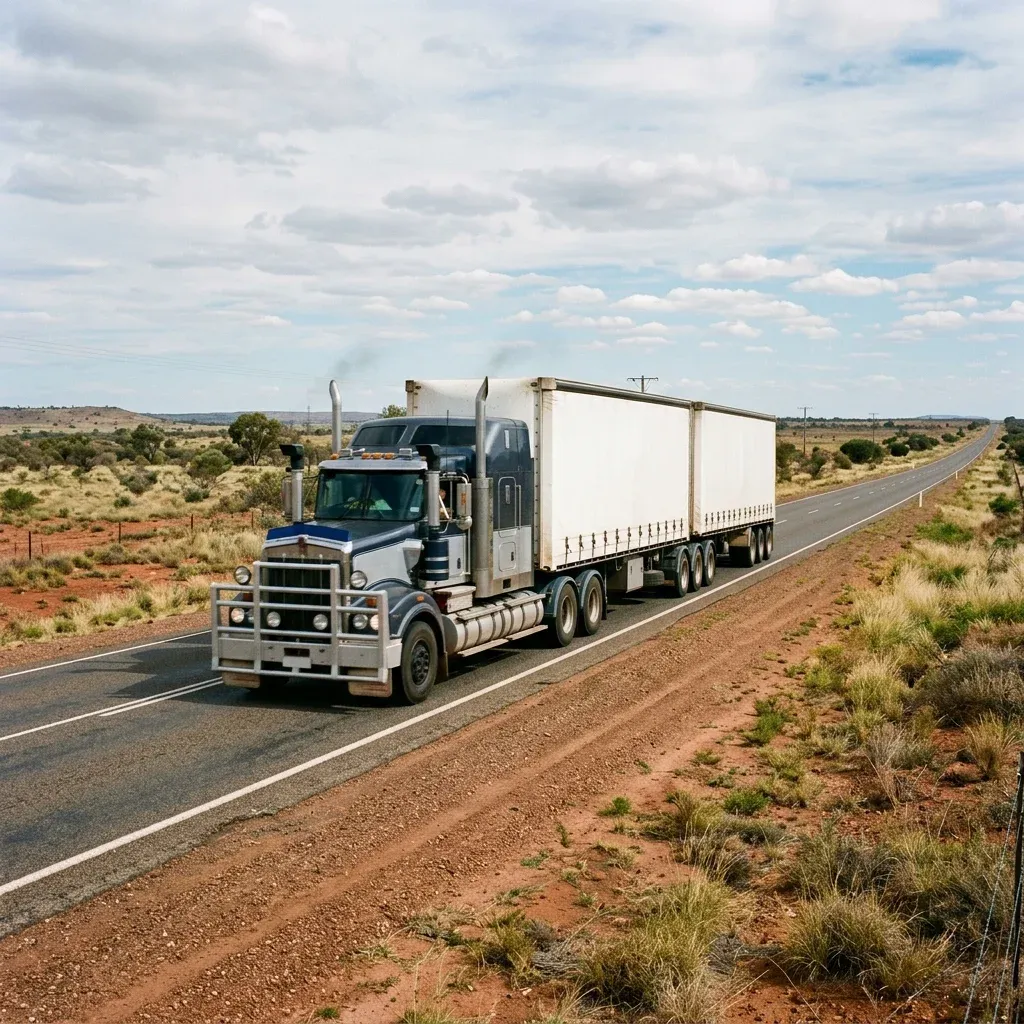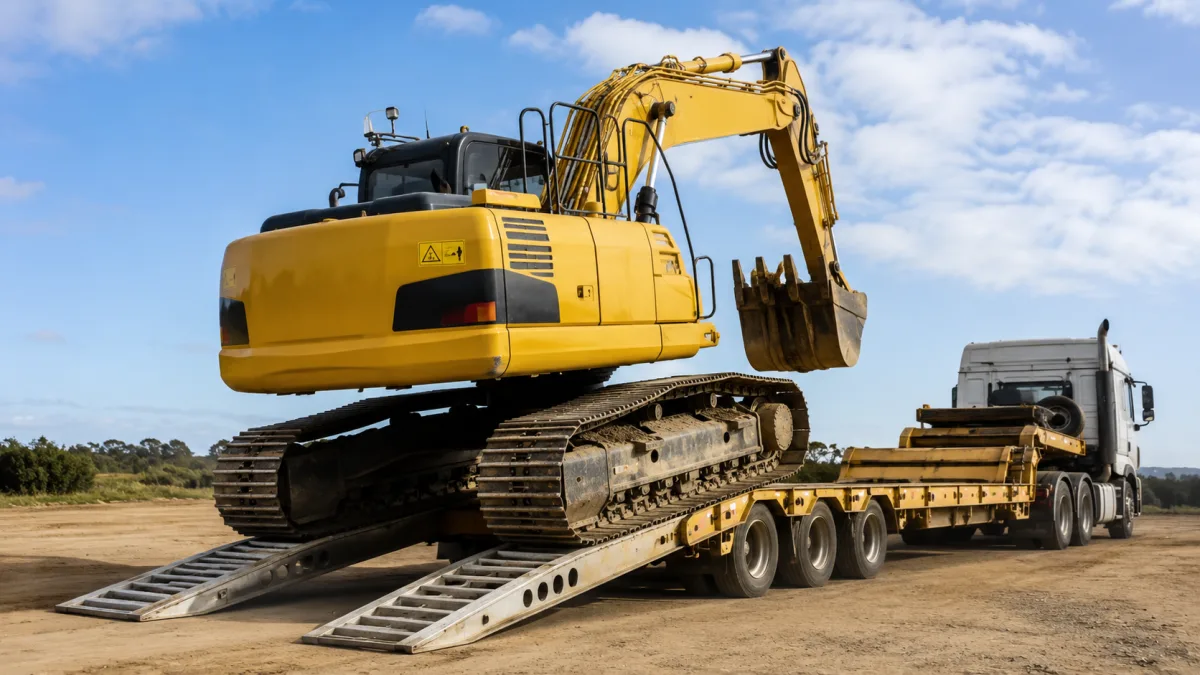
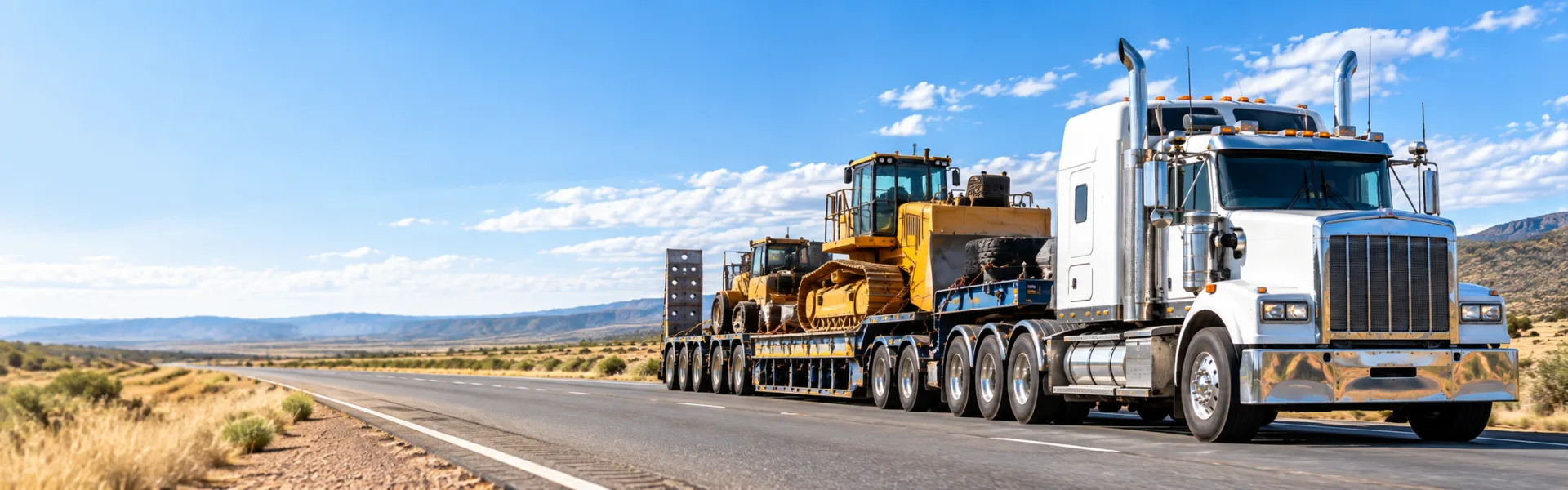
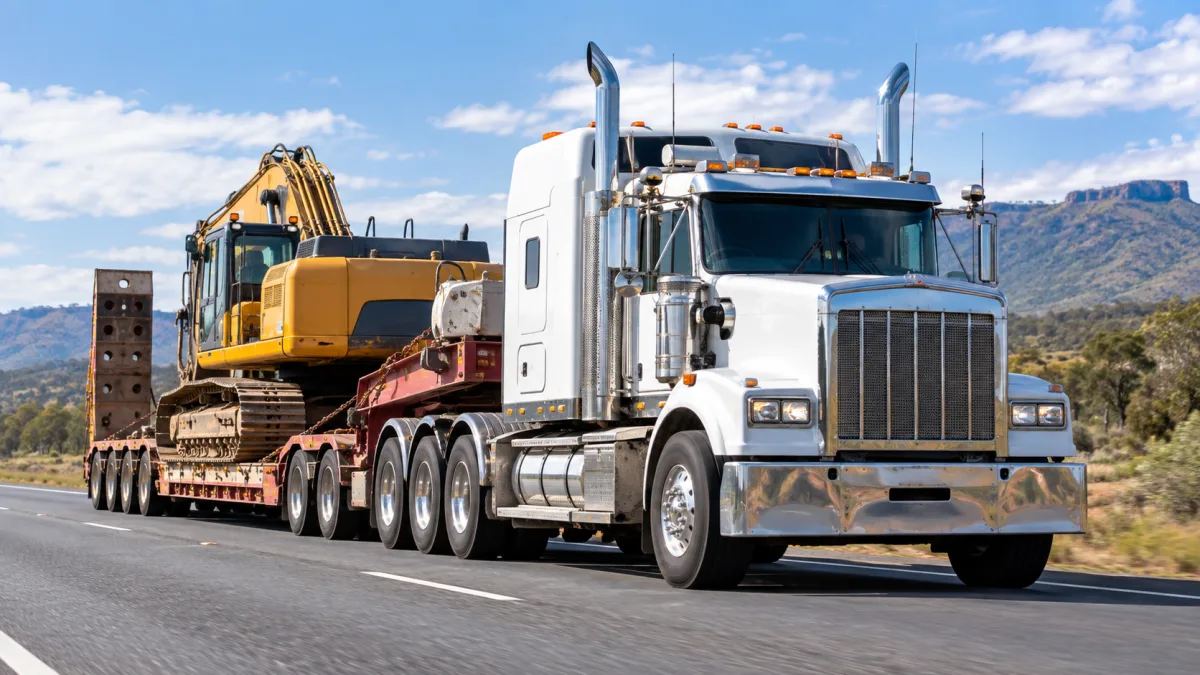
As part of the broader Heavy Vehicle National Law reform, general mass and dimension limits for heavy vehicles increased nationally from 1 August 2026, without the need for Mass Management Accreditation to access the new general limits. If you're planning heavy haulage or oversized freight, these are the specific figures that changed.
Mass Limits: What Increased
General mass limits rose across several axle configurations:
| Axle configuration | Previous limit | New general limit |
|---|---|---|
| Tandem axle group | 16.5 t | 17 t |
| Tri axle group | 20 t | 21.5 t |
| Single steer axle (≥315mm tyres) | — | 7.0 t |
| Twin steer axle group (≥275mm tyres) | — | 11.5 t |
The key detail here is that these are now general limits, accessible without Mass Management Accreditation, which previously would have been required to run at the higher end of what's now the standard allowance.
Length Limits: What Increased
General length limits for certain heavy vehicle combinations increased from 19 metres to 20 metres, along with increased rear overhang limits and S-dimension limits, subject to specified requirements. This is a meaningful change for combinations that were previously constrained at the 19m mark and needed a permit or accreditation to run longer.
Tow Mass Ratio: What Changed
For a rigid truck and tag trailer combination, the tow mass ratio increased from 1:1 to 1:1.3, subject to minimum steer axle mass requirements. In practical terms, this allows a tag trailer to carry proportionally more relative to the towing rigid truck than was previously permitted.
Why This Matters for Heavy Haulage and Oversized Freight
Higher general mass and length limits change what's achievable without needing additional accreditation or a specific permit, which affects planning for anything moved under heavy haulage or oversized loads. A combination or load that would previously have required Mass Management Accreditation to run at a certain weight may now fall within the new general limit, and length combinations that previously needed to stay under 19m have more room before hitting a constraint.
What This Doesn't Change
These are general limits, not a blanket increase for every vehicle and every route. Specific bridges, roads and routes can still carry their own restrictions regardless of the national general limit, and anything genuinely outside these limits still needs the same permit and accreditation process as before. The change raises the baseline, it doesn't remove the need to check route-specific restrictions for anything approaching or exceeding it.
Planning Heavy Haulage Under the New Limits
If you're planning a heavy haulage or oversized move, it's worth confirming with your provider whether your load now falls within the new general limits or still needs a permit, since that affects both planning and cost. Tell us the specifics of what you're moving and we'll confirm where it sits under the current limits before anything's booked.