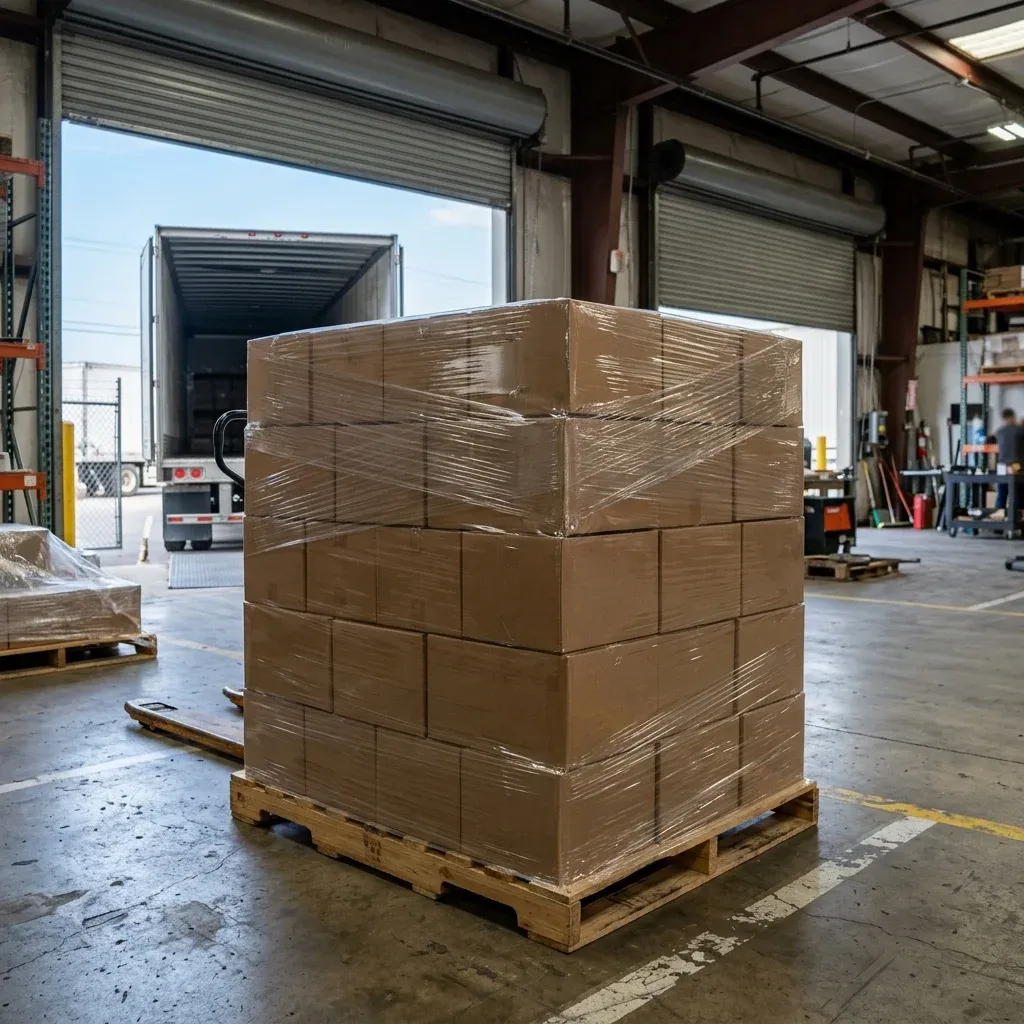

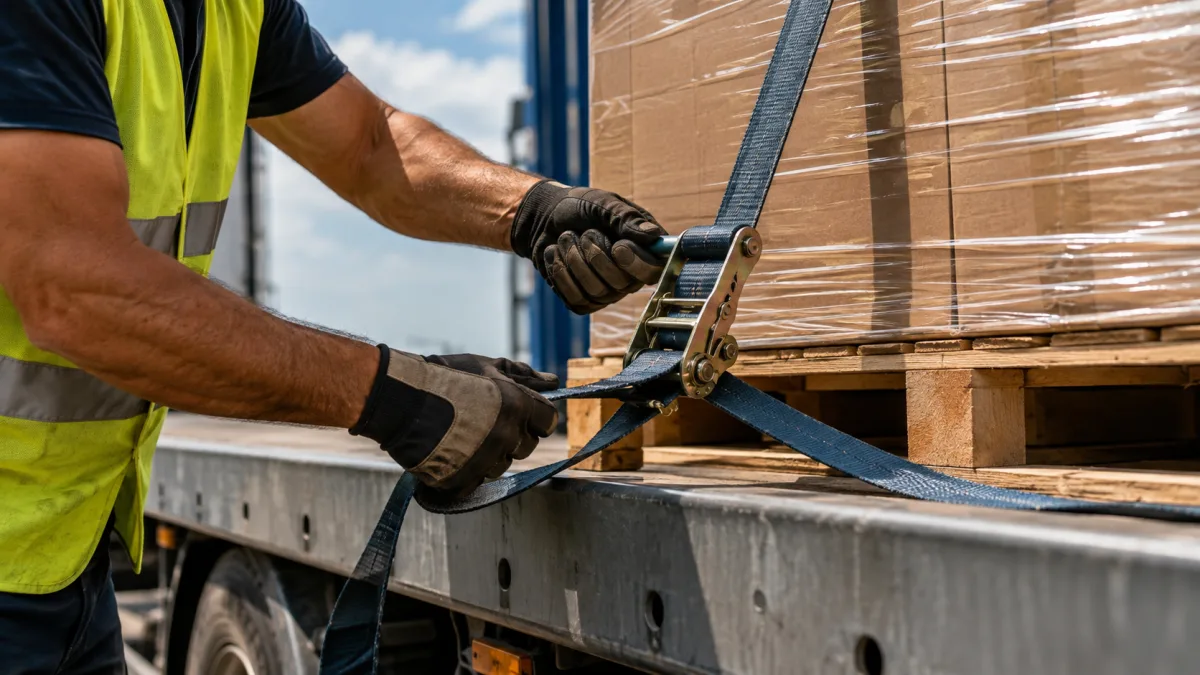
Freight that arrives at its destination the way it left doesn't get there by accident. It's held in place against forces that build up under braking, cornering and acceleration, using methods that have to meet a published technical standard, not just look secure. That standard is set out in Australia's Load Restraint Guide, and it's worth understanding even if you're never the one physically strapping a load down.
Here's what the guide actually covers, why "it's not moving" isn't the same as "it's properly restrained," and how this connects to the responsibilities of everyone involved in getting freight from one place to another.
What Is the Load Restraint Guide?
The Load Restraint Guide is the national technical reference for how loads must be secured on Australian roads, developed by the National Transport Commission and applied through the Heavy Vehicle National Law. It sets out performance standards, meaning a load restraint method isn't judged on whether it looks secure, but on whether it can actually withstand the forces a vehicle will genuinely experience during normal driving, braking and cornering.
That performance-based approach is the key difference from an informal "tie it down and hope" method. The guide specifies restraint requirements in every direction, forward, rearward and sideways, and different loads need different restraint strategies depending on their weight, shape and how they're packed.
Why It's Not Just "Tying the Load Down"
A load that doesn't shift on a straight, flat road can still fail a proper restraint standard, because normal driving involves braking events, cornering forces and uneven surfaces that a static load never experiences while it's just sitting still. The guide's performance standards exist specifically to account for this, restraint has to hold under real driving conditions, not just look adequate at the loading dock.
This is also why restraint requirements differ so much between load types. A dense pallet of packaged goods, a piece of heavy machinery, and a stack of loose cartons all need genuinely different restraint approaches, even if they weigh roughly the same.
Who's Responsible for Load Restraint?
This sits within the same framework covered in our Chain of Responsibility guide, since packing, loading and consigning goods correctly are all functions that carry specific duties under the law. In practical terms:
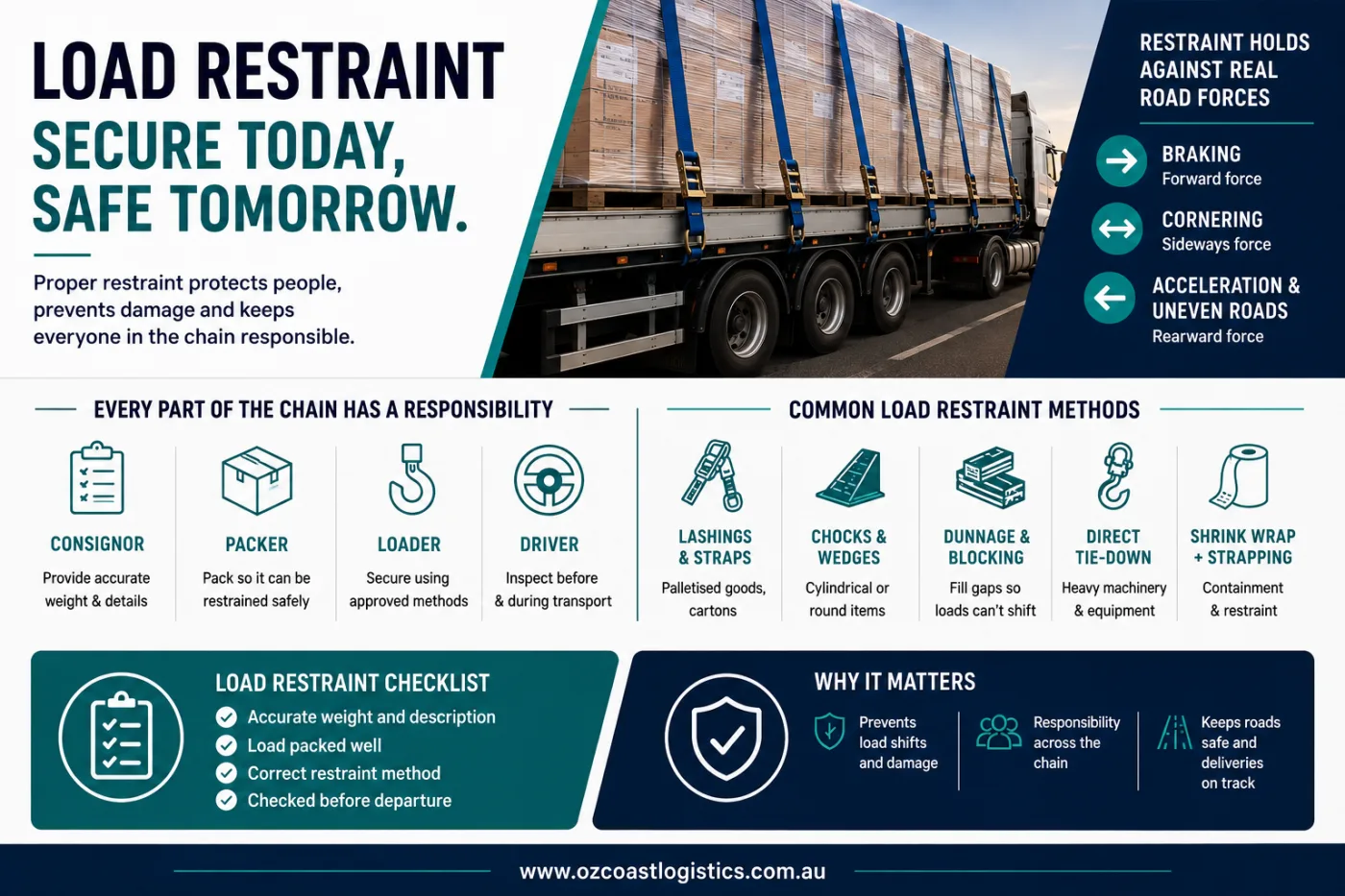
- The consignor needs to provide accurate weight, dimensions and a genuine description, since restraint calculations depend on knowing what's actually being carried.
- The packer needs to pack goods so they can be restrained safely in the first place, loose or badly packed cartons make proper restraint far harder to achieve.
- The loader needs to position and secure the load using methods that meet the performance standard, not just whatever's on hand.
- The driver needs to check the restraint before departure and account for it changing during a long trip, since straps can loosen and loads can settle.
No single person in that chain can guarantee safe restraint on their own. It depends on accurate information and correct handling at every step before the truck leaves.
Common Load Restraint Methods
| Method | Typically used for |
|---|---|
| Lashings and straps | Palletised goods, cartons, general freight |
| Chocks and wedges | Cylindrical or round items that could roll |
| Dunnage and blocking | Filling gaps so loads can't shift into empty space |
| Direct tie-down | Heavy machinery and equipment, anchored to fixed points |
| Shrink wrap combined with strapping | Palletised loads needing both containment and restraint |
The right method depends on the load, and it's common for a single shipment to need more than one method working together.
Load Restraint vs Preparing Your Goods for Pickup
These are two different stages of the same journey, and it's easy to conflate them. Packaging and preparation, covered in our guide to preparing goods for pallet delivery, is about how your goods are boxed, wrapped and palletised before the truck arrives. Load restraint is what happens once they're on the vehicle, securing them against the forces of the actual journey. Good packaging makes proper restraint easier to achieve, but it doesn't replace it, a well-packed pallet still needs to be correctly restrained on the truck.
What Happens If a Load Isn't Properly Restrained
Beyond the immediate risk to other road users if something shifts or falls, inadequate restraint sits squarely within Chain of Responsibility obligations, meaning liability can extend beyond the driver to whoever packed, loaded or consigned the freight. It's also a practical problem on delivery, goods that have shifted or been damaged in transit because of inadequate restraint are the kind of dispute a proper consignment note and photo record become genuinely useful for resolving. Specific penalty details sit with the National Heavy Vehicle Regulator and vary by jurisdiction and severity, so for current figures, that's the authoritative source rather than a fixed number here.
A Quick Load Restraint Checklist
- Has the actual weight and description been provided, not an estimate?
- Is the load packed well enough that it can actually be restrained properly, not just loaded loose?
- Does the restraint method match the load type, not just whatever strap or wrap was on hand?
- Has the restraint been checked before departure, and will it hold for the length of the trip?
- For anything unusual in shape or weight distribution, has a specific restraint plan been considered rather than a standard default?
How Ozcoast Approaches Load Restraint
Restraint gets treated as part of the job, not an afterthought, across our general freight, pallet and heavy haulage work, matched to what's actually being carried rather than a one-size-fits-all approach. For heavier or less conventional loads, this is worked out at booking stage, which is one more reason accurate weight and dimension details matter from the first conversation, not just for pricing.
If you're not sure whether something you're shipping needs a specific restraint approach, particularly anything irregular in shape or weight distribution, ask before it's booked rather than after it's loaded.