Research outsourcing your logistics and "3PL" comes up constantly, usually without much explanation of what it actually means or how it's different from a freight broker or a carrier. The terms overlap, but they're not identical, and knowing the difference helps when you're actually trying to choose between them.
What Is a Third-Party Logistics Provider?
A third-party logistics provider, 3PL for short, is a business that handles some or all of a company's logistics functions, transport, warehousing, distribution, on their behalf, rather than the company managing those functions in-house with its own trucks, warehouses and staff. The "third party" is the logistics provider sitting between a business and its customers or suppliers, handling the movement and storage of goods so the business doesn't have to build that capability itself.
What Does a 3PL Actually Do?
Depending on the provider, this can include:
- Transport and freight movement, interstate and intrastate
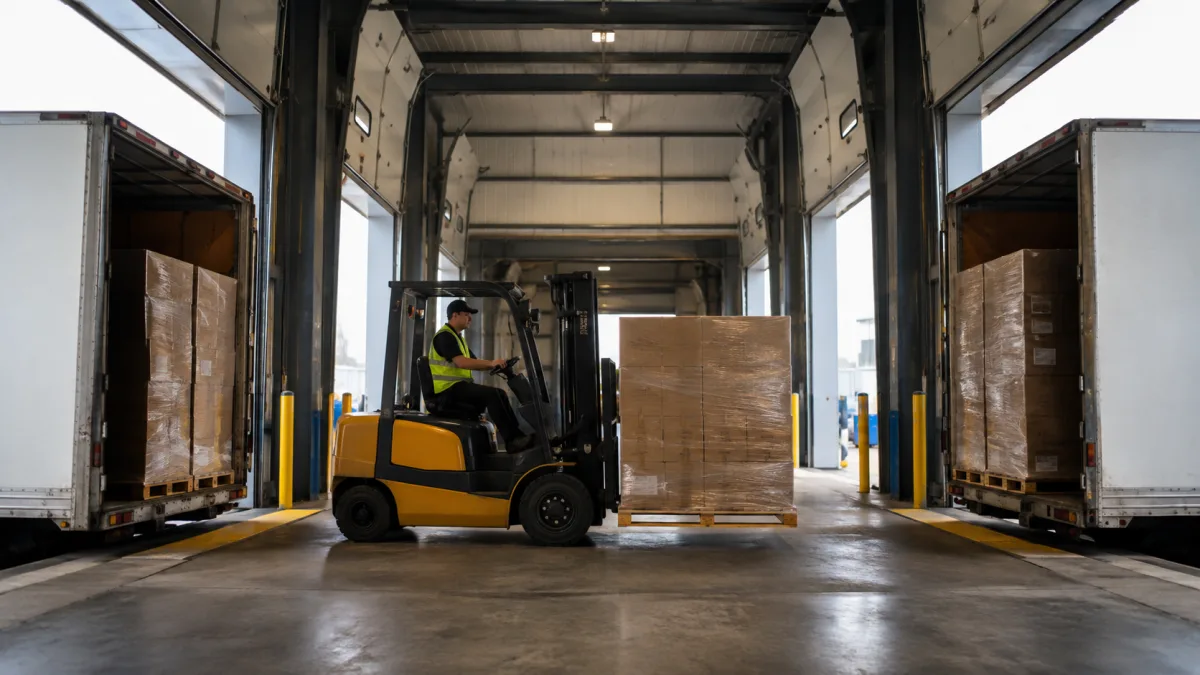
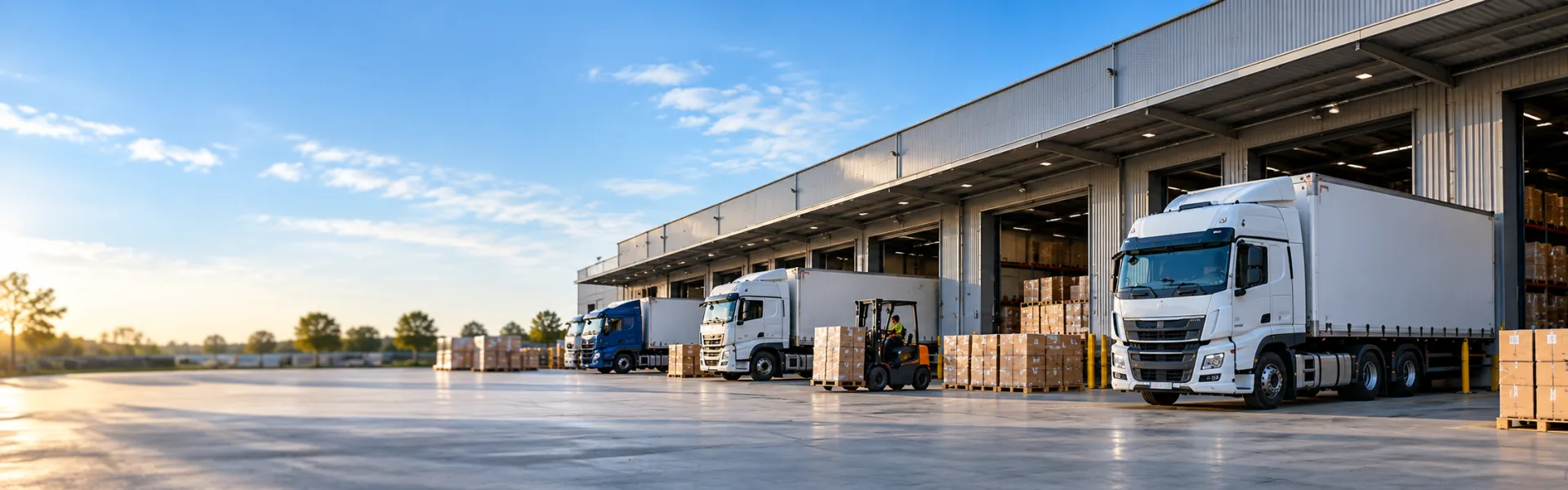
- Warehousing and storage
- Distribution, including cross-docking and consolidation
- Sometimes broader services like packaging or order fulfilment
Not every 3PL does all of this. Some specialise in transport only, others run extensive warehousing, and many sit somewhere in between.
3PL vs Freight Broker vs Carrier: How These Terms Relate
These get used interchangeably, but they describe different things:
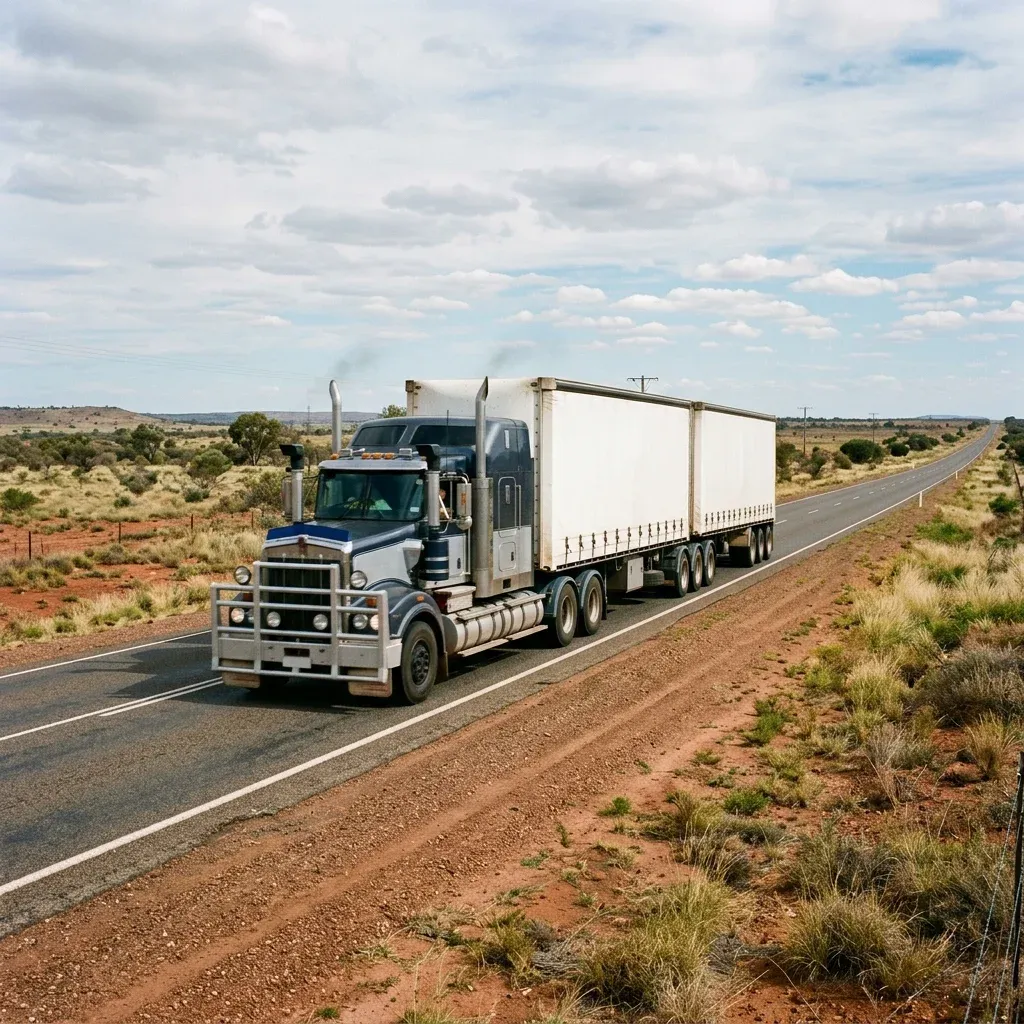
- A carrier owns and operates the actual vehicles, the trucks physically moving the freight.
- A freight broker arranges transport through a network of carriers, without necessarily owning trucks itself.
- A 3PL is a broader term that can include either model, plus warehousing, distribution, and other logistics functions, a 3PL might own trucks, might broker through a network, or might do both alongside running warehousing.
A business can be a 3PL and a freight broker at the same time, the terms aren't mutually exclusive, they're describing different aspects of what the business does.
Why Businesses Use a 3PL Instead of Managing Logistics In-House
Owning trucks and warehouses is a significant fixed capital investment, and it only makes sense if you have consistent enough volume to justify it. A 3PL gives a business access to established transport networks, warehousing capacity, and route knowledge without that upfront investment, and lets logistics capacity scale up or down with demand rather than sitting fixed regardless of what's actually needed that month.
What to Look for When Choosing a 3PL
- Does their actual capability match what you need, transport only, warehousing, or both?
- How do they communicate, and who's your actual point of contact?
- What compliance and safety systems do they have in place?
- Is pricing transparent, or does it require chasing down details for every job?
- Do they genuinely cover the routes and regions your business actually needs?
Is Ozcoast a 3PL?
We operate as a freight broker and logistics provider, arranging transport through an established network alongside warehousing and distribution capability including cross-docking. That puts us in 3PL territory in the sense that we handle logistics functions on behalf of businesses that would rather not build that capability themselves, rather than in the sense of owning a large fleet of our own vehicles.
If you're weighing up whether to bring logistics in-house or use a provider, the honest answer depends on your volume, consistency, and how much capital you're willing to tie up in trucks and warehouse space. Ask us directly what we can cover for your specific situation, and we'll tell you plainly whether it's a good fit.