

Most businesses assume that if their freight is damaged or lost in transit, the transport company's insurance takes care of it. That's not automatically true, and the gap between what a carrier is liable for and what your goods are actually worth is exactly where goods in transit insurance sits.
What Is Goods in Transit Insurance?
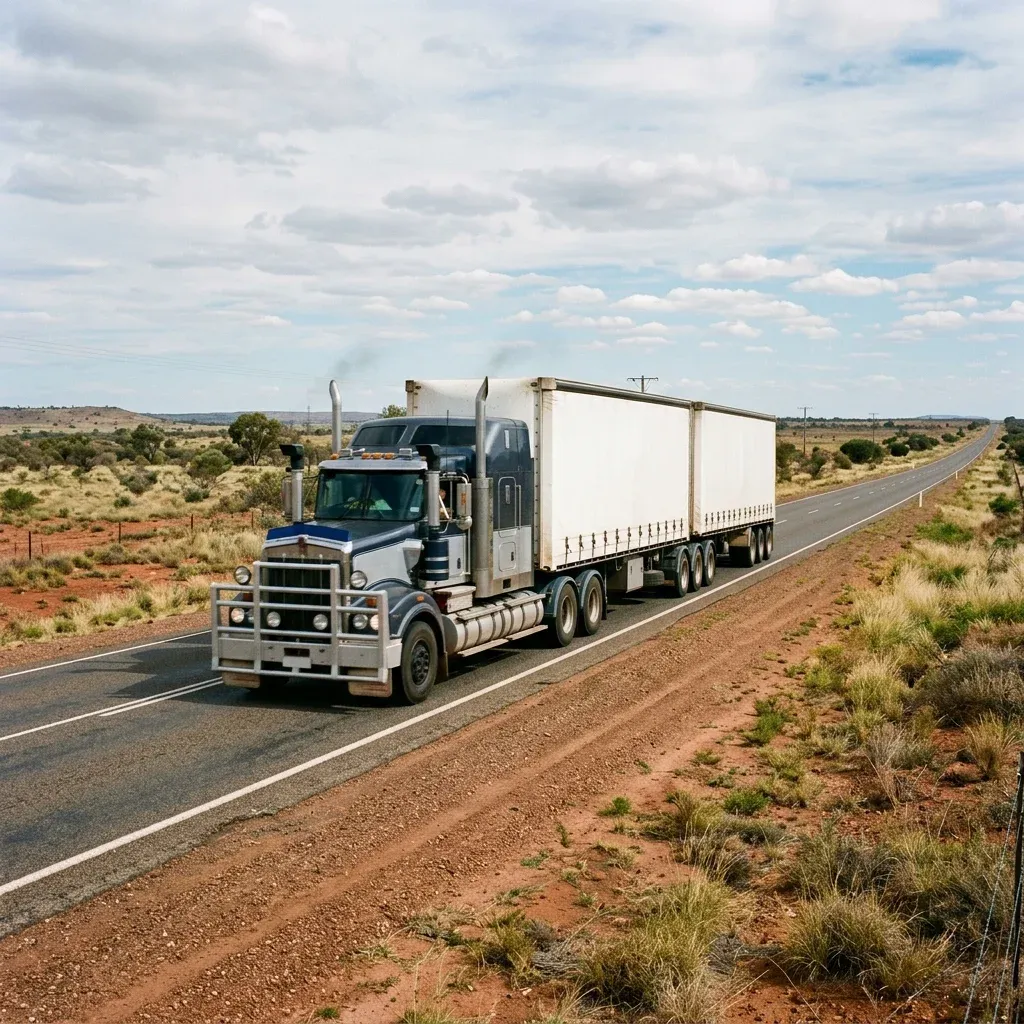
Goods in transit insurance covers loss or damage to goods while they're actually being transported, separate from a transport company's own liability and separate from any insurance you hold on your goods while they're sitting in a warehouse or on your premises. It's specifically about the moving part of the journey.
What It Typically Covers, and What It Doesn't
Cover generally extends to loss, theft, and accidental damage occurring during transit, fire and collision being the most common causes claimed. What it typically doesn't cover, across most policies in this category, includes inherent defects in the goods themselves, damage caused by inadequate packaging on the sender's part, and consequential losses like lost sales from a delay rather than physical damage to the goods. The exact terms vary by policy and provider, which is why it's worth checking the specifics of any cover you're relying on rather than assuming.
Carrier Liability vs Your Own Insurance
This is the distinction that catches people out. A transport company's liability under its terms and conditions is often capped, sometimes at a fixed amount per kilogram or a set maximum regardless of what the goods are actually worth. That cap exists whether or not you've arranged your own cover, and it can sit well below the real value of a high-value shipment. Your own goods in transit insurance, separate from the carrier's liability, is what closes that gap if something goes wrong.
Do You Need Your Own Cover?
If what you're shipping is genuinely valuable relative to a standard carrier's liability cap, arranging your own goods in transit insurance is generally worth the cost of finding out you needed it after the fact. For lower-value, routine freight, the carrier's standard liability might be sufficient, but that's a judgement worth making deliberately rather than by default.
What Affects the Cost of Cover
Declared value, how often you ship, the type of goods and how fragile or high-risk they are, and any claims history all typically factor into what goods in transit insurance costs. None of this is fixed across the industry, providers price it differently, which is another reason to check actual terms rather than assume a standard rate applies.
Checking Ozcoast's Freight Insurance Options
We have a dedicated freight insurance page covering what we offer directly, and if anything there isn't clear for your specific shipment, ask us before you book rather than assuming standard carrier liability will cover a high-value load. If you're shipping something you'd genuinely want to see the terms on, it's a two-minute question that's worth asking upfront.