
Hobart to Melbourne Freight, Road and Ferry Arranged
Hobart to Melbourne is the most efficient way freight leaves Tasmania. It is not a straight drive, because there is no road across Bass Strait, but the crossing works in your favour on this lane: a road run north to Devonport, an overnight sailing, and the freight is on the mainland by morning. Ozcoast Logistics coordinates the whole move end to end, handling the road legs and arranging the crossing, so you deal with one company rather than three.
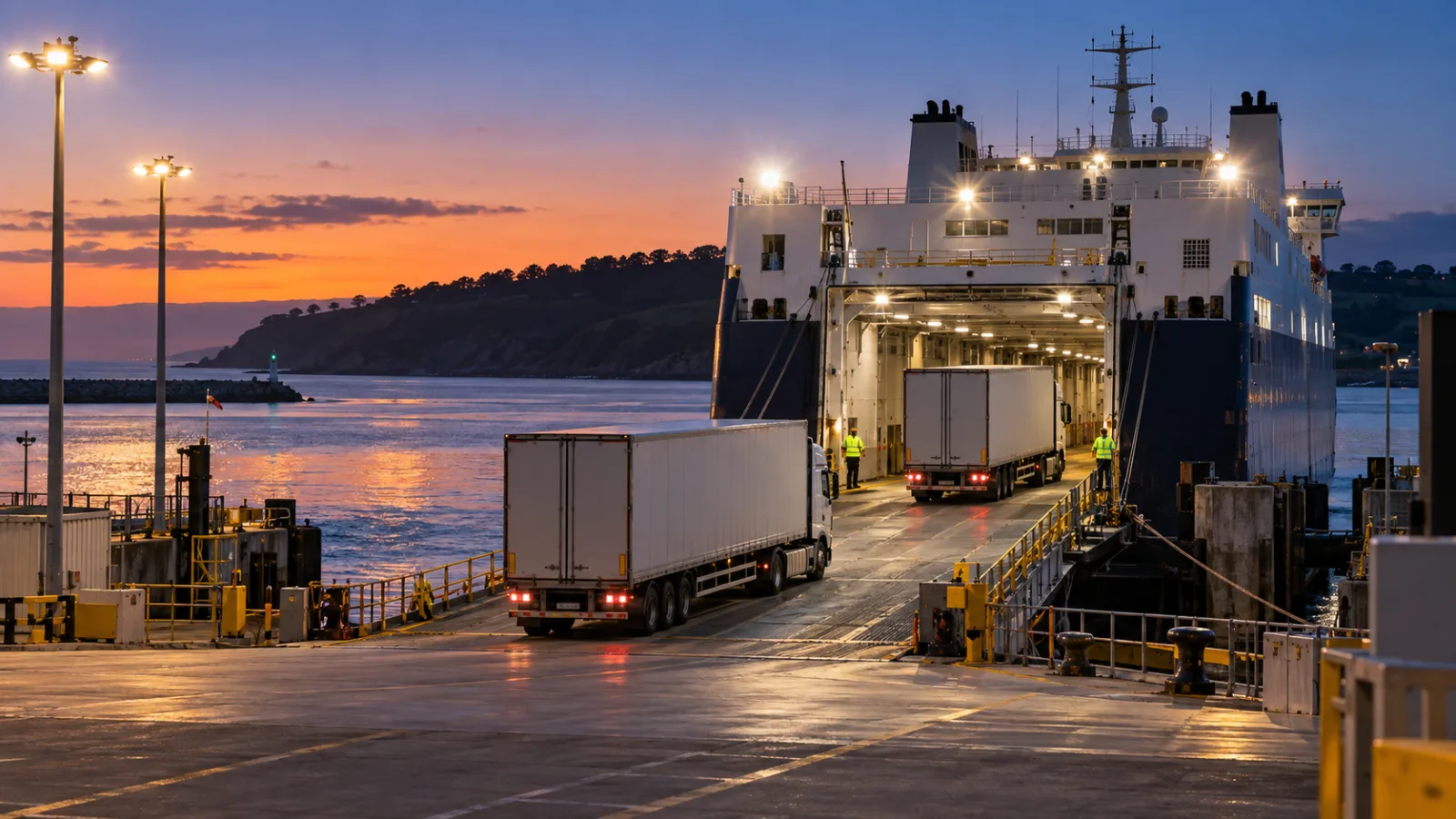
The Hobart to Melbourne corridor
This job is three movements, and on this lane they line up better than on any other Tasmanian route.
The first leg runs north from Hobart on the Midland Highway through Launceston and west to Devonport, around 290 km and roughly four hours of driving. It is a comfortable single-day run with room to reach the terminal with time in hand.
The second is the Bass Strait crossing. The service sails overnight, which is the genuine advantage here: freight loaded in the evening is at the mainland terminal the following morning, with the crossing happening while nobody is waiting on it. That is very different from a lane where the sailing sits awkwardly in the middle of a working day.
The third is the run from the mainland terminal into Melbourne, under an hour to the western industrial belt at Laverton, Truganina, Derrimut and Brooklyn, or a little further to Dandenong South in the south east.
What travels this way tells you what Tasmania does. The state produces well above its size: salmon and seafood, dairy and cheese, vegetables and potatoes, fruit including cherries and berries, premium beef and lamb, wine and whisky. Melbourne is the closest mainland market and the largest food distribution centre in the country, so a great deal of Tasmanian product heads exactly this way. Much of it is temperature-controlled and time-critical, and arriving in condition is the whole point.
Manufactured goods travel too, from the Hobart and Launceston industrial base, along with general freight, machinery heading to the mainland for repair, and vehicles.
Summer is the pinch point. Ferry capacity tightens over the Christmas and school holiday periods, and cherry season from roughly December to February puts pressure on refrigerated space at the same time. Through those months, book further ahead than you normally would.
To be clear about what we do: Ozcoast Logistics is a road freight operator. We handle the road legs at both ends and arrange the crossing between them. The sea leg belongs to the ferry operator, not to us.
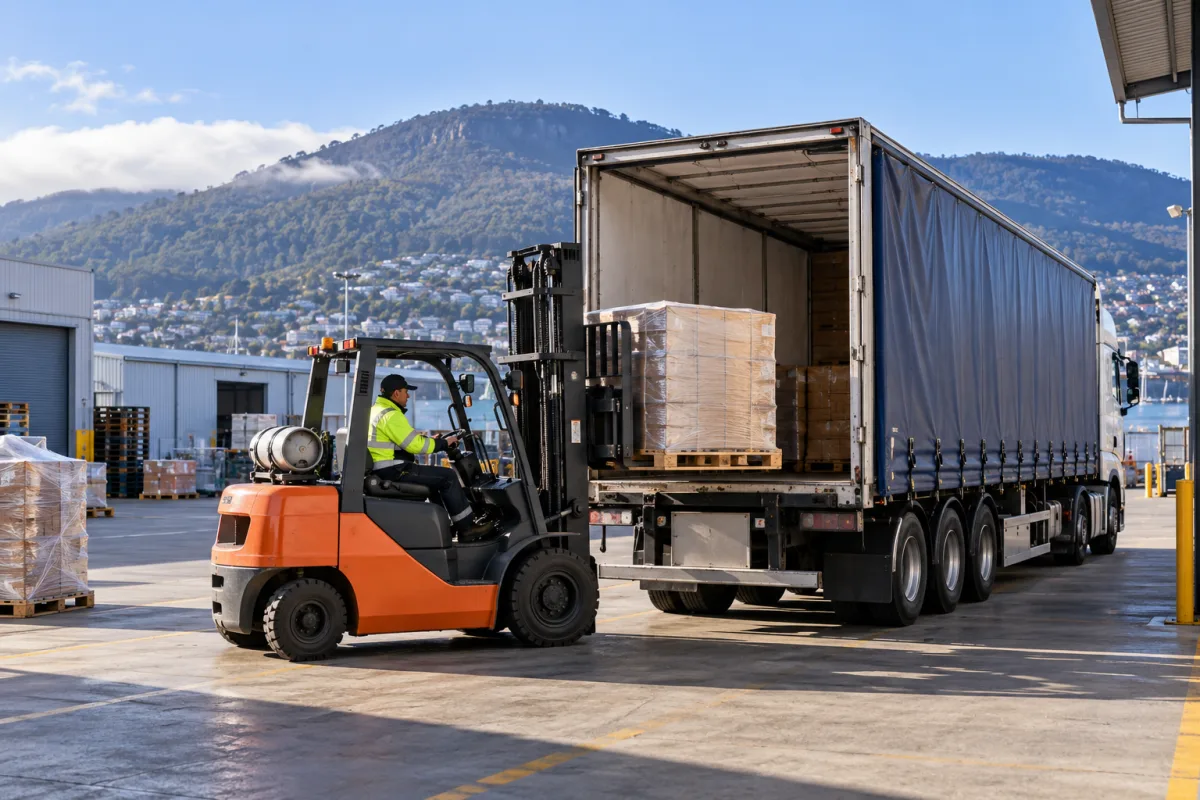
The Crossing Happens While You Sleep
Why this is the most efficient way off the island
On most routes involving a ferry, the sailing is the thing that slows everything down. On this one it is the opposite, and it is worth understanding why.
The Bass Strait service sails overnight. That means freight reaching the Devonport terminal during the day is loaded in the evening, crosses while nobody is waiting on it, and is at the mainland terminal the following morning ready to run into Melbourne. The crossing consumes the part of the day that would otherwise be dead time anyway.
Add the geography and the numbers work out well. Hobart to Devonport is about four hours, comfortably a single shift with margin. The mainland terminal to Melbourne's west is under an hour. So the road legs are short at both ends, and the long part happens overnight.
The result is that Tasmanian freight can reach the largest market in the country in two to three days door to door, which is competitive with plenty of mainland interstate lanes covering similar distances entirely by road.
What matters is making the sailing. A load that reaches the terminal comfortably ahead of loading catches that night's service. One that arrives late waits for the next, and that is a full day rather than an hour. So we plan the Tasmanian road leg backwards from the sailing with margin built in, rather than leaving Hobart at whatever time suits and hoping.
Tell us when your freight is genuinely ready and we will tell you which sailing it makes.
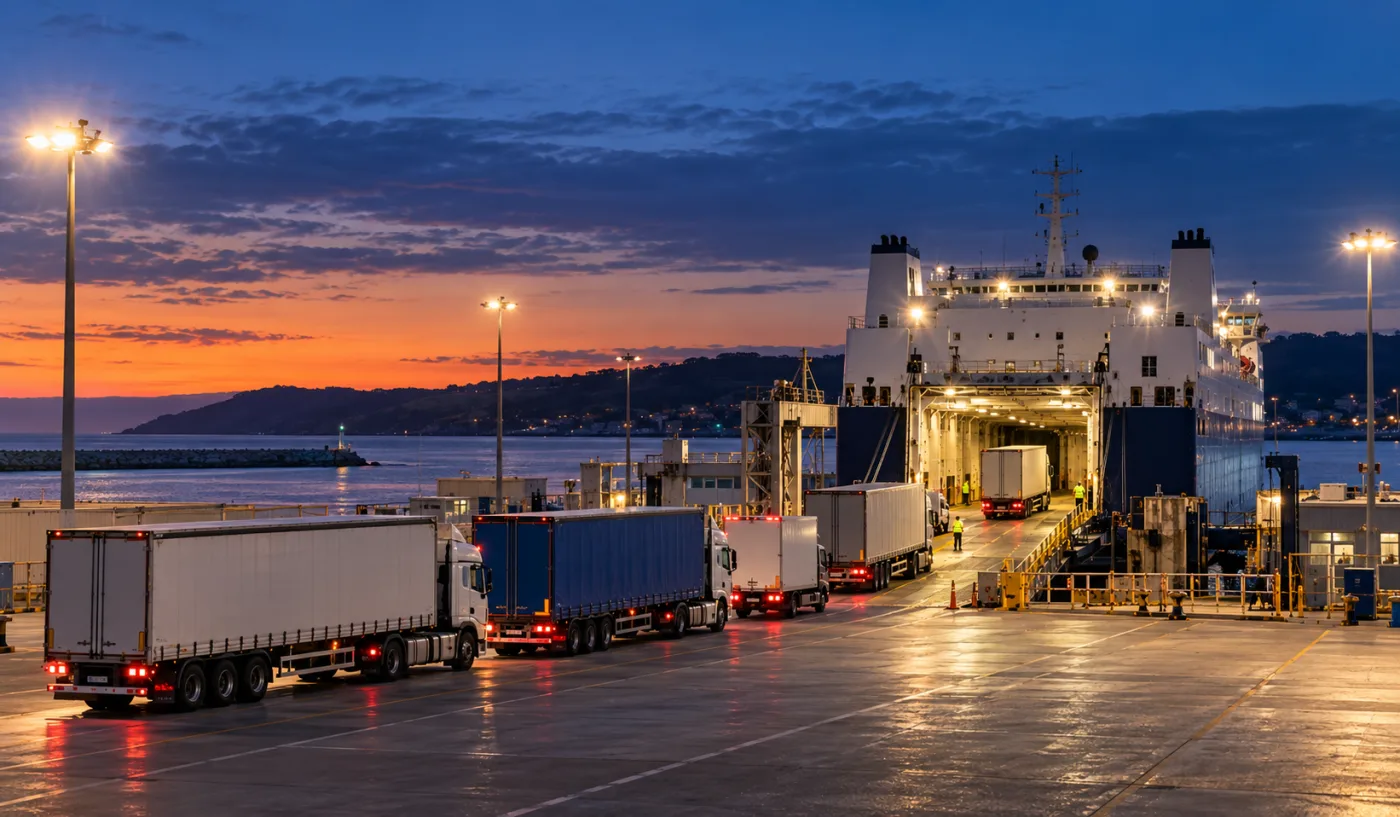
What Tasmania Sends to the Mainland
The producer's lane, and why condition matters more than speed
Tasmania produces considerably more than a state its size would suggest, and Melbourne is where most of it goes first.
Salmon and seafood lead the value. Dairy and cheese move in volume. Vegetables and potatoes come off the north-west coast. Fruit, particularly cherries and berries, travels in concentrated seasons. Premium beef and lamb, wine and whisky round it out.
Nearly all of it shares one characteristic: the delivery window and the temperature matter more than the rate. A trailer of Tasmanian salmon or a load of cherries arriving warm is not a service complaint, it is a write-off, and the value on board is considerable.
So the cold chain on this lane is planned as the primary requirement rather than an add-on. Set temperature from loading, minimal door-open time at each handover, and a run built so the trailer is not sitting anywhere it does not need to be. The overnight crossing helps here too, since the freight is moving rather than waiting.
Cherry season deserves its own mention. It runs roughly December to February, the fruit is high value, the window is short, and it collides directly with holiday pressure on ferry capacity. If you are shipping cherries, book well ahead rather than close to harvest.
Tell us the product, the set temperature, the delivery window and the receiver when you book. With those four things we plan the whole run backwards from the slot. Without them we are guessing, and on this freight guessing is expensive.
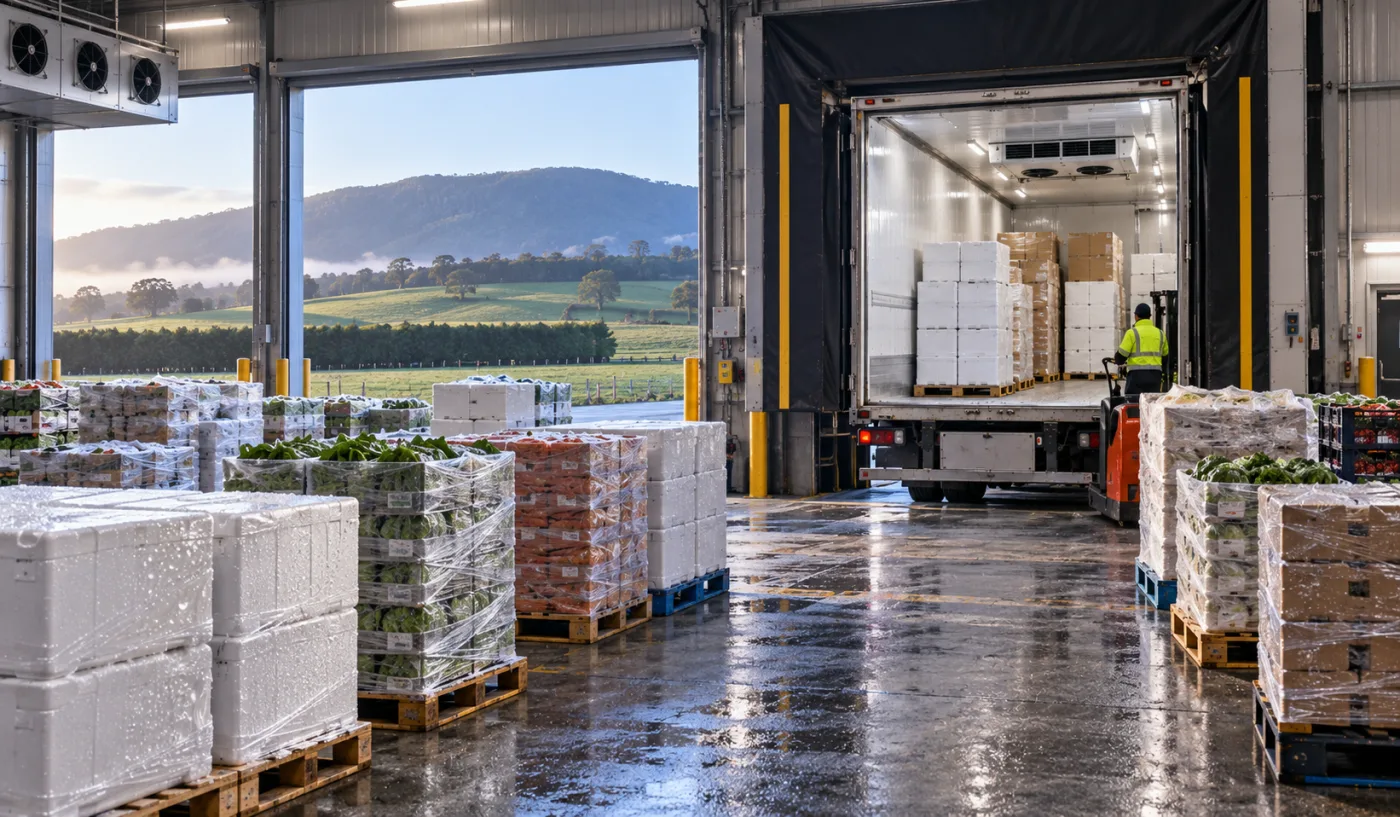
What we carry on this route
Almost any commercial freight can travel the Hobart to Melbourne corridor. These are the goods we handle most often on this lane. If your product is not listed, contact our team and we will confirm the right equipment and handling.
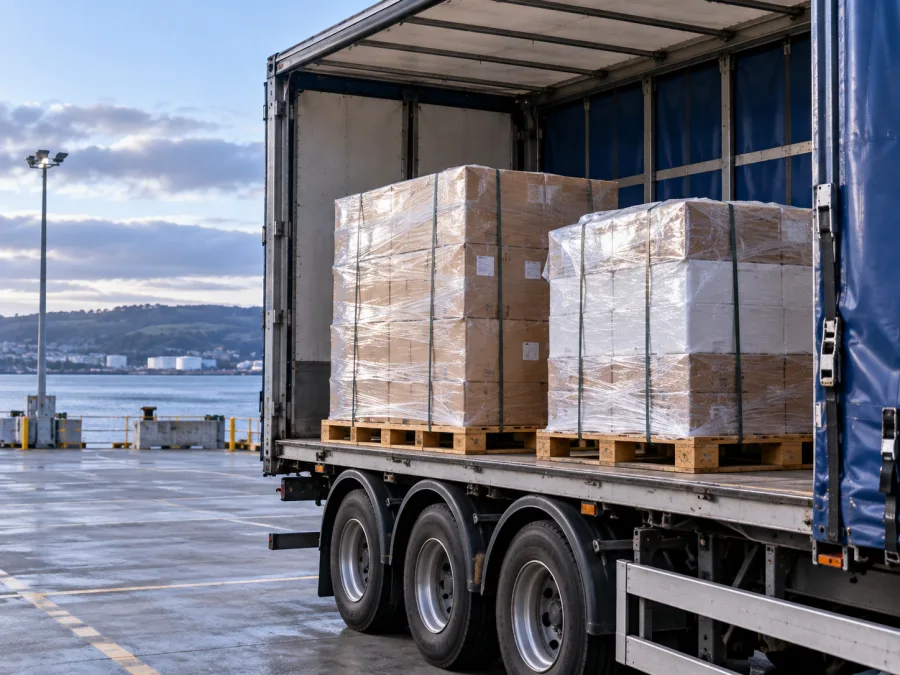
General & Palletised Freight
Cartons, pallets and general commercial freight consolidated for the run north and the crossing.
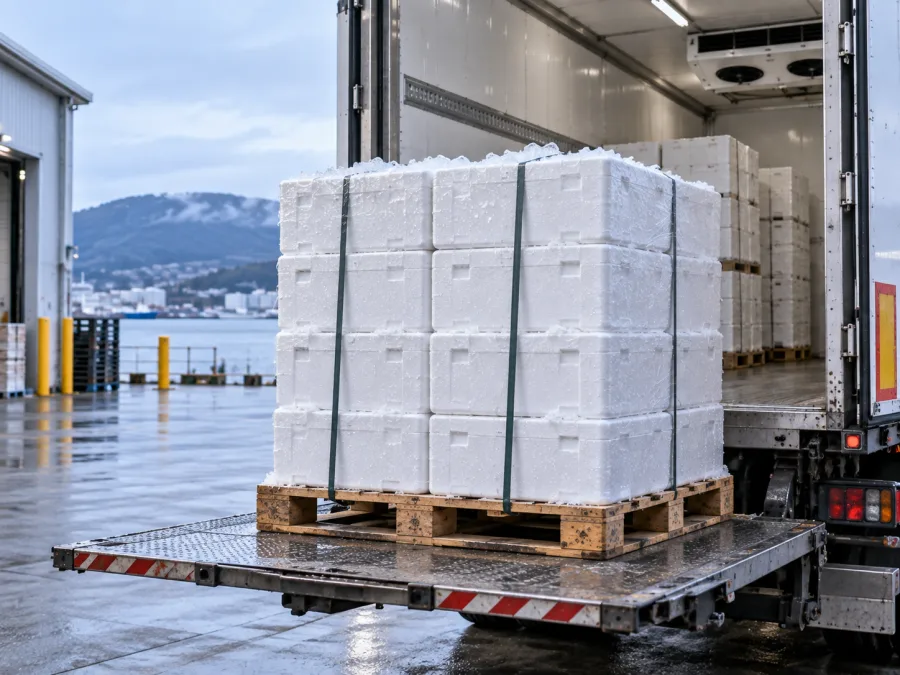
Seafood & Salmon
Tasmania's highest-value export freight. Set temperature from loading and timed to the mainland delivery window.
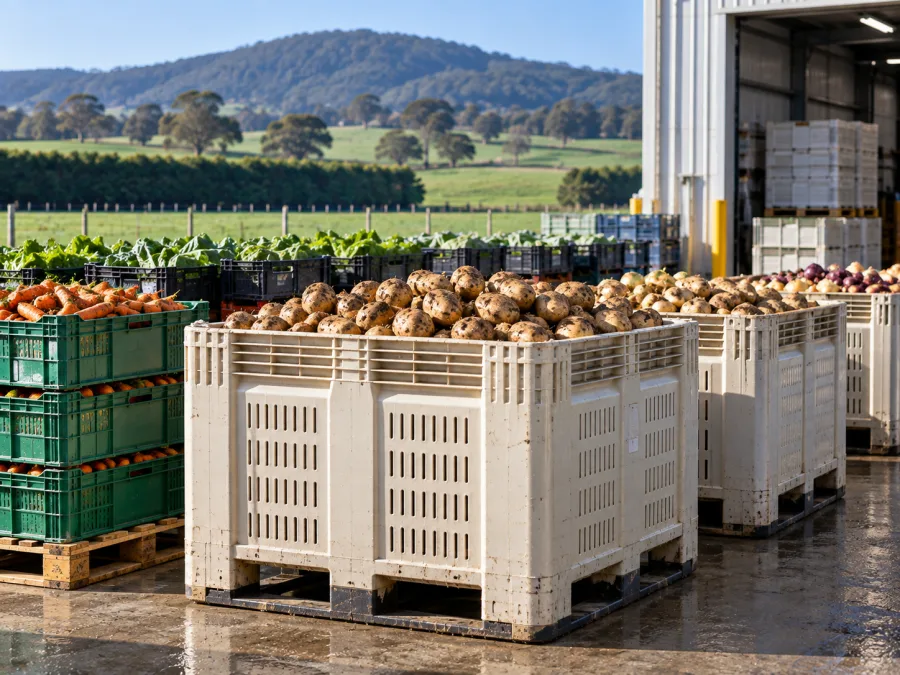
Fresh Produce & Vegetables
Potatoes, vegetables and fresh product for the Melbourne markets and distributors.
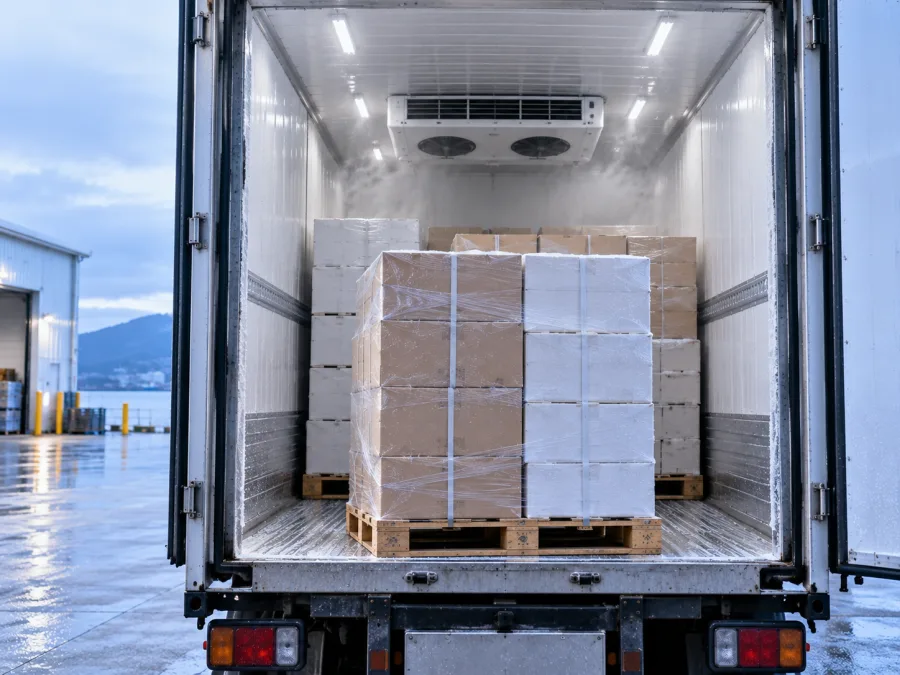
Dairy & Refrigerated Goods
Milk, cheese and dairy product from the Tasmanian processing operations to mainland distribution.
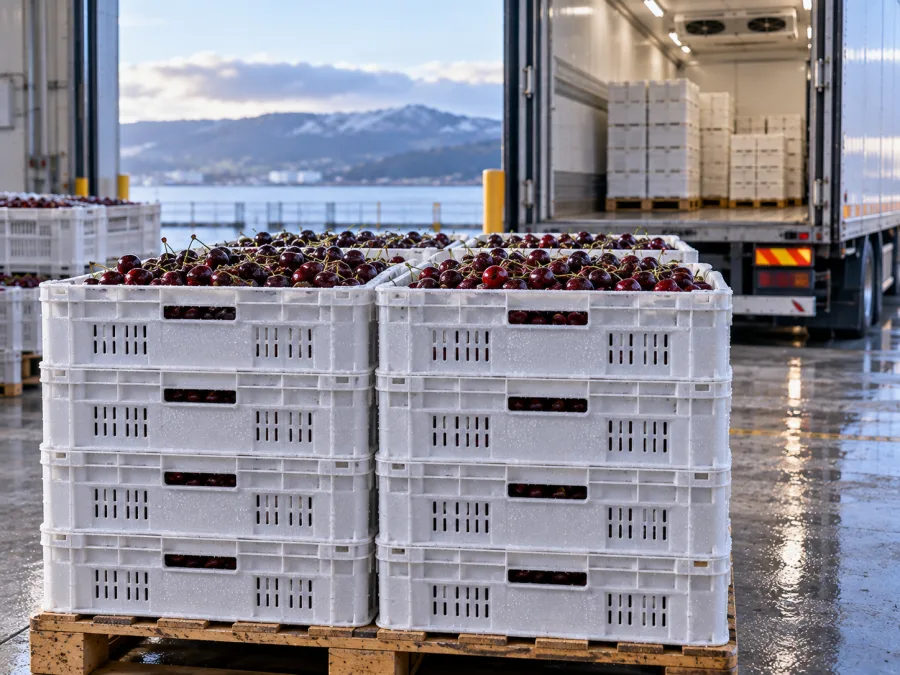
Fruit & Seasonal Crops
Cherries, berries and stone fruit in concentrated seasons. Book well ahead through summer.
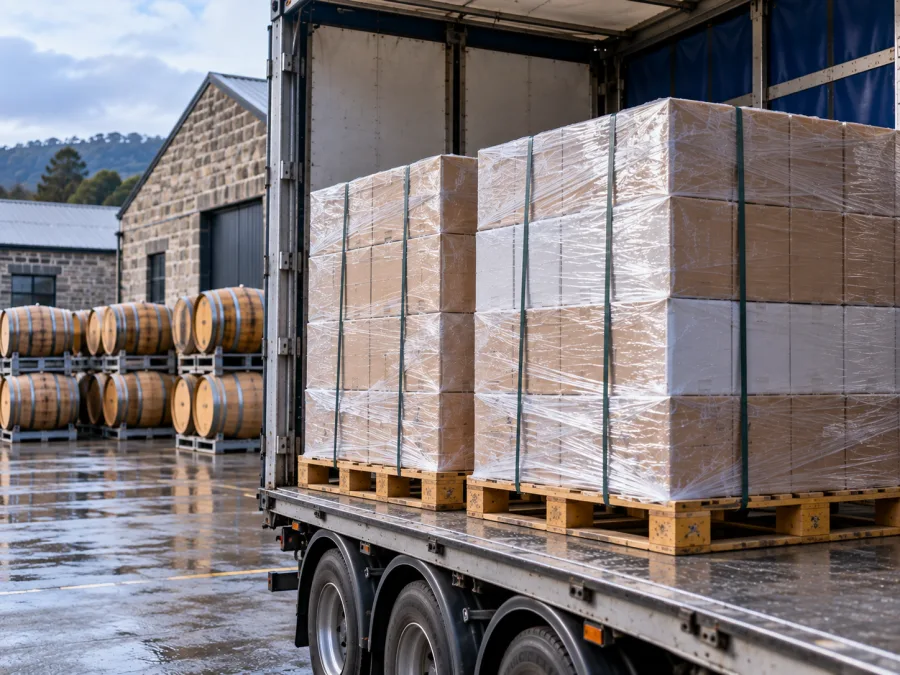
Wine, Whisky & Premium Beverage
Cased product from Tasmanian producers to mainland distributors. Dense, palletised, and it does not like heat.
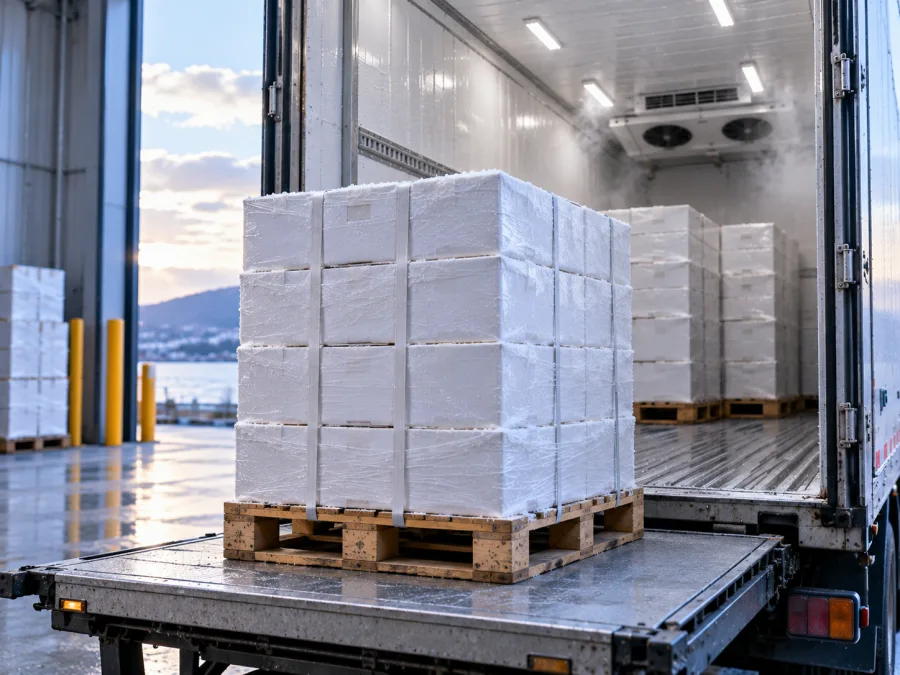
Meat & Smallgoods
Premium beef and lamb under temperature control, timed to the receiver rather than the business day.
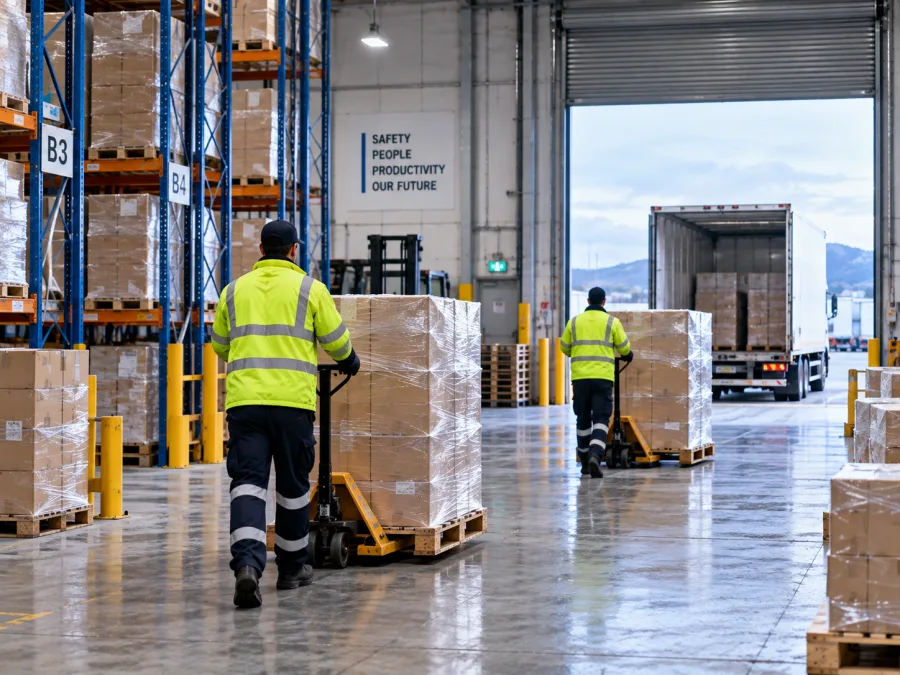
Retail & E-Commerce Stock
Stock replenishment and warehouse transfers moving in both directions.

Building & Construction Materials
Fixings, fit-out materials and site supplies delivered to sites and merchants at either end.
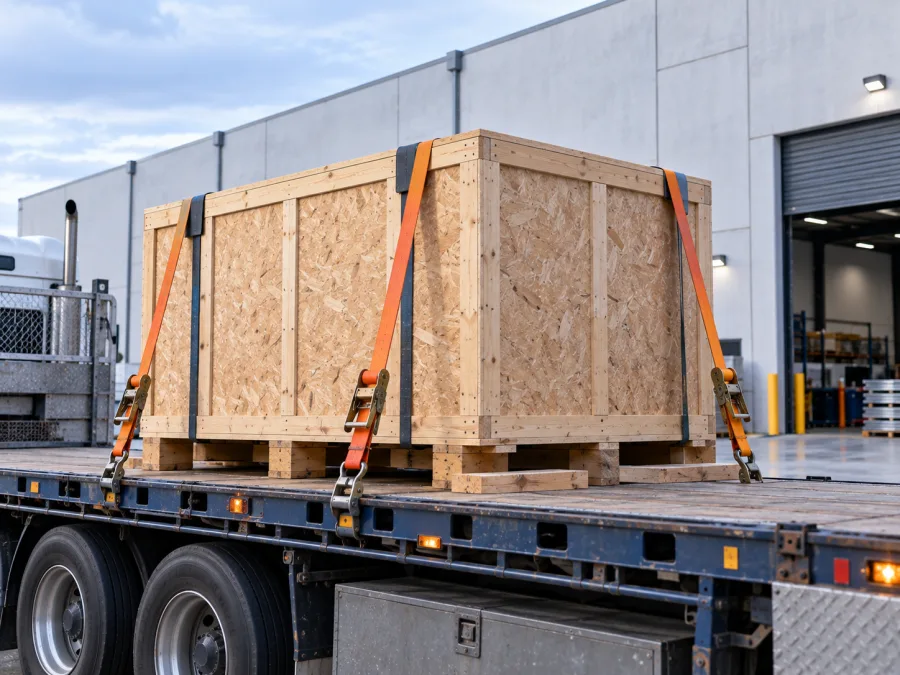
Machinery & Equipment
Palletised and crated machinery, parts and equipment, including plant heading to the mainland for repair.
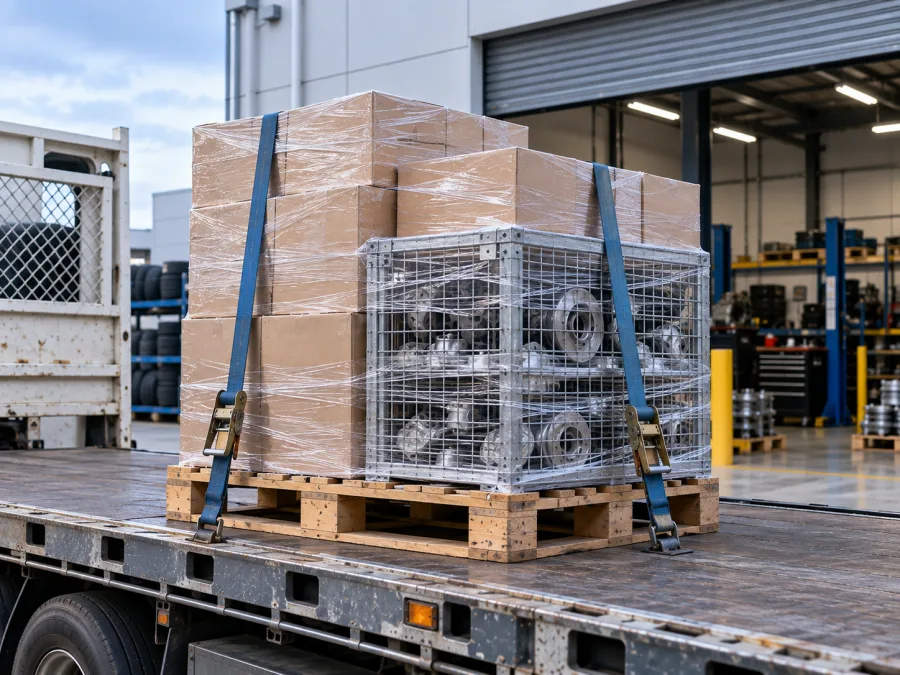
Automotive Parts & Components
Parts and components carried for dealers, workshops and fleet operators.

Cars, Caravans & Boats
Vehicles crossing with owners, dealer transfers and relocations. Ferry dimension limits apply, so measure before booking.
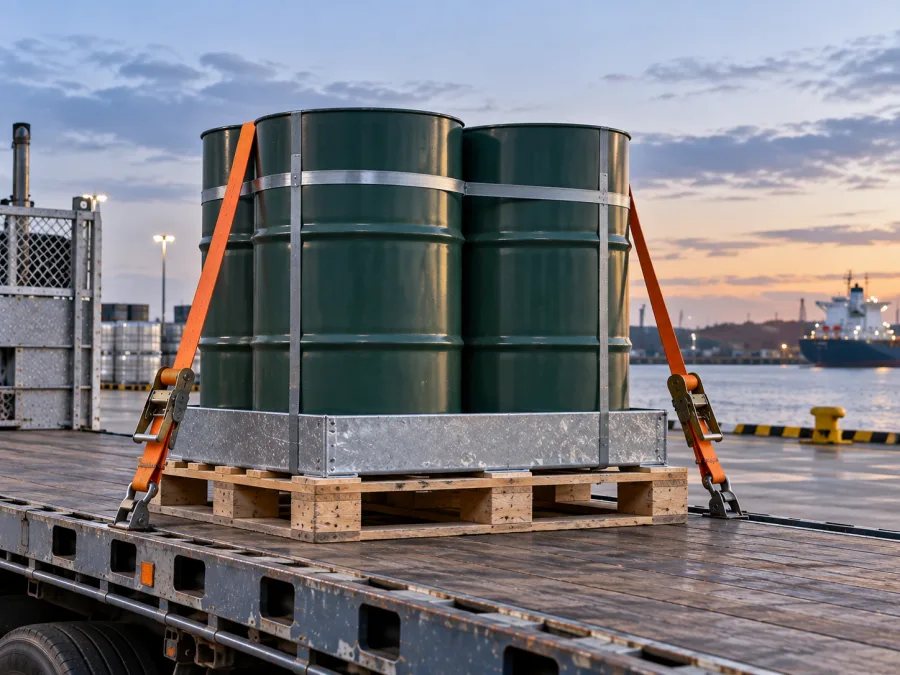
Dangerous Goods
Approved classes with correct documentation and placarding. The ferry operator applies its own rules, so tell us early.
Why choose Ozcoast for Hobart to Melbourne
The Crossing Works Overnight
Loaded in the evening, on the mainland by morning. The sailing uses the dead time.
One Company, One Job
Road, crossing and road, coordinated end to end. Not three arrangements to stitch together.
Built Around the Cold Chain
On this lane the temperature and the window matter more than the rate, and we plan that way.
We Work Backwards From the Sailing
Margin built into the Tasmanian leg so your freight makes that night's service.
Both Directions, Every Week
We run Hobart to Melbourne and Melbourne to Hobart on a regular schedule.
We Know the Summer Squeeze
Christmas and cherry season collide. We book capacity ahead rather than scrambling.
A Name and a Direct Line
One coordinator across all three legs.
Collection & delivery areas
Hobart CBD, Glenorchy, Derwent Park, Moonah, Cambridge and the greater Hobart region
Melbourne CBD, Laverton, Truganina, Derrimut, Brooklyn, Dandenong South, Campbellfield and Port Melbourne
Frequently asked questions
How long does freight take from Hobart to Melbourne?
Is this a road service or a sea service?
Can you carry seafood, salmon and fresh produce?
Do you carry freight from Melbourne to Hobart as well?
What happens if my freight misses the sailing?
Is summer harder to book?
How is my freight priced on this route?
Can you move a car, caravan or boat across?
Can you move refrigerated or dangerous goods on this lane?
Get a quote for Hobart to Melbourne
Tell us what you are moving and we will send a clear, itemised quote with no obligation, usually within business hours.