
Canberra to Melbourne Road Freight
Canberra to Melbourne is the most straightforward interstate lane out of the ACT. Around 660 km almost entirely on the Hume, dual carriageway nearly the whole way, no border checks and no time zone to work around. Ozcoast Logistics runs it both ways on a regular schedule, carrying general and palletised freight, chilled product, machinery and oversize gear, along with cars and caravans, and we deliver into Melbourne's western industrial belt as well as the south east.
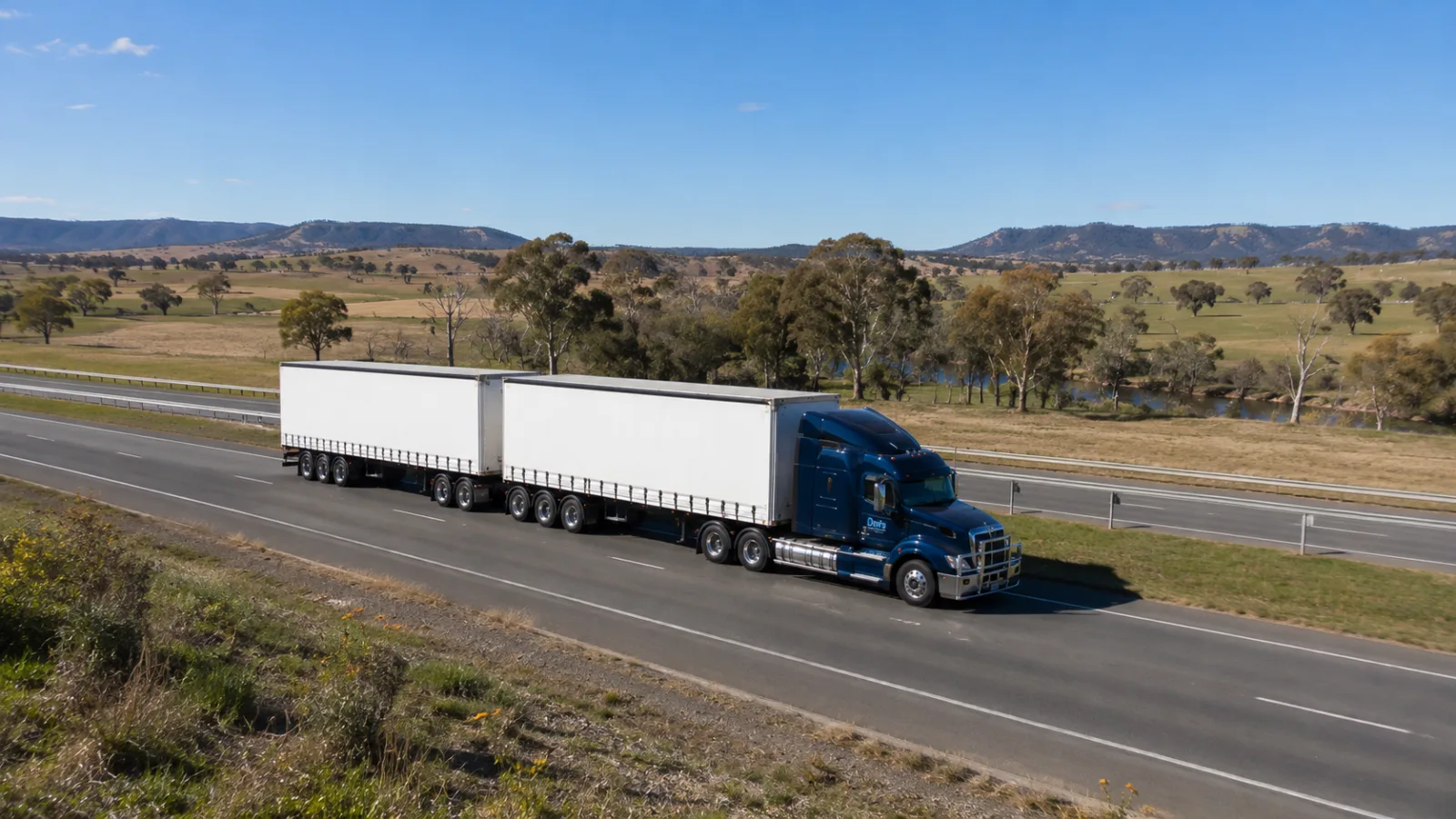
The Canberra to Melbourne corridor
Freight leaves the ACT and joins the Hume Highway near Yass, then runs south-west through Gundagai, Holbrook and Albury-Wodonga, past Benalla and Seymour, and into Melbourne from the north-east. Around 660 km on what is one of the best road corridors in the country, dual carriageway for effectively the entire distance.
That matters more than it sounds. Most Canberra lanes involve something awkward: a long inland run, a thin outbound market, a ferry timetable, a time zone gap. This one involves none of it. The Hume is fast, predictable and well serviced, the ACT sits directly on the corridor rather than at the end of a spur, and both ends run on the same clock. It makes this the easiest freight decision a Canberra business has, and the one where a tight delivery window is most likely to be met.
The distance is a single driving day. Because a driver can cover 660 km inside legal hours, the transit is set more by collection and delivery windows than by the road itself, and for freight that is ready early, next-day delivery is achievable rather than aspirational.
At the Melbourne end, most freight lands in the west. Laverton, Truganina, Derrimut, Altona and Brooklyn hold a large share of the city's warehousing, with Dandenong South and Hallam covering the south east and Campbellfield the north. Many of the larger sites run booked delivery windows, so if you have a dock booking, give us the reference when you book the freight rather than after the truck is on the road.
The freight itself reflects what the ACT is. Government and institutional supply, office and commercial fit-out, retail replenishment and general commercial freight head south. Coming back it is manufactured goods, imported stock out of the Melbourne warehouses, vehicles and machinery, and there is a good deal more of it, because Melbourne produces on a scale Canberra does not. That imbalance makes northbound return freight genuinely valuable rather than incidental.
Smaller consignments travel as part loads so you pay for the deck space you use. Full loads and time-critical freight take a dedicated vehicle. One coordinator owns your job from pickup through to proof of delivery, with a direct line.
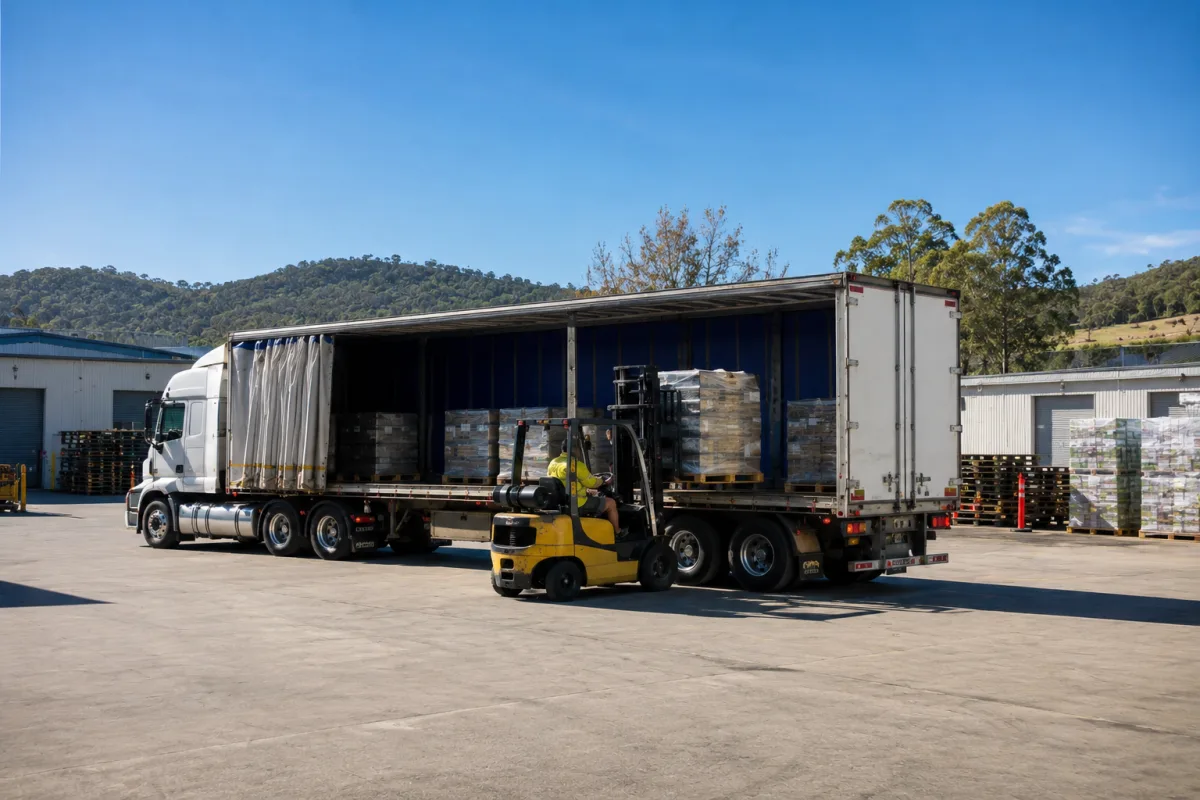
The Easy One
Why this lane behaves better than most Canberra freight
Freight out of Canberra usually comes with a complication attached. This lane does not, and it is worth understanding why, because it changes what you can reasonably expect.
The road is the main reason. The Hume is dual carriageway for effectively the whole 660 km, well serviced, and it carries enough freight volume that conditions on it are known rather than guessed at. There is no long inland stretch, no single-lane section where an incident closes the corridor, and no serious weather exposure beyond occasional winter fog on the tablelands.
The geography helps too. Canberra sits directly on the Hume corridor rather than at the end of a branch, so freight joins the main route within an hour of collection instead of spending half a day getting to it.
And the small things line up. No border quarantine checks. No time zone difference, so a cut-off in Canberra is the same cut-off in Melbourne. No ferry schedule. No permit complexity beyond what any interstate run needs.
The practical consequence is that this is the Canberra lane where a firm delivery window is most likely to hold, and where next-day is genuinely achievable for freight that is ready early rather than being an expensive special. If your consignment is time-critical, this is the corridor where that is easiest to accommodate, and we will tell you honestly whether the timing works before you commit.
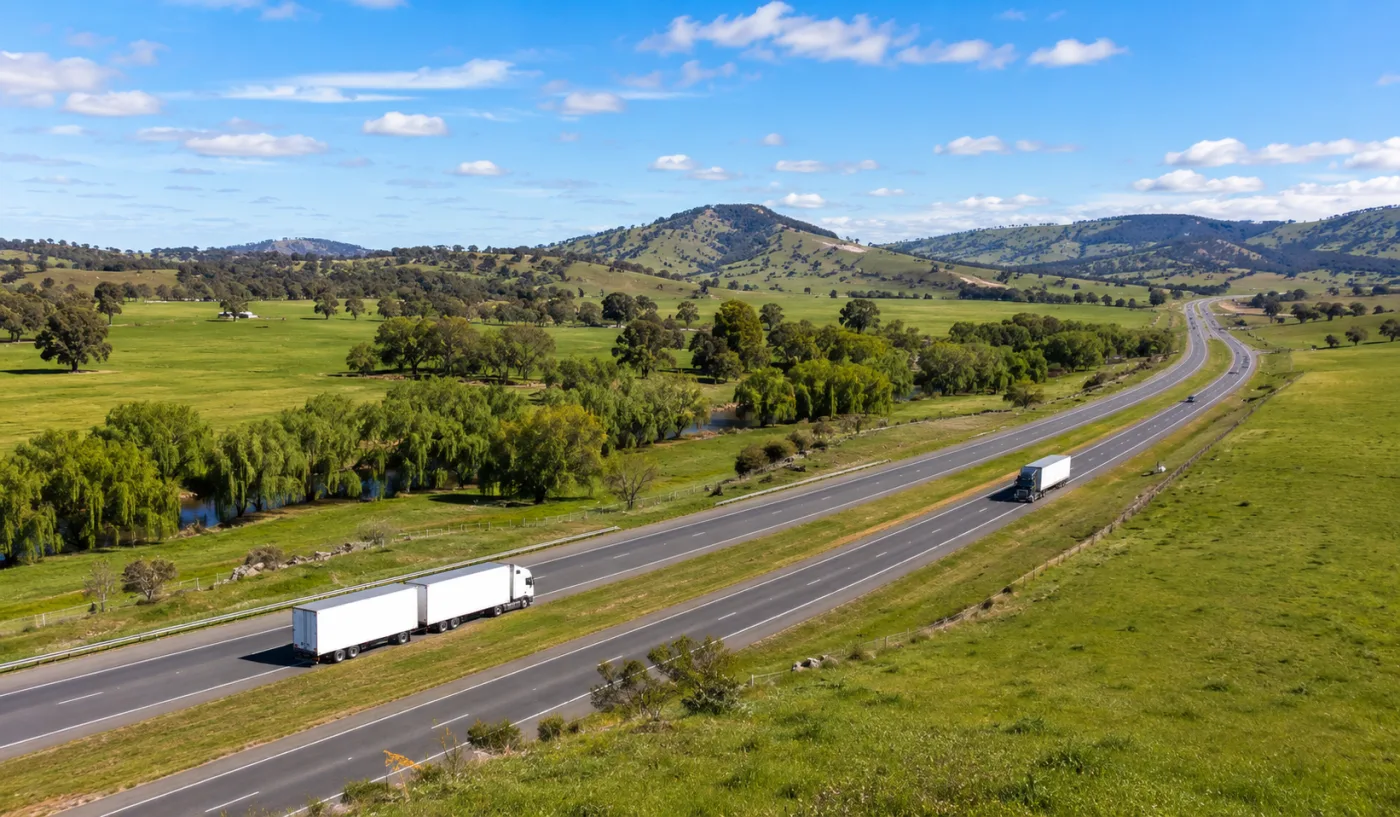
Melbourne's West Is Where It Lands
The delivery end, and why the dock booking comes first
People book freight to Melbourne. Most of it goes to a handful of suburbs in the west.
Laverton, Truganina, Derrimut, Altona and Brooklyn hold a very large share of the city's warehousing and distribution, and it is where the majority of interstate linehaul is unloaded. Dandenong South and Hallam cover the south east, Campbellfield and Somerton the north.
The consequence is the same as in any major distribution belt. The larger sites run booked delivery windows, and a truck arriving outside its slot may wait for hours or be turned away entirely, which turns a two-day run into a three-day one for reasons that have nothing to do with the road.
So the most useful thing you can give us at booking is the dock booking reference and the window. Not after dispatch, not when the truck is an hour out. With it, we plan the Melbourne leg to arrive inside the slot and work everything upstream backwards from there.
It is also worth telling us about access requirements. Some sites need tail-lift delivery, some have height restrictions, some have specific entry procedures or induction requirements. None of it is difficult, but all of it is easier known in Canberra than discovered in Truganina.
If your delivery is to the CBD, the inner suburbs or a retail address rather than the western estates, say so. It is a different problem with different vehicles and different access constraints.
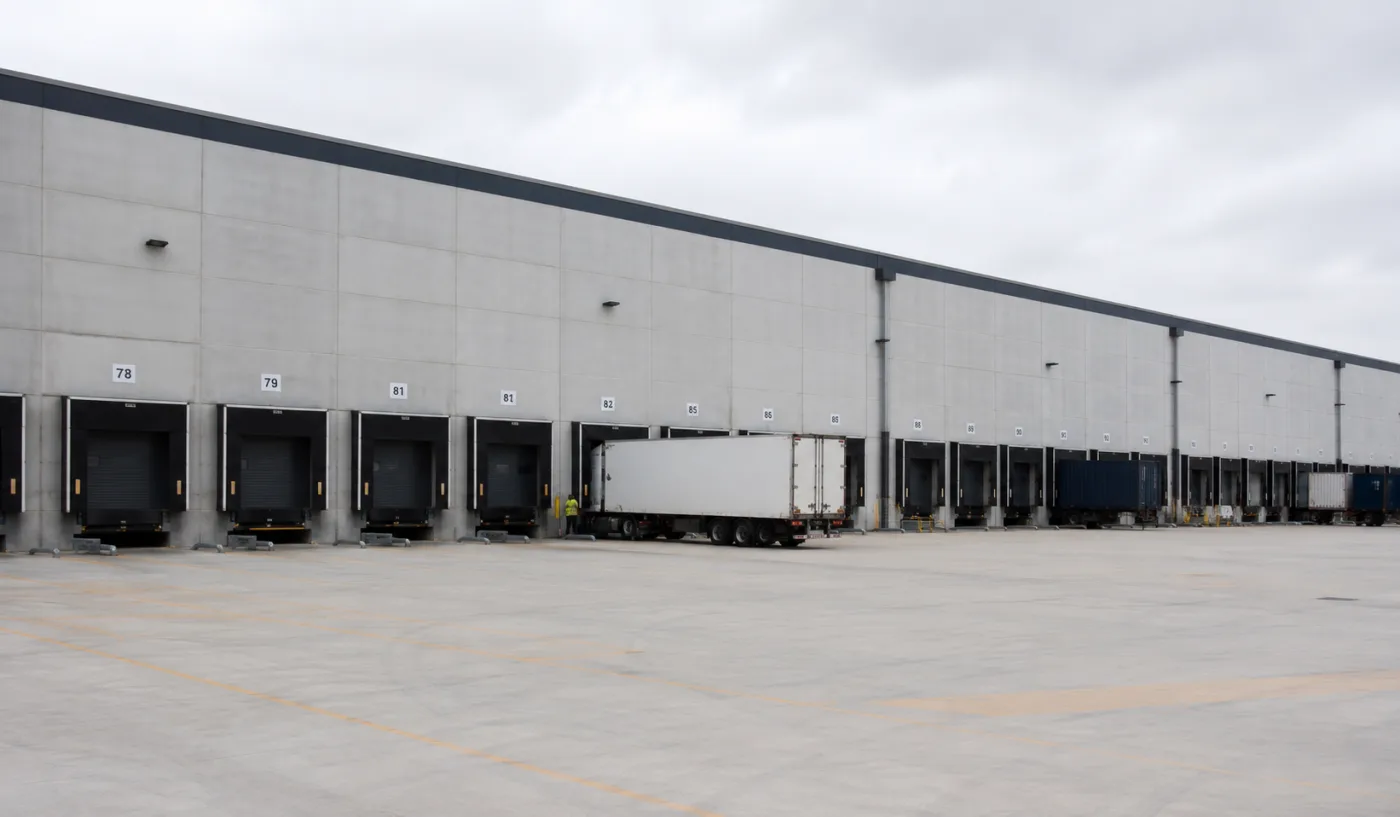
What we carry on this route
This is the most straightforward lane out of the ACT, and it runs in both directions. These are what we move most often. If yours is not here, ring us, and if you have a dock booking in Melbourne, have the reference handy.
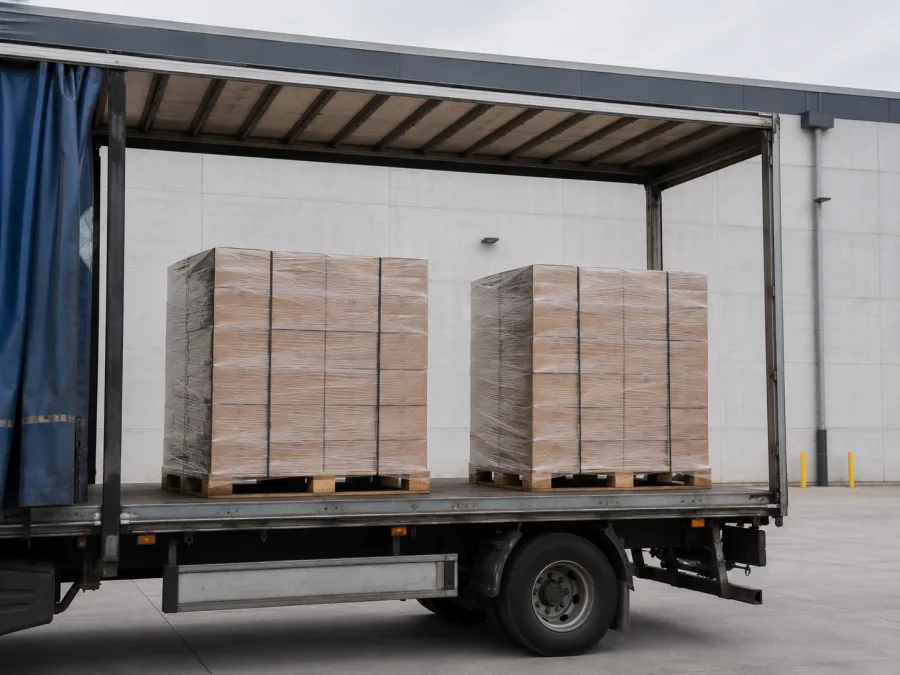
Palletised & General Freight
Standard and oversize pallets out of Fyshwick, Mitchell and Hume into the Laverton and Truganina distribution belt.
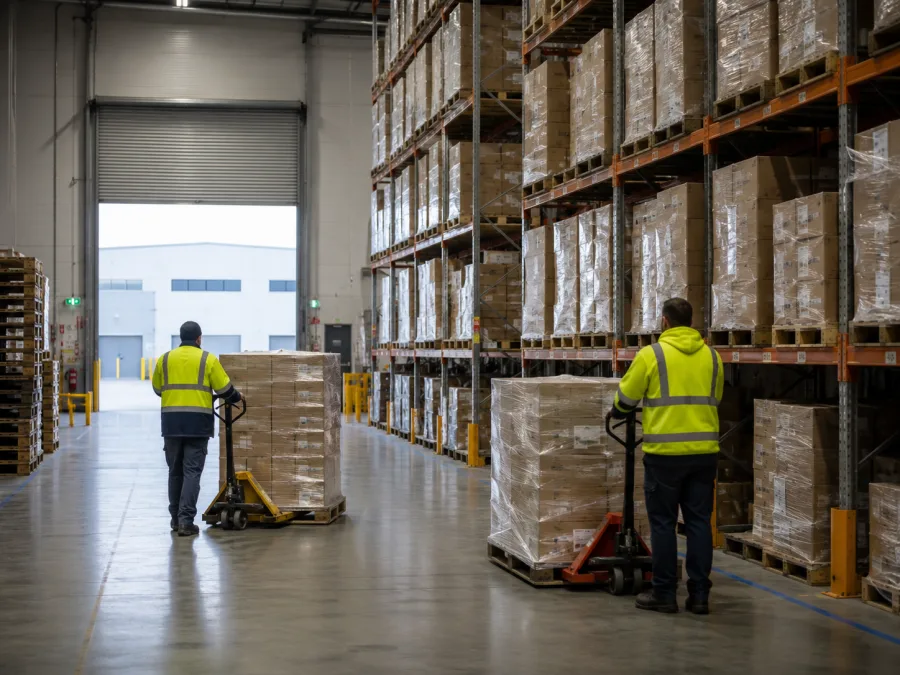
Retail & E-Commerce Stock
Store and warehouse replenishment both ways. High volume, tight windows, tail-lift and dock delivery to the slot.
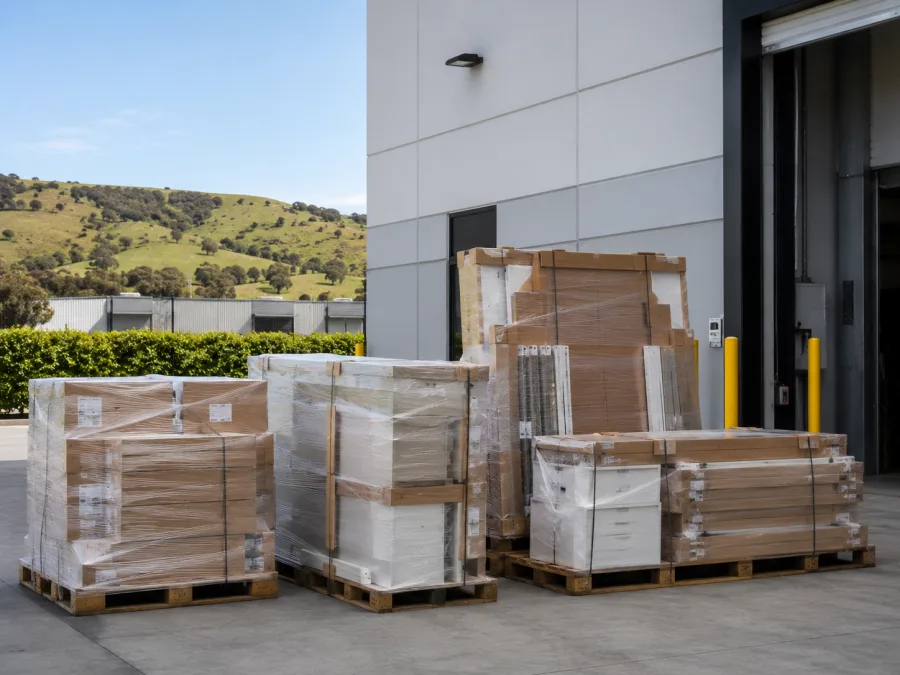
Office & Institutional Fit-Out
Furniture, workstations, joinery and storage systems for government and corporate premises. A Canberra staple.
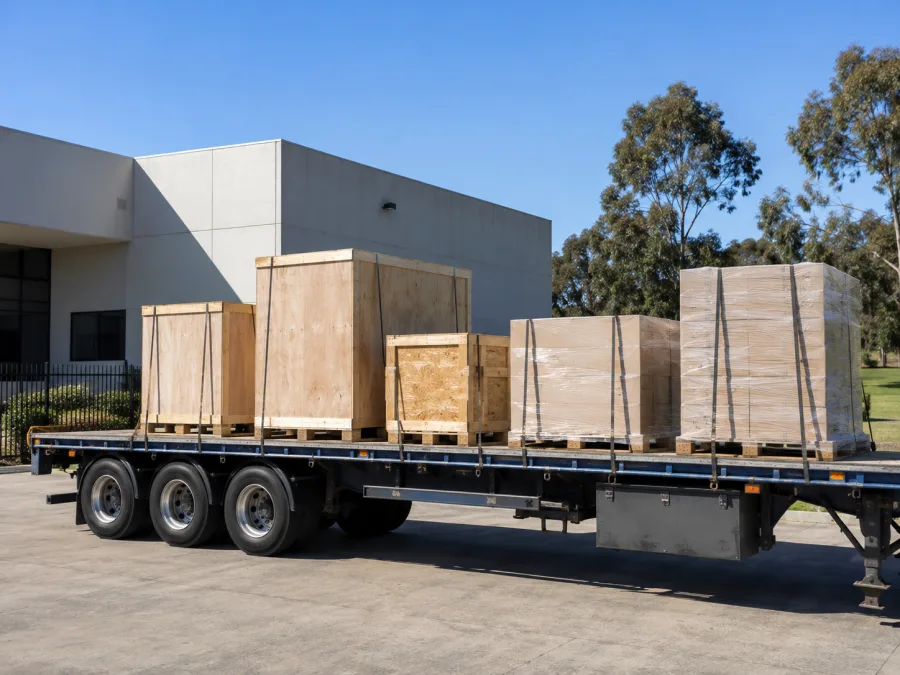
Government & Institutional Freight
Equipment, records and supplies for public sector and institutional sites, often with fixed dates and access requirements.
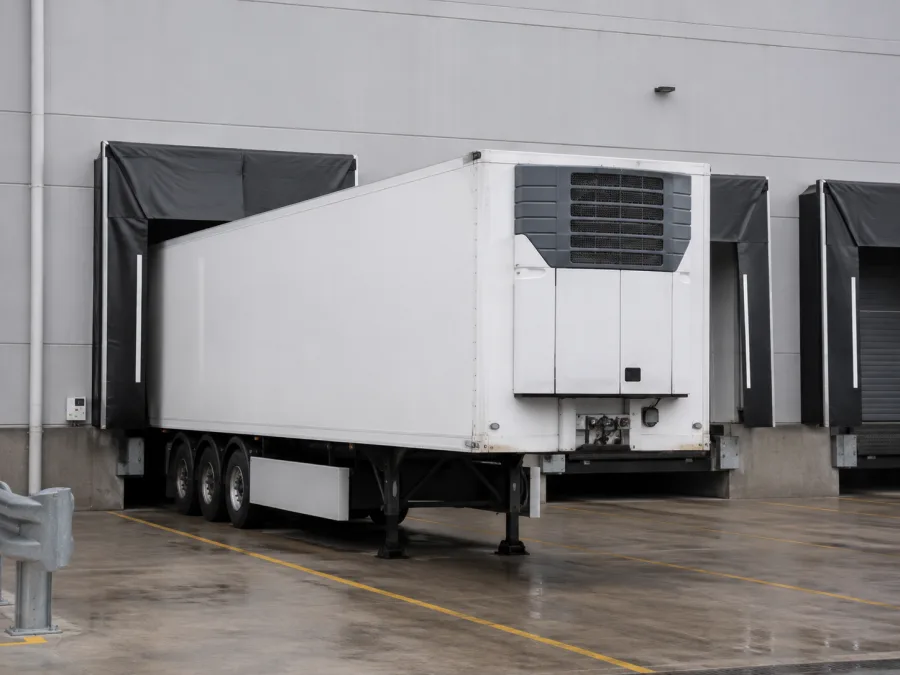
Chilled & Temperature-Controlled
Set-temperature capacity for food, beverage and pharmaceutical lines. The short run keeps the cold chain straightforward.
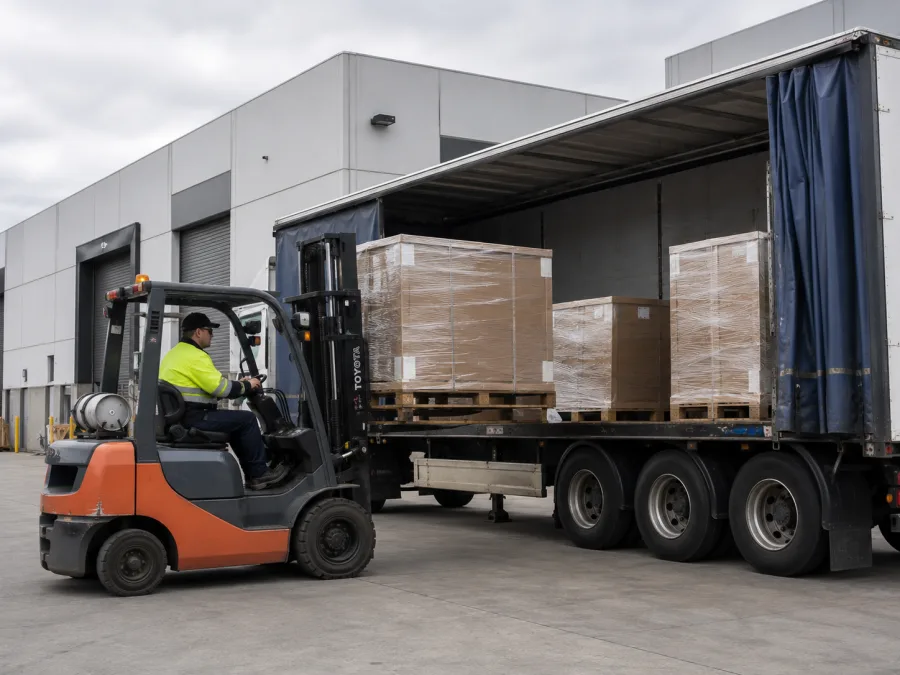
Manufactured Goods North
Product out of the Victorian manufacturing base heading to the ACT. The return leg is the heavier one on this lane.
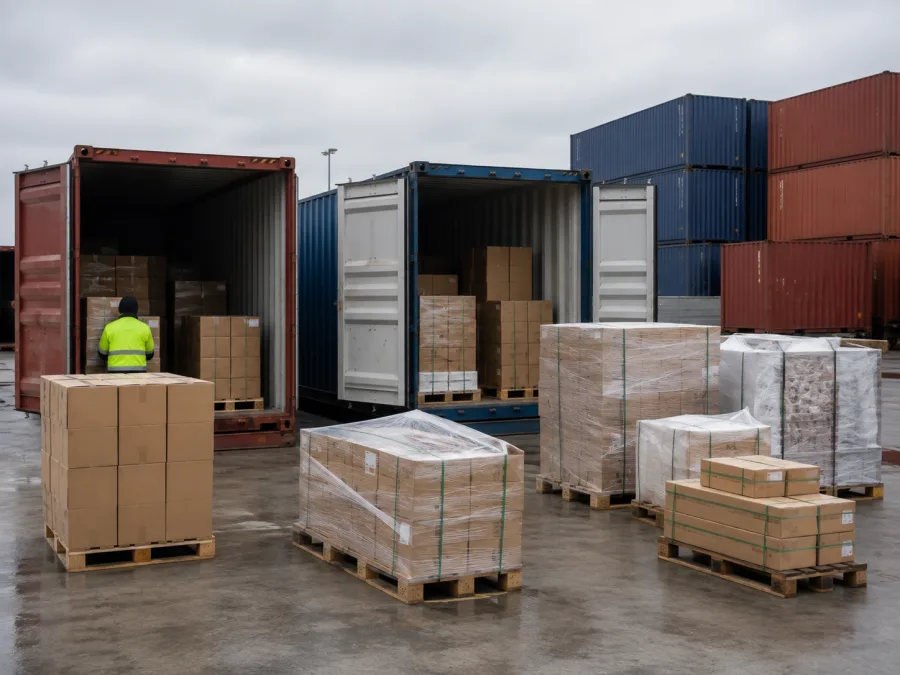
Imported Goods (Return Leg)
Freight out of Melbourne's warehousing heading north to Canberra businesses and government suppliers.
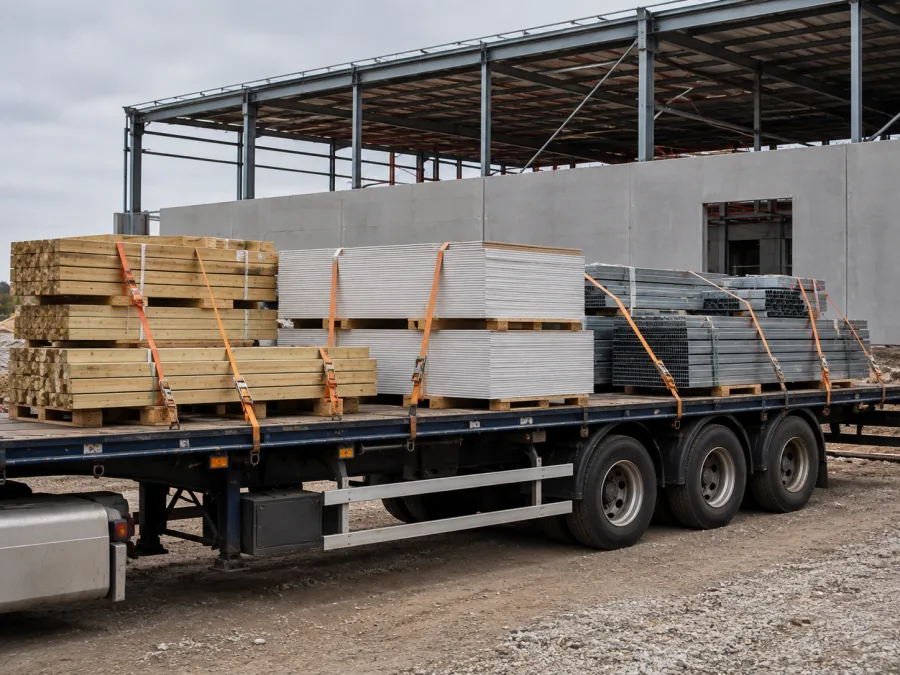
Building & Fit-Out Materials
Fixings, framing, joinery and site consumables for construction and commercial refurbishment at either end.
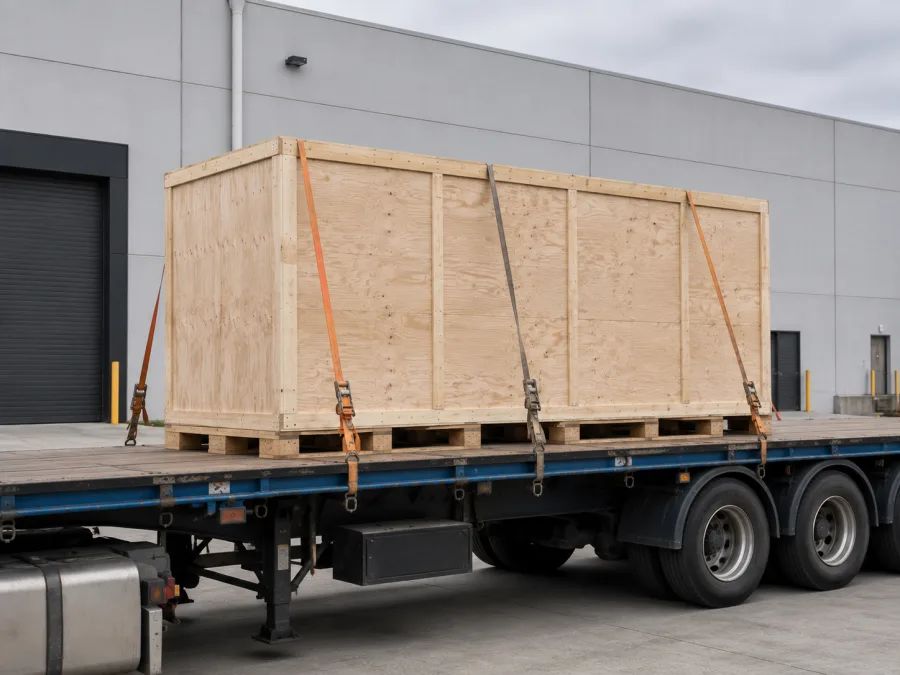
Machinery, Plant & Equipment
Crated components, tooling and plant both ways. Lift equipment and site access confirmed before the truck leaves.
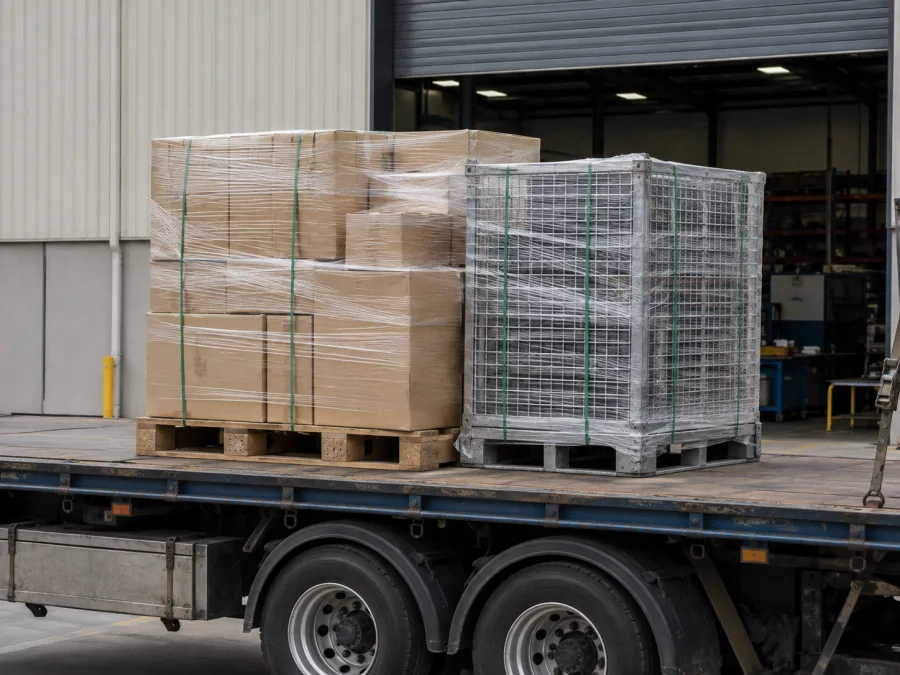
Automotive Parts & Components
Parts and components for dealers, workshops and fleet operators, moving in both directions.
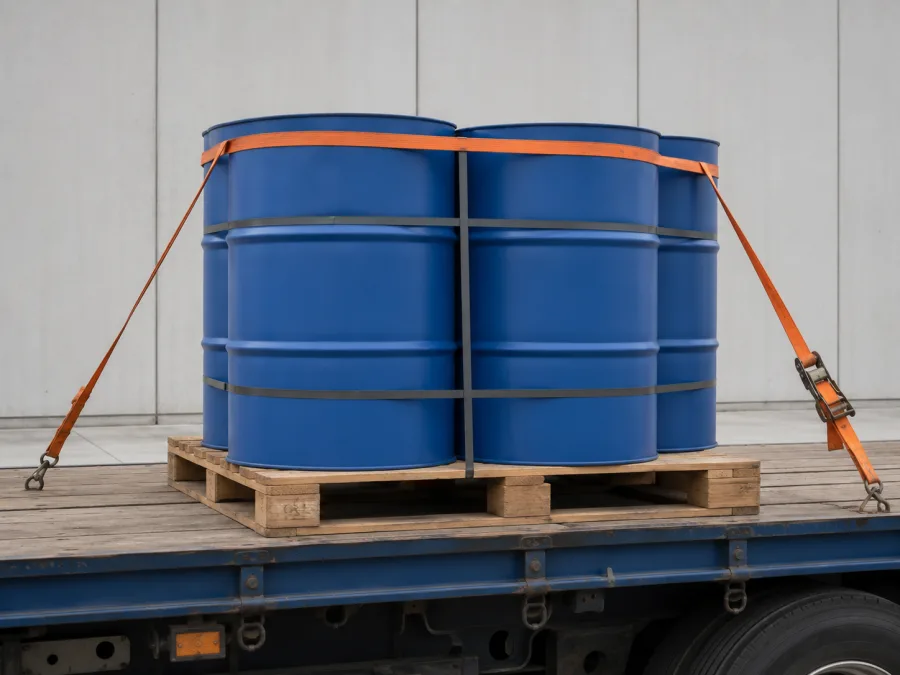
Dangerous Goods
Approved classes with correct documentation, segregation and placarding across the ACT, New South Wales and Victoria.
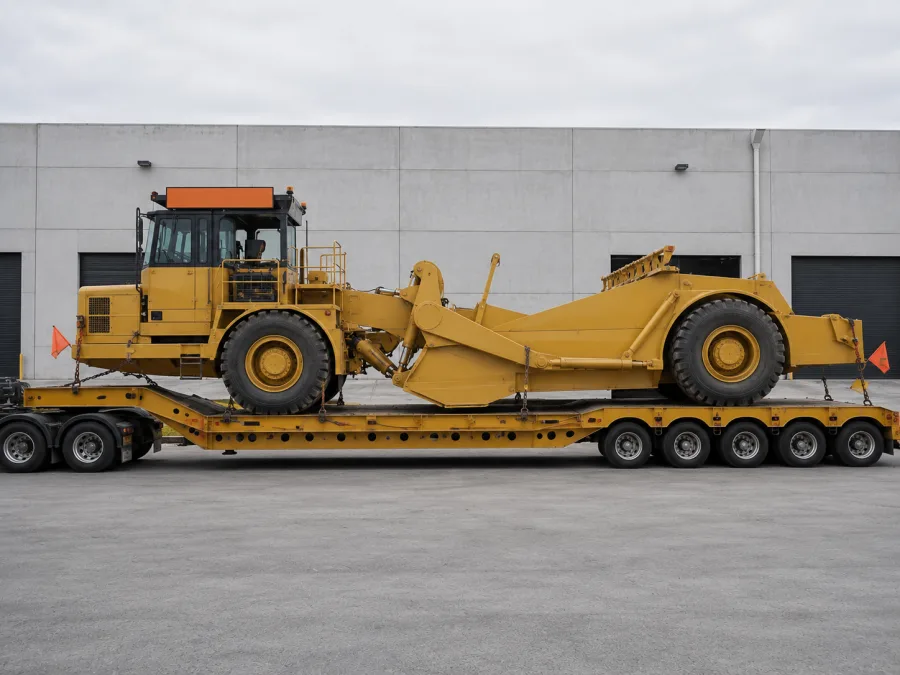
Oversize & Heavy Haulage
Over-dimensional and over-mass loads on permit across three jurisdictions. Send dimensions and mass early.

Cars, Caravans & Trailers
Dealer transfers, auction buys, relocations and vans moving between the two cities. Give us dimensions and registration status.
Why choose Ozcoast for Canberra to Melbourne
The Straightforward Canberra Lane
Dual carriageway nearly the whole way, no border, no time zone, no ferry.
Next Day When the Freight Is Ready Early
660 km is a single driving day. If the timing is tight, we can usually make it work.
We Book the Melbourne Window
Laverton, Truganina, Dandenong South. Give us the slot and we plan the run to hit it.
Government Freight Understood
Fixed dates, site access, induction requirements and the June procurement peak.
Busy Northbound
Melbourne produces on a scale Canberra does not, so return freight genuinely improves your rate.
Deck Space, Not Guesswork
Part loads priced on the floor you actually use.
A Name and a Direct Line
One coordinator from pickup to proof of delivery.
Collection & delivery areas
Canberra CBD, Fyshwick, Mitchell, Hume, Queanbeyan and the surrounding ACT region
Melbourne CBD, Laverton, Truganina, Derrimut, Altona, Brooklyn, Dandenong South, Campbellfield and Port Melbourne
Frequently asked questions
How long does freight take from Canberra to Melbourne?
Can you do a next-day delivery?
Do you deliver to Melbourne distribution centres?
Do you carry freight from Melbourne back to Canberra?
Do you handle government and institutional freight?
Can you drop freight at towns along the way?
How is a part load priced on this route?
Can you move oversize loads on this lane?
Do you carry dangerous goods on this lane?
Get a quote for Canberra to Melbourne
Tell us what you are moving and we will send a clear, itemised quote with no obligation, usually within business hours.