
Canberra to Darwin Road Freight
Canberra to Darwin is one of the longest lanes in the country, around 4,000 km from the southern tablelands to the Top End. It is also one of the harder ones to start, because Canberra generates less outbound freight than a port city does, which means consolidation matters more here than almost anywhere. Ozcoast Logistics moves general, palletised, refrigerated and oversized freight on this corridor, and we are straight about what a long run from a low-volume origin actually costs and how to make it work.
The Canberra to Darwin corridor
There is no direct road from Canberra to Darwin, and the route is worth understanding because it shapes the price as much as the distance does.
Freight leaves the ACT and heads west, joining the corridor to Adelaide through Wagga Wagga, Hay and the Riverland. From Adelaide it turns north onto the Stuart Highway and runs the length of the continent through Port Augusta, Coober Pedy, Alice Springs, Tennant Creek and Katherine to Darwin. Around 4,000 km all up, which is a genuine linehaul planned around changeovers and fuel range rather than a longer version of an interstate run.
The honest part is what happens at the Canberra end. Canberra is a government and services city with no port and very little manufacturing, so it produces far less outbound freight than it consumes. On a short lane that barely matters. On a 4,000 km run it matters a great deal, because a trailer heading north needs to be full to be economic, and filling one from a low-volume origin takes either patience or a premium.
So there are two realistic ways to do this. Consolidated freight travels with other loads and is priced as a share of a full trailer, which is far cheaper but means waiting for the right run and accepting handling at a transfer point along the way. A dedicated vehicle leaves when you need it and stays on the same trailer end to end, but you carry the cost of the whole run. Neither is the right answer for every consignment, and we will tell you which suits yours rather than quoting the cheaper option and letting the timing disappoint you.
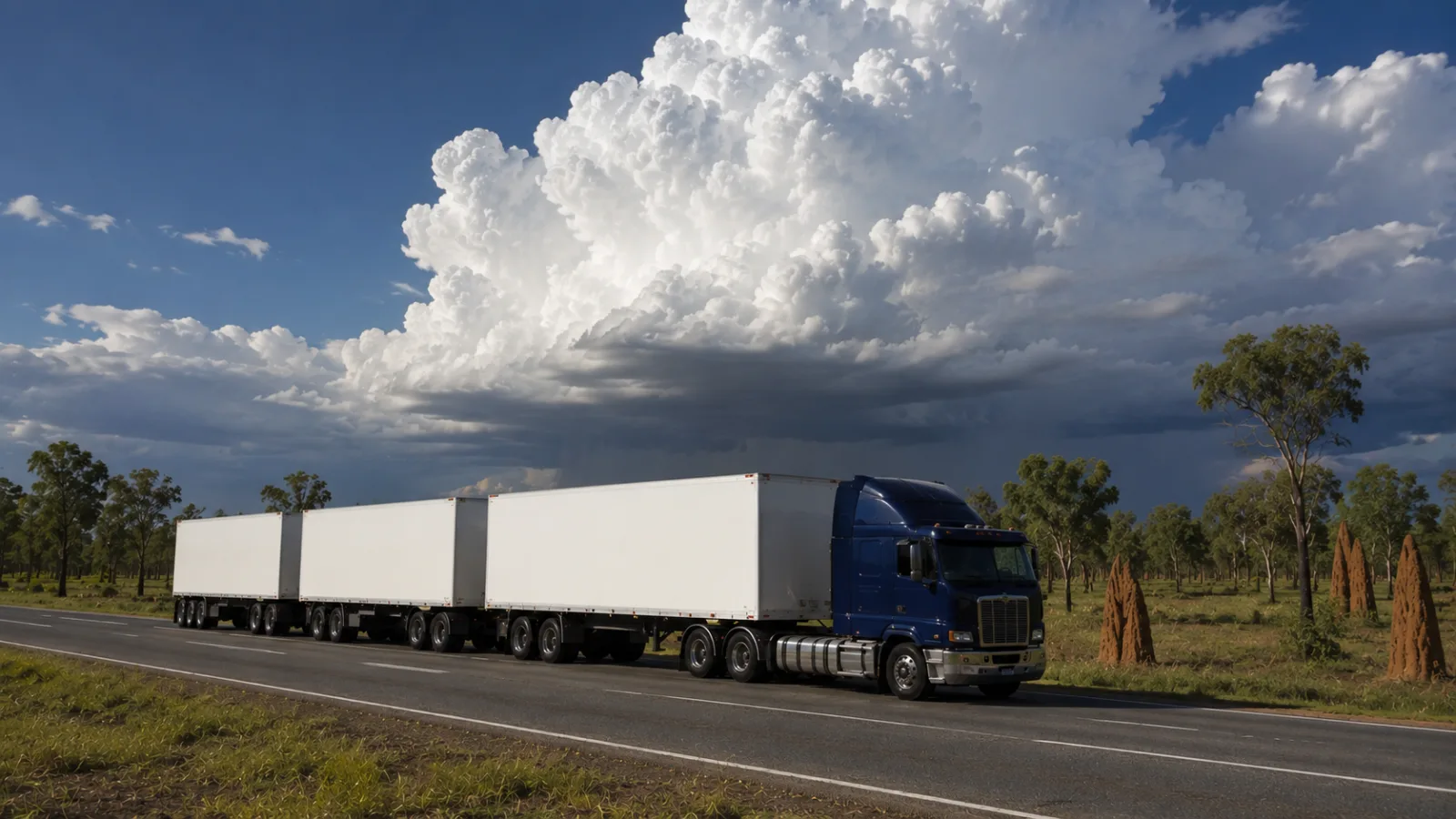
The northern half of the run is the Stuart Highway, which is remote country with long gaps between anything and road trains doing the heavy lifting once north of Port Augusta. The wet season, roughly November to April, brings monsoon rain and flooding to the Top End, and roads can close for days when a system sits over the region. Through those months we build extra time into quotes and tell you early if a delivery is at risk.
At the Darwin end, delivery is into East Arm, Berrimah, Winnellie and Palmerston. Time zones are worth noting: the Northern Territory does not observe daylight saving, so for half the year Darwin runs half an hour behind Canberra rather than an hour and a half.
One coordinator owns your job from pickup through to proof of delivery, with a direct line, which matters most on a lane where the freight is on the road the better part of a week.
The Hardest Origin on the Longest Road
Why consolidation decides the price out of Canberra
Most carriers will quote this lane without mentioning the thing that actually determines what you pay.
Canberra is a government and services city. It has no port, almost no manufacturing, and it consumes considerably more than it produces. That means outbound freight volume is thin compared with Sydney or Melbourne, and on a 4,000 km run to Darwin, thin volume is expensive volume. A trailer needs to be full to justify the fuel, the driver hours and the days on the road, and filling one from a low-volume origin is the whole challenge.
There are two honest ways to handle it, and they suit different freight.
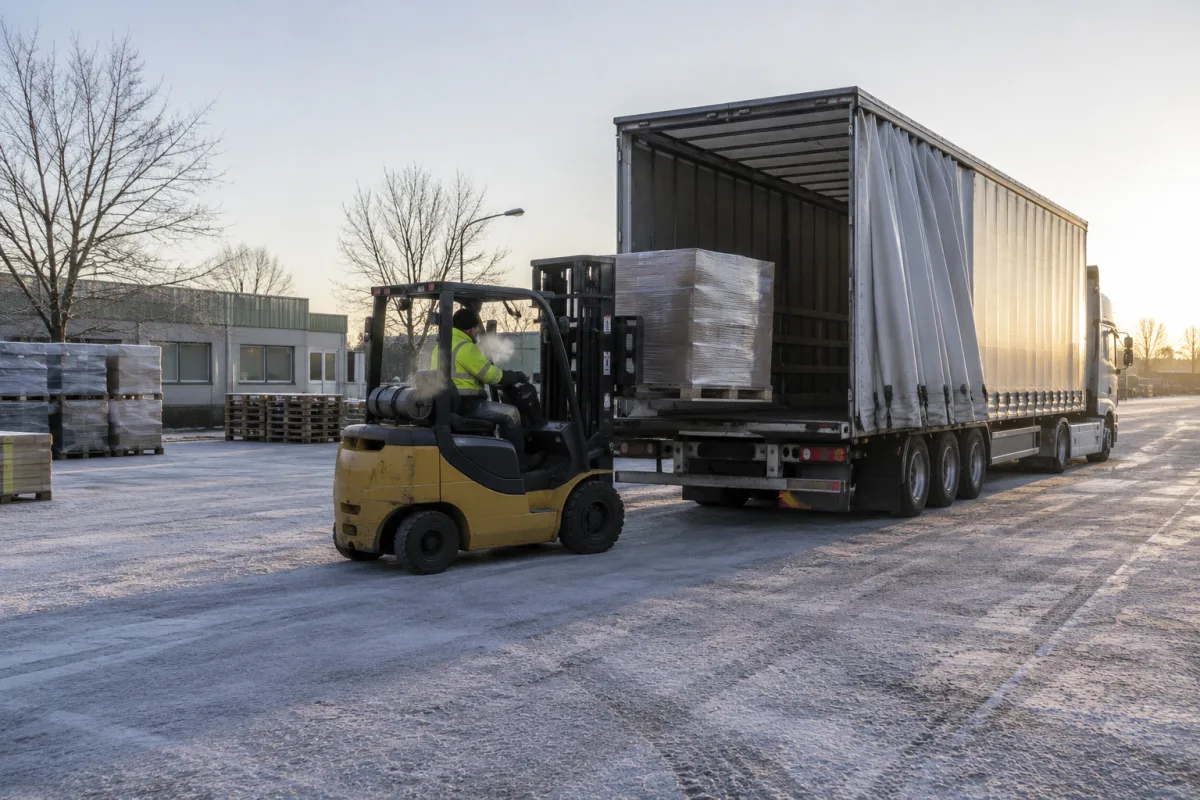
Consolidated freight travels as part of a larger load and is priced as a share of the trailer rather than the whole run. It is dramatically cheaper, and it is the right answer for most general freight. The trade-offs are real though: your consignment may wait for a suitable run to be built, and it will likely be handled at a transfer point rather than staying on one trailer for the full distance.
A dedicated vehicle leaves when you need it, stays on the same trailer end to end, and costs what a 4,000 km run costs. For high-value, fragile or genuinely time-critical freight, that is money well spent rather than an upsell.
What we will not do is quote the consolidated price and then leave you waiting a fortnight for a run. Tell us your deadline and your budget when you enquire, and we will tell you plainly which option fits and what the realistic timing looks like for each.
Government Freight, Both Ends
What moves between two public sector cities
Canberra and Darwin have more in common as freight markets than the distance suggests. Both are administrative capitals where government, defence and institutional activity make up a large share of the economy, and a genuine amount of what travels this corridor reflects that.
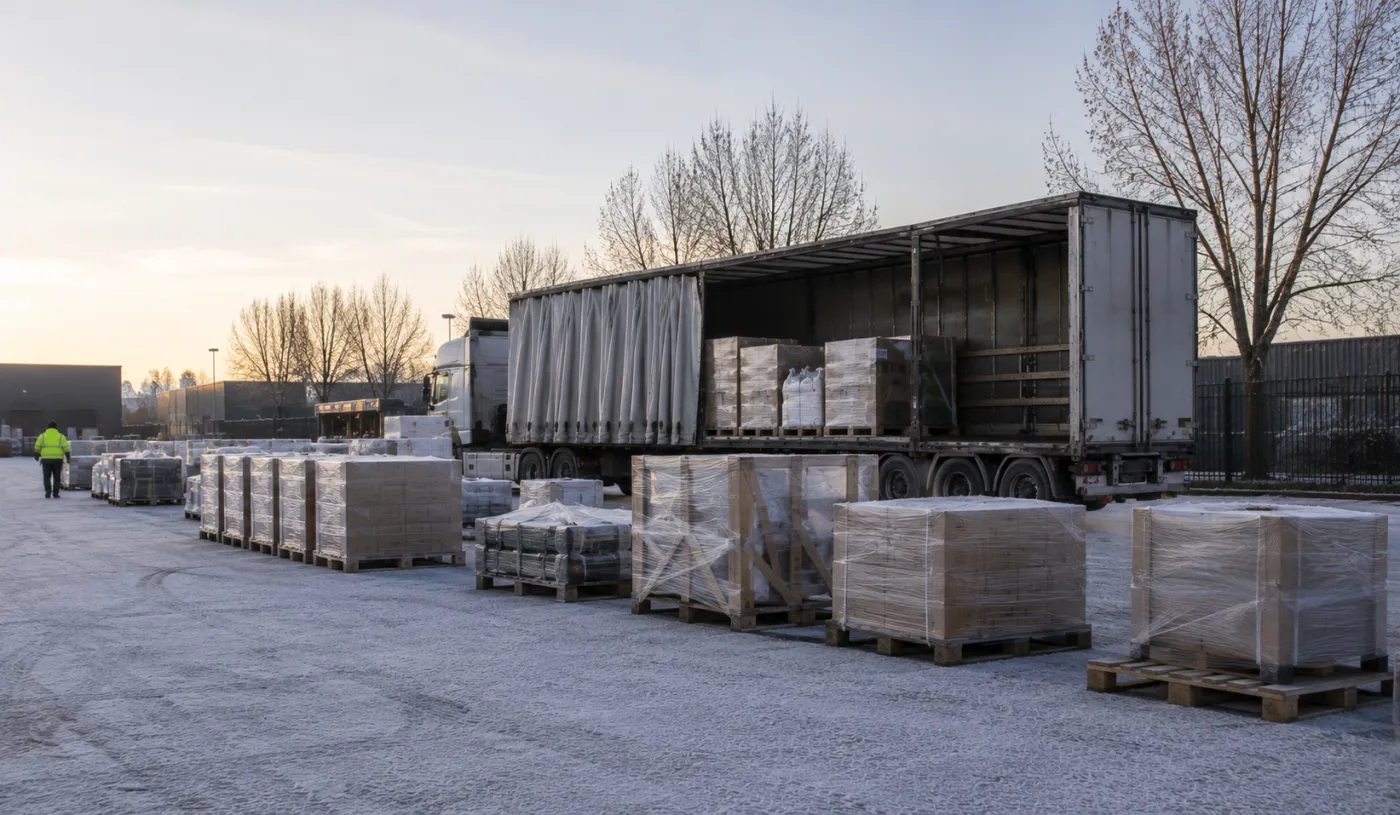
Office and institutional fit-out moves north regularly: furniture, workstations, joinery, storage systems and the equipment that fills government and corporate premises. Canberra has an unusually high concentration of that supply chain, and Darwin's growth keeps demand steady.
Records, archives and equipment relocations are their own category. Institutional moves tend to be palletised or crated, need careful handling and chain of custody, and often come with a fixed date attached because a site is being vacated or commissioned on a particular day.
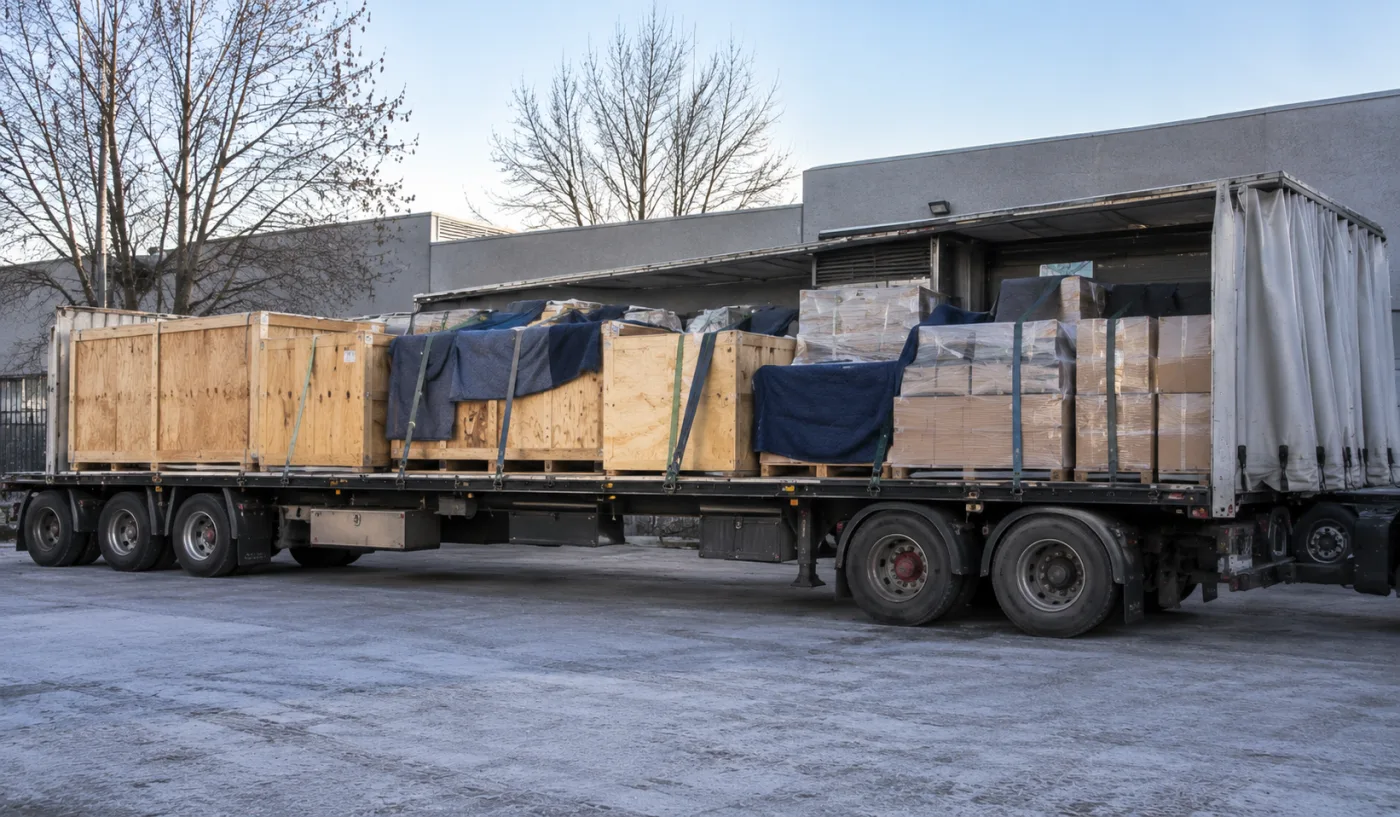
Specialised and technical equipment travels too, from laboratory and testing gear to communications and IT infrastructure. It is usually crated, frequently fragile, and it is exactly the freight where a dedicated vehicle earns its cost rather than saving a few hundred dollars on a consolidated run.
Procurement timing is worth planning around. Government purchasing concentrates toward the end of the financial year, and June is consistently busier than the months around it. On a lane this long, a June delivery deadline needs booking well in advance rather than in the same month.
If your freight is government or institutional, tell us the site requirements, any security or induction arrangements and the fixed date at booking. All of it is easier known in Canberra than discovered in Darwin.
What we carry on this route
This lane runs from a low-volume origin to a remote capital, so consolidation and planning matter more than usual. These are what we carry most often. If yours is not here, ring us, and tell us your deadline early because it decides the service.
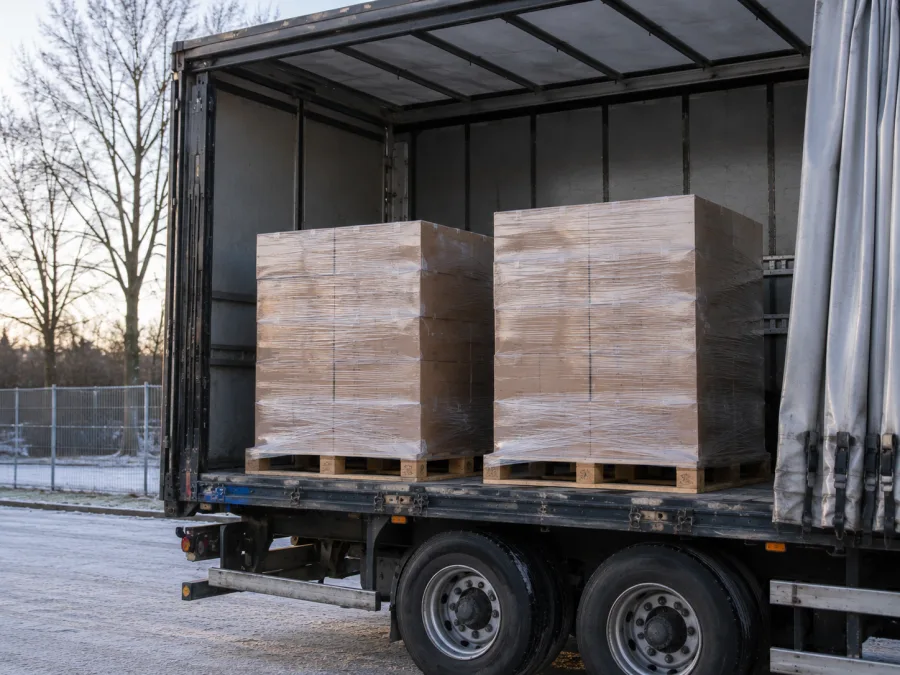
Palletised & General Freight
Standard and oversize pallets out of Fyshwick, Mitchell and Hume, consolidated for the long northbound run.
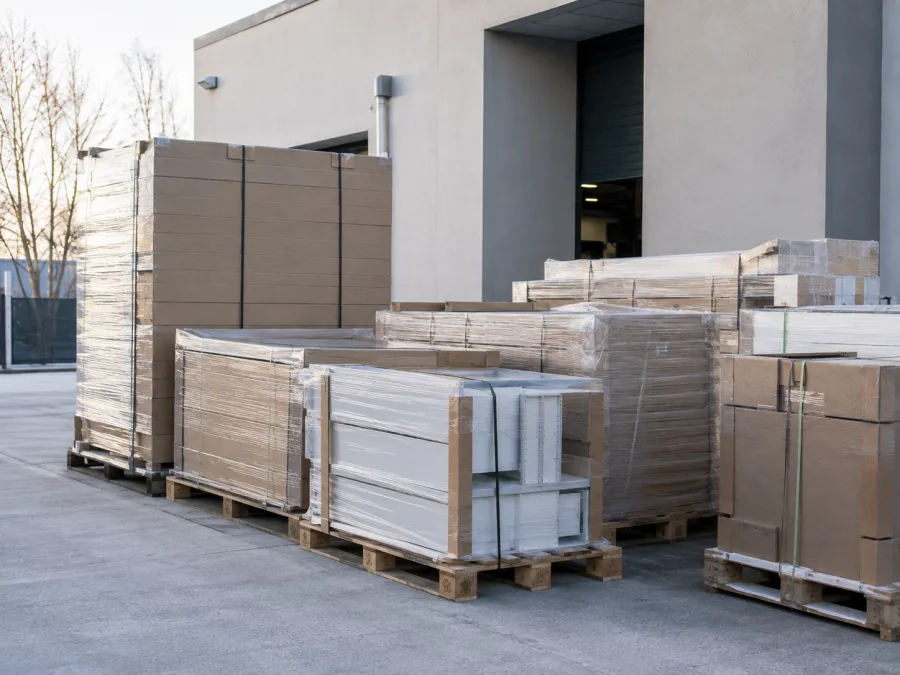
Office & Institutional Fit-Out
Furniture, workstations, joinery and storage systems for government and corporate premises. Canberra's strong suit.
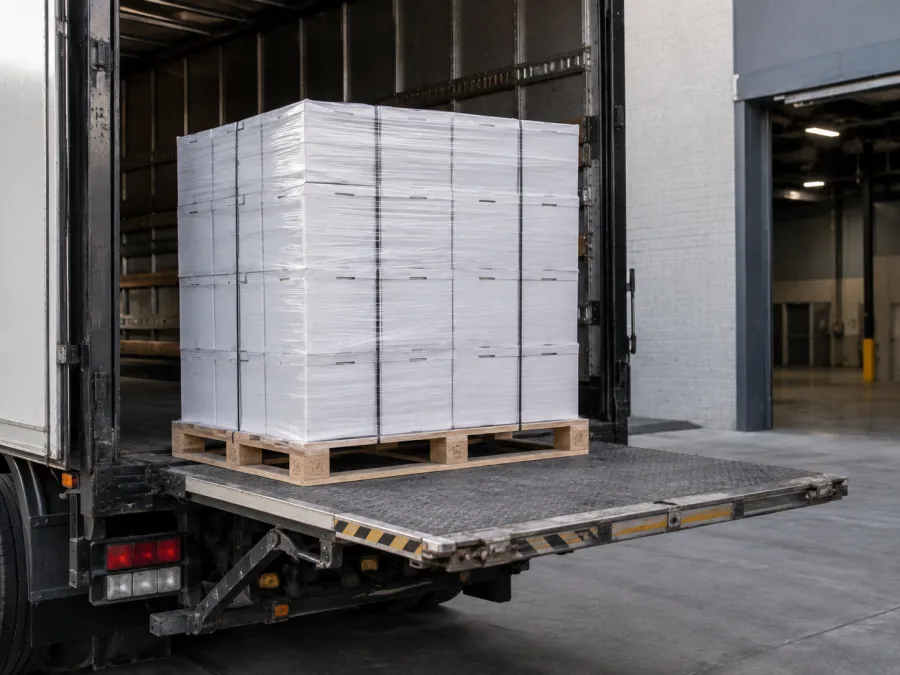
Records & Archive Relocations
Palletised and crated records and equipment for institutional moves, often with a fixed vacate or commissioning date.
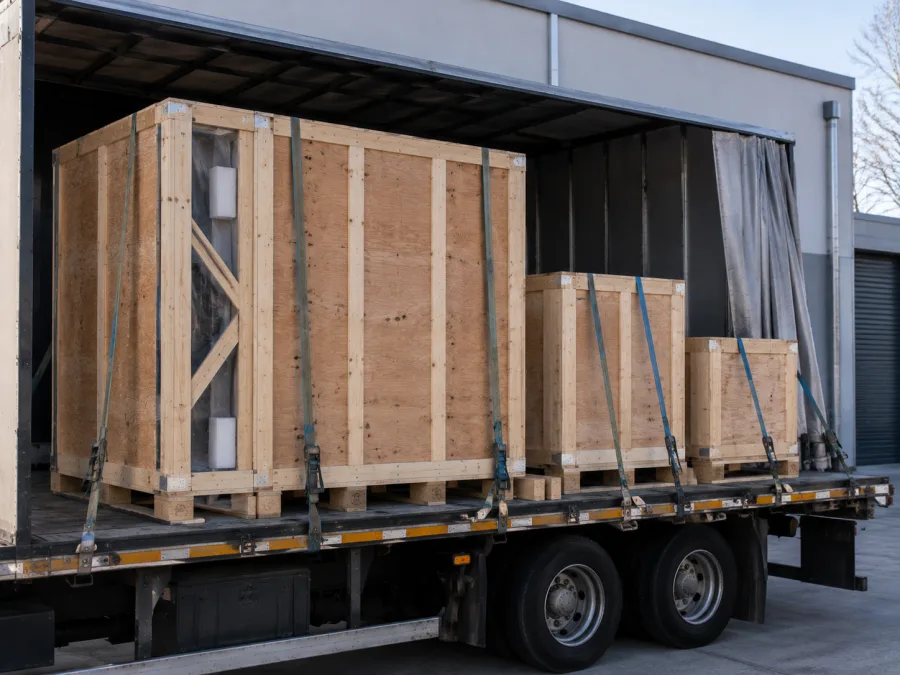
Specialised & Technical Equipment
Laboratory, testing, communications and IT infrastructure. Usually crated, often fragile, and often better on a dedicated vehicle.
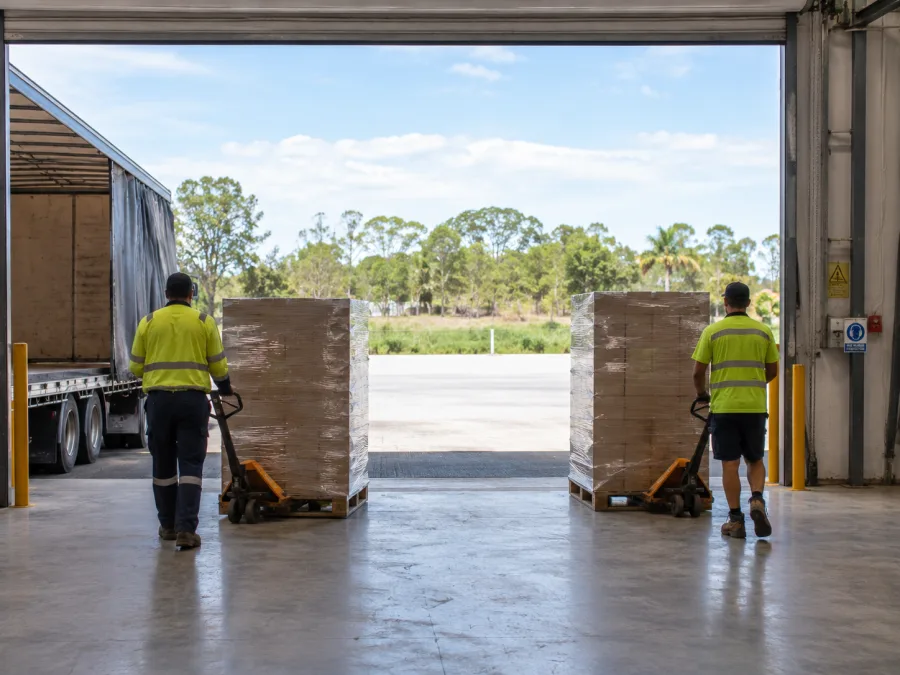
Retail & General Supply
Store and warehouse stock for a Top End market that imports nearly everything it uses.
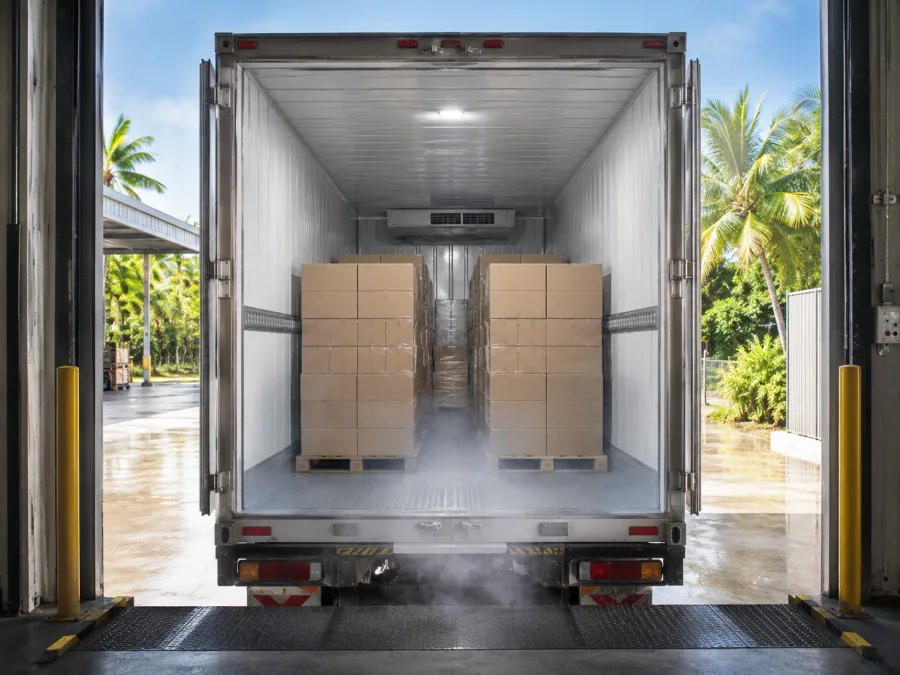
Chilled & Temperature-Controlled
Set-temperature capacity holding condition across nearly a week and some of the hottest country in Australia.
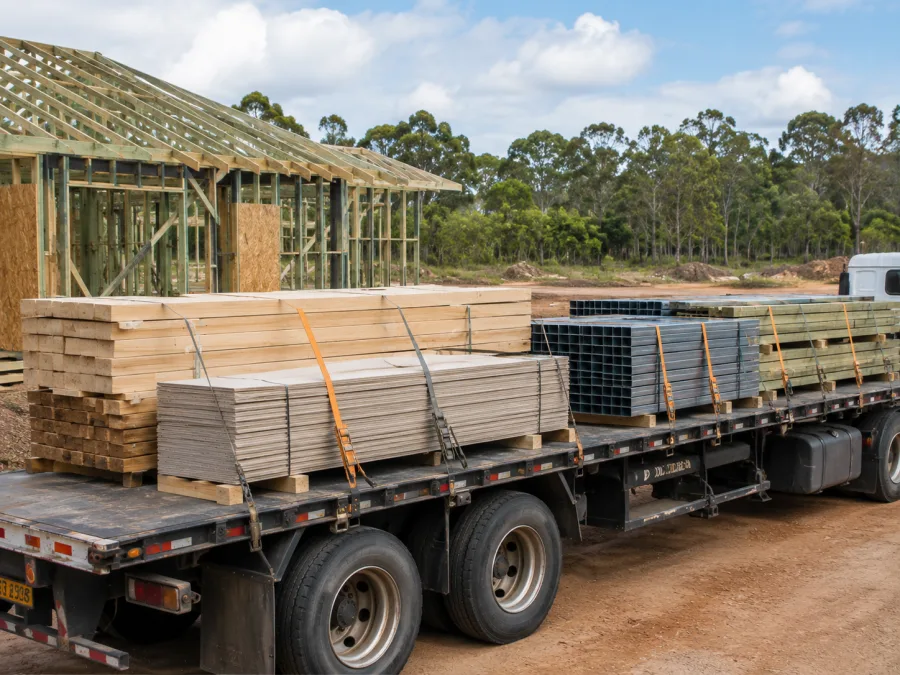
Building & Construction Materials
Fixings, framing, cladding and site consumables for Darwin and Palmerston construction.
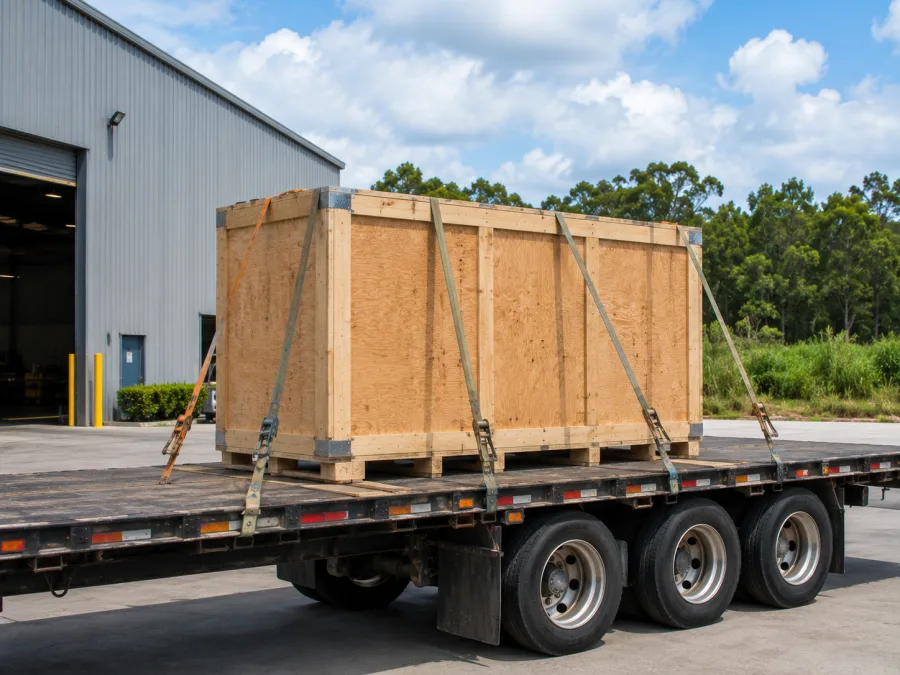
Machinery, Plant & Equipment
Crated components and plant for Top End industry. Lift and access confirmed before we load.
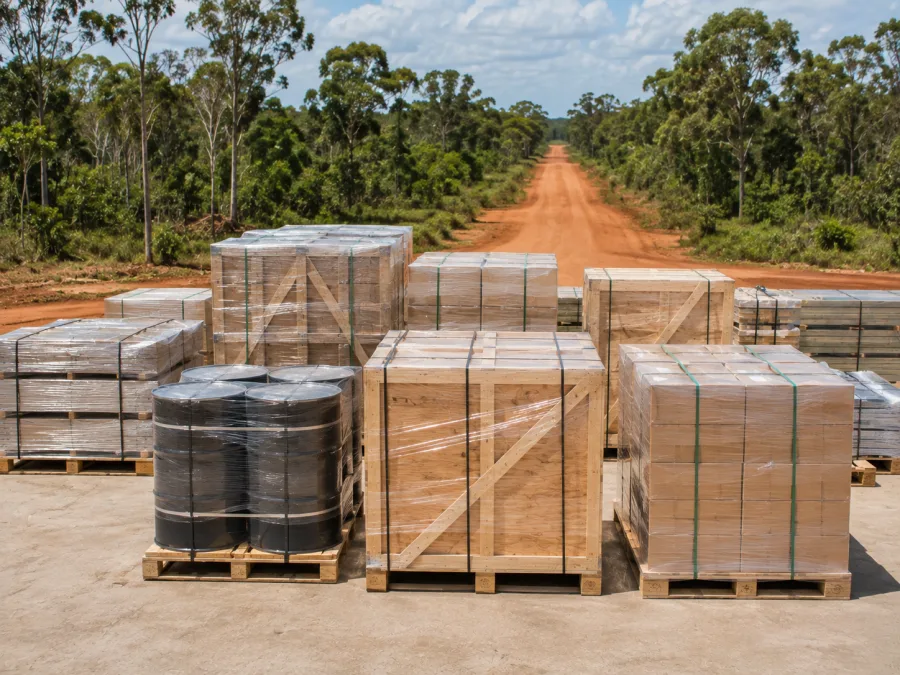
Remote & Community Supply
Freight staged in Darwin or Katherine for onward delivery to remote Top End communities.
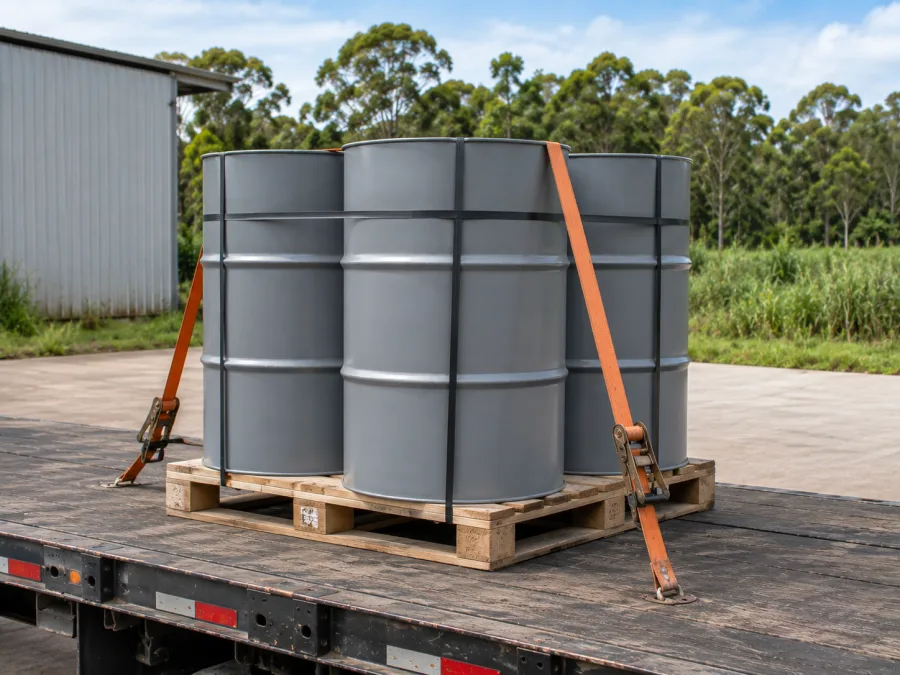
Dangerous Goods
Approved classes with correct documentation, segregation and placarding across four jurisdictions. UN number and class at quote stage.
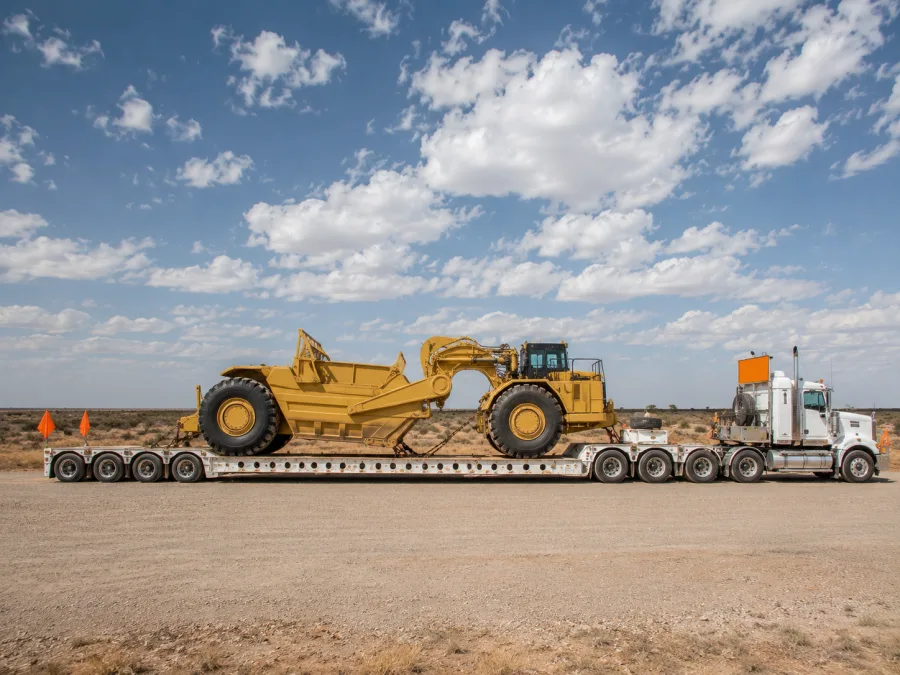
Oversize & Heavy Haulage
Over-dimensional and over-mass loads on permit across the ACT, New South Wales, South Australia and the Northern Territory. Long lead times.
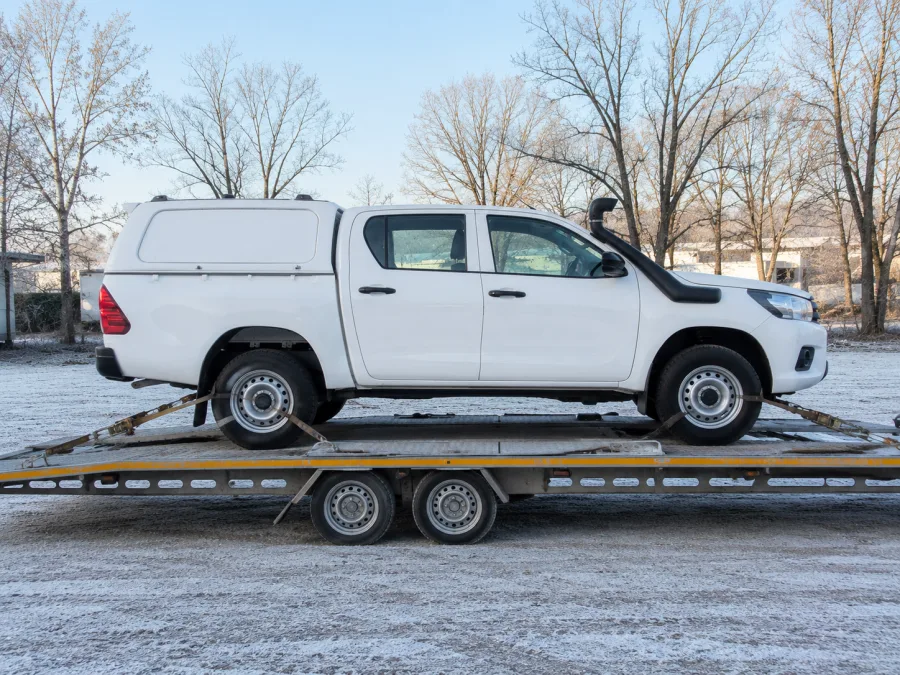
Cars & Light Vehicles
Relocations, fleet moves and dealer transfers. Tell us if it does not start, because a non-runner needs winching.
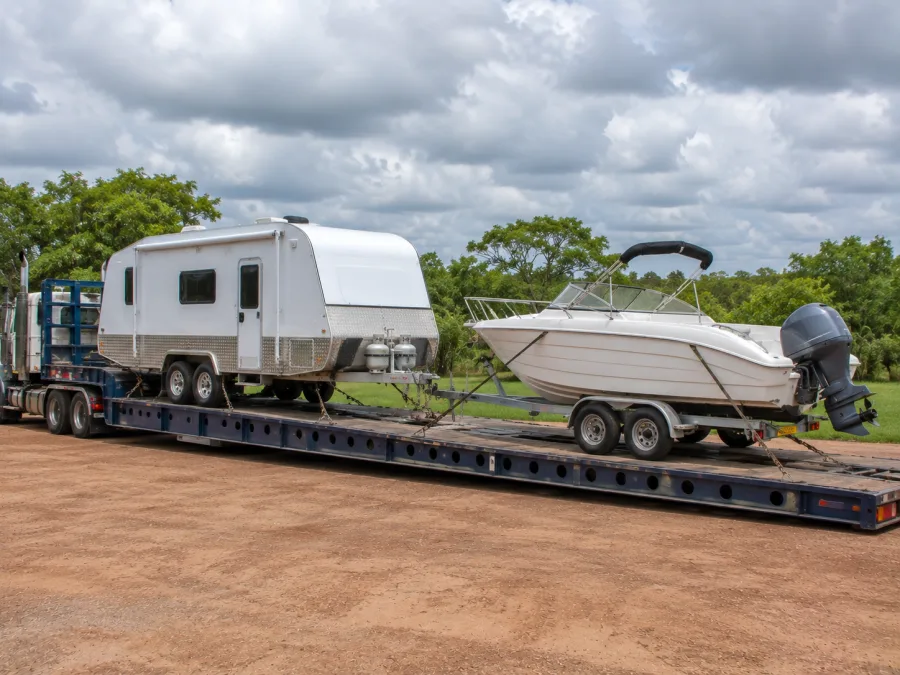
Caravans, Campers & Boats
Heading north for the dry season and the barramundi runs. Give us length, height, weight and registration status.
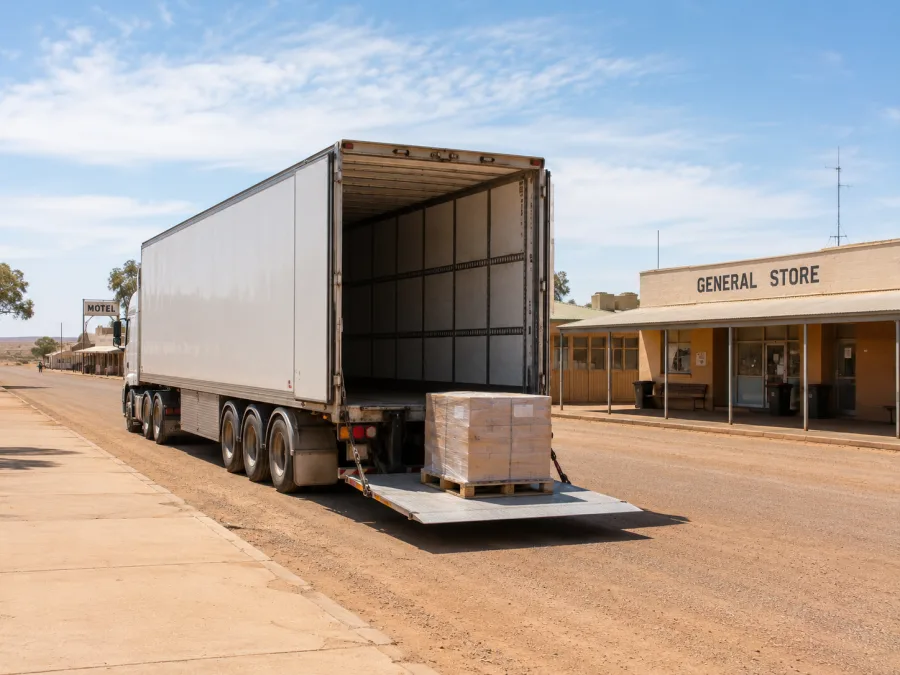
Regional Drops En Route
Wagga Wagga, Hay, Adelaide, Port Augusta, Coober Pedy, Alice Springs, Tennant Creek and Katherine all sit on the run.
Why choose Ozcoast for Canberra to Darwin
We Are Honest About Consolidation
Canberra is a thin origin. We tell you what waiting costs and what dedicated costs.
Two Options, Clearly Explained
Share a trailer and save, or take a dedicated vehicle and set your own date.
Government Freight Understood
Site security, induction, fixed vacate dates and the June procurement peak.
Road Trains Where They Belong
Multi-trailer combinations north of Port Augusta keep the rate sensible.
Straight About the Wet
November to April, Top End roads close. We build slack in and tell you early.
Drops the Whole Way Up
Adelaide, Port Augusta, Alice Springs, Katherine. Far cheaper than a separate run.
A Name and a Direct Line
One coordinator for a week-long journey across the country.
Collection & delivery areas
Canberra CBD, Fyshwick, Mitchell, Hume, Queanbeyan and the surrounding ACT region
Darwin CBD, Berrimah, East Arm, Winnellie, Palmerston, Katherine and the Top End
Frequently asked questions
How long does freight take from Canberra to Darwin?
Why does freight from Canberra cost more than from Sydney?
What is the difference between consolidated and dedicated?
Do you handle government and institutional freight?
What happens during the wet season?
Do you carry freight from Darwin back to Canberra?
Can you drop freight at towns along the way?
Are road trains used on this route?
Can you move oversize loads on this lane?
Do you carry dangerous goods on this lane?
Get a quote for Canberra to Darwin
Tell us what you are moving and we will send a clear, itemised quote with no obligation, usually within business hours.