
Adelaide to Canberra Road Freight
Canberra is the one capital that isn't a port, which means almost everything it uses arrives by road. Adelaide to Canberra is around 1,160 km up the Sturt and across onto the Hume, and unlike a coastal city, there's no sea freight competing for the work. Ozcoast Logistics runs pallets, chilled product, machinery and oversize gear into the ACT most weeks, along with cars, caravans and the occasional boat, and we deliver into Fyshwick, Hume and Queanbeyan as well as the surrounding NSW towns.
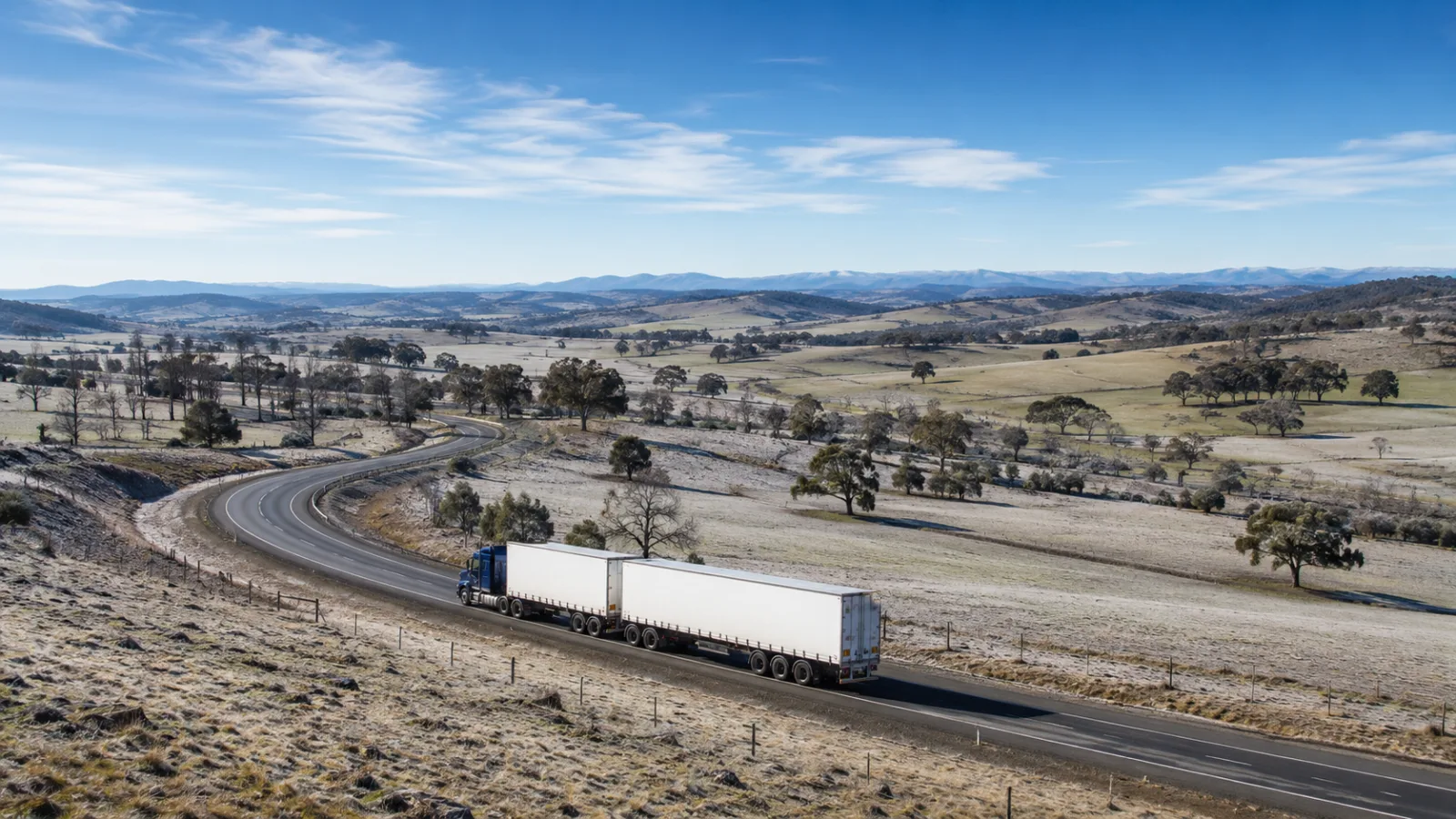
The Adelaide to Canberra corridor
Freight on this lane leaves Adelaide on the Sturt Highway through the Riverland, tracks past Renmark and Mildura, then joins the Hume corridor and runs south-east through Wagga Wagga before turning off toward the ACT near Yass. Most of it is decent highway, and the last stretch into Canberra is the easiest part of the whole run.
Canberra is unusual, and it's worth understanding if you're sending freight there. It makes almost nothing and grows almost nothing, so the freight task is overwhelmingly one-way: goods come in, and not much goes out. That shapes how we price the lane. We actively chase return freight because it's genuinely scarce, and when we find it the outbound rate gets sharper. If you've got anything heading back toward Adelaide, tell us, because on this corridor a backload is worth more than on almost any other.
The delivery end is simpler than most. Canberra's commercial freight lands in two places: Fyshwick, the older estate near the airport, and Hume, the newer one that straddles the ACT and NSW border. Between them they take the bulk of what comes into the city, which means once your freight reaches Canberra, the last few kilometres are straightforward.
A fair share of what moves up this lane is government freight, and government freight has its own rules. Office fit-outs, IT hardware, records and procurement deliveries often come with booked dock windows and access requirements a normal warehouse doesn't impose. If your delivery is to a government site, tell us the booking details when you book the freight, and we'll work to the window rather than turning up and hoping.
At around 1,160 km the run is comfortably within a two-day transit, sometimes less. Smaller consignments move as part loads on shared linehaul, so you pay for the deck space you take rather than a trailer you don't fill. Full loads and time-critical freight go on a dedicated vehicle. Cars, caravans, bikes and boats travel the same corridor, decked or towed depending on the item. One coordinator owns your job from pickup to proof of delivery, and you'll have their direct line rather than a queue.
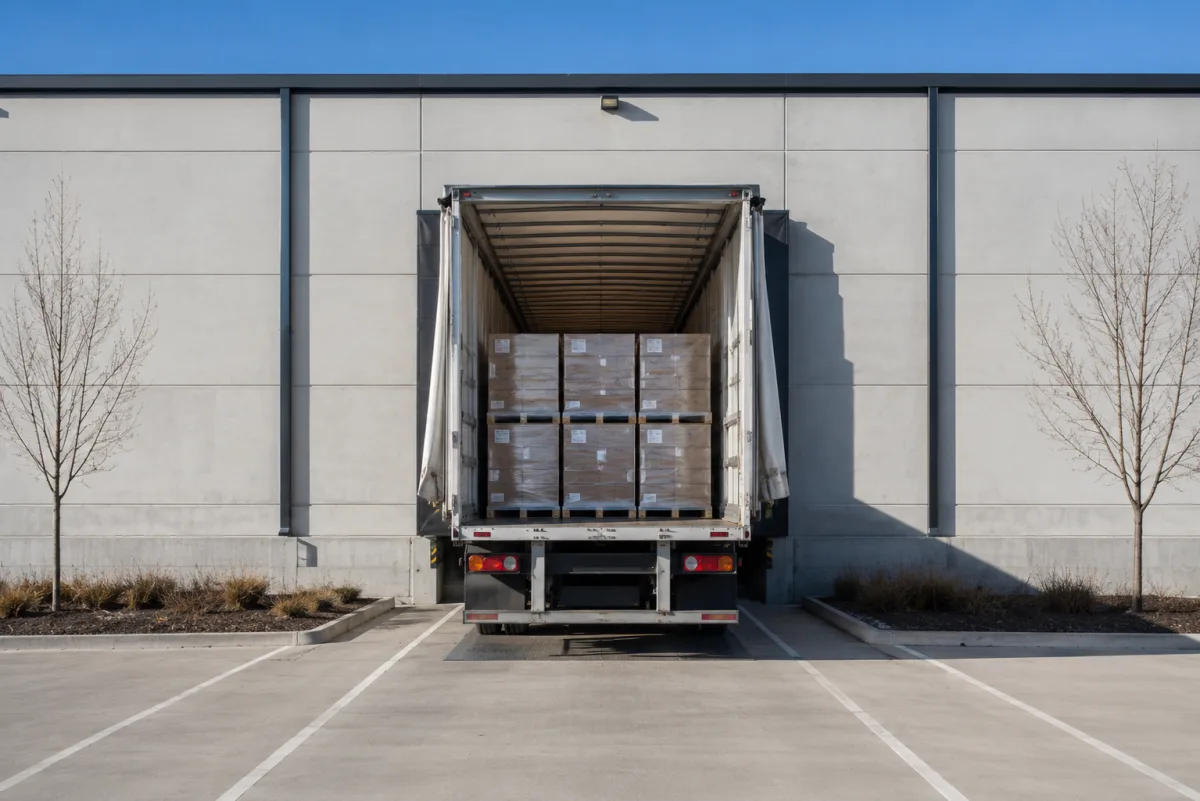
A One-Way City, and What That Means for Your Freight
Adelaide to Canberra, and why the direction matters
Most freight lanes have a story in both directions. This one mostly doesn't, and understanding why is half of understanding the route.
Canberra is a planned city with almost no manufacturing and no agriculture of scale. It consumes rather than produces, so freight flows in and comparatively little flows back out. For a sender that's an advantage, not a problem, because it means operators compete harder for the outbound work and the return leg is where the savings hide.
Government and public sector freight is the largest single category, and it's unlike commercial freight anywhere else. Departmental office relocations, secure records, IT and audiovisual hardware, furniture and fit-out for new tenancies. Much of it lands at booked docks with defined windows, and some of it needs after-hours access. It rewards a carrier who reads the delivery instructions rather than one who arrives whenever the truck gets there.
Retail and hospitality supply keeps the rest moving. Canberra's population is affluent and concentrated, so grocery, beverage, and food service replenishment is steady and year-round, feeding the Fyshwick and Hume distribution points and out to the town centres.
Construction and fit-out runs harder than the city's size suggests, because government and commercial tenancies turn over constantly. Materials, joinery and office fit-out gear come in from Adelaide and the eastern states alike.
Education and research freight is a quiet constant. The universities and the national institutions bring in equipment, exhibition material and specialist gear that doesn't fit a standard pallet and needs handling to match.
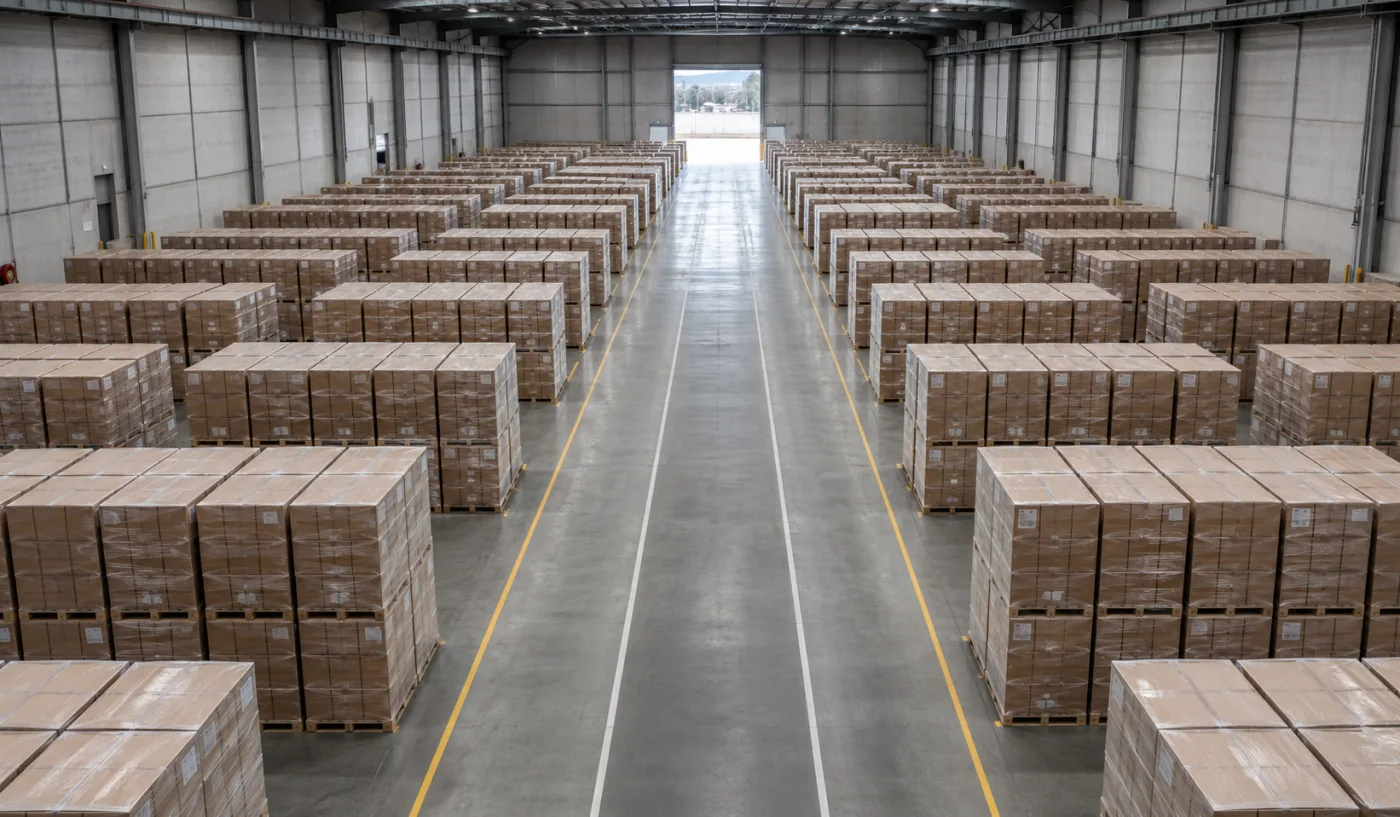
Cars, Vans and Gear Into the Capital
The freight that arrives on its own wheels
Not everything bound for Canberra sits on a pallet, and the vehicle side of this lane has its own patterns.
Cars are the steadiest. Canberra has a highly mobile population, with public servants and defence and diplomatic postings turning over on regular cycles, so relocations are constant and predictable. Dealer transfers run alongside them, since a lot of Canberra's vehicle stock is sourced from the larger Sydney and Melbourne markets and moved in. Runners and non-runners both, though a non-runner needs winching and we need to know before the truck arrives, not after.
Caravans and campers travel this lane in both directions, and Canberra owners are often staging for a bigger trip. The van comes up or goes across, and the owner meets it rather than towing the full distance. Give us length, height and registration status and we'll tell you whether it tows or decks.
Boats move less often here than on the coastal lanes, for the obvious reason that Canberra is inland, but they still travel, usually heading to or from the coast at Batemans Bay and the far south coast. Height at the highest point is what decides the price.
Motorbikes travel crated, palletised, or strapped upright in chocks alongside general freight. Private bikes and dealer stock both, moving in from the bigger eastern markets.
Trucks, trailers and plant round it out. Prime movers, rigids and equipment relocating between the cities, driven, towed or floated depending on registration and dimensions.
Machinery transport covers the specialist end: production and workshop equipment, crated components, and the research and institutional gear that Canberra brings in more of than its size would suggest. Lift and access confirmed before we load.
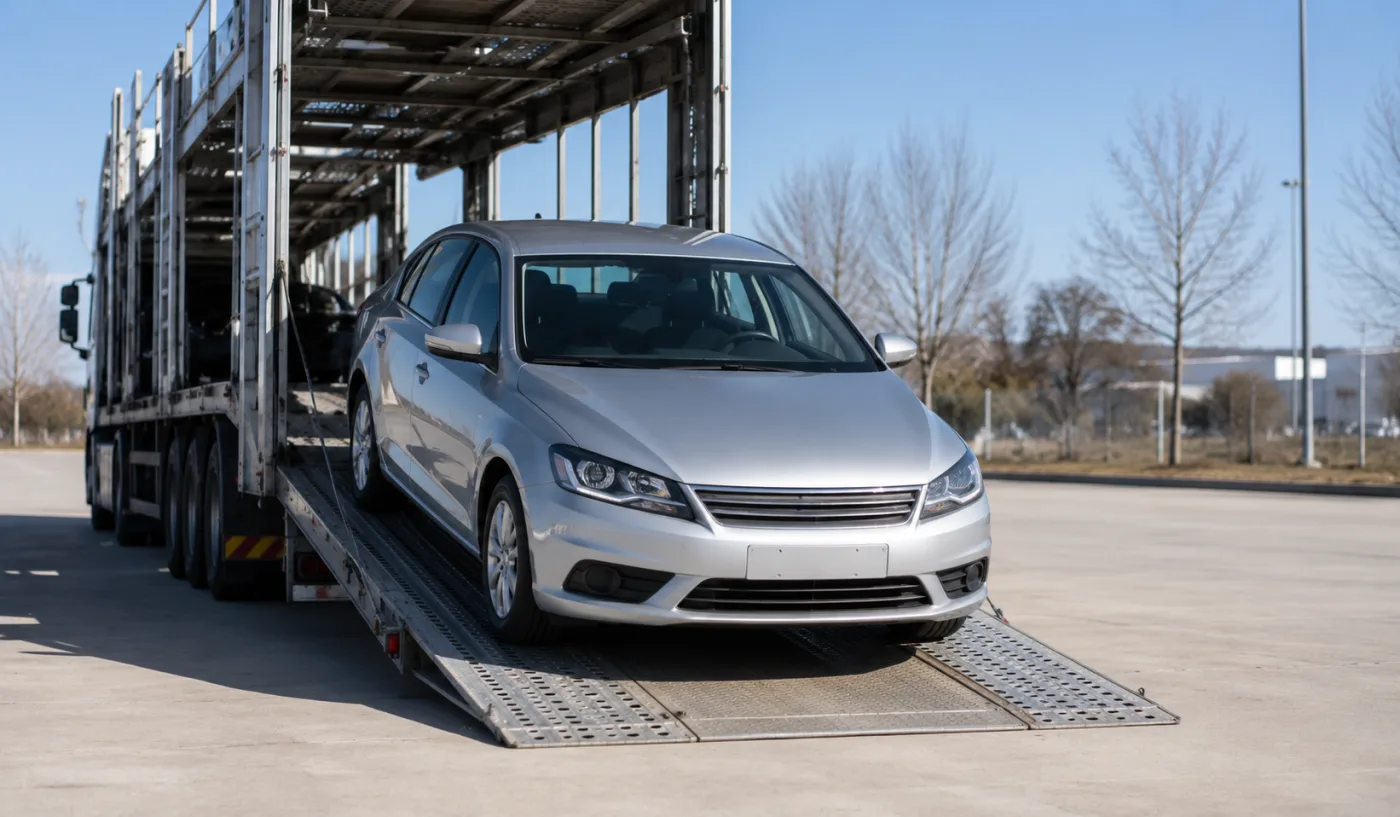
The Quiet Lane, and When It Isn't
What moves the schedule between Adelaide and Canberra
This corridor is steadier than most, but it has its moments.
The financial and government calendar matters here more than the weather does. The end of the financial year in June brings a rush of procurement and fit-out freight as departments spend budgets and relocate, and the run-up to it is one of the busiest windows on the lane. If you're moving office or fit-out freight in May or June, book early.
Parliamentary sitting weeks lift the general tempo of the city, and the summer break, roughly mid-December to late January, quietens it noticeably. Freight into Canberra slows over that window as offices close, which makes late January one of the easier times to get space.
Enrolment periods at the universities bring spikes of inbound equipment and household freight in February and again mid-year, as students and staff arrive.
Winter is genuinely cold in Canberra, colder than any other mainland capital, and while it rarely stops freight, frost and fog on the Hume approaches in the early mornings can slow the last leg. It's a factor in timing, not a barrier.
The easy windows are late summer, once the enrolment rush passes, and early autumn before the end-of-financial-year build-up. If your load can choose its moment, those are the quiet weeks.
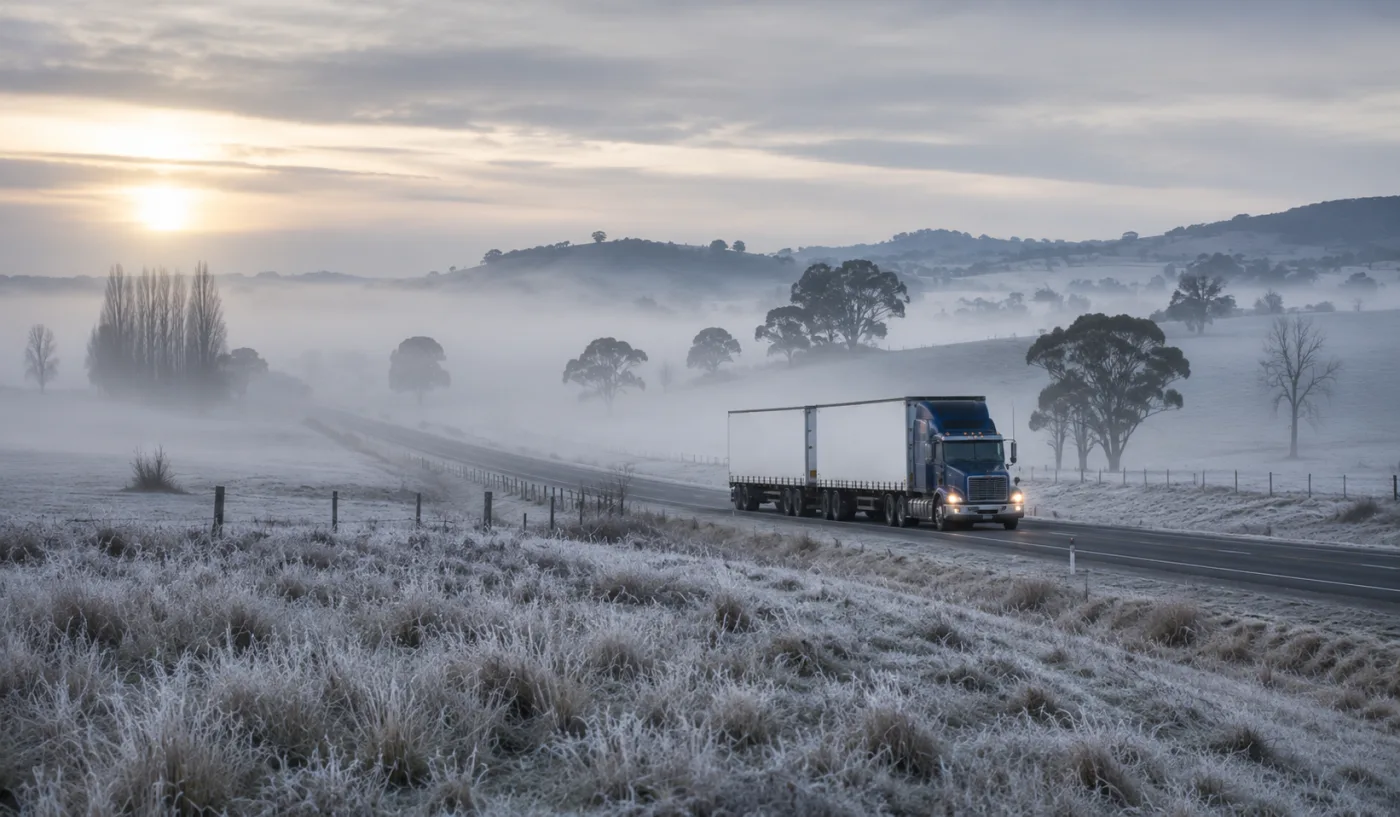
What we carry on this route
Freight into Canberra tends to sort itself into a handful of categories, and because the city imports far more than it makes, most of it is heading one way. These are what we load most weeks, freight and vehicles both. If yours isn't here, ring us and we'll confirm the gear and the handling before you book.
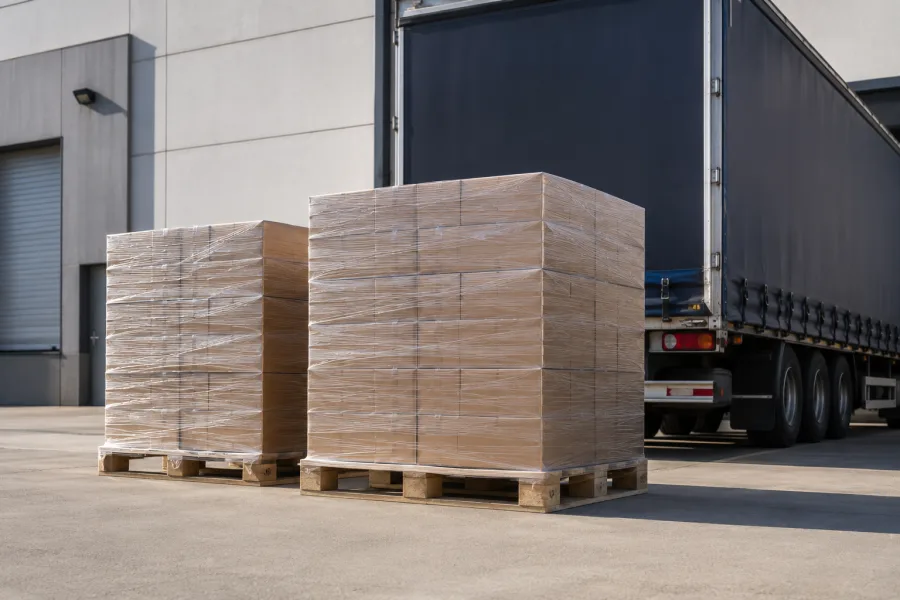
Palletised & General Freight
Standard and oversize pallets out of Wingfield, Regency Park and Gepps Cross into the Fyshwick and Hume estates. Shrink-wrapped, strapped or crated, loaded to what your receiver can handle.
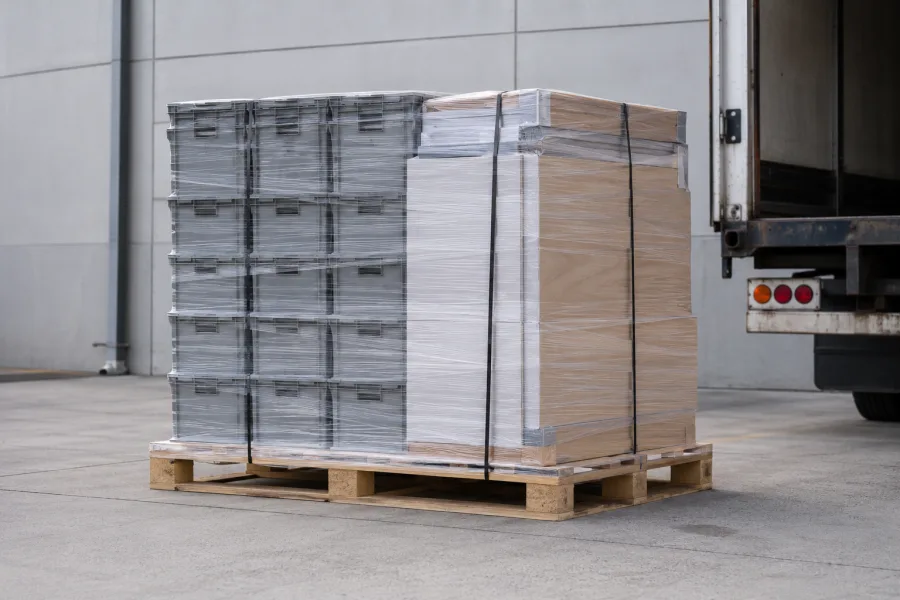
Government & Office Freight
Departmental relocations, records, IT and audiovisual hardware, and fit-out gear to booked government docks. Tell us the delivery window and access details when you book.
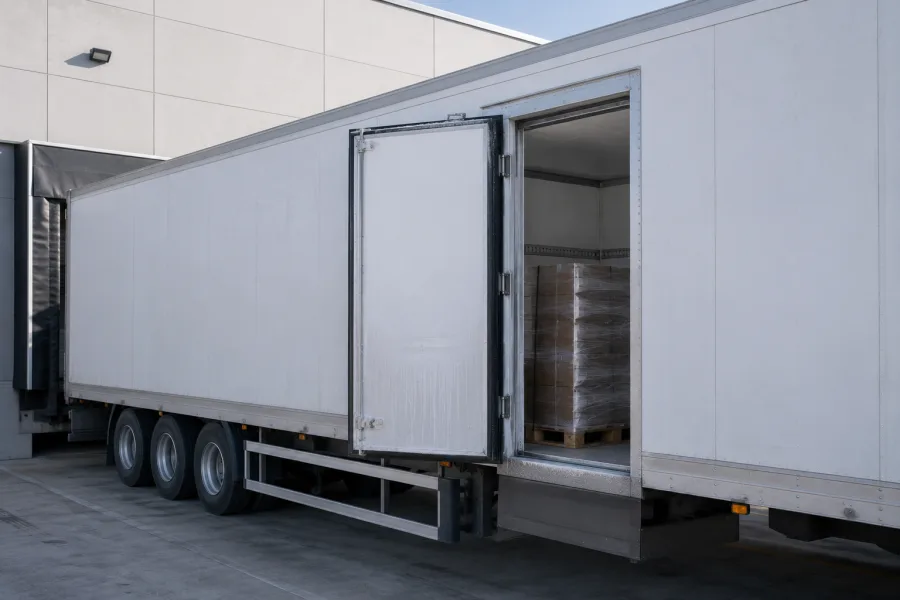
Chilled & Temperature-Controlled
Dairy, smallgoods, beverage and chilled produce on set-temperature capacity into Canberra's grocery and food-service supply. Booked delivery slots where the receiver needs them.
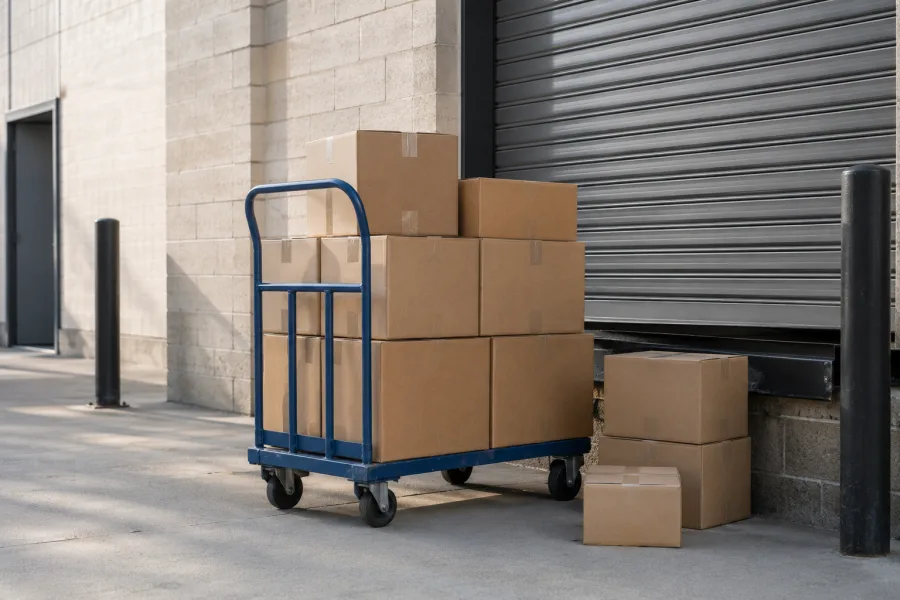
Retail & Hospitality Replenishment
Store and venue restocking into the town centres and out to Queanbeyan. Tail-lift and dock delivery to the receiver's window.
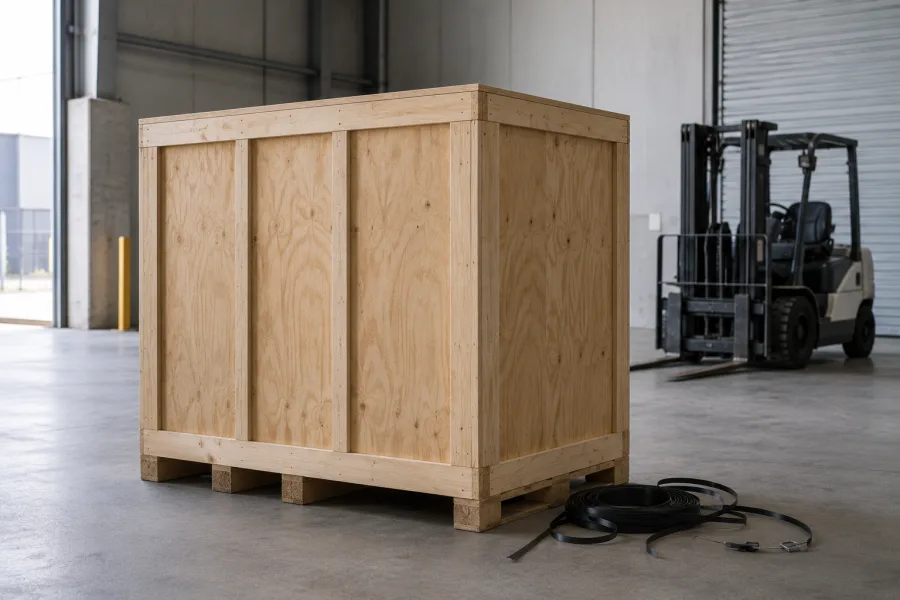
Machinery, Plant & Equipment
Crated components, workshop and production gear, and the research and institutional equipment Canberra imports more of than most cities. Lift and site access confirmed before the truck leaves Adelaide.
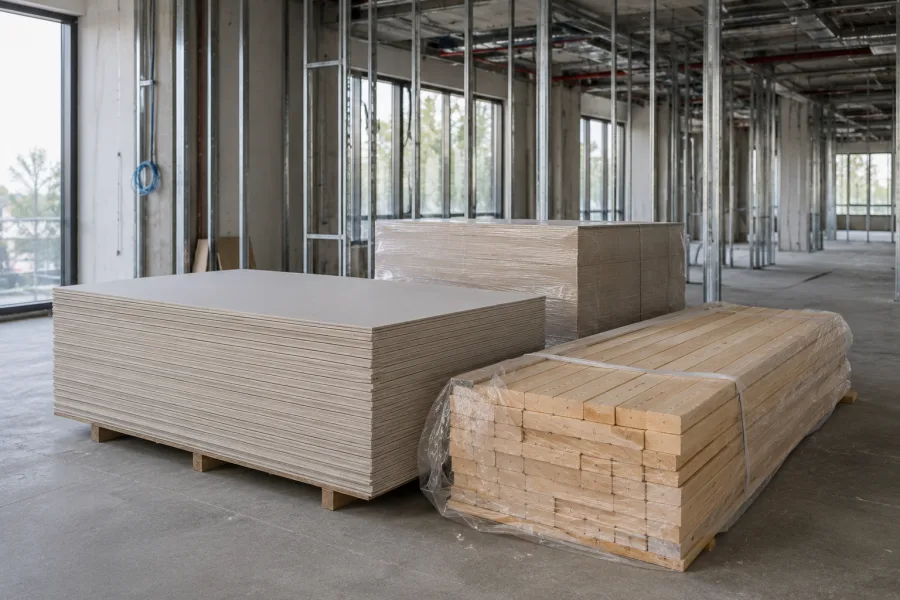
Building & Fit-Out Materials
Fixings, framing, joinery and site consumables for the constant turnover of government and commercial tenancies across the ACT.
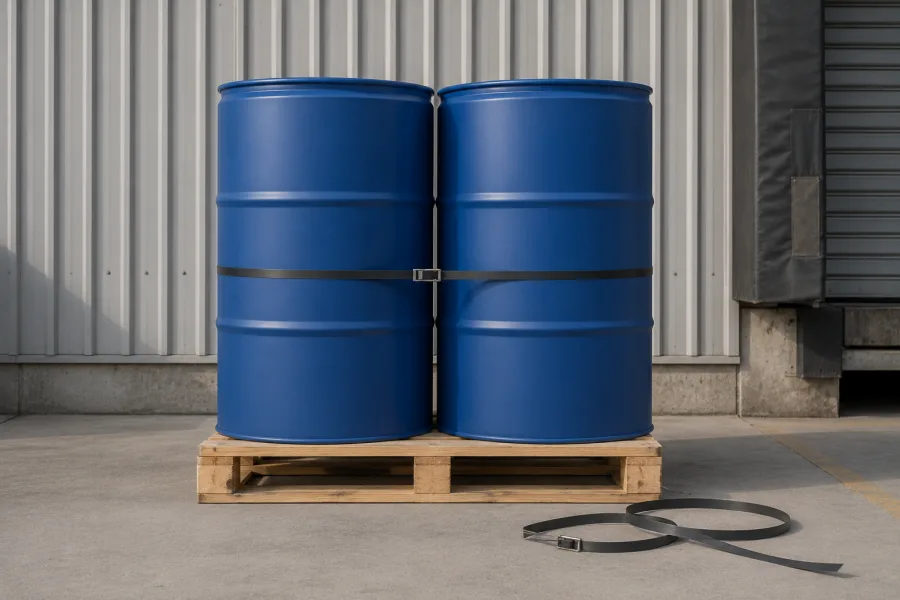
Dangerous Goods
Approved DG classes with correct documentation, segregation and placarding. UN number and class at quote stage, please.
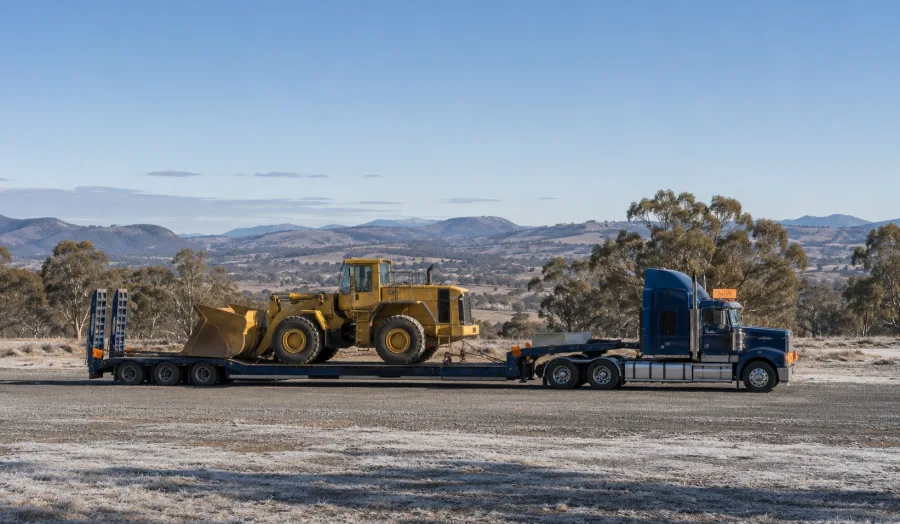
Oversize & Heavy Haulage
Over-dimensional and over-mass loads on permit. The route crosses SA, NSW and into the ACT, so allow lead time for approvals.
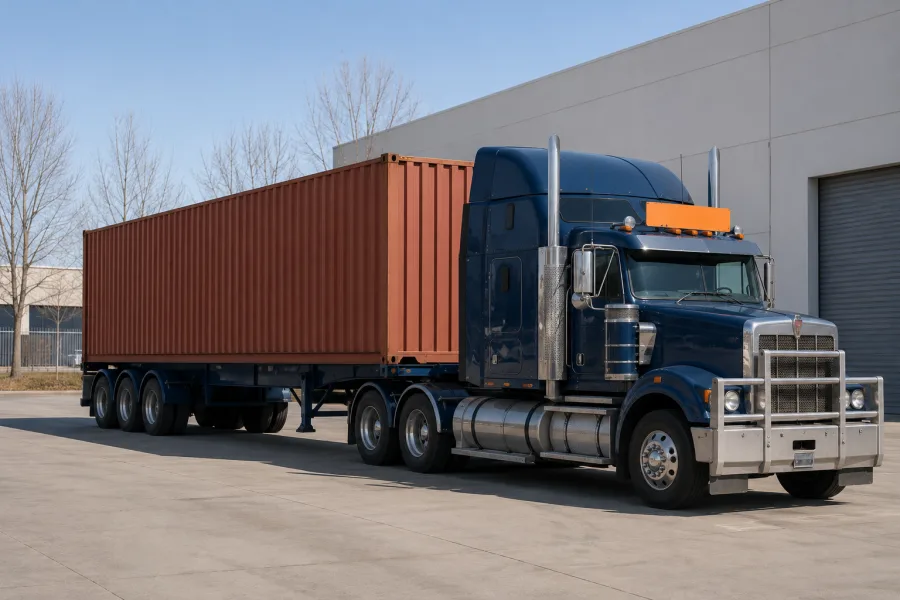
Container Transport (Road Legs)
Road movement of containers from Port Adelaide and the eastern ports into Canberra's estates. We do the road leg for forwarders and shipping lines. The sea leg isn't ours.
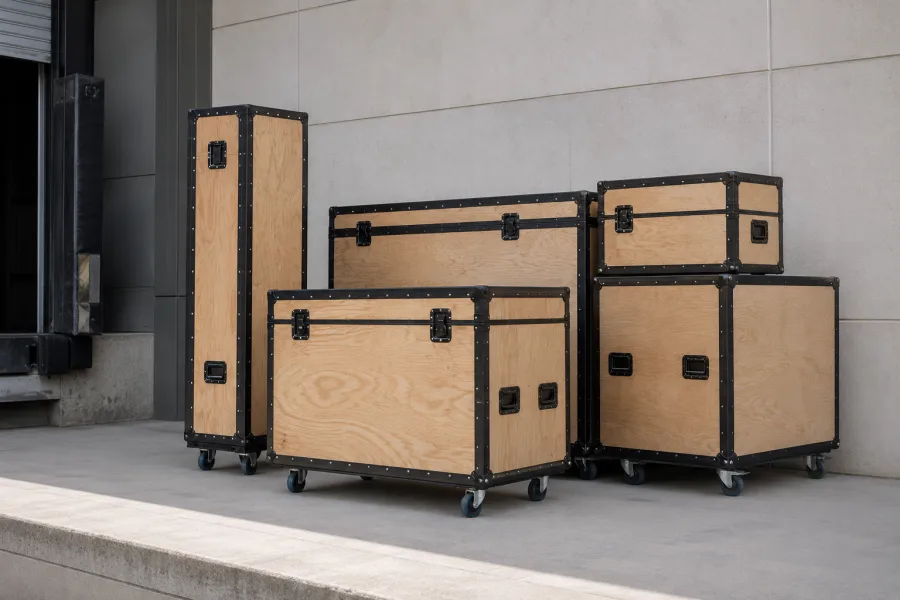
Exhibition & Event Freight
Display gear, staging and specialist equipment for Canberra's institutions, galleries and event venues. Handled to match rather than palletised and forgotten.
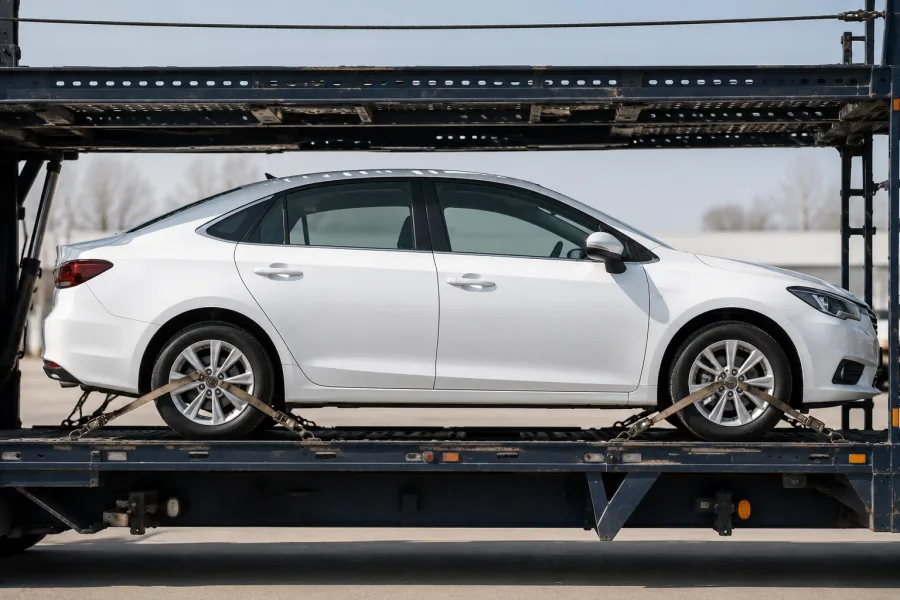
Cars & Light Vehicles
Relocations for a highly mobile population, plus dealer transfers from the eastern markets. Runners and non-runners. Flag a non-runner at booking.
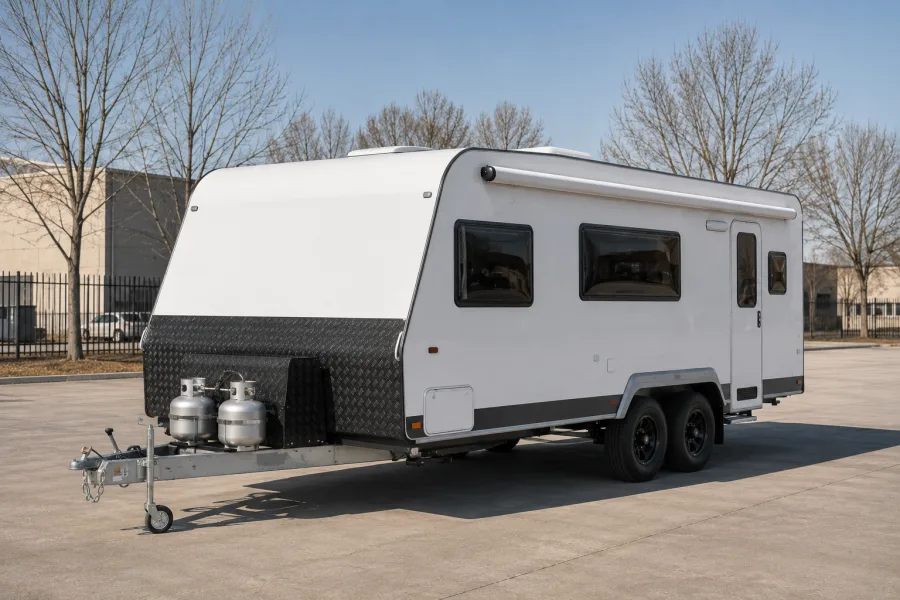
Caravans, Campers & Motorhomes
Owners staging for a larger trip, in both directions. Give us length, height and registration status.
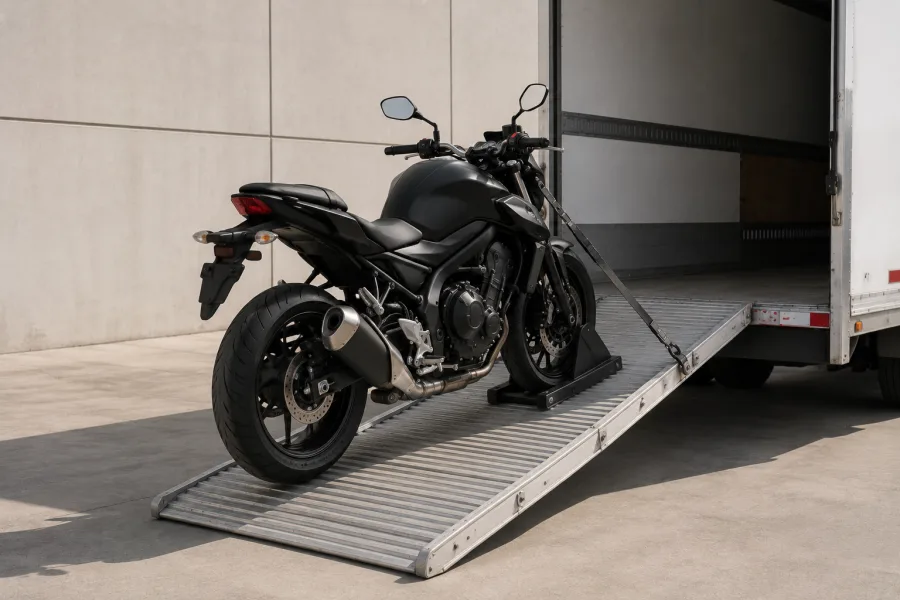
Motorbikes
Crated, palletised or strapped upright in wheel chocks. Dealer stock and single private bikes from the eastern markets.
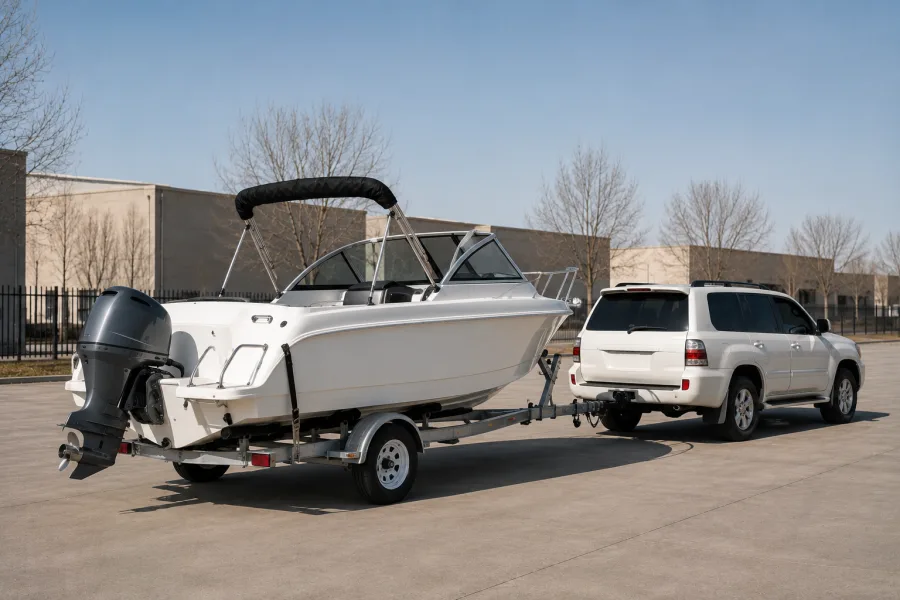
Boats on Trailers
Runabouts and half-cabins heading to or from the south coast. Height at the highest point is what we need. Measure it, don't estimate it.
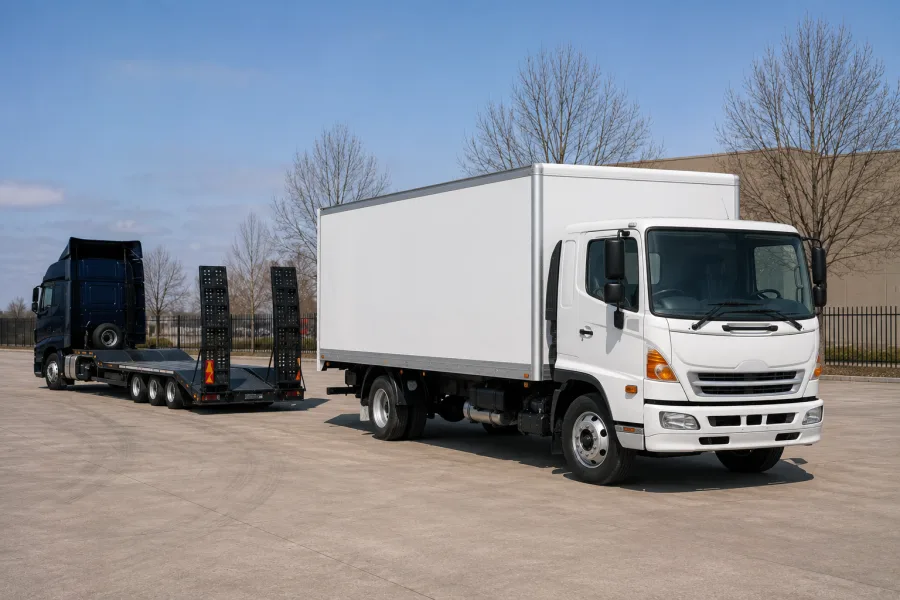
Trucks & Trailers
Prime movers, rigids and plant relocating between the cities. Driven, towed or floated depending on registration and condition.
Why choose Ozcoast for Adelaide to Canberra
We Chase the Backload
Canberra sends little back, so we hunt return freight hard, and it sharpens your outbound rate.
We Know Fyshwick and Hume
The two estates that take the city's freight. Once you're here, the last leg is simple.
We Work to the Dock Window
Government freight books its slot. We deliver to it rather than turning up and waiting.
Two States and a Territory, Sorted
SA, NSW and the ACT on one run. The permitting and the border are our problem, not yours.
Metres, Not Guesses
Part loads priced on the deck space you take. No paying for empty trailer.
A Name and a Direct Line
One coordinator on your job from pickup to proof of delivery.
Freight and Vehicles Together
Pallets, the ute, a caravan. One corridor, one booking, one contact.
Past the ACT if You Need It
Queanbeyan, the south coast, the surrounding NSW towns. Sort it at booking.
Collection & delivery areas
Adelaide CBD, Wingfield, Regency Park, Gepps Cross, Dry Creek, Edinburgh, Lonsdale and Port Adelaide
Canberra CBD, Fyshwick, Mitchell, Hume, Beard, Symonston, Queanbeyan and the surrounding NSW towns
Frequently asked questions
How long does freight take from Adelaide to Canberra?
Do you carry freight from Canberra back to Adelaide?
Can you deliver to a government site with a booked dock time?
Where in Canberra do you deliver?
How is a part load priced on this route?
Can you transport a car from Adelaide to Canberra?
Can you move a caravan to or from Canberra?
Can you take a boat by road to the coast?
Can you move oversize loads to the ACT?
Do you carry dangerous goods to Canberra?
Can you deliver exhibition or specialist equipment?
Can you deliver to a government site in Canberra?
Get a quote for Adelaide to Canberra
Tell us what you are moving and we will send a clear, itemised quote with no obligation, usually within business hours.