Freight Transport by Road in Australia: A Practical Guide for Businesses
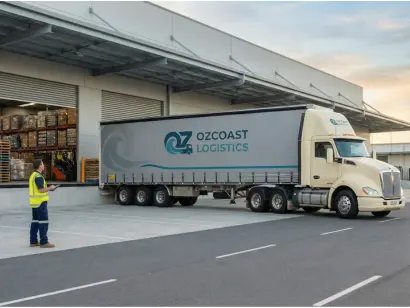
Freight transport by road plays a central role in how goods move across Australia. From metropolitan deliveries to long-distance interstate transport, road freight supports retail supply chains, manufacturing, construction, and regional commerce.
Australia relies heavily on its road network for domestic freight movement. Businesses that understand how freight transport by road operates are better positioned to manage costs, reduce delays, and set realistic delivery expectations.
Who This Guide Is For
This guide is designed for Australian businesses and professionals who:
- Regularly book road freight consignments within Australia
- Manage transport costs and freight budgets
- Plan delivery timelines across metro, regional, and interstate routes
- Work with multiple carriers and assess service reliability
- Are responsible for freight decisions, compliance awareness, and operational efficiency
What This Guide Helps You With
- Understanding how road freight operates in an Australian context
- Comparing service options based on consignment size and urgency
- Identifying common causes of delays, extra charges, and disputes
- Setting realistic delivery expectations for different routes
- Making informed freight decisions as a business grows or scales
Key Takeaways
- Road freight is the most widely used method for moving consignments within Australia due to its flexibility and coverage
- Different service types suit different consignment sizes, delivery timeframes, and destinations
- Costs vary based on distance, consignment dimensions, access conditions, and fuel-related charges
- Compliance with Australian road transport regulations affects delivery planning and timelines
- Many common freight issues discussed online relate to pricing transparency, missed pickups, and regional access
What Is Freight Transport by Road?
Freight transport by road refers to the movement of goods using trucks and commercial vehicles across Australia’s road network. It connects suppliers, warehouses, distribution centres, retailers, and end customers through direct pickup and delivery.
In practice, road freight is used to move a wide range of consignments, including palletised goods, building materials, machinery, packaged food, and retail inventory. Services can be tailored to suit consignment size, urgency, and destination, making road transport a flexible option for businesses operating across metro, regional, and interstate locations.
Businesses seeking structured domestic solutions often rely on general freight services that support varying consignment sizes and delivery requirements.
Why Road Freight Is Important in Australia
Australia’s geography presents unique transport challenges. Major cities are separated by long distances, and many regional areas do not have access to rail terminals or ports. In these situations, road freight is often the only practical transport option.
Road transport also supports last-mile delivery, enabling consignments to move from distribution hubs directly to businesses or end customers. This flexibility makes it suitable for time-sensitive deliveries and variable consignment volumes.
Government freight data shows that road transport supports both high-volume interstate corridors and lower-volume regional routes, making it essential for national supply chain continuity.
Common Types of Road Freight Services

Full Truckload (FTL)
Full truckload services allocate an entire vehicle to a single consignment. This option suits businesses moving large volumes or consignments requiring dedicated handling. Because the truck travels directly from pickup to delivery, transit times are usually shorter.
FTL is commonly used for bulk pallet consignments, machinery, or time-sensitive freight where consolidation delays are not suitable.
Less-Than-Truckload (LTL)
Less-than-truckload freight allows multiple consignments from different customers to share the same vehicle. Businesses pay for the space their consignment occupies rather than the entire truck.
LTL is commonly used for one to several pallets and is generally more cost-effective for smaller consignments. Businesses moving palletised consignments often use pallet delivery services.
Pallet Freight Transport
Pallet freight is one of the most common road freight formats in Australia. Goods are stacked on standard Australian pallets measuring 1165 mm x 1165 mm.
This method simplifies handling, supports efficient loading with forklifts, and suits a wide range of consignments. Proper pallet preparation plays a major role in reducing damage and delivery delays.
Interstate Road Freight
Interstate road freight moves consignments between states, including major routes such as Sydney to Melbourne, Melbourne to Brisbane, and Adelaide to Perth.
Transit times vary based on distance, route frequency, and compliance requirements. Businesses often rely on interstate freight services for inventory replenishment and multi-state distribution.
Regional and Remote Freight
Deliveries to regional and remote areas often involve longer transit times, limited-service frequency, and higher transport costs. Some routes operate on scheduled days rather than daily services.
Carriers with experience in intrastate freight movements are better equipped to manage access conditions, road quality, and regional delivery constraints.
Benefits of Road Freight for Businesses

Road freight offers several practical advantages:
- Direct pickup and delivery of consignments to most locations
- Flexible service options for different consignment sizes
- Suitable for short to medium distances
- Supports just-in-time delivery models
- Compatible with modern tracking and communication systems
Common Challenges in Road Freight Transport
Despite its flexibility, road freight presents challenges that businesses should plan for.
- Fuel price fluctuations can affect transport costs through variable fuel levies.
- Driver availability and regulatory requirements may influence delivery schedules, particularly on longer routes.
- Weather events, road closures, and regional access limitations can disrupt planned deliveries.
- Freight damage is another consideration.
- Inadequate packaging, unstable pallet loads, or incorrect consignment declarations increase the likelihood of issues.
Some businesses choose freight insurance to reduce financial exposure for higher-value consignments.
Choosing a Road Freight Provider in Australia

When selecting a road freight provider, businesses should look beyond price alone. Key considerations include:
- Coverage across metro, regional, and interstate locations
- Experience handling similar consignment types
- Clear insurance terms and liability limits
- Tracking and communication capabilities
- Transparent pricing, including surcharges
- Realistic delivery timeframes
Understanding a provider’s background and operating approach can help assess long-term reliability.
What Affects Road Freight Costs?

Road freight pricing is influenced by:
- Distance and route demand
- Consignment dimensions and weight
- Fuel-related charges
- Delivery location and access conditions
- Service urgency and special handling requirements
Businesses focused on cost control may benefit from reviewing proven freight cost reduction strategies.
Safety and Compliance in Australian Road Freight
Australian road freight operates under strict safety and compliance frameworks. Chain of Responsibility legislation places legal obligations on all parties in the supply chain, including consignors and receivers.
Load restraint standards, fatigue management rules, and vehicle mass limits influence how consignments are packed, scheduled, and transported.
The National Transport Commission oversees transport reform and regulatory frameworks across Australia.
Practical Tips to Reduce Freight Issues

- Ensure consignments are stable, evenly stacked, and securely wrapped
- Declare accurate consignment dimensions and weights
- Book transport early during peak periods
- Provide clear delivery instructions and contact details
- Work with carriers familiar with your delivery regions
The Future of Road Freight in Australia
Technology continues to shape road freight operations. Tracking systems, route optimisation software, and digital documentation are improving visibility and efficiency.
There is also increasing focus on fuel efficiency and lower-emission vehicles, particularly for urban deliveries, reflecting broader sustainability efforts.

Conclusion
Freight transport by road remains a practical and widely used option for Australian businesses. Its flexibility, reach, and adaptability make it suitable for a wide range of industries and consignment requirements.
By understanding service types, cost drivers, compliance obligations, and common challenges, businesses can make informed transport decisions and reduce operational friction. Road freight delivers the best outcomes when paired with accurate consignment preparation, realistic planning, and reliable transport partners.
Businesses planning future freight movements may benefit from reviewing available freight services and speaking with an experienced provider.
Pricing varies due to route demand, backload availability, fuel levies, network coverage, and whether a consignment fits standard pallet dimensions. Some quotes exclude surcharges such as tailgate delivery or waiting time, which appear later.
Yes. Additional charges often relate to incorrect dimensions or weight, missed delivery attempts, access issues, or depot re-measurements. Accurate consignment details reduce this risk.
Businesses that standardise pallets, plan, use fewer reliable carriers, and understand high-cost routes tend to achieve better long-term outcomes.
Regional routes often run on fixed schedules. Weather, access conditions, and lower freight volumes can also affect transit times.
For most palletised and mixed consignments, yes. Road freight provides direct pickup and delivery with fewer handling points.
Booking early during peak periods such as pre-Christmas and EOFY is recommended. During quieter periods, same-week bookings are usually sufficient.
Under-declaring pallet size or weight. Carriers remeasure consignments, and discrepancies often result in delays and rebilling.
Look for clear terms, transparent pricing, realistic transit times, responsive communication, and route-specific experience.
Yes. LTL and pallet freight services are designed for low-volume consignments, including one to three pallets.
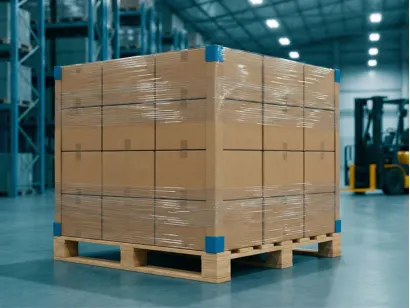
Preparing Your Goods for Pallet Delivery: Packaging Tips to Prevent Damage
reparing pallets properly before they leave the warehouse helps reduce the risk of consignments being damaged during transport or delivery....
Read More
How to Reduce Freight Costs: 10 Proven Strategies for Australian Businesses
The Real Talk About Freight Costs in AustraliaLet's be honest: freight costs are killing your margins right now.Fuel prices are...
Read More