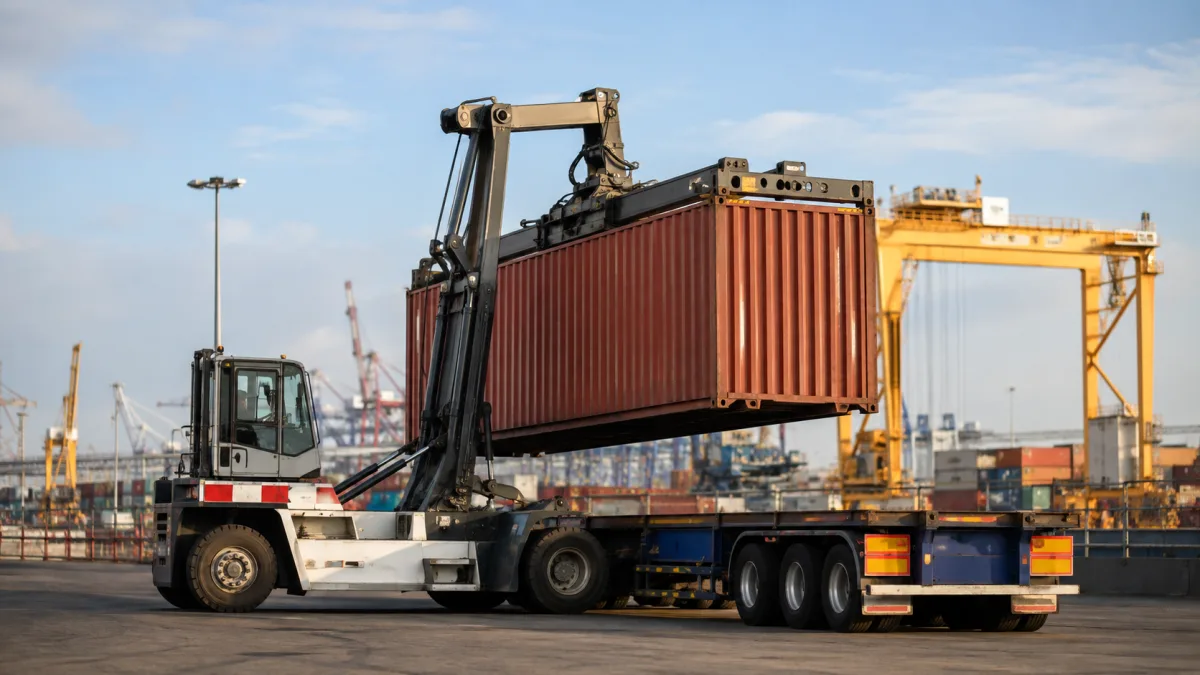
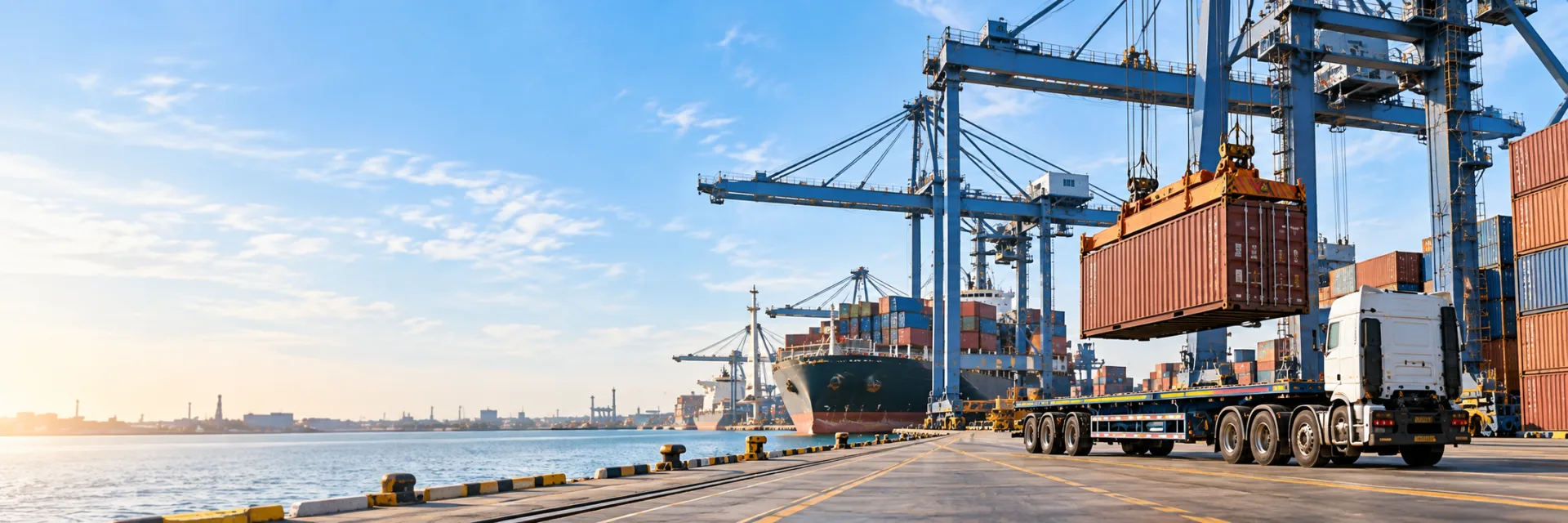
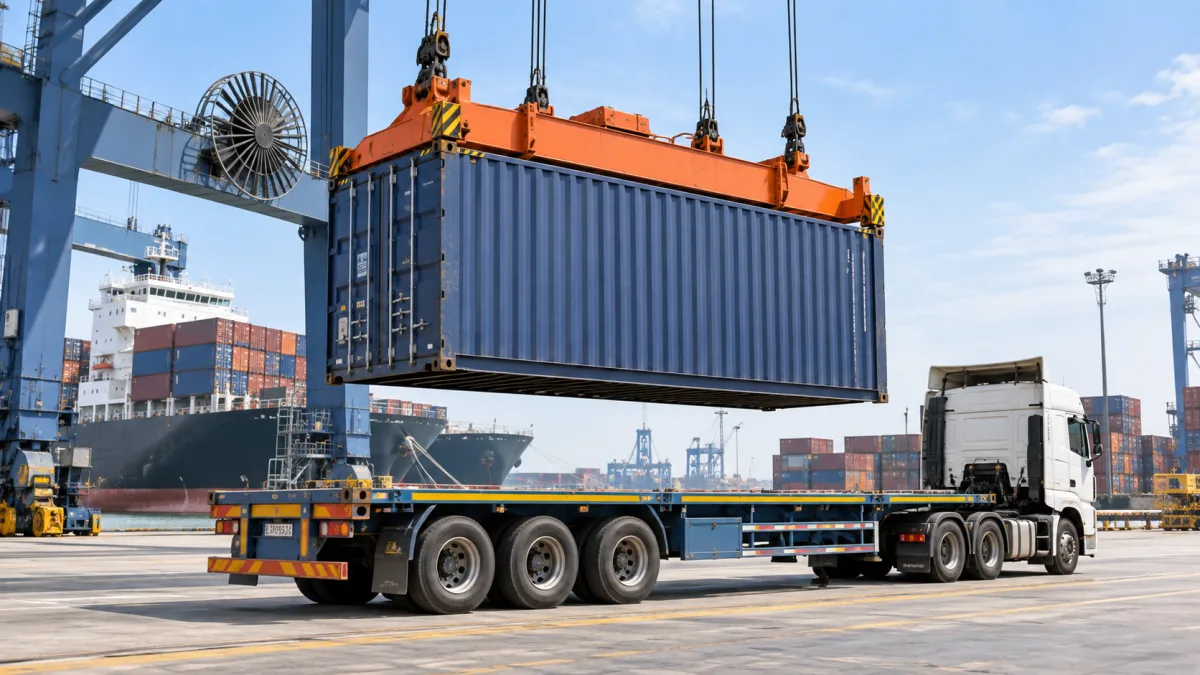
Freight forwarder and freight broker get used interchangeably fairly often, but they describe genuinely different roles handling different parts of a shipment's journey. Knowing which one you actually need saves a confused conversation with the wrong kind of provider.
What Is a Freight Forwarder?
A freight forwarder arranges the international shipping leg on behalf of an importer or exporter, booking cargo space on ships or planes, coordinating customs clearance, and managing international shipping documentation. A freight forwarder typically doesn't own the ships or planes moving the cargo, they coordinate the international movement through carriers and shipping lines.
What Is a Freight Broker?
A freight broker arranges domestic road transport, connecting a business that needs freight moved with a carrier or network that can move it, without necessarily owning the trucks itself. This is the domestic equivalent of what a freight forwarder does internationally, arranging movement through a network rather than owning the fleet.
The Key Difference: International vs Domestic
Freight forwarders handle the international leg and everything that comes with it, customs, international documentation, ocean or air freight booking. Freight brokers handle domestic road transport once goods are already within a country, or before they leave it. The structural role, connecting a shipper to capacity, is similar. The scope of what's actually being arranged is genuinely different.
Is Ozcoast a Freight Forwarder or a Freight Broker?
A freight broker. We arrange domestic road transport, we don't handle international shipping bookings or customs clearance. If you need to arrange the international leg of an import or export shipment, that's a freight forwarder's job, not ours.
Do You Need Both?
If you're importing or exporting, often yes. A freight forwarder handles the international leg, booking the ship or plane and managing customs, and a road transport provider handles the domestic leg, moving the goods from an Australian port to their final destination, or from your site to the port for export. This is exactly the handoff covered in our container transport guide, where we pick up a container once it's landed and cleared, road transport from there being our part of the job, not the international booking that got it to Australia in the first place.