"Dangerous goods" sounds like one category, but it isn't. The Australian Dangerous Goods Code splits hazardous freight into nine distinct classes, based on internationally standardised UN classifications, and which class your goods fall into determines how they're packed, labelled, segregated from other freight, and documented. Getting the class wrong isn't a paperwork technicality, it changes what's actually safe to put in the same truck.
Here's what each class actually covers, why the classification system exists, and what it means practically when you're booking freight that includes dangerous goods.
Why Dangerous Goods Are Classified at All
Different hazardous materials fail in different ways. A flammable liquid and a corrosive substance don't pose the same risk, and they can't be handled, packed or transported the same way, sometimes they can't even travel in the same vehicle. The classification system exists so that everyone in the transport chain, the person packing the goods, the driver, the person unloading at the other end, knows exactly what kind of hazard they're dealing with without needing to know the specific chemistry of every substance individually. A class number does that work.
The Nine ADG Classes
Class 1 — Explosives. Substances and articles capable of mass explosion, projection or fire hazard. This covers ammunition, fireworks and industrial explosives. Transport of Class 1 goods is subject to the strictest controls of any class, including specific vehicle and route requirements in many jurisdictions.
Class 2 — Gases. Split into three divisions: flammable gases (2.1, such as LPG), non-flammable non-toxic gases (2.2, such as compressed air or nitrogen), and toxic gases (2.3). Gases are transported under pressure or refrigerated to a liquid state, which introduces its own handling requirements beyond the hazard classification itself.
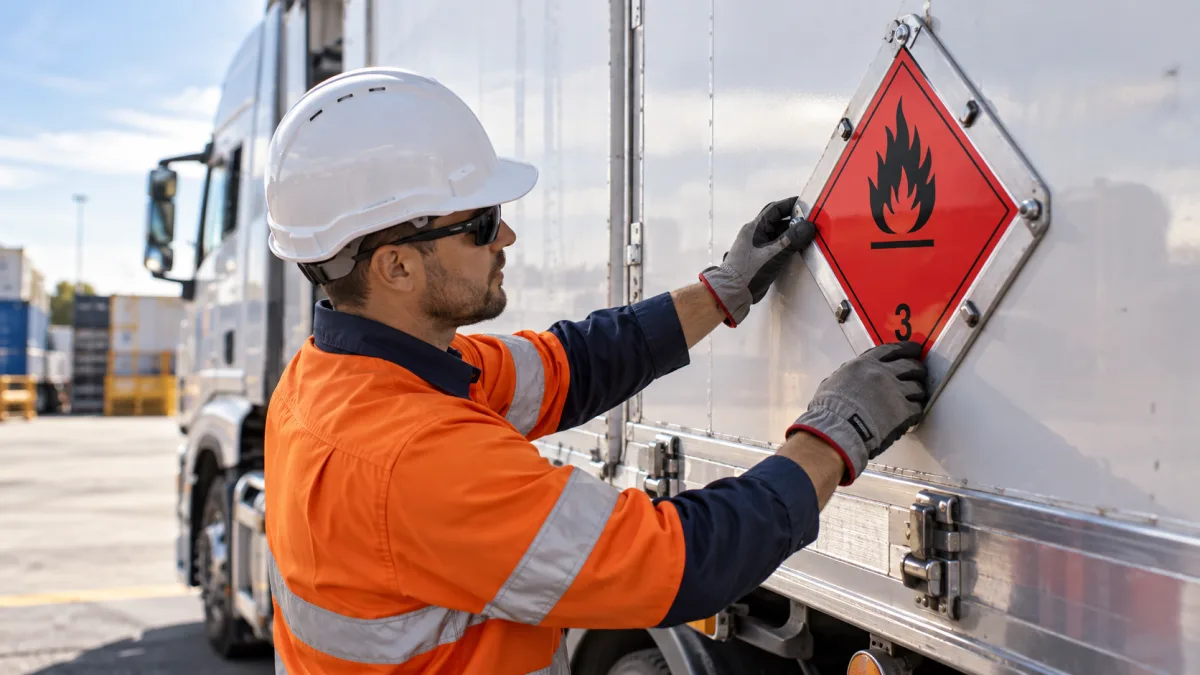
Class 3 — Flammable Liquids. Liquids with a flash point low enough that they can ignite readily, petrol, many solvents, and paints and coatings with flammable carriers. This is one of the most commonly encountered classes in general commercial freight, since flammable liquids show up across manufacturing, automotive and industrial supply chains.
Class 4 — Flammable Solids. Three divisions: flammable solids (4.1), substances liable to spontaneous combustion (4.2), and substances that emit flammable gas on contact with water (4.3). Division 4.3 in particular needs specific handling, since a substance that reacts with water can become dangerous through water exposure during transport, not just from heat or flame.
Class 5 — Oxidising Substances and Organic Peroxides. Oxidising agents (5.1) that can intensify a fire even though they aren't flammable themselves, and organic peroxides (5.2), which are often both oxidising and thermally unstable. These substances are dangerous specifically because they make other materials burn more readily or more intensely.
Class 6 — Toxic and Infectious Substances. Toxic substances (6.1) that are harmful if inhaled, ingested or absorbed, and infectious substances (6.2), which cover biological material capable of causing disease. Class 6.2 has particularly specific packaging requirements given the nature of what's being transported.
Class 7 — Radioactive Material. A narrow but tightly regulated class, covering material that emits ionising radiation above defined thresholds. Radioactive freight is subject to additional regulatory oversight beyond the standard ADG framework, including specific licensing requirements.
Class 8 — Corrosives. Substances that can cause severe damage to living tissue or corrode other materials on contact, industrial acids, alkalis, and many cleaning and industrial chemicals fall here. Alongside Class 3, this is one of the classes most commonly seen in general commercial and industrial freight.
Class 9 — Miscellaneous Dangerous Goods. A catch-all for substances that present a hazard not covered by Classes 1 through 8, including environmentally hazardous substances and, notably, lithium batteries. Class 9's breadth means it shows up in freight that doesn't otherwise look like a typical "dangerous goods" shipment, consumer electronics, automotive parts and general commercial goods can all include Class 9 components.
Packing Groups: The Layer Within Each Class
Most classes are further divided into packing groups, which indicate the degree of danger within that class rather than the type of hazard. Packing Group I indicates high danger, Packing Group II medium danger, and Packing Group III minor danger. Two substances in the same class can have meaningfully different packaging and handling requirements depending on their packing group, so the class number alone doesn't tell the whole story.
Why Segregation Matters Between Classes
Not every class can travel safely alongside every other class, and in some cases not even within the same class. Oxidising substances (Class 5) can intensify a fire involving flammable materials (Class 3 or 4). Corrosives (Class 8) can react dangerously with certain other chemical classes on contact. This is why dangerous goods freight is planned around what's actually being carried together, not just whether each individual item is correctly classified. A load that's perfectly compliant item by item can still be unsafe if incompatible classes are combined without proper segregation.
What This Means for Documentation and Placarding
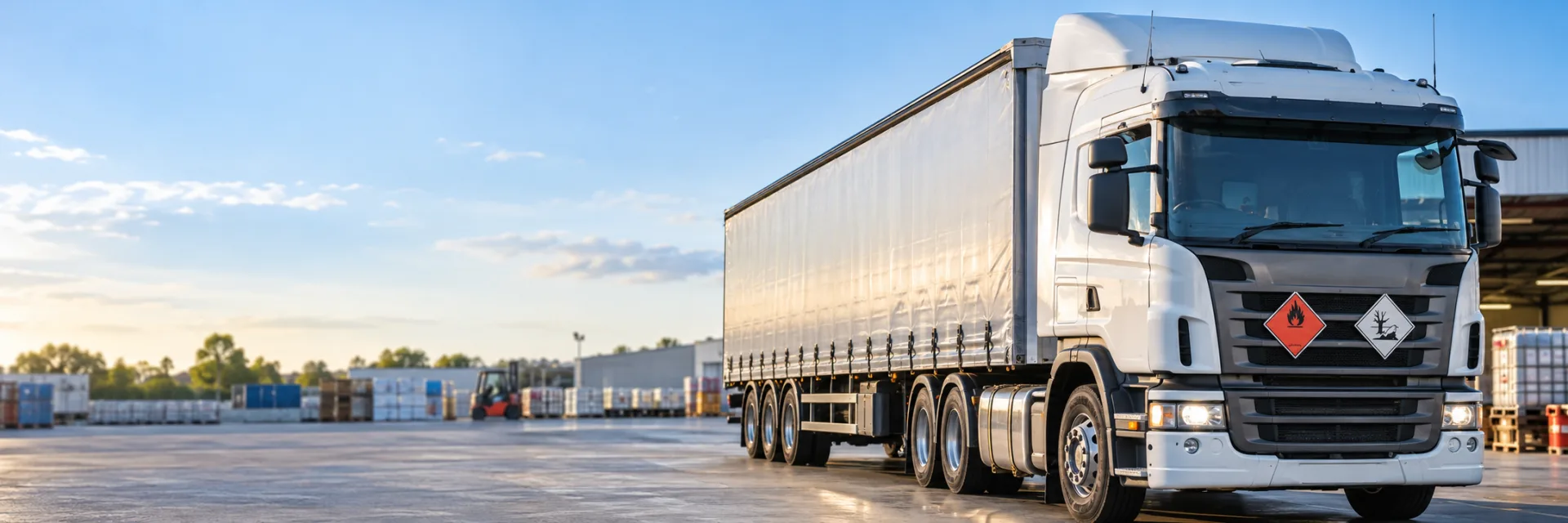
Every dangerous goods shipment needs correct classification stated on its transport documentation, tying directly into the consignment note and declaration obligations covered under Chain of Responsibility. Vehicles carrying dangerous goods above certain thresholds need correct placarding showing the class or classes on board, so that anyone responding to an incident, including emergency services, knows immediately what they're dealing with without needing to inspect the cargo first.
What This Means When You're Booking Freight
If your shipment includes dangerous goods, the practical steps are the same regardless of which class applies:
- Identify the correct class and packing group before booking, not after the truck arrives
- Provide this information at quote stage so the right vehicle, packing and segregation can be planned
- Confirm whether your goods can travel with other freight on the same load, or need a dedicated or segregated space
- Check documentation requirements specific to the class, some, like Class 7, involve additional regulatory steps beyond standard ADG paperwork
How Ozcoast Handles Dangerous Goods Freight
Dangerous goods move through our dedicated dangerous goods service, with vehicles and drivers set up for correctly classified, placarded and segregated transport. If you're not sure which class your goods fall into, or whether they can share a load with something else you're shipping, tell us what the goods actually are and we'll confirm the classification and handling requirements before anything's booked, not after.