
4PL and 3PL get used almost interchangeably in supply chain conversations, but they describe genuinely different roles, and knowing which one you actually need saves you from evaluating the wrong kind of provider entirely.
A Quick Recap: What Is a 3PL?
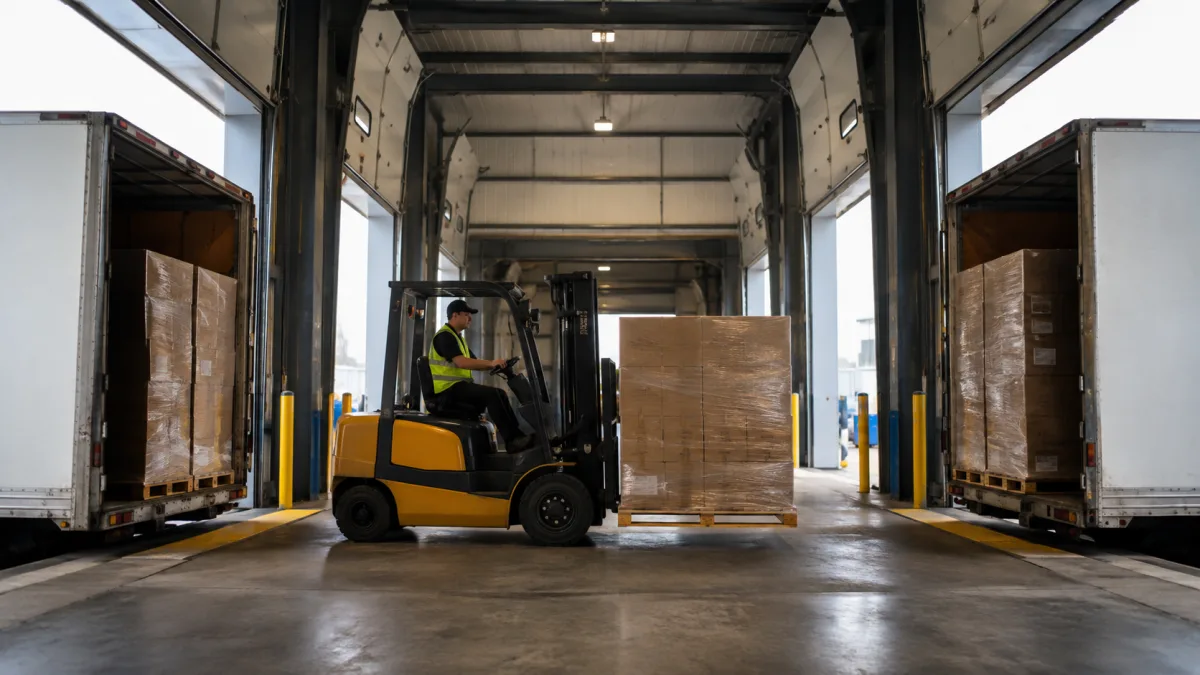
A third-party logistics provider handles specific logistics functions directly, transport, warehousing, distribution, on a business's behalf. It's execution: a 3PL physically moves or stores your goods, or arranges that movement through its own network. Our guide to what a third-party logistics provider actually does covers this in more depth.
What Is a 4PL?
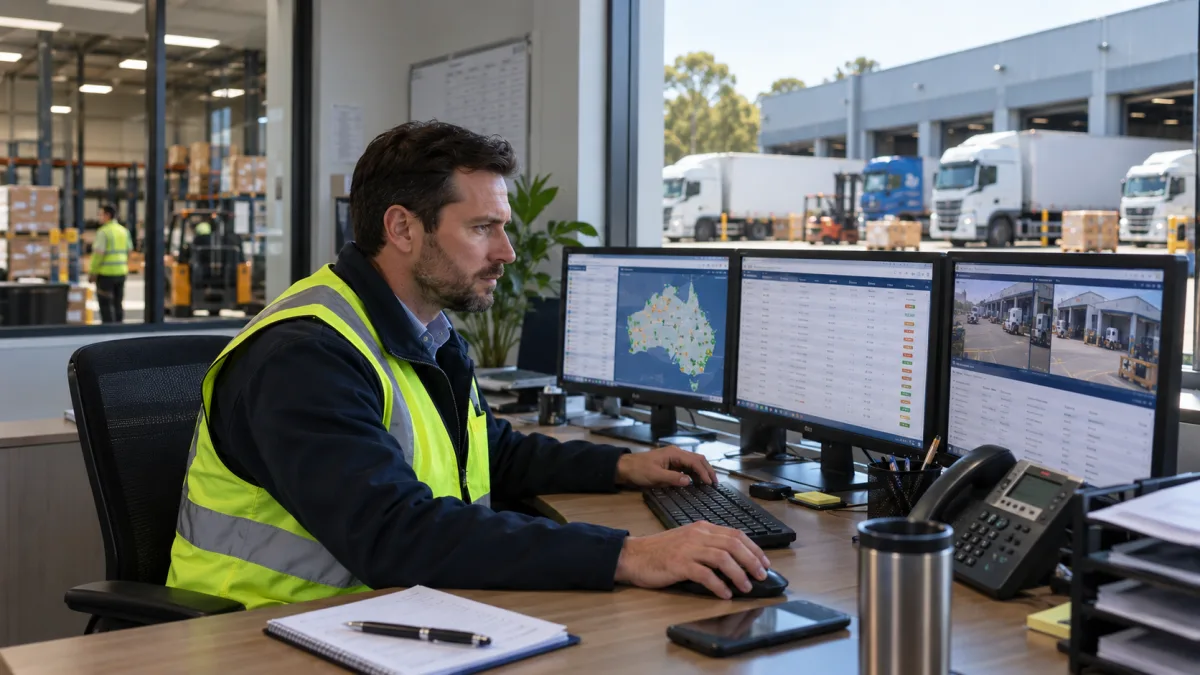
A fourth-party logistics provider sits a level above execution. Rather than moving or storing goods itself, a 4PL manages and coordinates a business's entire logistics operation, often overseeing multiple 3PLs, carriers and warehousing providers as a single point of oversight. A 4PL might not own a truck or a warehouse at all, its role is orchestration and strategy across providers, not doing the physical work itself.
The Key Difference: Execution vs Orchestration
A 3PL does the logistics. A 4PL manages the logistics, often by coordinating several 3PLs and carriers on a client's behalf, handling the strategy, technology and oversight layer that sits above the providers actually doing the physical work. If a business has one transport provider and one warehouse, it doesn't need a coordination layer between itself and them, that's still 3PL territory. A 4PL becomes relevant once there are multiple providers across different functions or regions that genuinely need centralised coordination.
Which Businesses Actually Need a 4PL?
Generally, businesses with complex, multi-provider supply chains, several carriers, multiple warehousing locations, different regions with different logistics needs, where managing all of that directly would otherwise require a significant internal logistics team. This tends to be large or multinational operations rather than most small to mid-sized businesses, which typically get everything they need from a well-matched 3PL relationship without an additional coordination layer.
Is Ozcoast a 4PL?
No, and that's a straightforward answer rather than a limitation. We operate as a 3PL, arranging and executing transport and warehousing directly rather than coordinating multiple external providers on a client's behalf. If your business genuinely needs that broader orchestration layer, a 4PL is a different kind of provider than what we offer, and it's worth knowing that distinction before you start evaluating options.
Which One Does Your Business Actually Need?
For most businesses, a well-matched 3PL relationship covers what's actually needed, direct transport and warehousing without unnecessary complexity. A 4PL generally only makes sense once you're already juggling multiple providers across a genuinely complex operation and need someone managing that coordination for you. If you're not sure which category your business falls into, it's usually simpler than it sounds, if you can name your logistics needs in terms of specific services (transport, storage, distribution), a 3PL is almost certainly the right fit.