
Melbourne to Sydney Road Freight
Melbourne to Sydney is the busiest freight lane in the country, and on a corridor this contested the road itself is a commodity. Dual carriageway the whole 880 km, everyone runs it, and the driving is the same for everybody. What actually separates a good service from an average one happens at the two ends: the cut-off you can make in Melbourne, and whether the freight lands inside its window in Western Sydney.
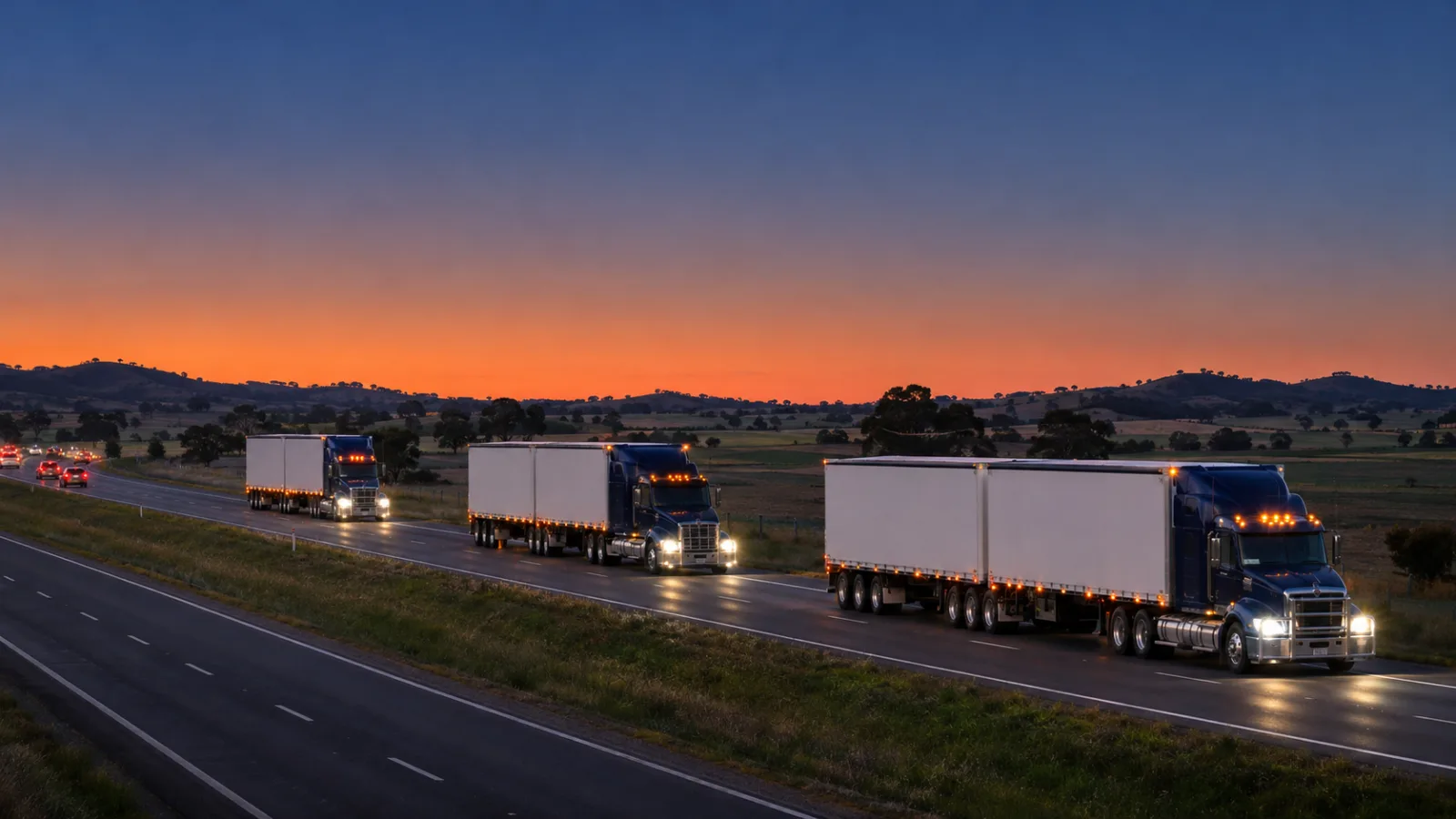
The Melbourne to Sydney corridor
Freight leaves Melbourne on the Hume Freeway and runs north-east through Seymour, Benalla and Wodonga, crosses into New South Wales at Albury, and continues through Gundagai, Yass and Goulburn into Sydney. Around 880 km, dual carriageway for effectively the entire distance, and one of the best-serviced freight corridors anywhere in Australia.
The volume on this lane is enormous. More freight moves between these two cities than on any other domestic corridor, which means frequent scheduled departures, deep consolidation, and part loads that leave on a timetable rather than when enough freight appears. It also means a crowded market, and we would rather be clear about where the actual differences lie than claim the road is somehow better for us than for anyone else.
At the Melbourne end it comes down to the cut-off. The later a load can be collected and still make the overnight run, the more useful the service is, and that is a function of how the linehaul is scheduled rather than how fast anyone drives. Tell us your collection time and we will tell you honestly which service it makes.
At the Sydney end it comes down to the dock. Most interstate freight is delivered in the west, at Eastern Creek, Erskine Park, Wetherill Park, Prestons and Silverwater, and the larger sites run booked delivery windows, sometimes to the quarter hour. Arriving outside the slot can mean waiting or being turned away, and traffic through the western corridor regularly makes the final thirty kilometres slower than the previous three hundred. A tight run that misses a window delivers the next day, which is the most common way a day gets lost on this lane.
Freight runs full in both directions, which keeps it efficient. Manufactured goods, food and beverage, building materials and general freight head north, and imported stock off the wharf, retail and e-commerce inventory and machinery come back south.
Smaller consignments travel as part loads on shared linehaul so you pay for the deck space you use. Full loads and time-critical freight take a dedicated vehicle. One coordinator owns your job from pickup through to proof of delivery, with a direct line.
Everyone Drives the Same Road
Where the difference actually is on the country's busiest lane
There is no clever route between Melbourne and Sydney. It is the Hume, it is dual carriageway the whole way, and every carrier in the country runs it. Anyone claiming an advantage on the road itself is selling you something that does not exist.
The real differences sit at the two ends.
At the Melbourne end it is the cut-off. The later your freight can be collected and still make that night's linehaul, the more useful the service is to you, and that depends entirely on how the departures are scheduled rather than on anyone driving faster. An honest carrier tells you which service your collection time actually makes rather than quoting a transit and leaving you to find out.
At the Sydney end it is the window. Most interstate freight is delivered in the west, and most of the larger sites allocate booked delivery slots. Missing one does not cost an hour, it costs until the next available window, which is frequently the following day. On a corridor where everyone can get the freight there overnight, the carrier who lands it inside the slot is the one who actually delivered next-day.
So what we ask for at booking is simple and specific. Your collection time. The dock booking reference and window. Any access requirements. With those three things the run is planned to land inside the slot and everything upstream works backwards from it.
Without them we are quoting an average, which is what everybody else does.
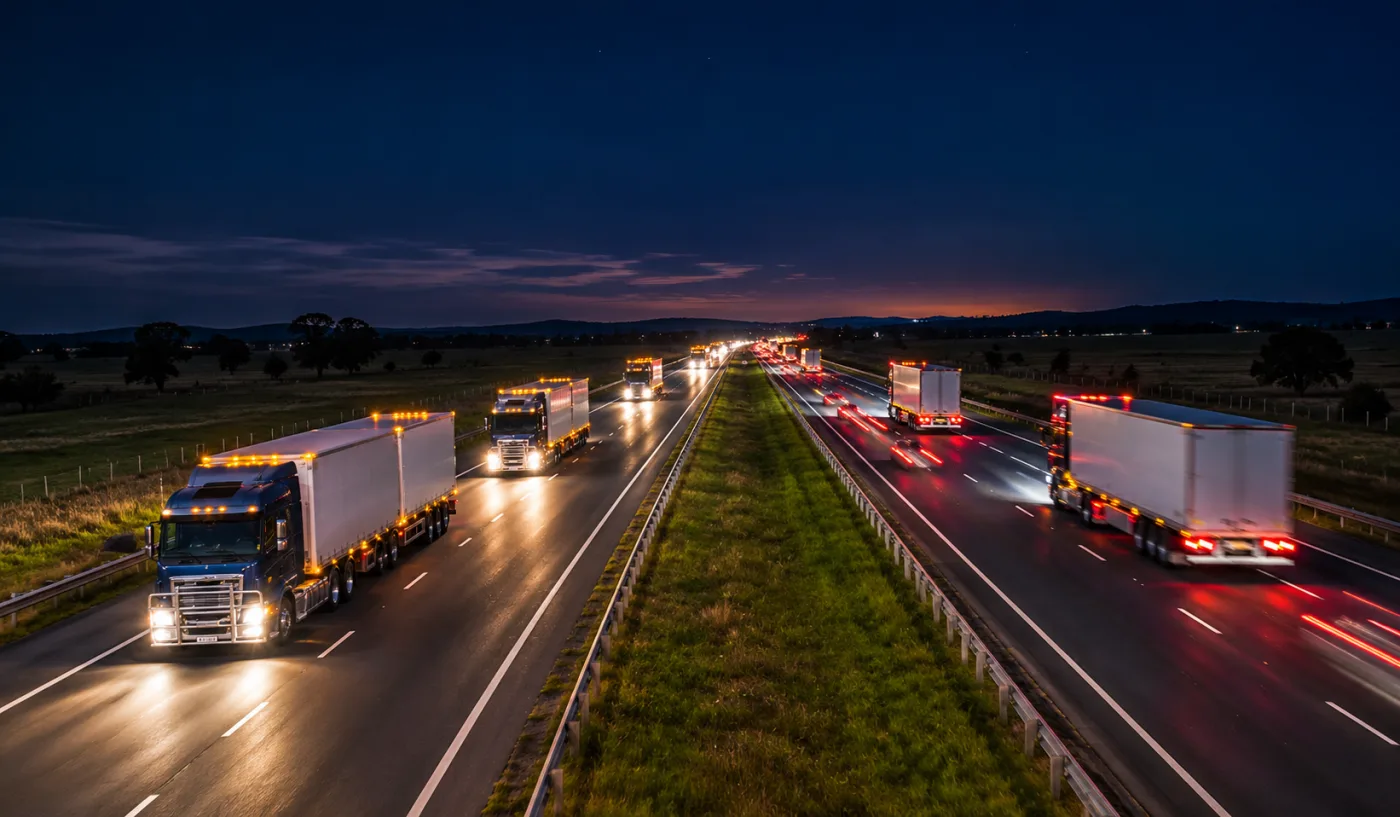
Where It Lands in Sydney
The western estates, and the last thirty kilometres
People book freight to Sydney. Most of it goes to a handful of suburbs in the west.
Eastern Creek, Erskine Park, Wetherill Park, Prestons and Silverwater hold the bulk of the city's distribution capacity, and it is where the overwhelming majority of interstate linehaul is unloaded. Botany handles the port-related work, and the CBD and inner suburbs are a different proposition again.
The western corridor is also the most congested freight geography in the country. On a bad morning the final thirty kilometres genuinely takes longer than the three hundred before it, and that stretch is where a comfortable schedule becomes a tight one.
Booked windows make it consequential rather than merely frustrating. A truck arriving outside its slot may wait for hours or be turned away entirely, and after an overnight run that is an expensive way to lose a day.
So give us the site, the dock booking reference, the window and any access requirements when you book the freight rather than when the truck is an hour out. Tail-lift, dock height, restricted entry times, site inductions. All of it is easier known in Melbourne than discovered in Erskine Park.
If your delivery is to a retail address, the inner suburbs or the north shore rather than a western estate, say so. It needs a different vehicle and has different access constraints, and that is worth settling at booking.
What we carry on this route
This is the highest-volume lane in the country and it runs hard in both directions. These are what we load most days. If yours is not here, ring us, and if you have a Sydney dock booking, have the reference handy.
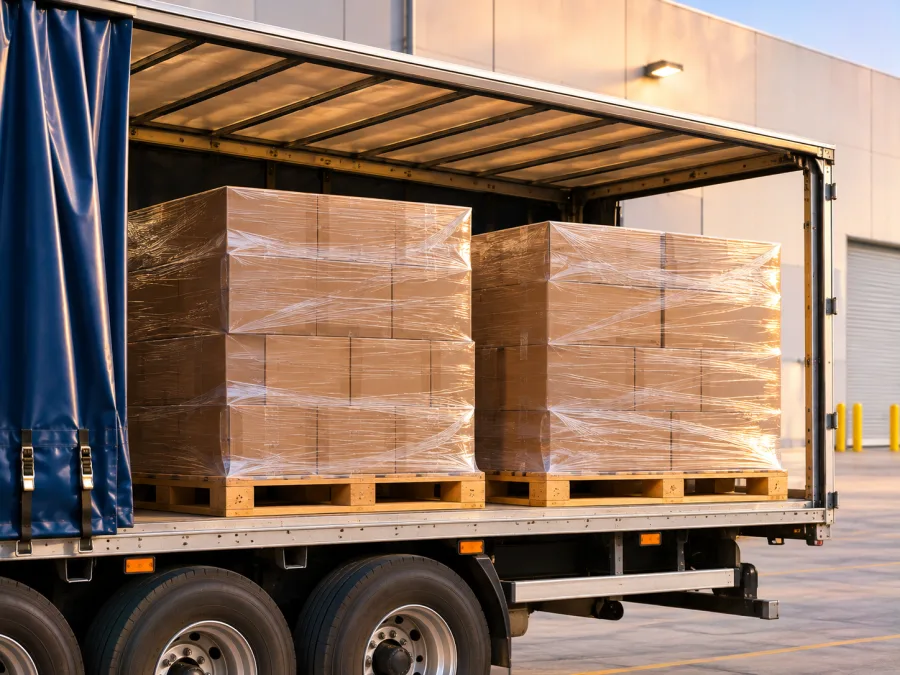
Palletised & General Freight
Standard and oversize pallets out of the Melbourne west into the Western Sydney distribution belt, booked to the receiver’s window.

Retail & E-Commerce Stock
Store and DC transfers both ways. High volume, tight windows, tail-lift and dock delivery to the slot.
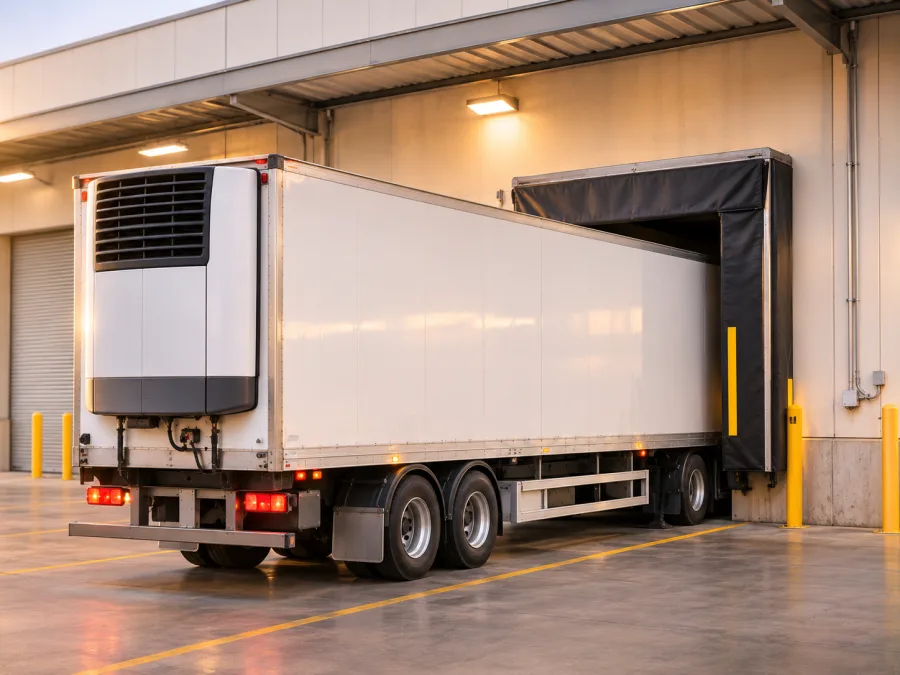
Chilled & Temperature-Controlled
Set-temperature capacity for food, beverage and pharmaceutical lines, with the cold chain held through to the Sydney slot.
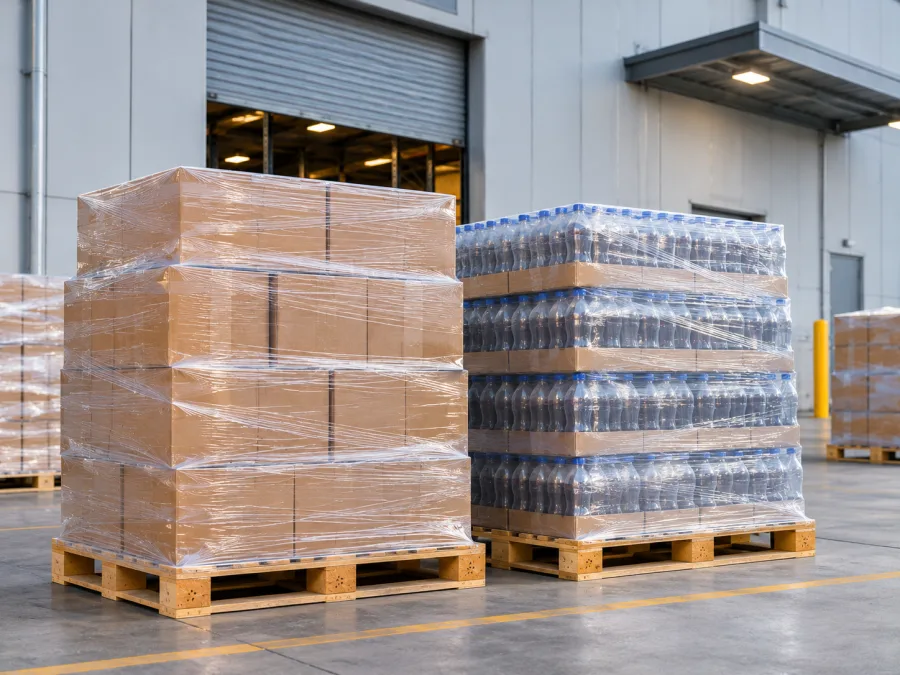
Food & Beverage
Product out of the Victorian manufacturers into Sydney distribution and food service.
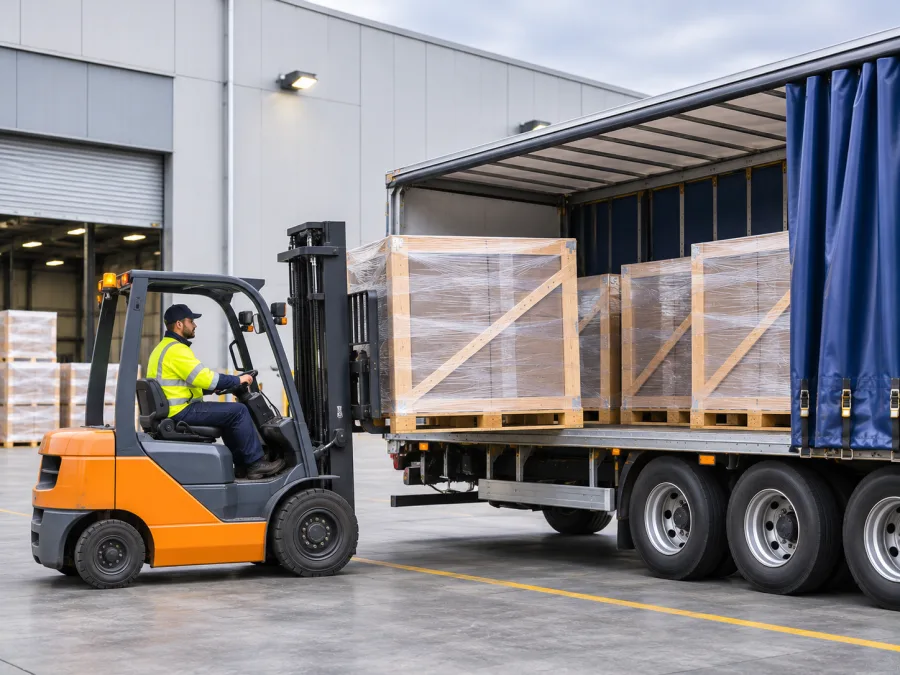
Manufactured Goods
Product from the Victorian manufacturing base heading to New South Wales distributors and industry.
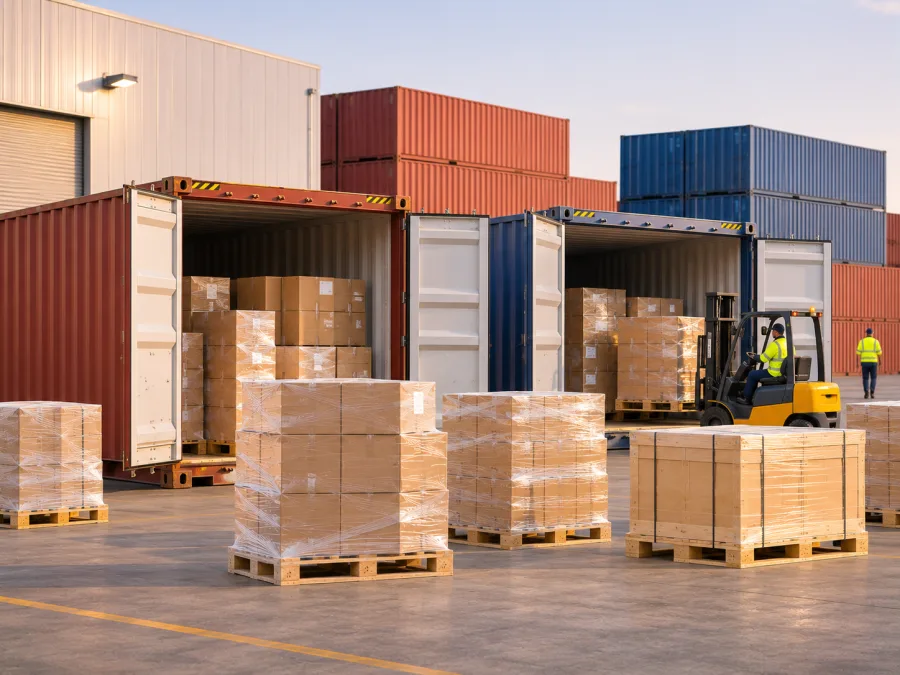
Imported Goods (Return Leg)
Freight off the wharf and out of Sydney’s warehousing heading south, often continuing beyond Melbourne.
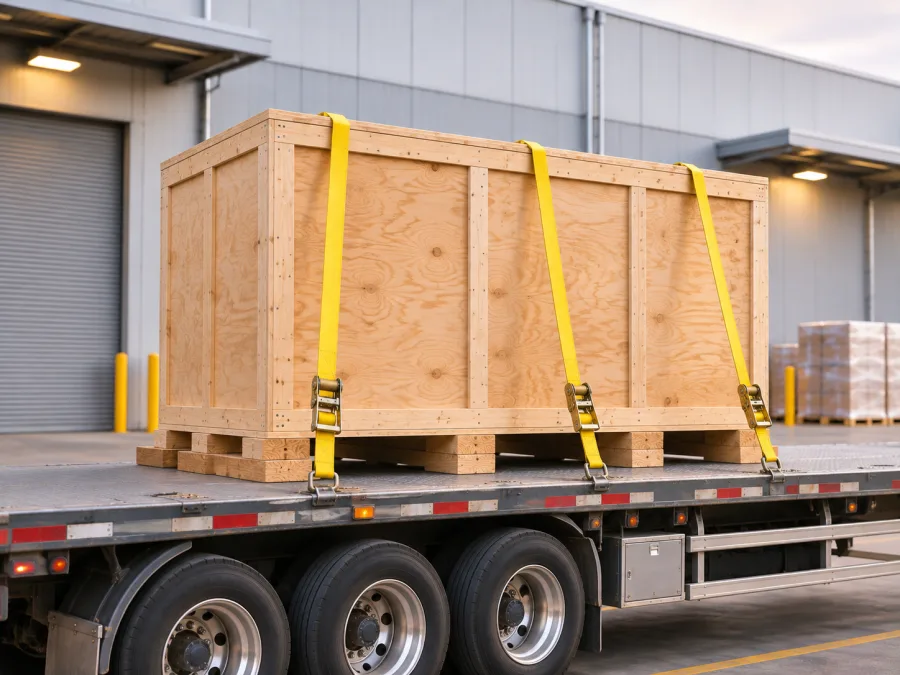
Machinery, Plant & Equipment
Crated components, tooling and production plant both ways. Lift equipment and site access confirmed before the truck leaves.
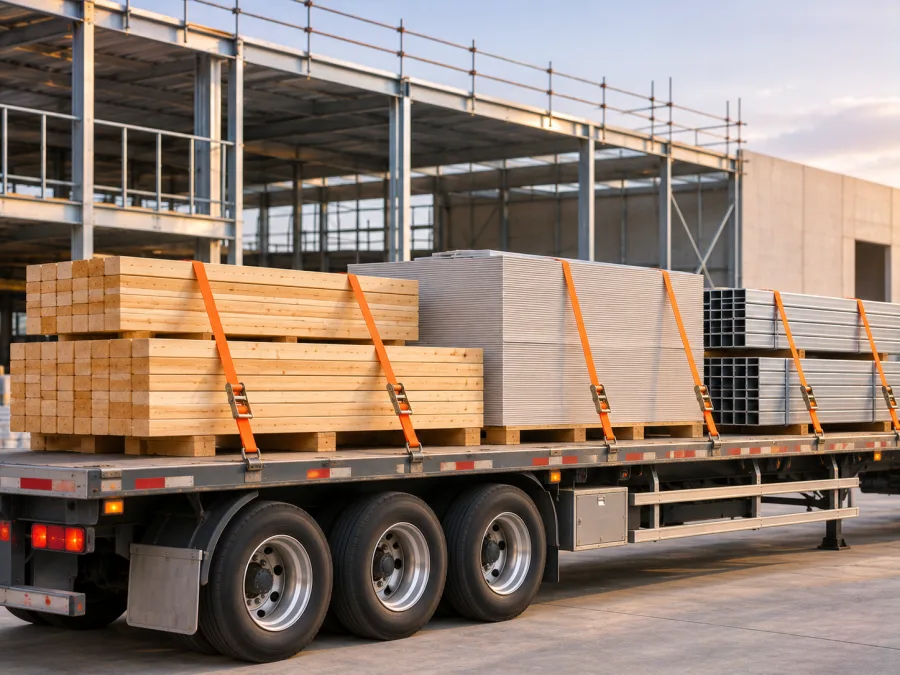
Building & Fit-Out Materials
Fixings, framing, joinery and site consumables for construction and commercial fit-out at either end.
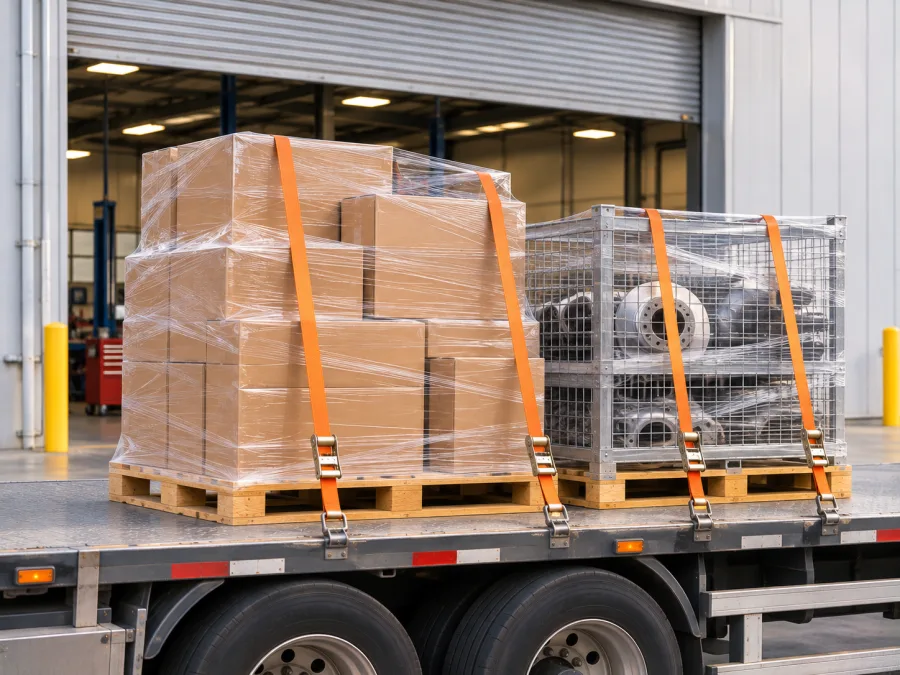
Automotive Parts & Components
Parts and components for dealers, workshops and fleet operators, moving daily in both directions.
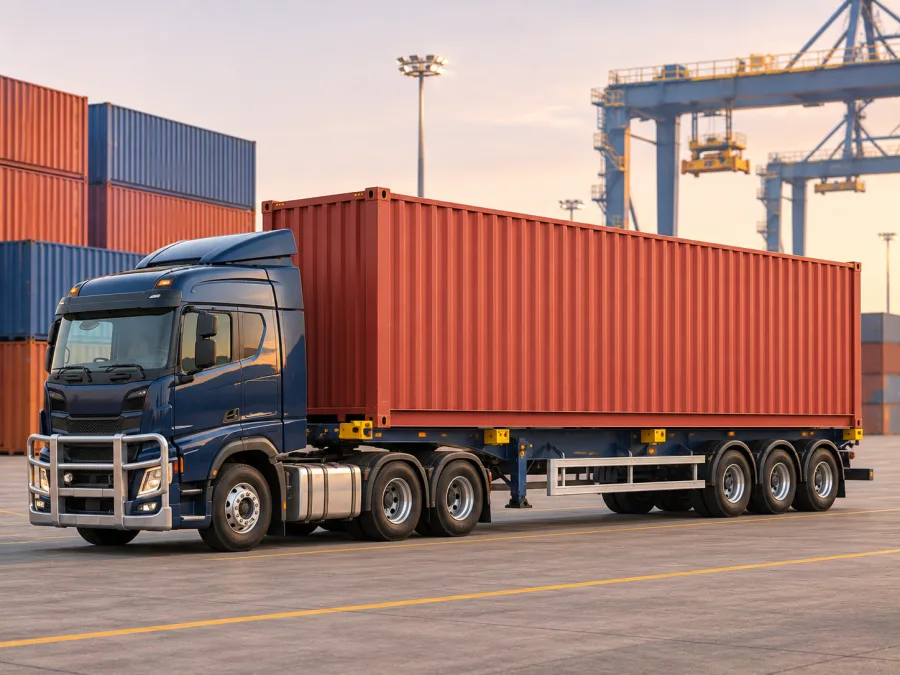
Container Transport (Road Legs)
Road movement of containers to and from Port Botany, Port Melbourne and the intermodal sites. Road leg only; the sea leg is not ours.
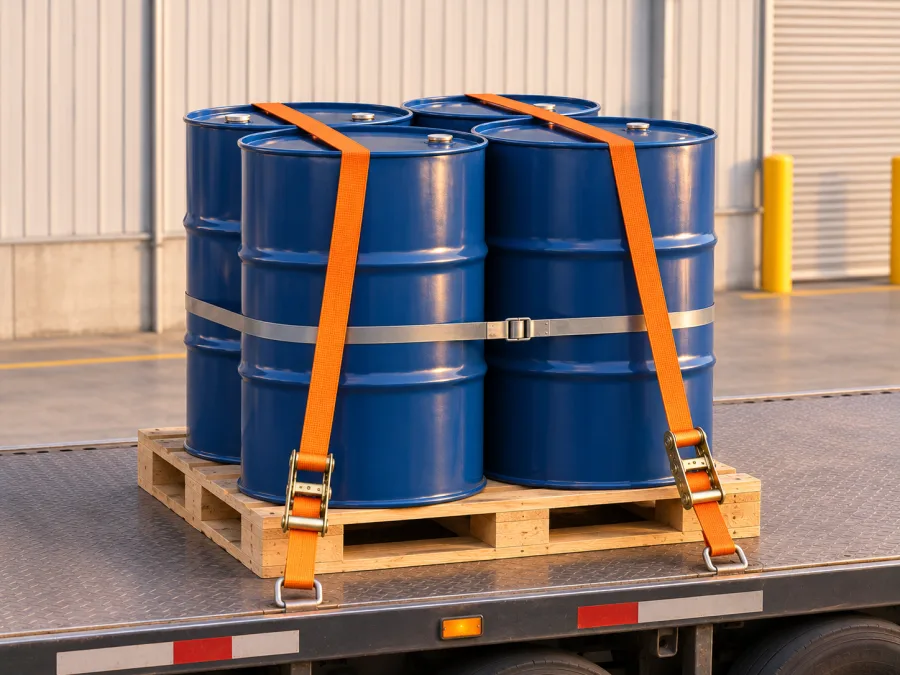
Dangerous Goods
Approved classes with correct documentation, segregation and placarding across two jurisdictions. UN number and class at quote stage.
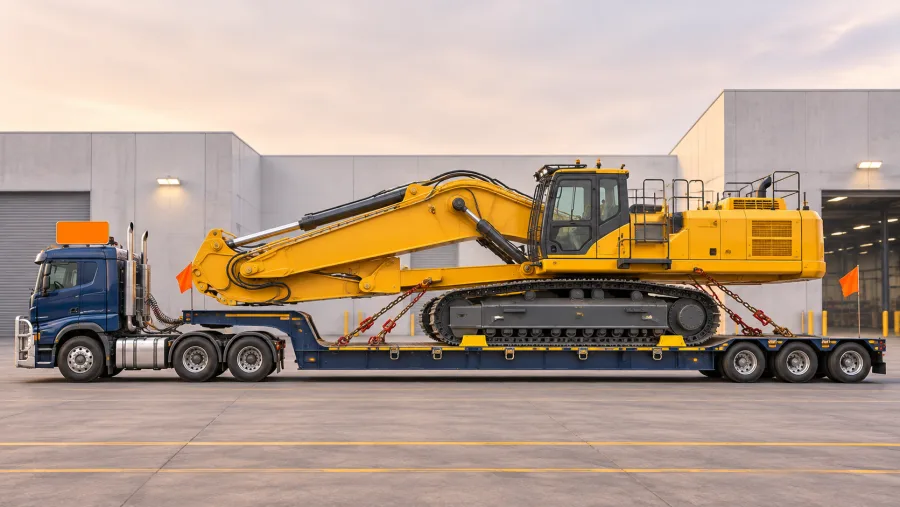
Oversize & Heavy Haulage
Over-dimensional and over-mass loads on permit across Victoria and New South Wales. Send dimensions and mass early.
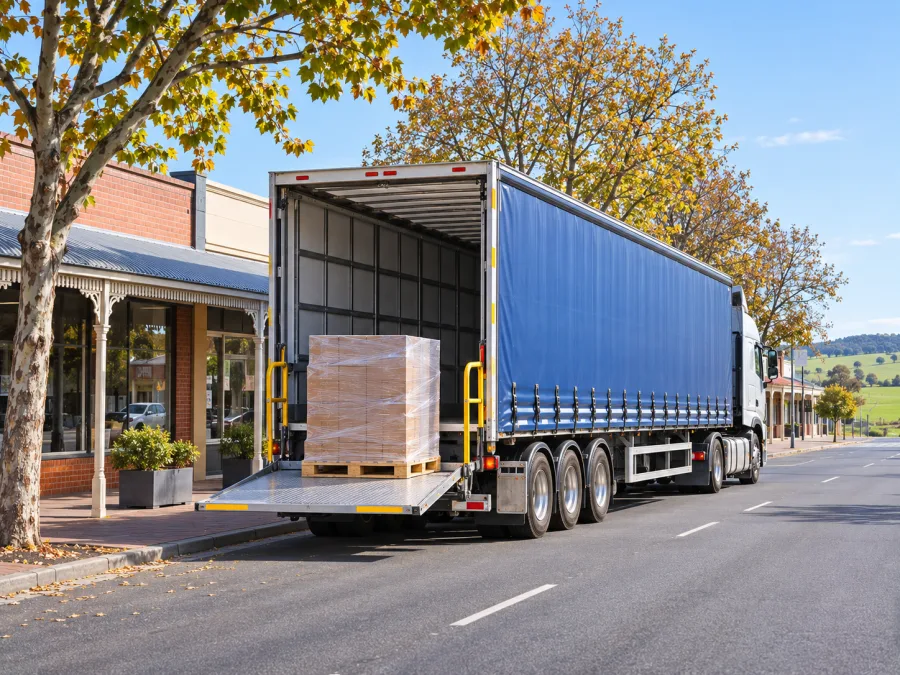
Regional Drops En Route
Seymour, Benalla, Wodonga, Albury, Gundagai, Yass and Goulburn all sit on the Hume. Often no detour at all.

Cars, Caravans & Trailers
Dealer transfers, auction buys, relocations and vans moving between the two cities. Give us dimensions and registration status.
Why choose Ozcoast for Melbourne to Sydney
We Tell You Which Service Your Cut-off Makes
Not an average transit. The actual departure your collection time reaches.
We Book the Sydney Window
Eastern Creek, Wetherill Park, Prestons. Give us the slot and the run is built to hit it.
Honest About the Road
Everyone drives the Hume. We compete on the ends, not on a route that does not exist.
Frequent Scheduled Departures
The country’s busiest lane. Part loads leave on a timetable.
The Last Thirty Kilometres Planned For
Western Sydney congestion is accounted for, not discovered.
Busy Both Ways
Imported stock and retail inventory head south, which sharpens your rate.
A Name and a Direct Line
One coordinator from pickup to proof of delivery.
Collection & delivery areas
Melbourne CBD, Laverton, Truganina, Derrimut, Altona, Brooklyn, Dandenong South, Campbellfield and Port Melbourne
Sydney CBD, Parramatta, Eastern Creek, Erskine Park, Wetherill Park, Prestons, Silverwater, Botany and Western Sydney
Frequently asked questions
How long does freight take from Melbourne to Sydney?
What is your collection cut-off?
Do you deliver to Western Sydney distribution centres?
Why does the last part of the run matter so much?
Do you carry freight from Sydney back to Melbourne?
Can you drop freight at towns along the way?
How is a part load priced on this route?
Do you handle container movements to and from the ports?
Can you move oversize loads on this lane?
Do you carry dangerous goods on this lane?
Get a quote for Melbourne to Sydney
Tell us what you are moving and we will send a clear, itemised quote with no obligation, usually within business hours.