
Melbourne to Shepparton Road Freight
Shepparton is where a very large share of Australia's fruit gets canned and a great deal of its milk gets processed. The Goulburn Valley grows pears, peaches, apples and tomatoes, and the processing capacity built around that is the largest concentration in the country. Around 190 km from Melbourne, about two hours, and the freight on this lane runs to processing schedules in both directions.
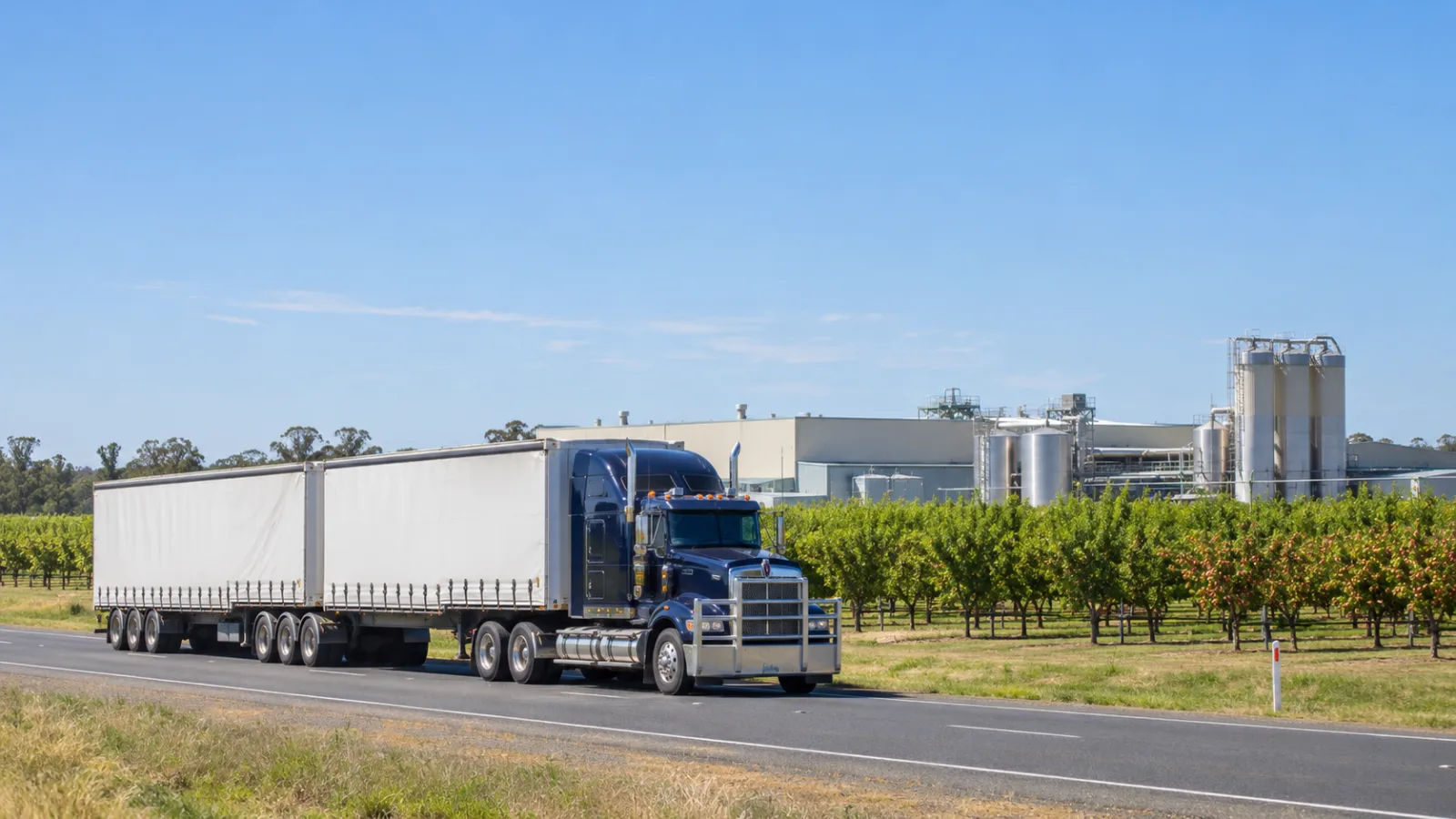
The Melbourne to Shepparton corridor
Freight leaves Melbourne on the Hume Freeway through Craigieburn and Seymour, then turns north on the Goulburn Valley Highway through Nagambie to Shepparton. Around 190 km and roughly two hours of driving, freeway for most of the distance, which makes same-day delivery routine.
What distinguishes Shepparton from the other irrigated districts is that it processes rather than simply grows. The Goulburn Valley produces pears, peaches, apricots, apples and tomatoes, and the canning and packing operations here handle a very large share of the national output. Alongside that sits substantial dairy processing, drawing milk from the farms across the valley.
That changes the freight task completely. A district that grows and ships fresh fruit runs on harvest windows and cold chains. A district that processes runs on production schedules, and the freight follows those: cans, lids, cartons, labels, glass, ingredients, packaging materials and consumables arriving in volume and on time, and finished product leaving in pallets by the thousand.
A processing line running short of packaging is an expensive problem measured by the hour, which is why delivery timing matters here more than the rate does. If you supply into a plant, tell us the required delivery date and any dock booking at the time you book the freight, and we will plan backwards from your deadline.
The seasons still matter. Fruit intake concentrates through summer and autumn, and the packaging requirement builds ahead of it rather than during it. Dairy processing runs more evenly across the year.
Southbound carries the output: canned and packaged fruit, dairy product and processed food heading to Melbourne distribution and the ports. Much of it is palletised in volume and some of it is temperature-controlled.
Because the run is short and frequent, part loads move quickly. Full loads and urgent freight go on a dedicated vehicle, same day where it matters. One coordinator handles your job start to finish, with a direct line.
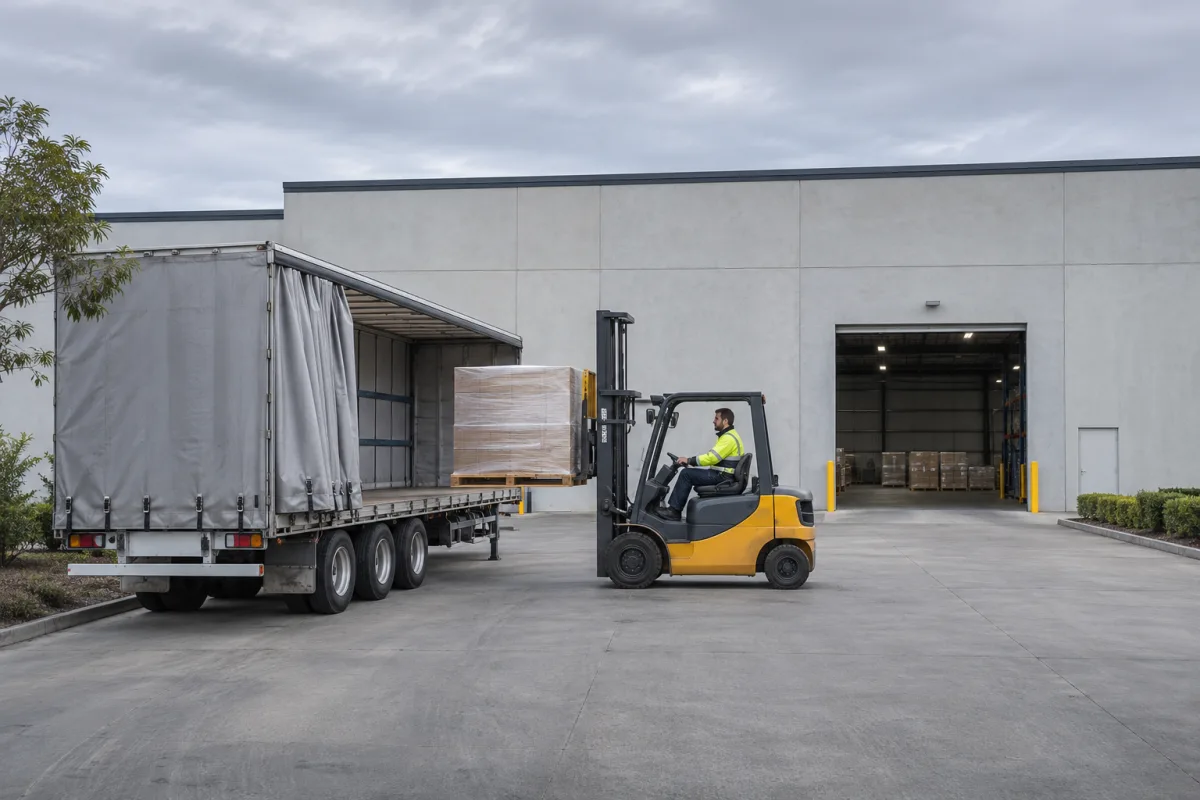
A Line Short of Packaging Is an Expensive Problem
Why processing schedules set the timing on this lane
Most regional freight runs to a delivery window. Freight into a processing plant runs to a production schedule, and the difference is measured in money per hour.
The canning and dairy operations in the Goulburn Valley run lines that do not stop easily. Cans, lids, cartons, labels, glass, ingredients and packaging all need to be there when the line calls for them, and a shortfall does not cause a delay so much as a stoppage. The cost of that is considerably more than the freight bill for the consignment that was late.
So we plan this freight backwards from the required delivery date rather than forwards from the pickup, and we build in margin rather than arriving on the wire. On a two-hour run there is plenty of room to do that properly provided we know the deadline.
What we need from you is the site, the required date, any dock booking and the access arrangements. Many of the larger plants run booked delivery windows and have induction requirements, and a truck arriving outside its slot can wait or be turned away even when the freight is urgently needed inside.
The seasonal pattern is worth planning around too. Fruit intake concentrates through summer and autumn, and the packaging requirement builds ahead of it rather than during it. Ordering packaging into a plant while it is at full intake is the hardest time to receive it.
If you supply into a plant regularly, talk to us about a standing pattern rather than booking each load separately. On a lane this short, predictability is worth more than speed.
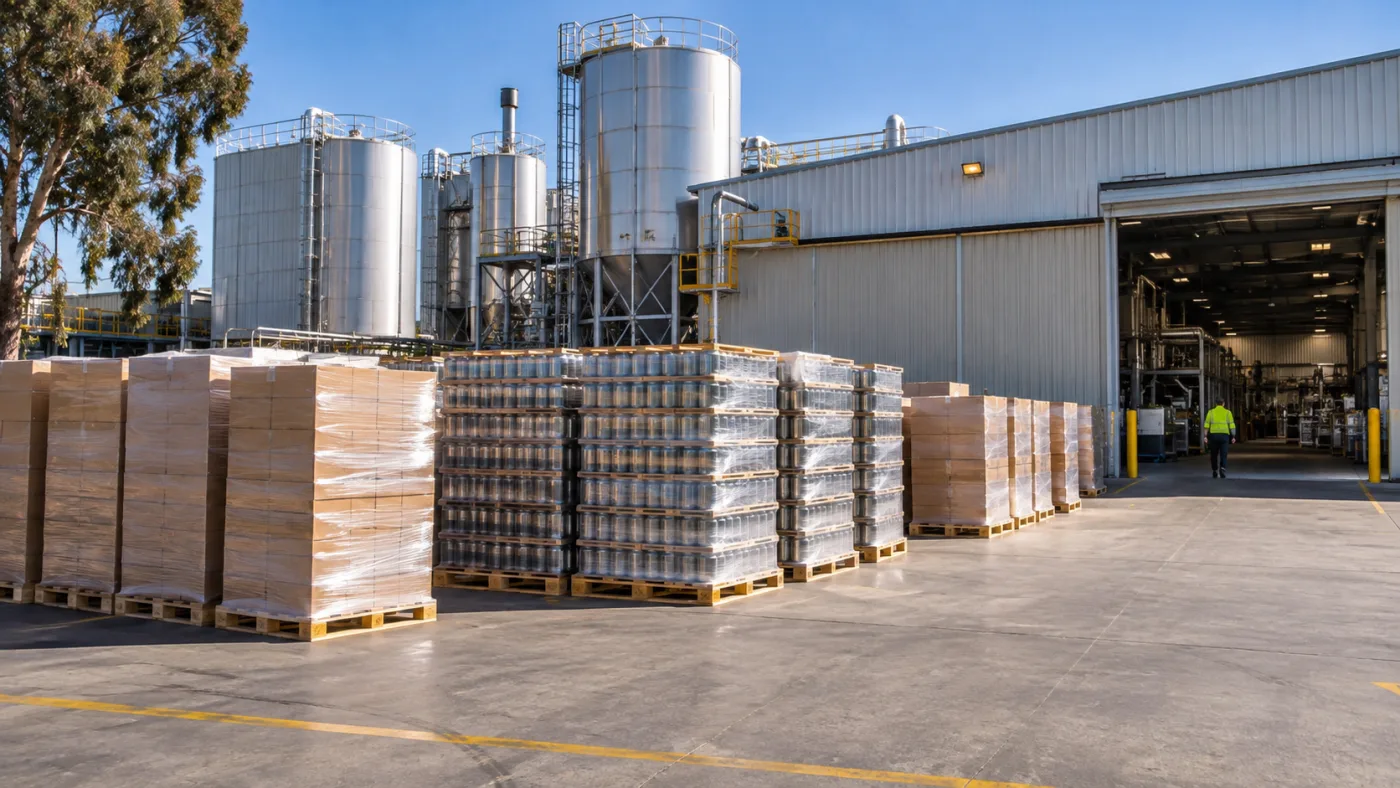
What we carry on this route
This lane supplies the country's largest food processing district and carries its output back. These are what we move most often. If yours is not here, ring us, and if your freight is going into a plant, tell us the required date.
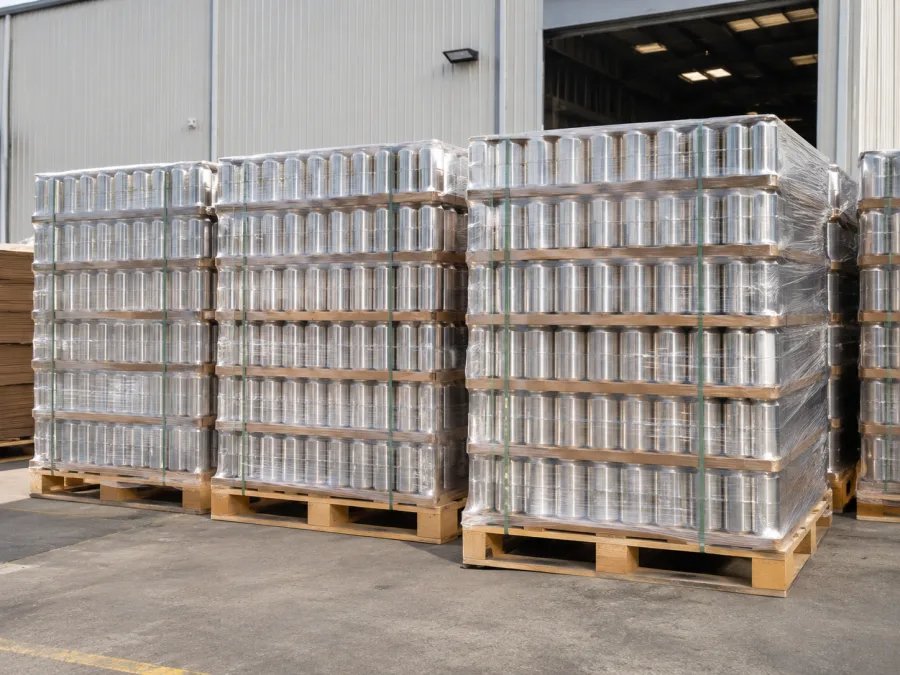
Packaging, Cans & Cartons
Cans, lids, cartons, labels and glass into the processing plants. Timed to the production schedule, not the dispatch.
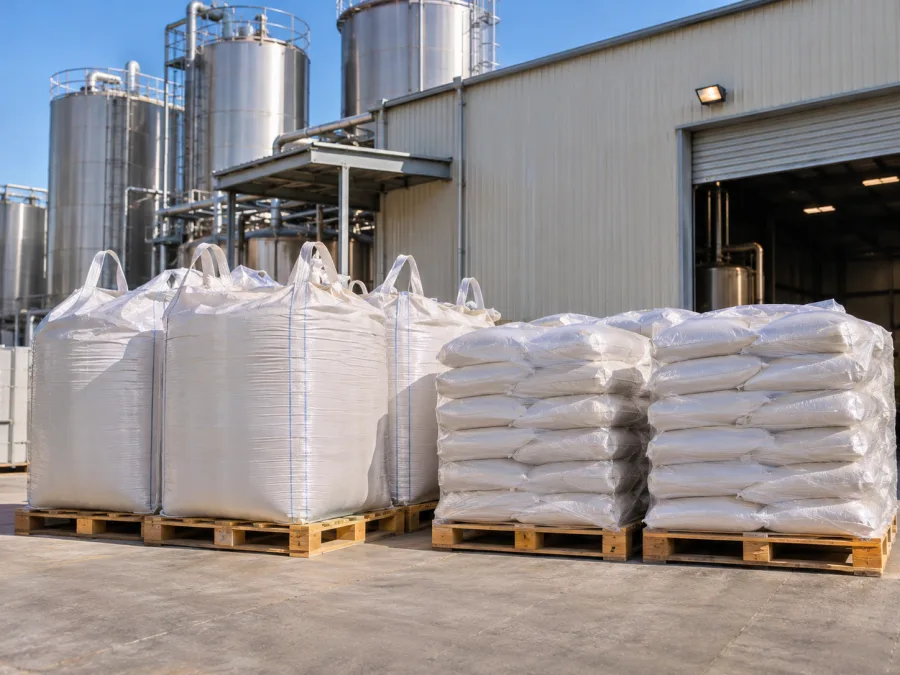
Ingredients & Processing Consumables
Sugar, additives, processing aids and consumables for the canning and dairy operations.
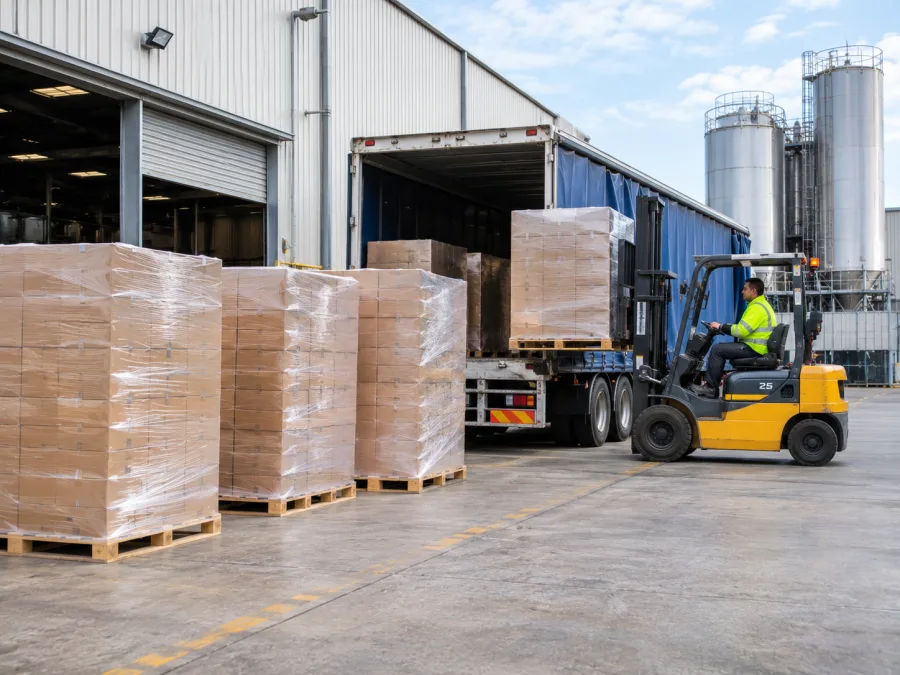
Canned & Processed Food South
Finished product heading to Melbourne distribution and the ports. Palletised in volume.
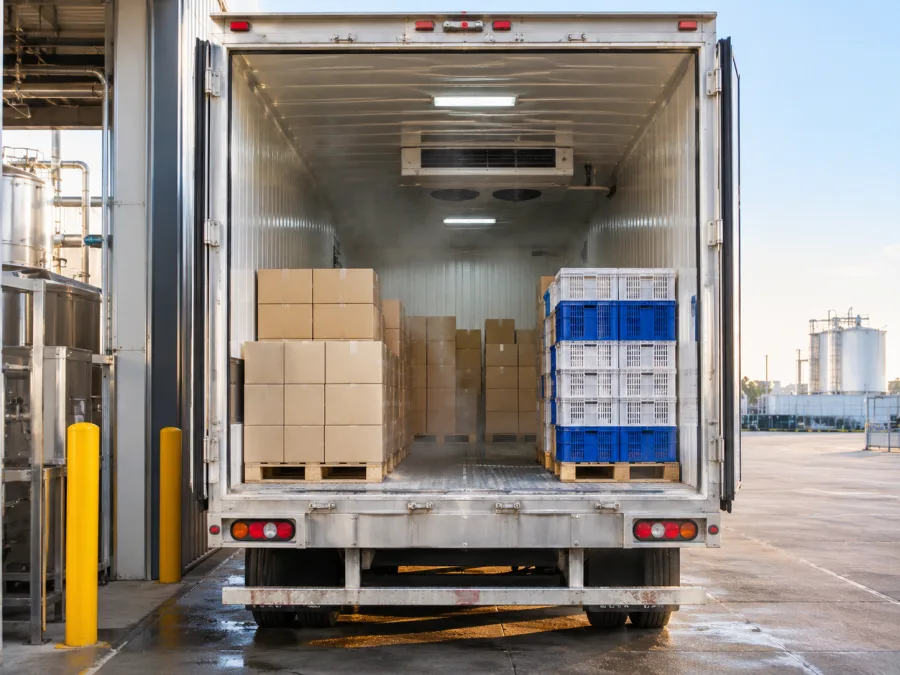
Dairy & Refrigerated Product
Milk product and processed dairy from the valley’s operations to Melbourne under temperature control.
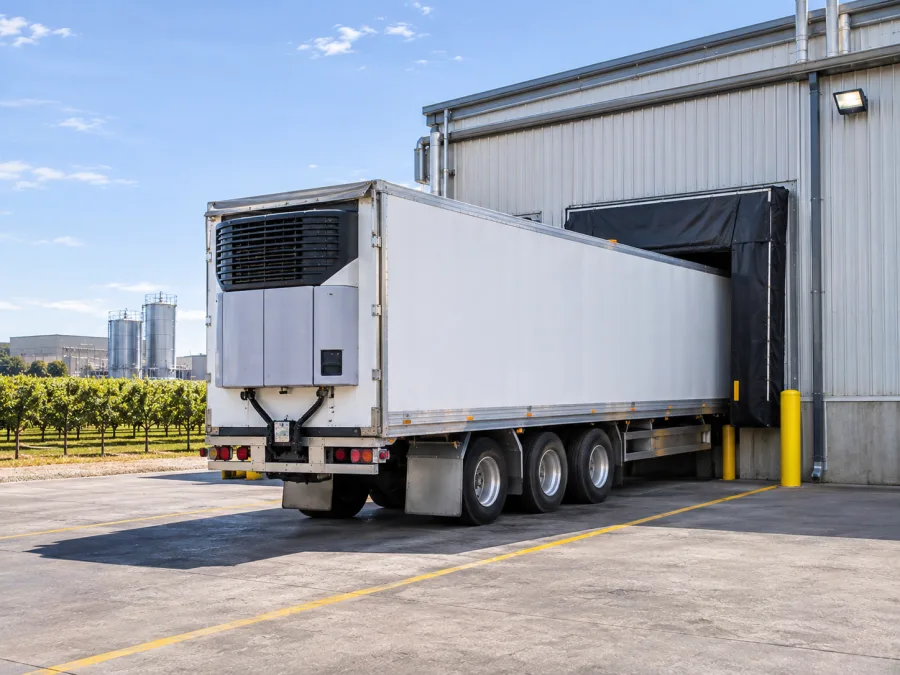
Chilled & Temperature-Controlled
Set-temperature capacity both ways. A two-hour run keeps the cold chain simple.
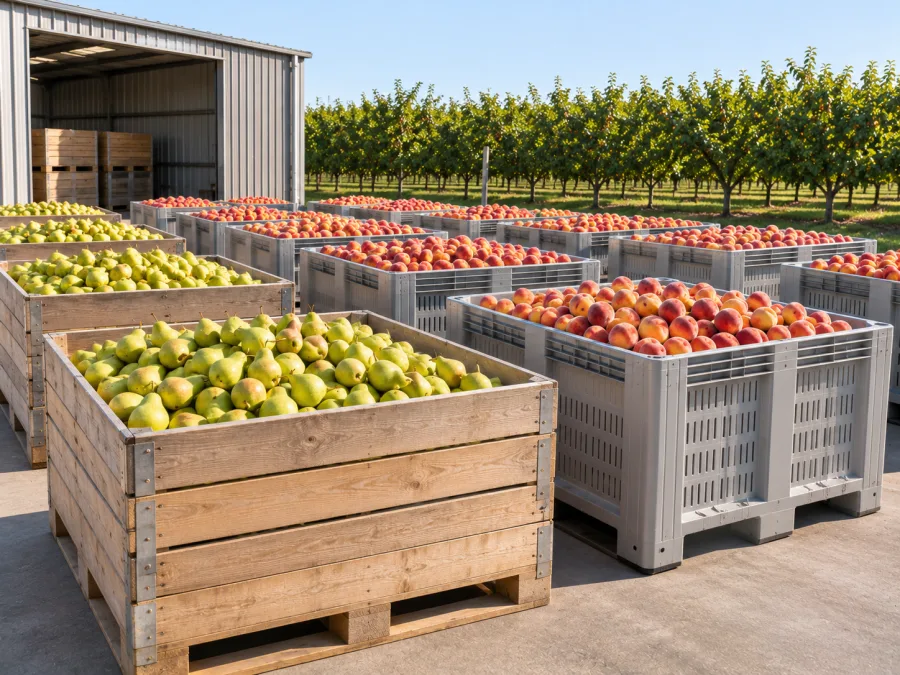
Fresh Fruit & Produce
Pears, peaches, apples and tomatoes moving within the district and south to market.
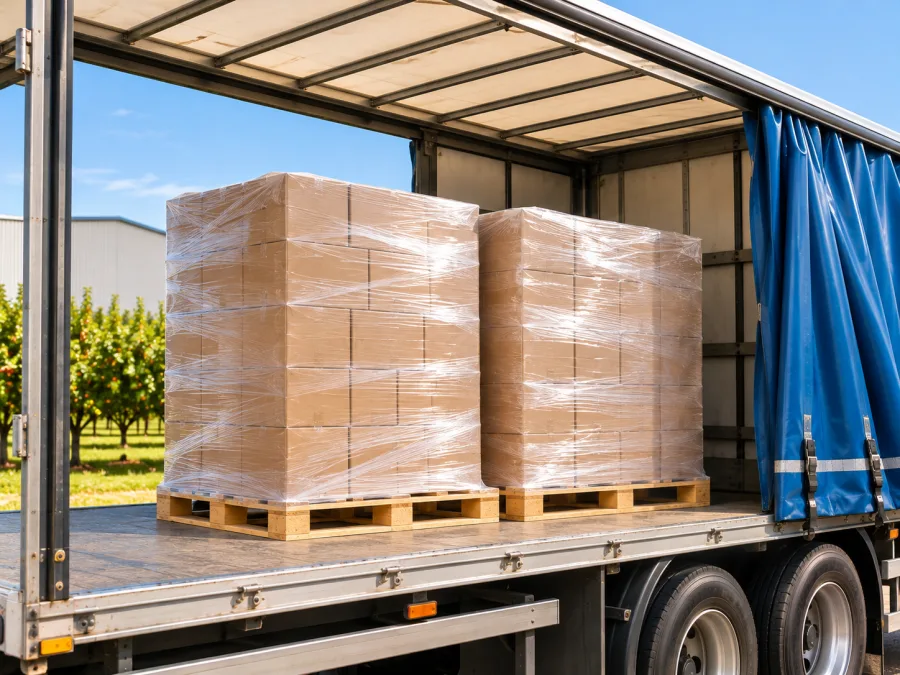
Palletised & General Freight
Standard and oversize pallets out of the Melbourne north into Shepparton and the valley towns.
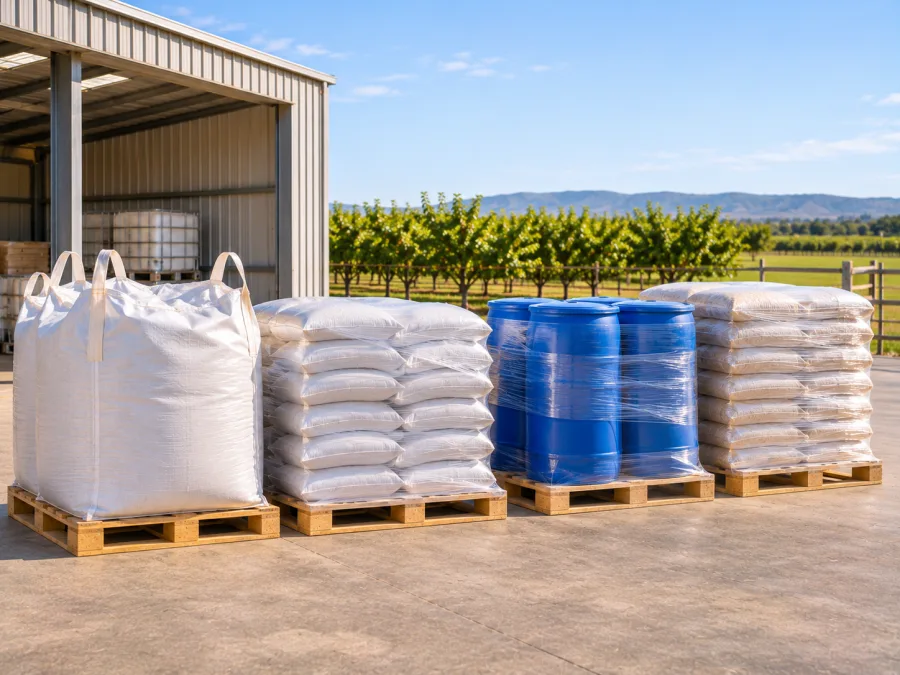
Agricultural Inputs & Supply
Fertiliser, chemicals and consumables for the orchards, dairy farms and irrigated cropping.
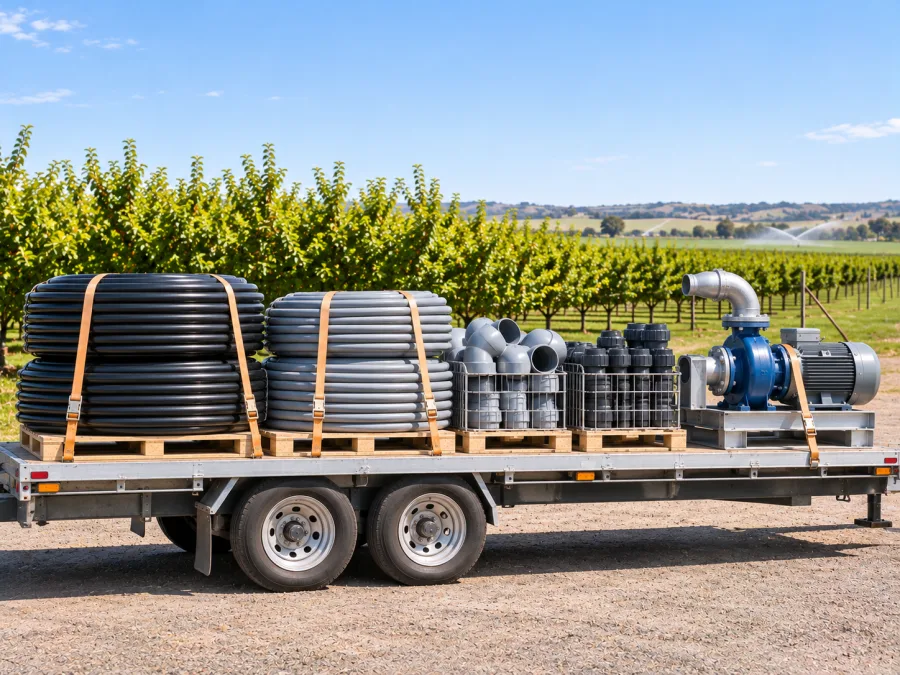
Irrigation & Farm Equipment
Pipe, pumps, fittings and irrigation infrastructure, plus implements and workshop gear.
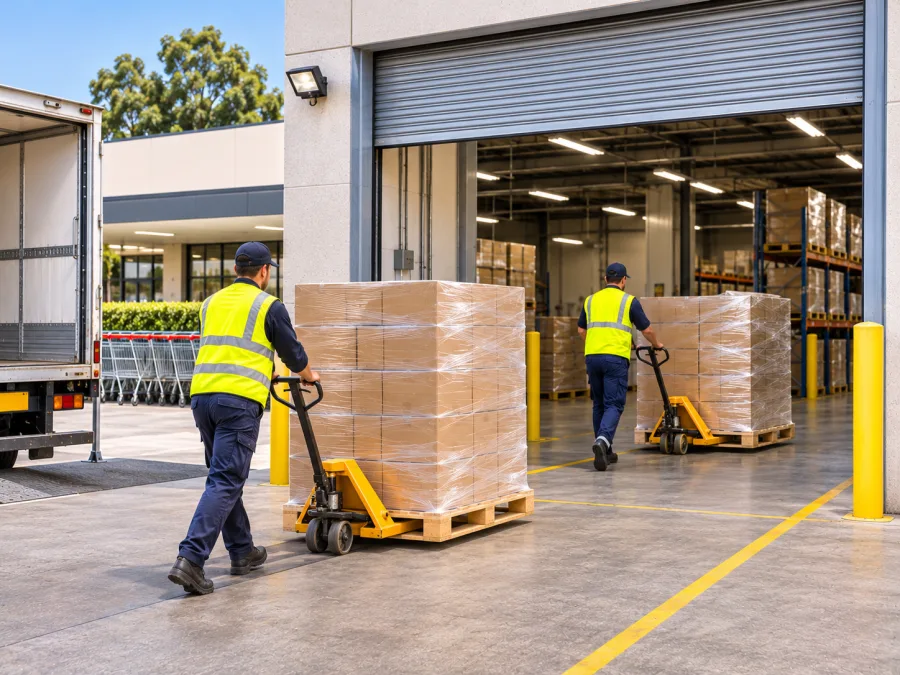
Retail & Grocery Replenishment
Store and supermarket stock across Shepparton, Mooroopna and the Goulburn Valley towns.
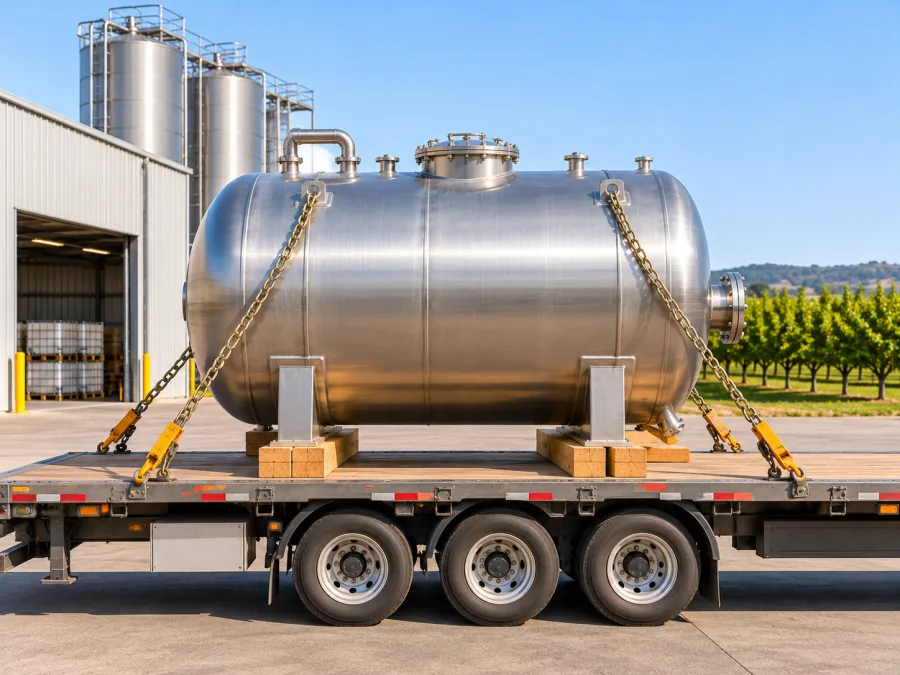
Machinery, Plant & Equipment
Crated components and processing plant for the canneries and dairy operations. Lift and access confirmed before we load.
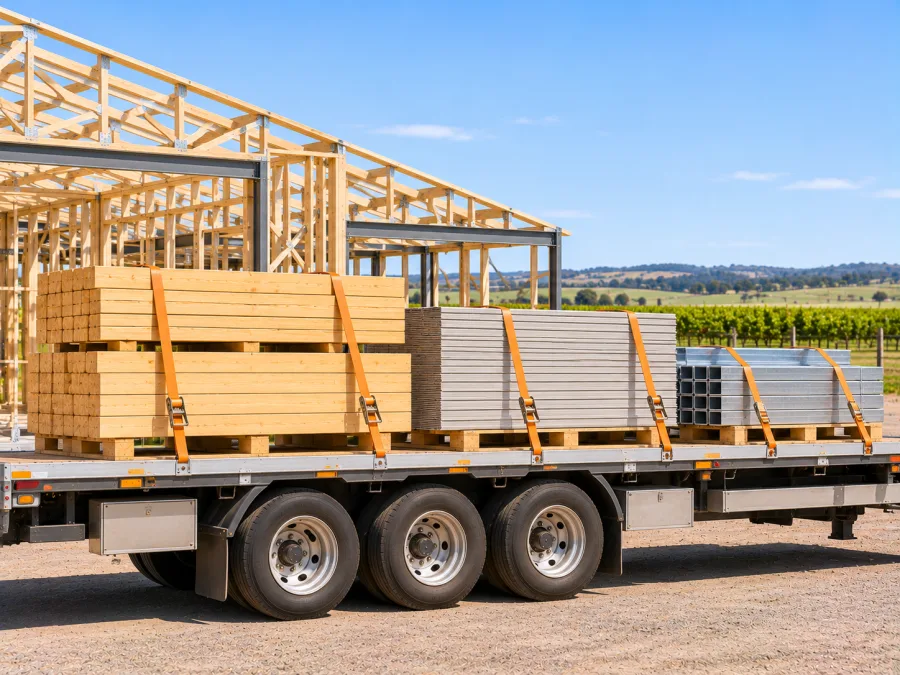
Building & Construction Materials
Fixings, framing, cladding and site consumables for a growing regional city.
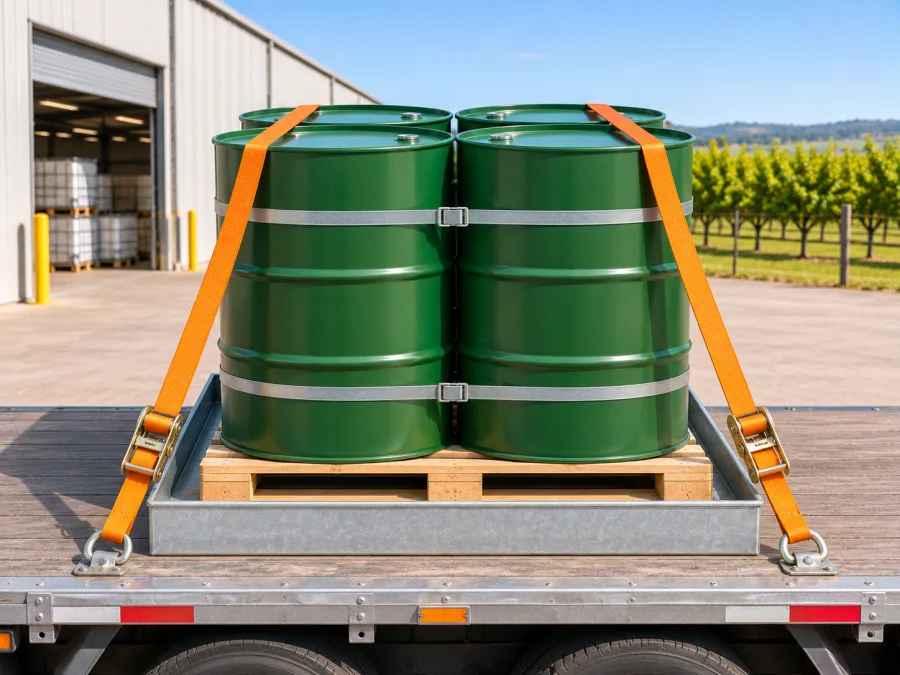
Dangerous Goods
Approved classes with correct documentation, segregation and placarding, including agricultural and processing chemicals.
Why choose Ozcoast for Melbourne to Shepparton
We Plan Backwards From the Line
A plant short of packaging is costing money by the hour. We work to your date.
Same Day up the Valley
Two hours of driving. Collected in the morning, delivered that afternoon.
Packaging Lands Ahead of Intake
Ordering into a plant at full intake is the hardest time to receive it. We plan for that.
Standing Patterns, Not One-off Bookings
If you supply regularly, predictability beats speed on a run this short.
Loaded Both Ways
Canned and dairy product heads south, which sharpens your rate north.
The Whole Goulburn Valley
Tatura, Numurkah, Cobram and Nagambie, not just Shepparton.
A Name and a Direct Line
One coordinator, start to finish.
Collection & delivery areas
Melbourne CBD, Laverton, Truganina, Derrimut, Altona, Brooklyn, Dandenong South, Campbellfield and Port Melbourne
Shepparton, Mooroopna, Kialla, Tatura, Numurkah, Cobram, Nagambie, Seymour and the Goulburn Valley
Frequently asked questions
How long does freight take from Melbourne to Shepparton?
Can you deliver packaging into a processing plant on schedule?
When should packaging be delivered?
Can you carry canned and processed product back to Melbourne?
Can you handle chilled and dairy freight?
Do you deliver beyond Shepparton?
Can you set up a regular delivery pattern?
How is my freight priced on this route?
Can you move processing plant and machinery?
Do you carry dangerous goods on this lane?
Get a quote for Melbourne to Shepparton
Tell us what you are moving and we will send a clear, itemised quote with no obligation, usually within business hours.